
Subscribe now for full access and no adverts
Founded just over 200 years ago, the Cornwall Museum & Art Gallery is home to more than a million objects reflecting the region’s distinctive identity and history. Previously known as the Royal Cornwall Museum (it was renamed earlier this year to better reflect its fine art collections), since January 2024 the historic building has been undergoing an ambitious transformation, repairing and restoring its fabric, improving accessibility, and refreshing its displays.
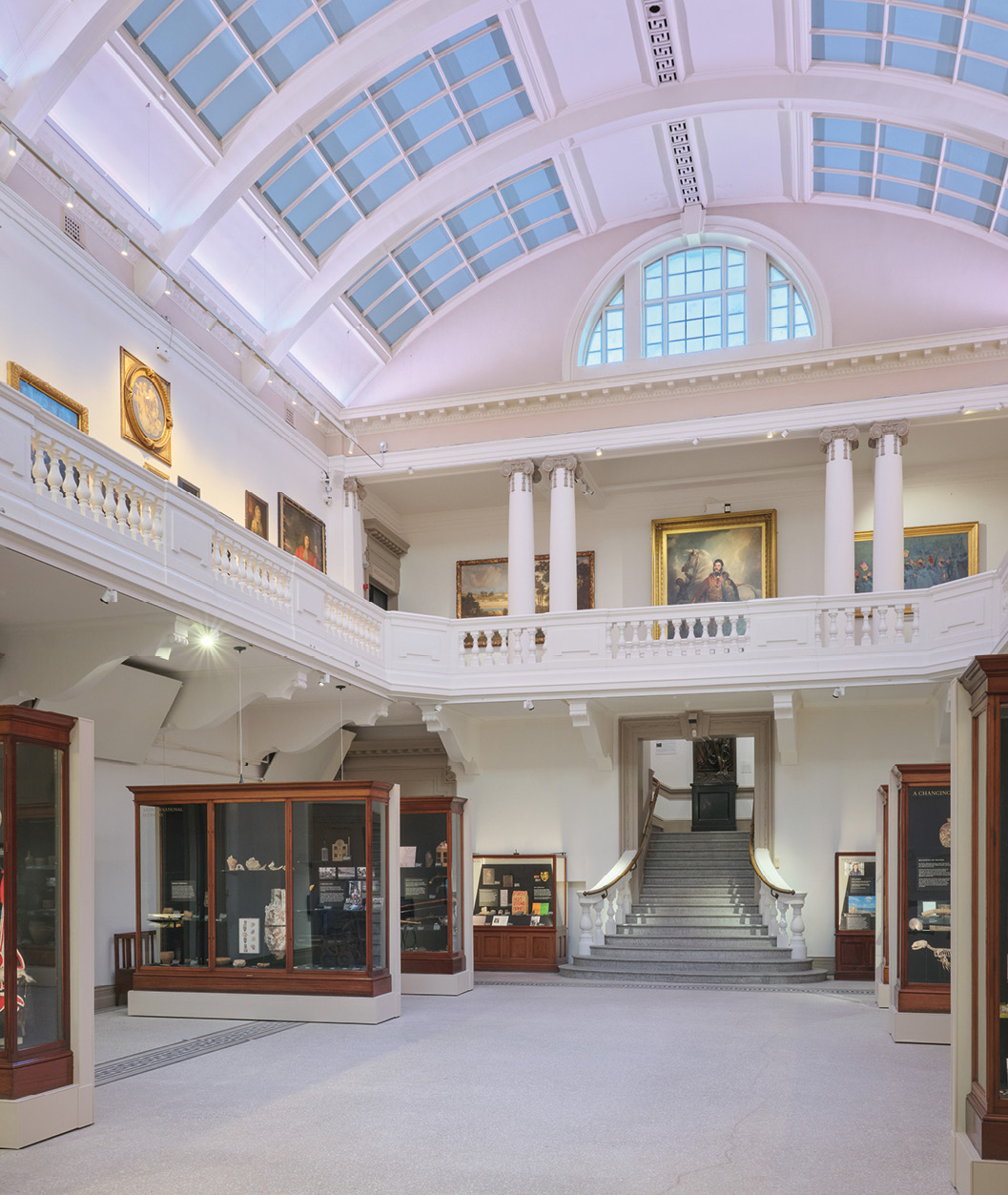
The most recent space to reopen is the museum’s main ground-floor gallery, the ‘Heart of Cornwall’. Its displays, once ordered chronologically, are now arranged by theme, with an eclectic array of ancient and modern objects that have been thoughtfully placed together in cases exploring topics such as settlement, trade, belief, migration and mobility, and ideas of identity and interconnectedness.
Highlights include eastern Mediterranean pottery fragments from Tintagel; painted plaster and tesserae from Magor Villa, the only known Roman villa in Cornwall; and finds from Nanstallon, one of the few Roman forts built in the region. Visitors can also trace how the local landscape has changed over time, examining samples taken from submerged forests and fossils of long-vanished species including grizzly bears and woolly rhino.
Diverse objects including prehistoric grave goods and bog deposits, the key from Truro’s Dominican friary (which closed in 1538), and a trio of children’s shoes that had been placed in a chimney to protect a home against evil forces, are among those that help to explore local folklore, superstitions, and religious history. Meanwhile, Cornwall’s colourful political past and present is illustrated with items including granite cannonballs dating to 1549 – when local outrage at the introduction of English-language religious services saw 3,000 Cornish rebels joining with forces from Devon to besiege Exeter – as well as modern placards protesting against the proliferation of second homes.
Complemented by sensory elements, audio, and video screens, the displays are remarkably comprehensive given how spacious and uncrowded the gallery feels. You can learn, too, about scientific innovations like Richard Trevithick’s steam locomotive; how Cornwall has inspired writers like Daphne du Maurier and Winston Graham (the creator of Poldark); and sports including surfing, hurling, and Cornish wrasslin’. Shanties, seafaring, and shipwrecks; smuggling, piracy, and pasties; the rise of tourism and the history of the Cornish language – all of these topics and more are skilfully woven together to create an immersive and absorbing insight into Cornwall’s distinctive identity.
Particularly pleasing, though, is a case that focuses not so much on what we know about the region’s history as how we know, showcasing the fruits of archaeological research. An X-ray of a mummified ibis from the museum’s Egyptian collections is shown beside a fragment of Bronze Age pottery speckled with the fingerprints of its maker. Close-by is a cup from the Treligga Common barrow cemetery, which has been subjected to scientific analysis – traces of sugar and beeswax on its interior suggest it may have once held mead.
As well as the transformation, the museum has recently launched an appeal to create a ring-fenced fund that can be used to acquire significant local historical items, archaeological finds, or works of art. For more information, see http://www.cornwallmuseum.org/launching-the-treasure-appeal.
Further information: Cornwall Museum & Art Gallery is open 10am 4pm daily. General admission (which includes an annual pass) costs £10, under-18s are free. www.cornwallmuseum.org