Subscribe now for full access and no adverts
The grand Edwardian edifice of Perth City Hall has reopened as Perth Museum, following a £27 million transformation spearheaded by architects Mecanoo. It is run on behalf of Perth & Kinross Council by Culture Perth & Kinross, the charitable trust responsible for caring for the area’s Recognised Collections of National Significance – one of the oldest public collections in the UK. Its more than half a million objects span 10,000 years of history, and these rich resources have been drawn on to create the displays of the new museum (other items can also be seen at Perth Art Gallery and Alyth Museum).
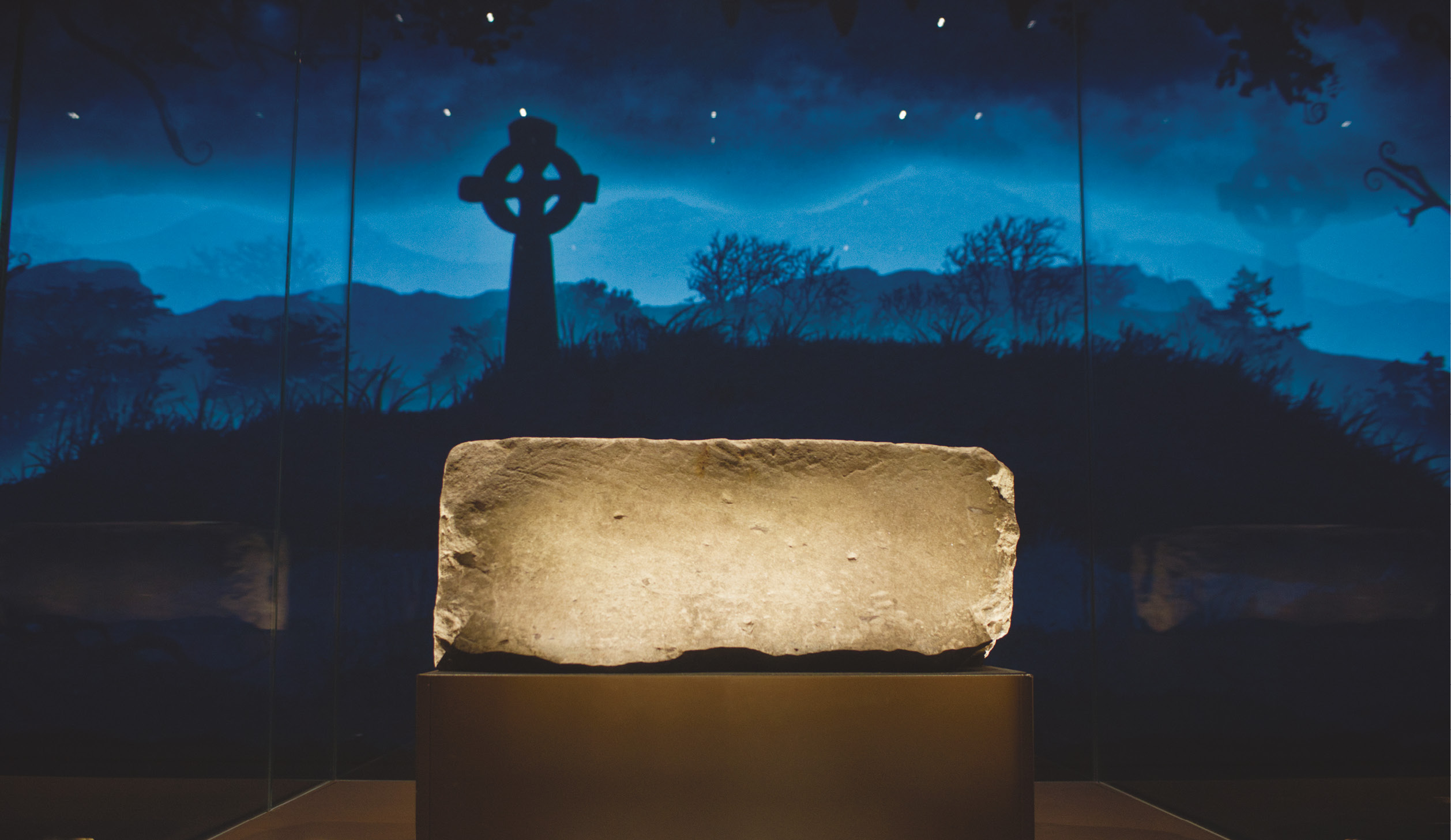
Perhaps the most famous object that visitors will be able to see is the Stone of Destiny, also known as the Stone of Scone, which was taken to Westminster Abbey by Edward I and is still used in coronations today (including, most recently, that of Charles III) – its installation in the new museum represents its first return to Perthshire in more than 700 years.
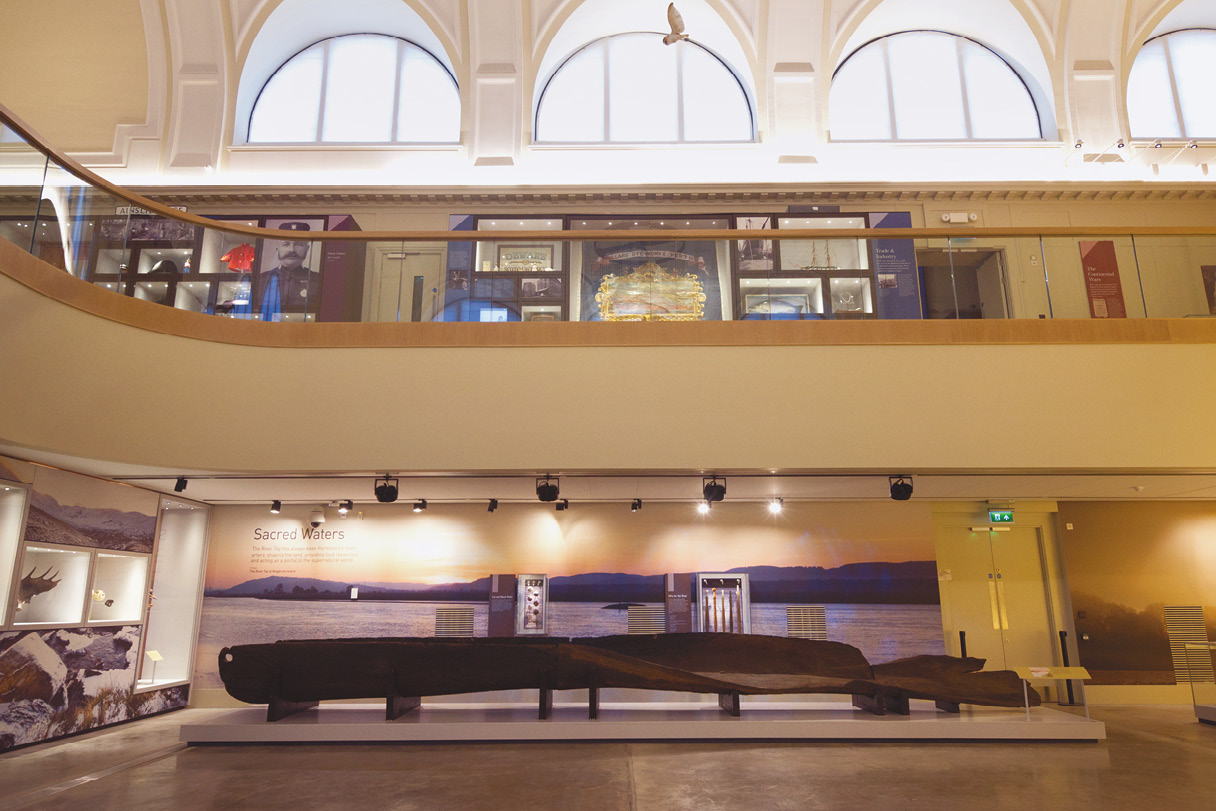
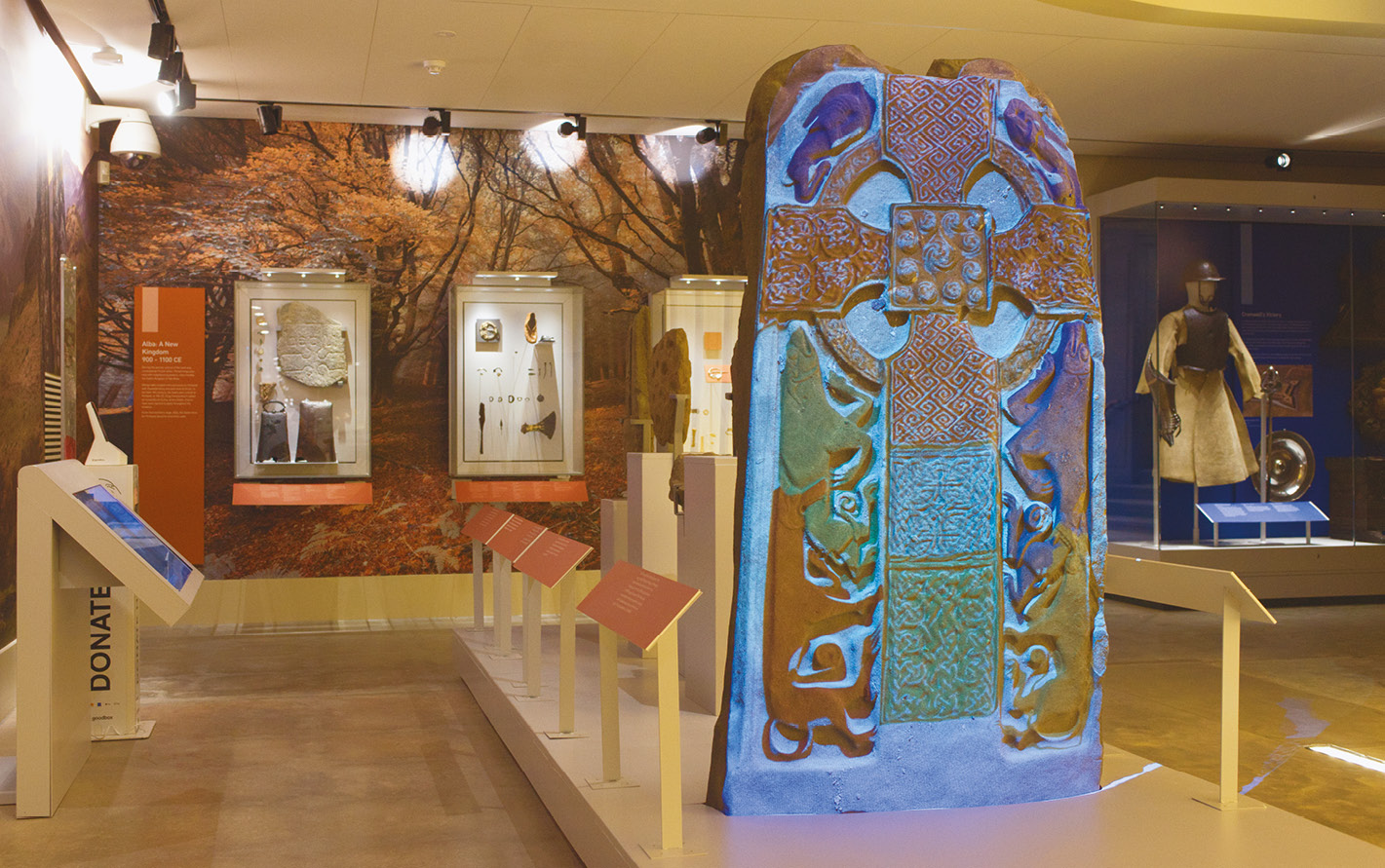
Other star items include the Carpow Logboat, a 3,000-year-old, 9m-long vessel that was hewn from a single tree trunk. Discovered in 2001, buried in peat just a few miles from the museum, it is the oldest and best-preserved example of its kind in Scotland. Equally impressive, though rather more ornate in appearance, is the St Madoes cross-slab, an 8th-century sculpture whose front is dominated by a large ring-headed cross and dynamic animal imagery; on the reverse you can see three cloaked and hooded riders, and enigmatic Pictish symbols. Contrasting with this monumental early medieval creation, visitors can see an extremely rare 17th-century silk doublet, which preserves a wealth of personal insights into the life of its owner: its expensive imported material indicates that it was worn by a man of means, while wear-patterns on its sleeve suggest that he was right-handed.
Warfare and women’s rights
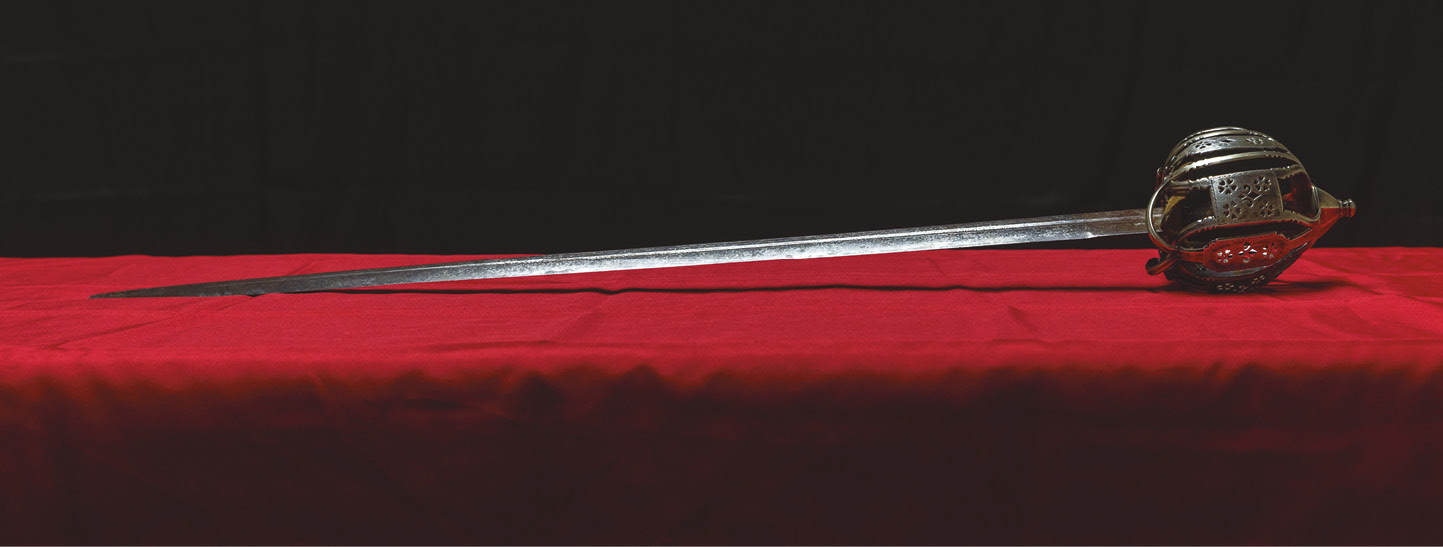
Some of the displays reflect more turbulent episodes of the area’s history. Perthshire was the site of major battles during the Jacobite campaigns, and among the exhibited objects is a Jacobite broadsword that was made by a local craftsman and thought to have been presented to Bonnie Prince Charlie in 1739 by James Drummond, 3rd Duke of Perth. Returning to Scotland for the first time in three centuries, this weapon has never been on public display before, and is shown alongside a Jacobite wine glass bearing the family motto of the Dukes of Perth. Political themes are also reflected by a banner designed and borne by members of the Perth branch of the NUWSS (National Union of Women’s Suffrage Society) c.1900 – the city was an active and early focus of campaigning for women’s suffrage, and its prison held (and force-fed) many local Suffragettes.
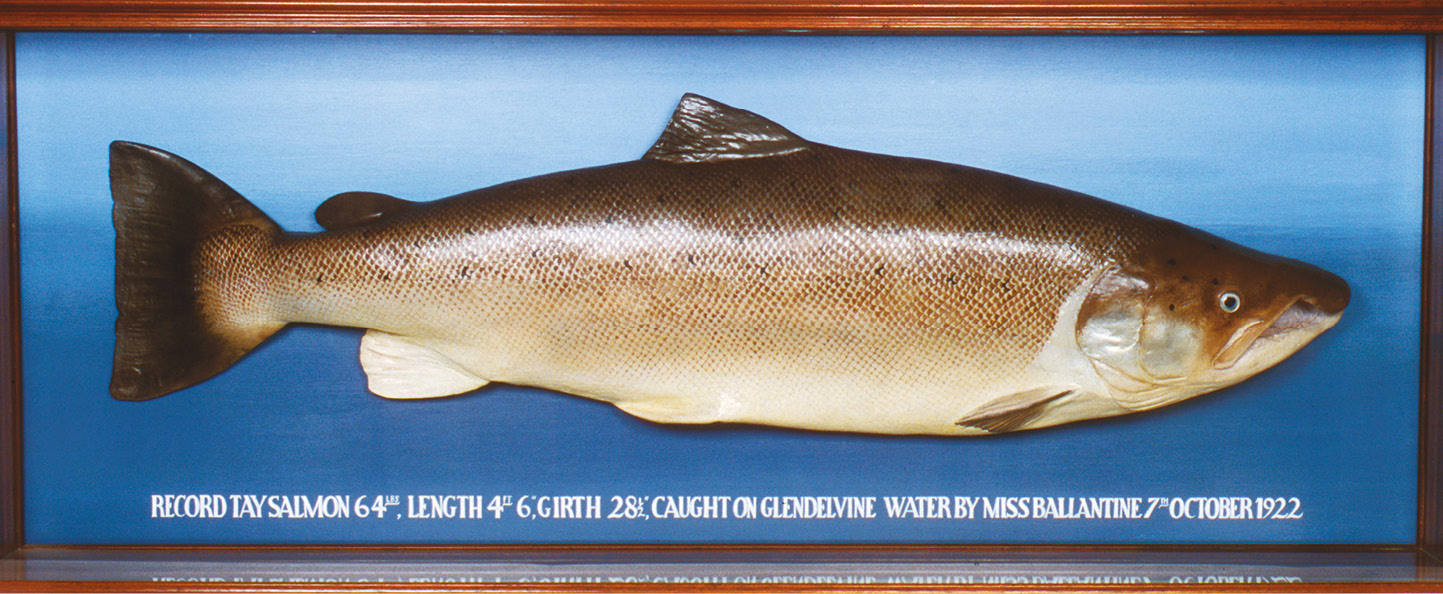
Among such historically significant objects, there are quirkier displays reflecting artefacts and events from local history that captured the popular imagination. Particularly eye-catching is a case containing the taxidermied remains of Britain’s heaviest rod-caught salmon – the 29kg (64lb) fish was landed by Miss Georgina Ballantine, who caught it in 1922. Another item that gained huge press attention at the time was the Strathmore Meteorite, the largest example of this kind of space debris ever recorded in Scotland. Its descent in 1917 was witnessed by people from Co. Durham to Aberdeenshire, and four fragments were recovered after it exploded. The piece now on show at Perth Museum was found at South Corston Farm, near Coupar Angus; its impact reportedly made a hole in the ground about 125mm wide and 150mm deep.
Complementing these permanent displays, the museum is hosting a programme of temporary exhibitions. Its inaugural event is Unicorn, focusing on the famous animal emblem of Scotland. Drawing together manuscripts, illustrations, paintings, coins, sculptures, and tapestries, the exhibition explores the ancient origins of unicorn legends; their prominence in early medieval and early modern art, science, and medicine; and their significance to ideas of Scottish royalty and national identity.
Further information: Perth Museum is open daily from 10am. Entry is free. For more details about visiting the museum and its displays, visit https://perthmuseum.co.uk; to more details about the Unicorn exhibition (which runs until 22 September), see https://perthmuseum.co.uk/inside-the-museum/unicorn.
All images: © Culture Perth & Kinross/Rob McDougall, unless otherwise stated