
Subscribe now for full access and no adverts

REVIEW BY HELEN GITTOS
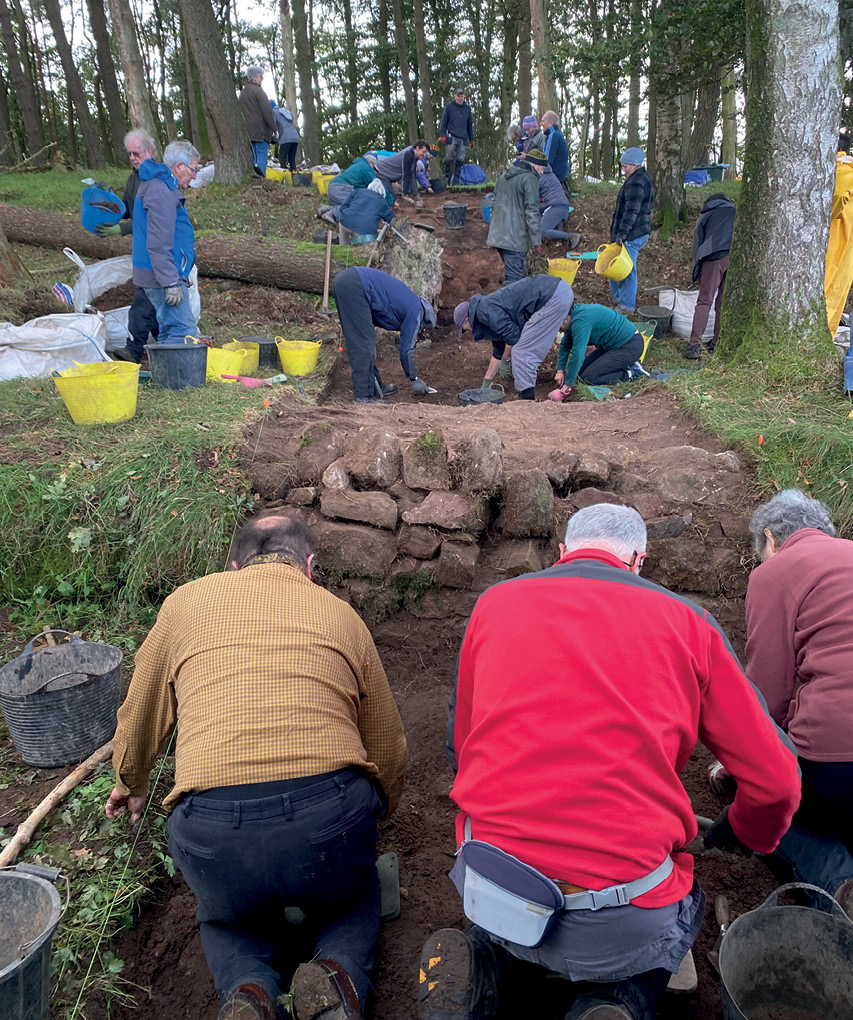
This well-illustrated and beautifully produced book is a somewhat unconventional report on the work to date on the Cerne Giant, led by Martin Papworth for the National Trust. The first half is about the recent fieldwork, accompanied by chapters placing the Giant within a wider context. Mike Allen should be commended for publishing it so swiftly.
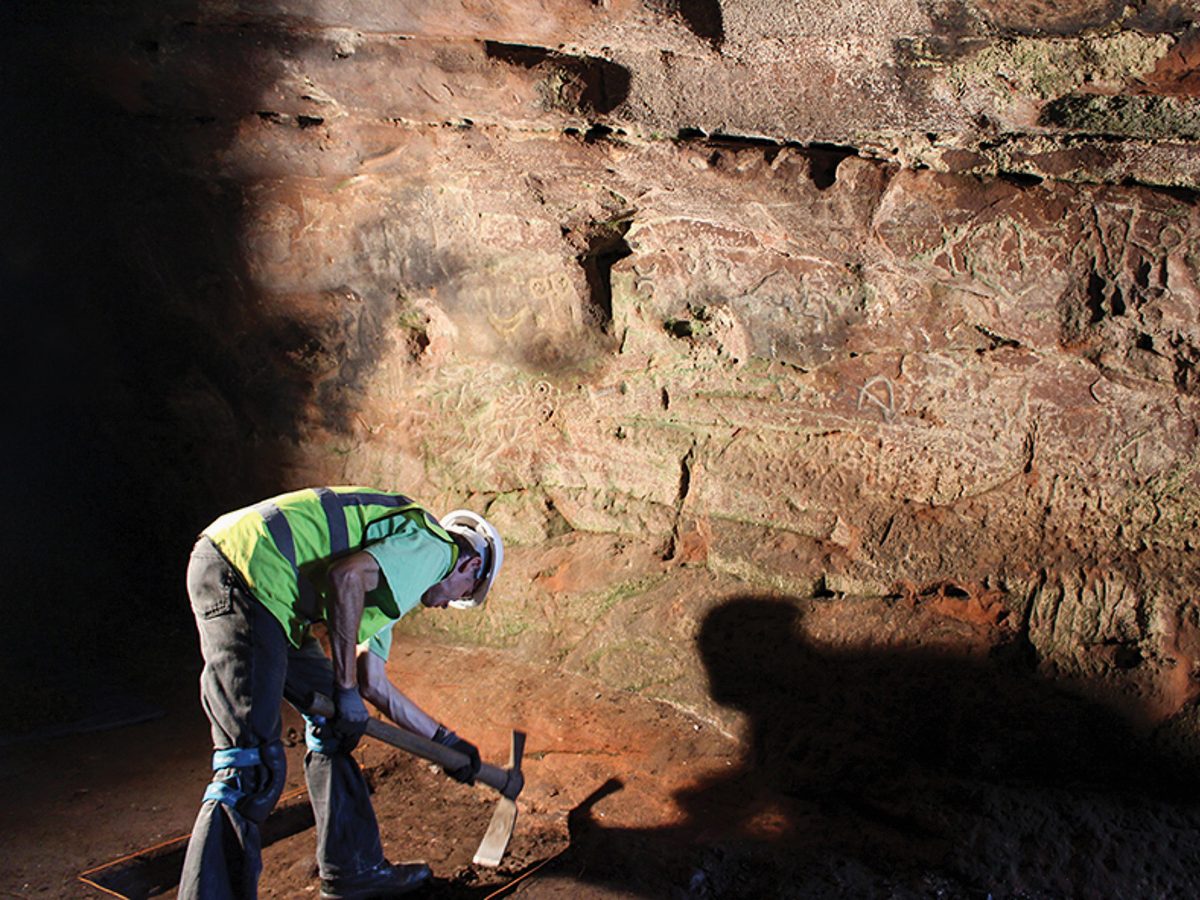
We now know the Giant was originally created by cutting a wide, shallow scoop into the chalk. The soil that built up within and against the edge of this cut was dated by two samples, using Optically Stimulated Luminesce, to AD 650-1310 and 700-1100. The remarkable congruence of these, from the lowest levels of soil at the Giant’s right elbow and foot, provides a terminus ante quem rather than absolute dating, but they seem likely to come from soils that built up soon after the Giant’s creation. It could have been made before c.AD 700, but not much earlier. The form of the Giant has changed strikingly little since it was first made, but what has changed is how it has been cared for: from being scoured to refilled with clean chalk. The idea that there were ‘two giants’, though, is misleading. Initially, the chalk was simply kept clean. Subsequently, deeper, narrower trenches were cut within the earlier outlines. Two samples from the soil built up against the sides of these trenches gave dates of AD 990-1510 and 1080-1400.
Some chapters stand out. Barbara Yorke suggests Cerne was owned by West Saxon kings in the 9th century and that the Giant may have commemorated King Alfred or another major Anglo-Saxon figure. Martin Bell and Chris Butler report on their excavations at the Long Man of Wilmington (Sussex). Stuart Brookes explores connections between giants, assembly sites, and major routeways. Finally, Tom Williamson argues that the most famous pre-modern chalk figures are the survivors of a larger group of such monuments and that a cluster in the Chilterns marked routeways through the hills.
This book is full of interest, but it isn’t the last word on the Giant, and it would be good to see Martin Papworth’s own interpretation of the excavations.
A Date with the Two Cerne Giants: Reinvestigating an Iconic British Hill Figure
Michael J Allen (ed.)
Oxbow Books, £24.95
978-1914427374