Current World Archaeology 124

Description

Highlights:

From the Editor:
Rome’s warriors are legendary. The army that carved out the Empire is renowned as one of the finest fighting forces ever assembled. But who were the individuals that filled it s ranks, and what motivated them to fight for Rome? A new exhibition at the British Museum allows the soldiers to speak for themselves, revealing a world where hope for the future could go hand in hand with extreme brutality. The weapons that these warriors wielded illustrate the lethal ingenuity that was invested in arms and armour.

Excavations in a Japanese tomb have recently unearthed a rather more unwieldy weapon: the longest sword ever discovered in the country. This extraordinary artefact is well over 2m in length, making it doubtful that the sword could have been brandished by a single individual in ceremonies, let alone combat. It was joined in the tomb by a mirror that is also the largest known in Japan, and further distinguished by it s graceful decoration. We examine what the combination of these objects might signify.

Survey work in the United Arab Emirates has been springing surprises, too. A wealth of archaeological features spanning some 700 centuries has been revealed on and around an imposing landmark known as Jebel Hafeet, which means ‘empty mountain’. More than a million stone artefacts lie scattered in it s hinterland, betraying the presence of a Palaeolithic workshop.

When a Chinese emperor set up new workshops at the Forbidden City in the 18th century, he called them the Zimingzhongchu or ‘office of the self-ringing bells’. Craftsmen within laboured to combine Chinese and European clockwork mechanisms to create breathtaking mechanical marvels. These devices reveal much about Europe and China during the era, and even helped the emperor demonstrate his right to rule.

Finally, in our travel section Richard Hodges returns to Monte Cassino and chronicles how this magnificent monastery reached it s apogee.


Cover Date: Apr / May 2024, Volume 11 Issue 4

Cover Story

Warriors of Rome: From soldiers to citizens in service of the Empire Rome’s military is renowned as one of the finest fighting forces of the ancient world. But what was life really like for the individuals who became career soldiers, and how…

Features

The Tomio Maruyama: Discovering the longest sword and largest mirror in ancient Japan In January 2023, the finds from excavations within the Tomio Maruyama burial mound in Nara city caused a media sensation.…
Mapping histories: Recent fieldwork at Jebel Hafeet An international team of archaeologists specialising in early prehistory has undertaken pioneering survey work in and around one of the…
Zimingzhong: The mechanical marvels where East meets West A remarkable trade between Europe and China developed in the 1700s, when an emperor with a passion for science started…

Comment

Rehabilitating the Neanderthals He told us that he was a speleologist, whose girlfriend had just left him. He was in a very sorry…
Changing conclusions It might have been used as an antiseptic or… a hunger suppressant – or just because people liked the taste.
The energy of crowds Rubina Raja & Søren M Sindbæk on the complexities of communal living.

News

Views

CWA #124 crossword, and answers to crossword #123 Across 6 Language spoken by the Incas (7)8 Romance language with surviving documents from the 12th century (7)10 Priests often…
Forum: Comments and conundrums Your observations, your objections, and your opinions: send them to cwaletters@world-archaeology.com
The apogee of Monte Cassino In the second of a two-part feature examining Monte Cassino, Richard Hodges examines how the monastery developed from the late…
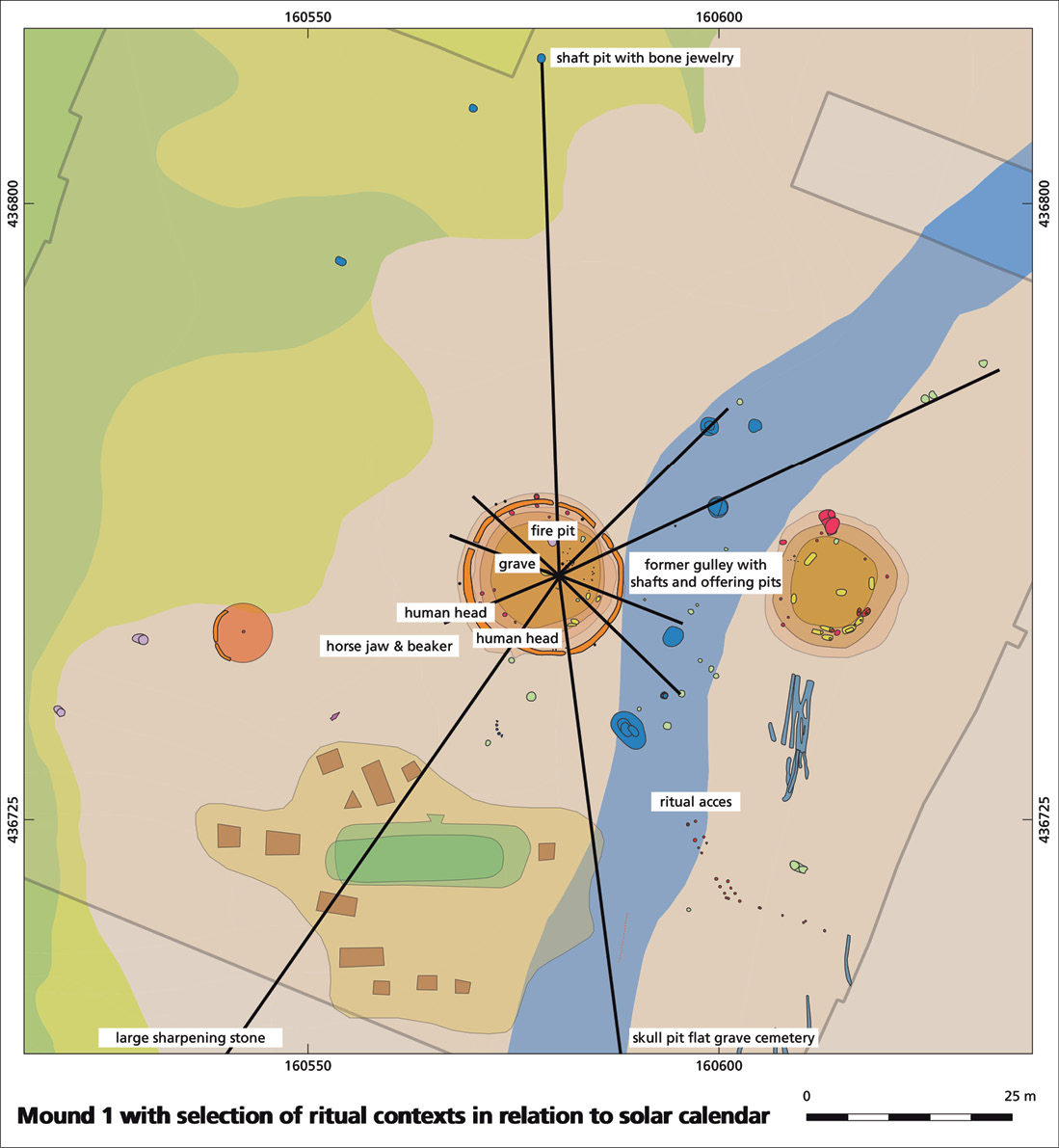
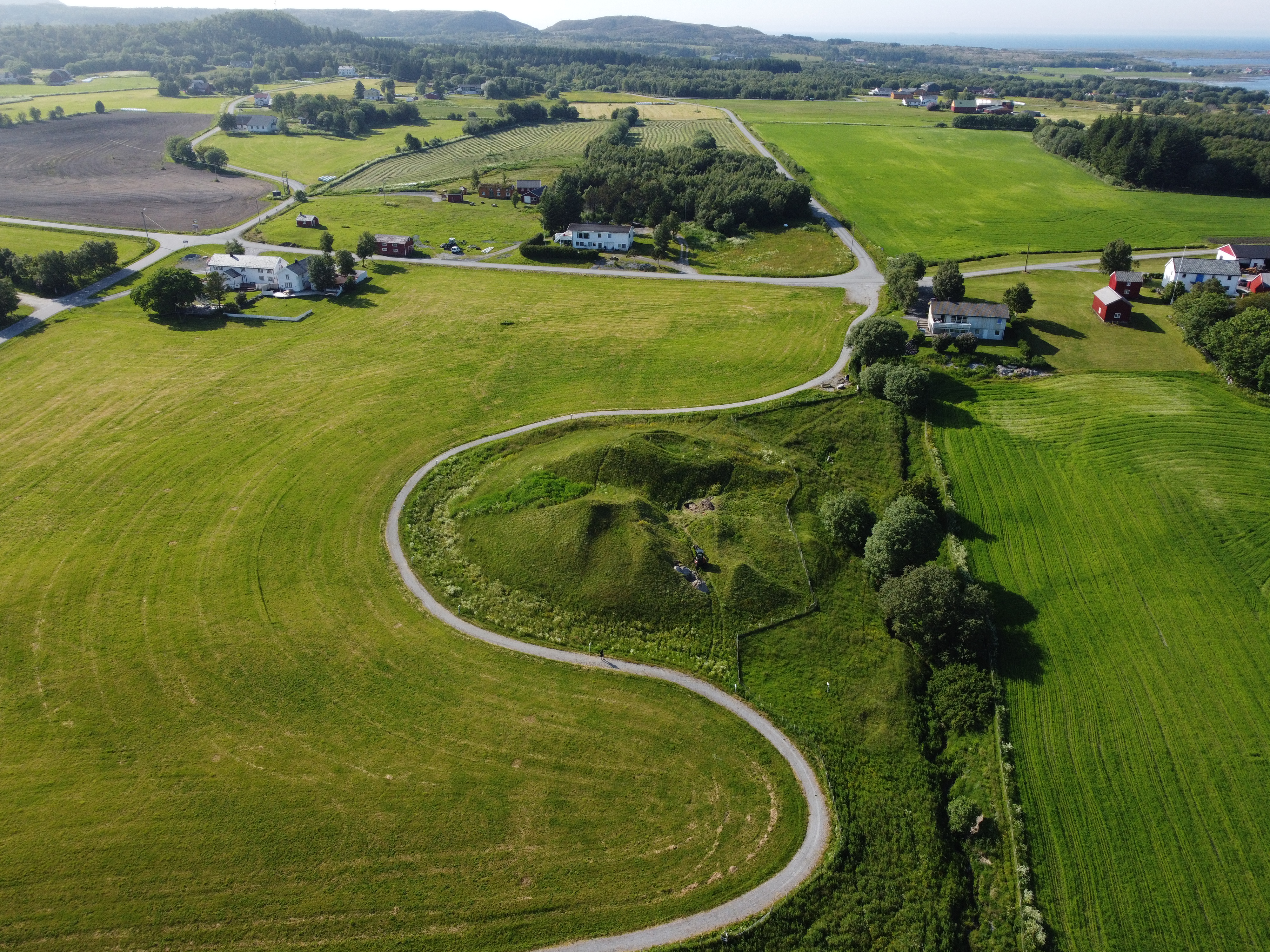
Scandinavia’s earliest ship burial With a diameter of 60m, the burial mound of Herlaugshaugen is one of the largest in Norway. New research has…
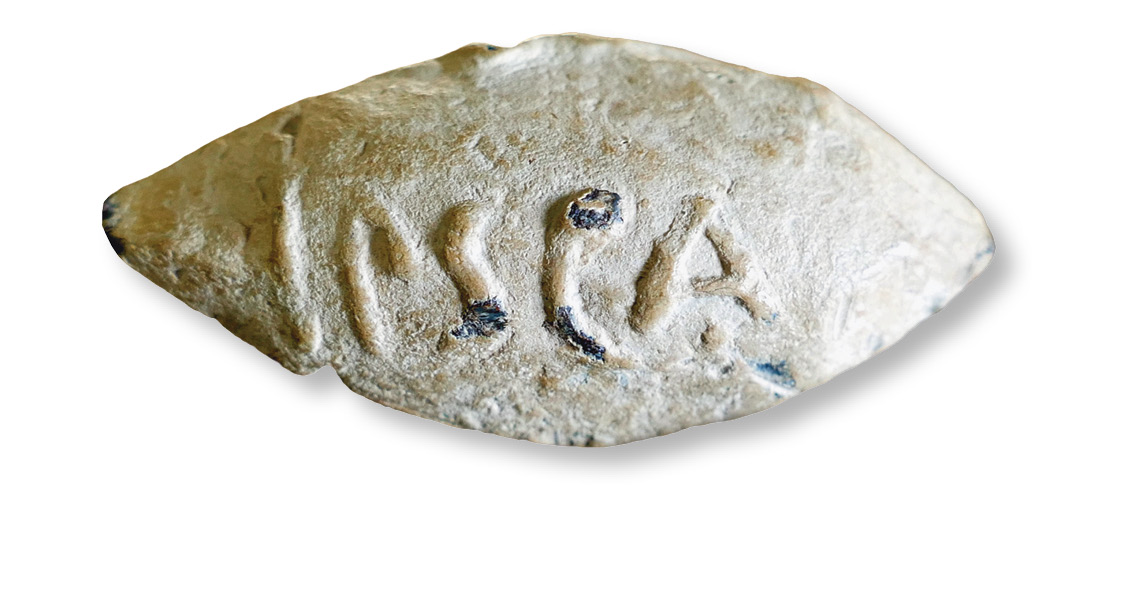
Inscribed Roman projectile What is it?  This almond-shaped lead object is a type of Roman projectile known as a glans inscripta (‘inscribed bullet’).…
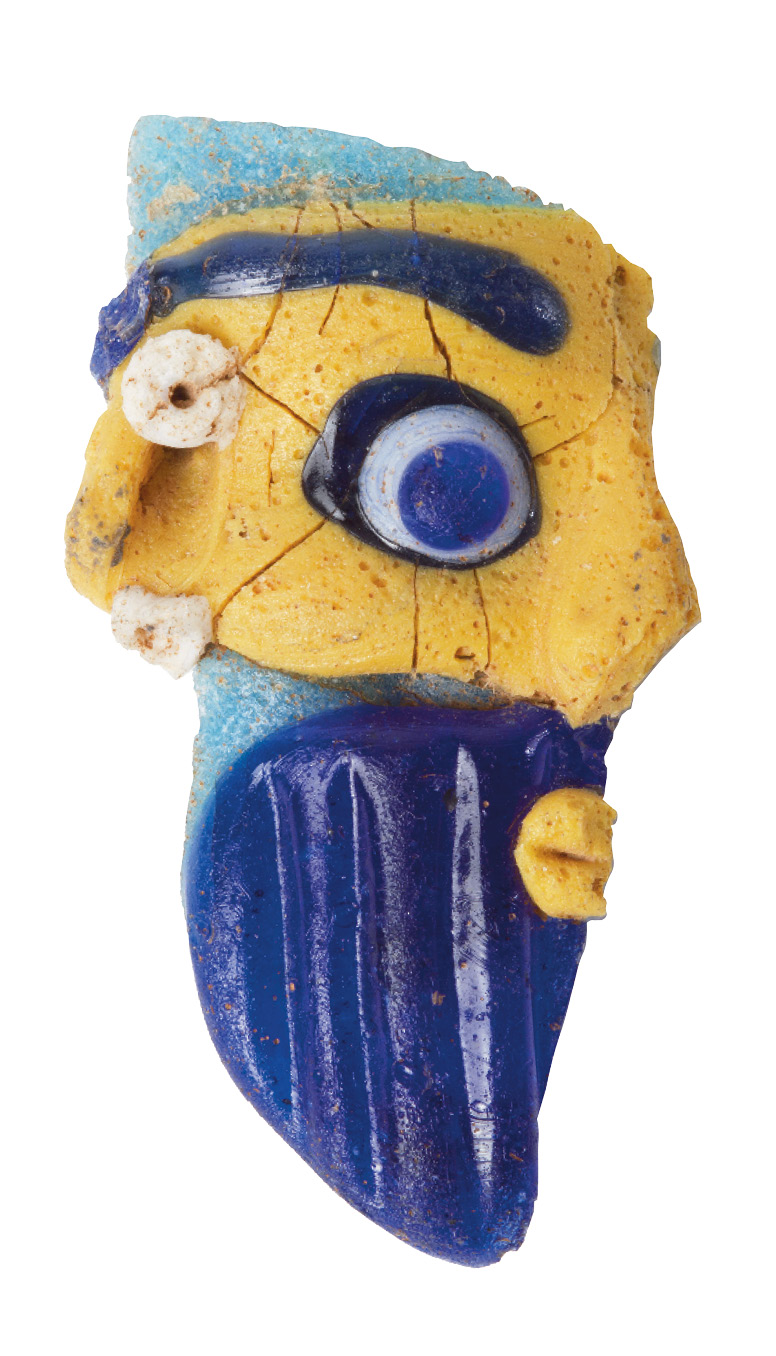
Iberians A collaborative exhibition explores the Iron Age people of the Iberian Peninsula. Amy Brunskill spoke to curator Laurent Gorgerat to…

Reviews

A Comprehensive Survey of Rock Art in Upper Tibet – Volume I: Eastern Byang thang REVIEW BY GEORGE NASH If I had been asked a few months ago what I knew about a vast rock-art…
History of the Caucasus Volume 2: In the Shadow of Great Powers REVIEW BY NICK EVANS Abdudzhalil Abdudzhalilov called himself the ‘last of the Mohicans’. Until his death in 2015, he was…
The Cities of the Plain: Urbanism in Ancient Western Thessaly REVIEW BY JOHN BINTLIFF This is a rather frustrating volume, although we need to know more about ancient Thessaly, a…
Rethinking migrations in late prehistoric Eurasia REVIEW BY MS Migrations are back. In the 19th and early 20th centuries, large-scale population movements were frequently the go-to…

By Country

Popular
UK • Italy • Greece • Egypt • Turkey • France

Africa
Botswana • Egypt • Ethiopia • Ghana • Kenya • Libya • Madagascar • Mali • Morocco • Namibia • Somalia • South Africa • Sudan • Tanzania • Tunisia • Zimbabwe

Asia
Iran • Iraq • Israel • Japan • Java • Jordan • Kazakhstan • Kodiak Island • Korea • Kyrgyzstan •
Laos • Lebanon • Malaysia • Mongolia • Oman • Pakistan • Qatar • Russia • Papua New Guinea • Saudi Arabia • Singapore • South Korea • Sumatra • Syria • Thailand • Turkmenistan • UAE • Uzbekistan • Vanuatu • Vietnam • Yemen

Australasia
Australia • Fiji • Micronesia • Polynesia • Tasmania

Europe
Albania • Andorra • Austria • Bulgaria • Croatia • Cyprus • Czech Republic • Denmark • England • Estonia • Finland • France • Germany • Gibraltar • Greece • Holland • Hungary • Iceland • Ireland • Italy • Malta • Norway • Poland • Portugal • Romania • Scotland • Serbia • Slovakia • Slovenia • Spain • Sweden • Switzerland • Turkey • Sicily • UK

South America
Argentina • Belize • Brazil • Chile • Colombia • Easter Island • Mexico • Peru

North America
Canada • Caribbean • Carriacou • Dominican Republic • Greenland • Guatemala • Honduras • USA