Subscribe now for full access and no adverts
Solar calendar
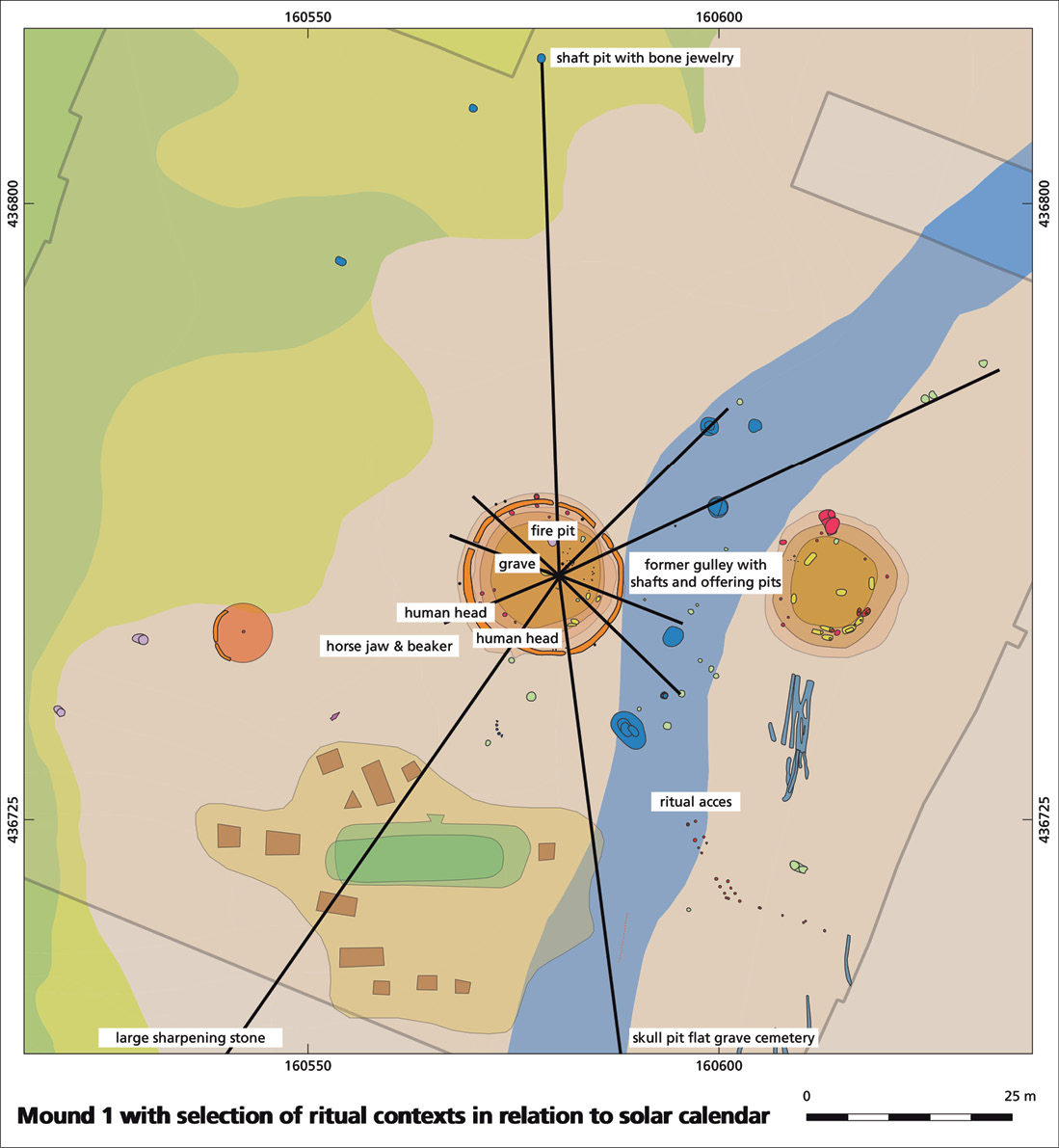
I don’t often write letters to learned periodicals as I am only a layman in regard to archaeology. However, reading the excellent and informative article about the Solar Calendar at or near Medel and nearby or associated burials (CWA 123) just made me wonder whether one function of such a structure could be to remember exactly when in the calendar a burial had taken place, and so equip the community to accurately perform memorial rituals in honour of the dead?
A modern equivalent would be the practice of engraving the dates of birth and death on headstones and tombs. But without a ‘calendar’ as we know it today, some means of recalling important community rites of passage would surely have been needed.
It may even be that inhumations and interment of cremated remains were arranged around the ‘clock face’ of places like Medel, Avebury and so on. Just a thought…
David Osborne Storrington, West Sussex, UK
Sun symbolism
On p.30 of the article ‘Mountain rock art at Saimaluu Tash’ (CWA 118), the author speaks of the petroglyphs depicting the sun being devoured by a monster. I would like to offer an alternative to the theory of this being the seasonal lowering of the sun in the sky.
I wonder if this could be these folks’ explanation for a partial or full eclipse of the sun or moon?
Mike Shevlin, Hilton, New York, USA
Precious ivory
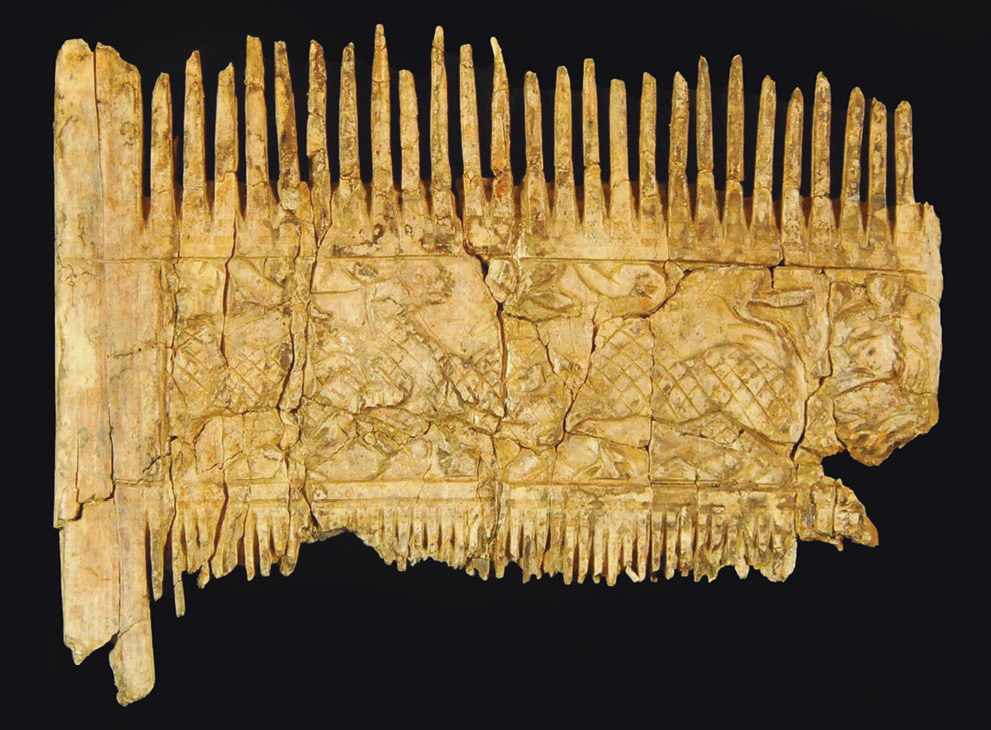
I recently read ‘The ivory comb from the early medieval period’ (CWA 113) and thought the way you covered the comb’s rarity and the presence of African animals in its carvings was really fascinating. It’s not often covered well, despite the comb’s potential connection to early medieval travel and trade networks.
Another area you might have covered is the significance of the material from which the comb was made: ivory. Ivory was highly prized in the Middle Ages, and its use in the comb suggests that this was a luxury item.
I think your readers would find that valuable, because it provides insight into the material culture of the early medieval period, and the objects that were considered valuable and prestigious.
Nina Sumner
Early fathers
I enjoy Chris Catling’s articles on the off-beat and quirky in the ancient world. In his article ‘Life and death’ in CWA 118, he mentions a study by Indiana University, published in Science Advances, suggesting that, over a 250,000-year span, the average age of new fathers was nearly 31. In reading about the ancient world, I’ve been under the impression that most ancient people were lucky to make it to 30-35 years of age. Not sure they’d wait until the end of their average life-span to start a family. Just wondering…
Bill Di Paolo, Mancos, Colorado, USA
Please note: letters may be edited; views expressed here are those of our readers, and do not necessarily reflect those of the magazine.