
Subscribe now for full access and no adverts
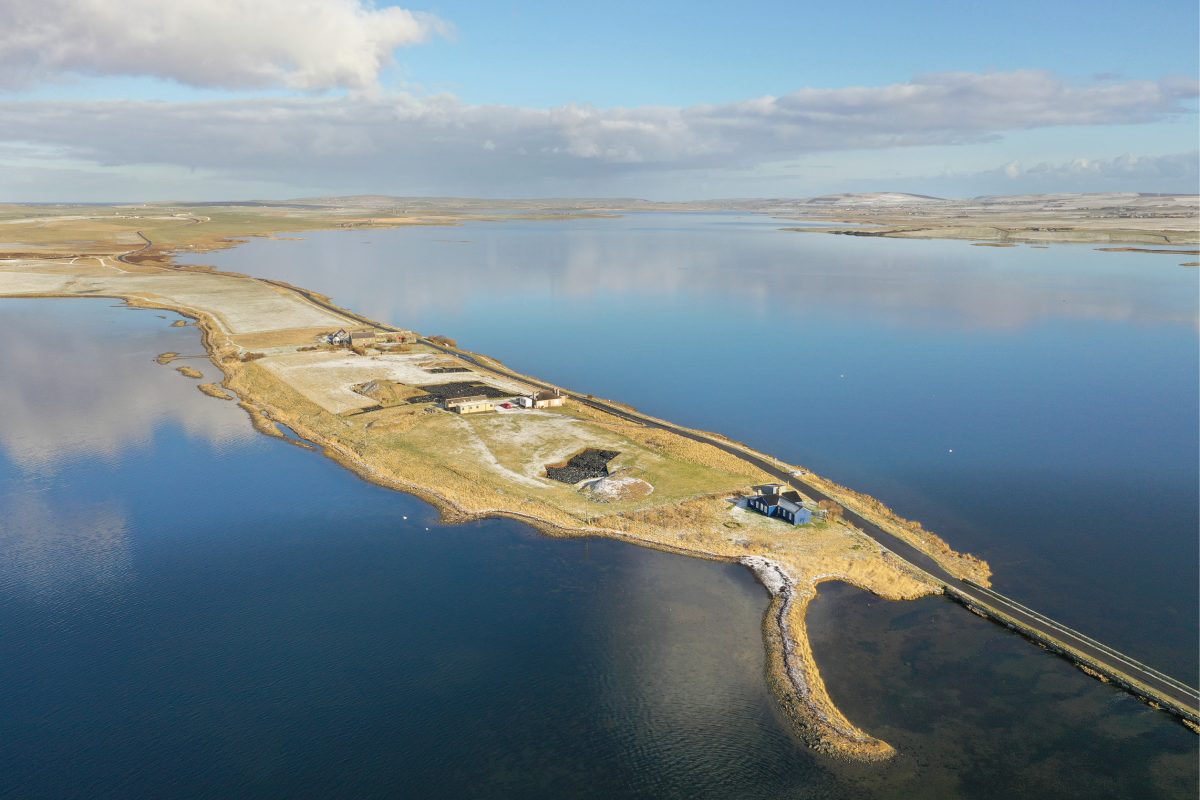
The discovery of the largest number of whetstones ever found at a single site in north-west Europe has illuminated a Roman industrial hub that once operated beside the River Wear in Offerton, near Sunderland.
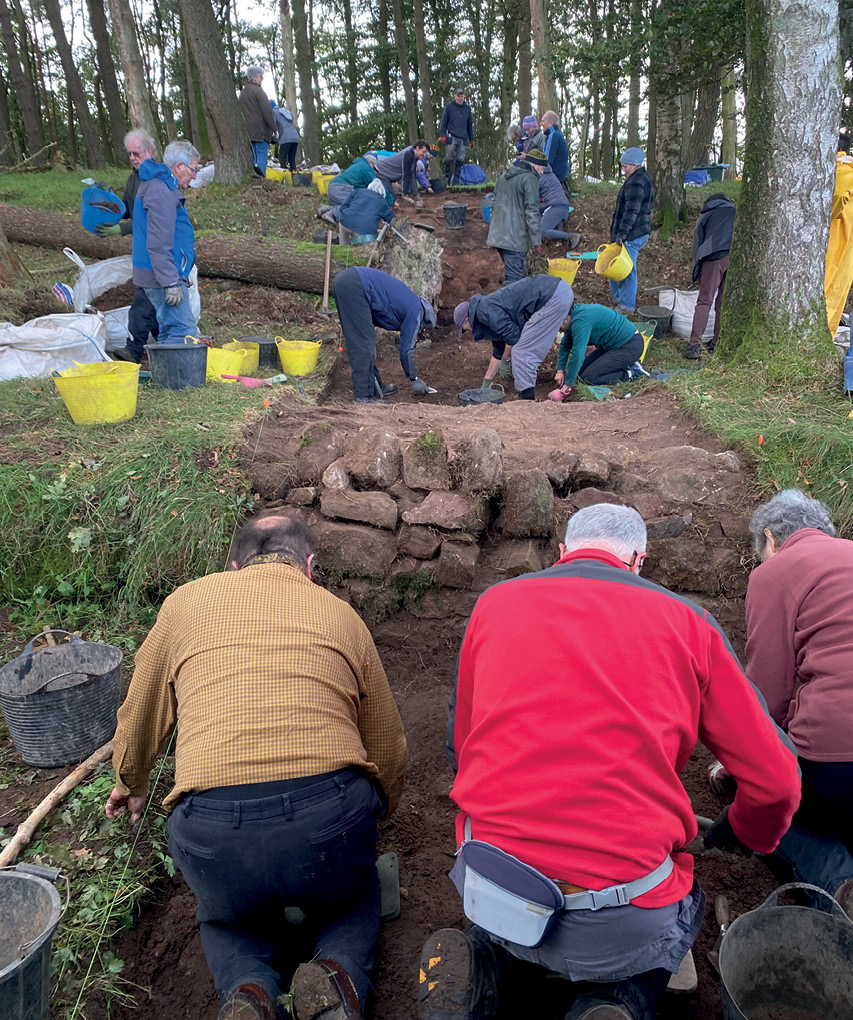
The site was discovered and excavated by the Vedra Hylton Community Association with the support of Durham University’s Department of Archaeology over the course of six months in 2025. The team, working under licence from the Crown Estates, recorded more than 800 whetstones in various stages of production, from roughly worked pieces to finely finished examples. Many were discovered in situ within a series of riverbank trenches, and it is thought that hundreds – if not thousands – more are still buried in the foreshore.
The stone for the whetstones is likely to have been quarried from a sandstone outcrop that lies directly across the river from the site – a theory that is strengthened by the discovery of seven masonry chisels and a rock-splitter tool from the adjacent foreshore and river. Optically Stimulated Luminescence (OSL) analysis of the sediment layers surrounding the whetstones provided a date of AD 104-238, while samples from the sediment layers directly below the whetstones were dated to AD 42-184. This places the industry firmly in the Romano-British period, and makes this the first-known Roman site in Britain where sandstone was deliberately quarried for whetstone production.

The whetstones are thought to represent discards that had not met the Roman army’s exacting standards for uniformity – any that were not exactly 12 inches long (30.5cm) would have been thrown away. Attesting to this, the team found that most of the stones that they recovered had noticeable defects. They also found 65 examples of ‘doubles’ – two whetstones still conjoined prior to splitting – along with one rare example of a ‘treble’.
Adding to this picture, the 2025 fieldwork also recovered five stone anchors, adding to the six that had been found by the group in the same stretch of the river between 2019 and 2024. Together, they represent the largest concentration of stone anchors ever recorded at a riverine site in northern Europe. The team hypothesise that they could have come from river-going vessels transporting slabs of sandstone across the river to the ‘flatter’ whetstone preparation site on the south side (the northern side, where the stone was being quarried, was steep and difficult to access).
Text: Kathryn Krakowka / Image: Durham University and Gary Bankhead