
Subscribe now for full access and no adverts
Excavations just north of Perth have revealed the remains of an Iron Age hillfort that appears to have been inhabited for close to 600 years before it was finally abandoned around the time that the first Roman armies appeared in Scotland.
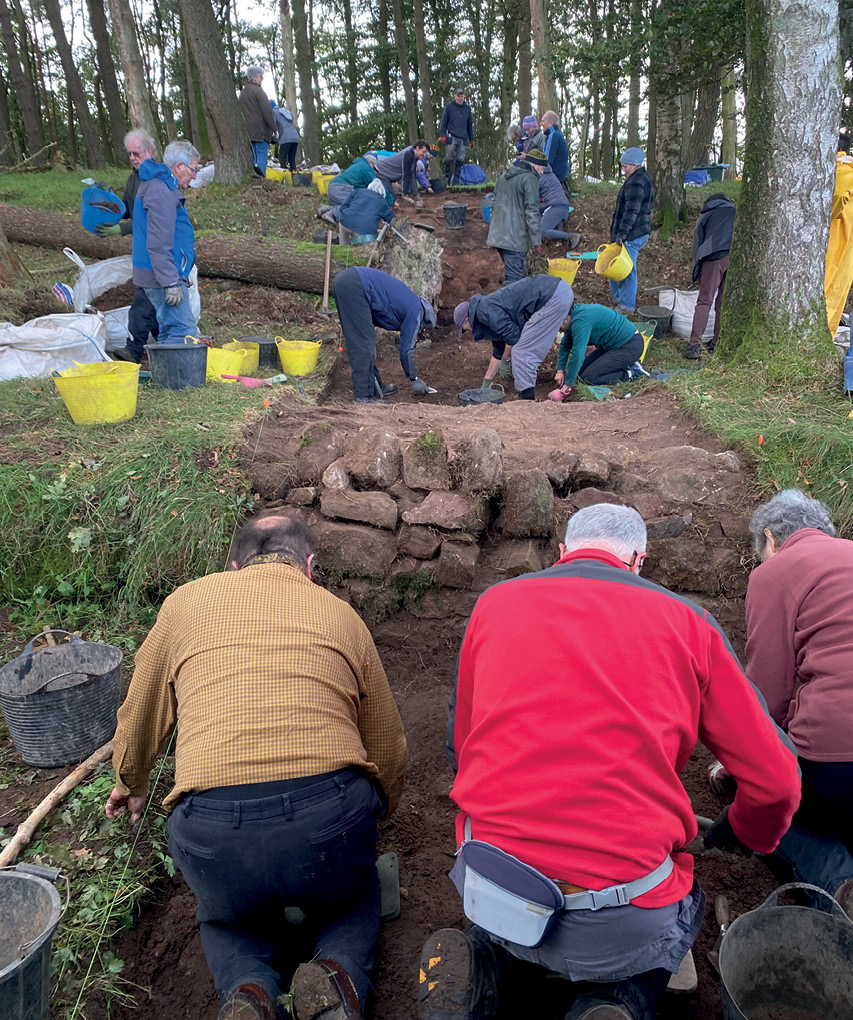
Known as Broxy Kennels, the site was first identified in the 1960s, thanks to aerial photographs of the then-newly proposed route for the A9. Six decades later, the hillfort saw its first archaeological investigation (following planning approval for the Cross Tay Link), the results of which have just been published (see http://www.archaeologyreportsonline.com/reports/2025/ARO63.html). The excavation was carried out by GUARD Archaeology in 2022, in advance of the construction of a three-span bridge over the River Tay as part of this project. Since then, a multidisciplinary team from National Museums Scotland and the Universities of Glasgow and Stirling, along with various independent specialists, as well as archaeologists from GUARD itself have been carrying out post-excavation analysis, the results of which have revealed new details about life during the Iron Age in this part of Scotland.
Situated on a bend in the River Tay, the hillfort would have been easily visible to anyone travelling from the north or south, and they in turn would have been visible to the settlement’s inhabitants (below). There appears to have been at least three main phases of use on the site. During the first phase, two massive ditches were dug and earthen ramparts created from the extracted soil. Radiocarbon dates from these layers suggest that this occurred between 550 and 400 BC. Contemporaneous with this were the charred remains of wattle panels and pieces of daub, which may have belonged to roundhouses built within the settlement confines. There was also extensive evidence of metalworking dating to this period, with bog ore found alongside slag from the smelting of iron. Vitrified clay, as well as a parts of bellows and a tuyère (a nozzle through which air was forced) from furnaces attest to this industry, too.
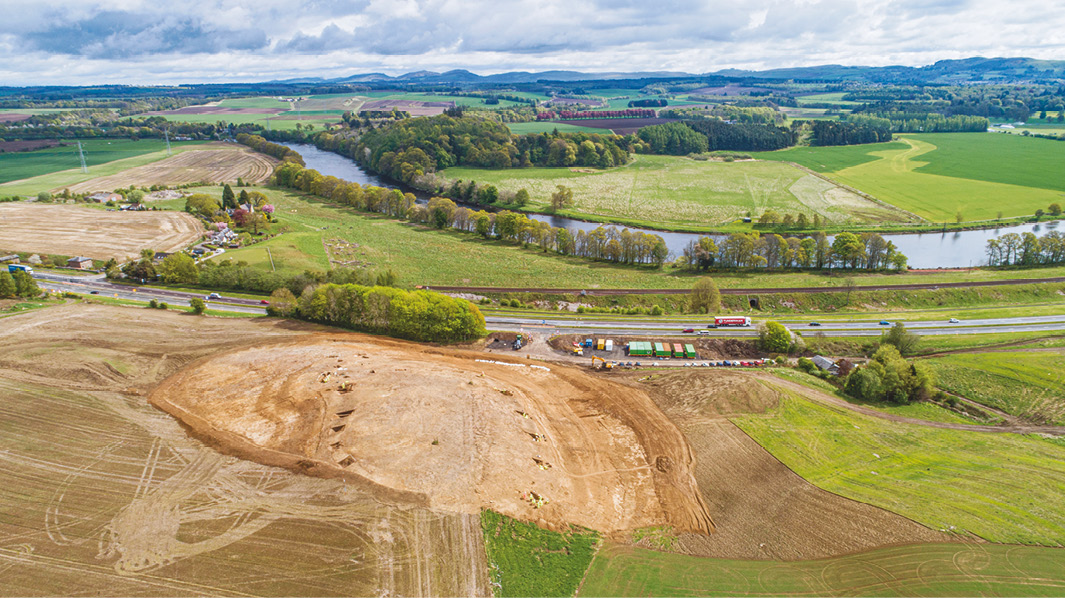
After this first phase of activity, around c.400 BC, one of the ditches to the north of the entranceway appears to have been filled in and a souterrain (semi-underground stone-built passage or chamber of a type built across Scotland between the last few centuries BC and the first two centuries AD) was constructed in the back-filled ditch. A third ditch and rampart were then dug to surround this new feature, while a fourth outer rampart and ditch encircled the entire hillfort. The souterrain measured 9m (30ft) long by 4m (13ft) wide and was over 1m (3ft) deep. It was built using boulders brought up the hill from the River Tay and it had a paved floor. There was little evidence for its intended purpose, however. Whatever its function, the souterrain appears to have been in use for approximately 50 years before it silted up once more. Parts of the ditches also appear to have fallen out of use at this time, with loose soil from the decaying ramparts starting to infill the ditches.
Despite the degradation of the outer defensive features, though, it does not appear that the hillfort itself was abandoned at this time. Radiocarbon dates from pits and post-holes, which may represent roundhouses within its interior, show that people continued to live there in an unenclosed hilltop settlement for another 400 years, until just before the Roman army arrived in that part of Scotland in the late 1st century AD.
Text: Kathryn Krakowka / Photo: GUARD Archaeology Ltd