
Subscribe now for full access and no adverts
Excavations on Culloden Battlefield, near Inverness, this past October have recovered more than 100 projectiles in an area of the site that had not previously yielded any archaeological discoveries.
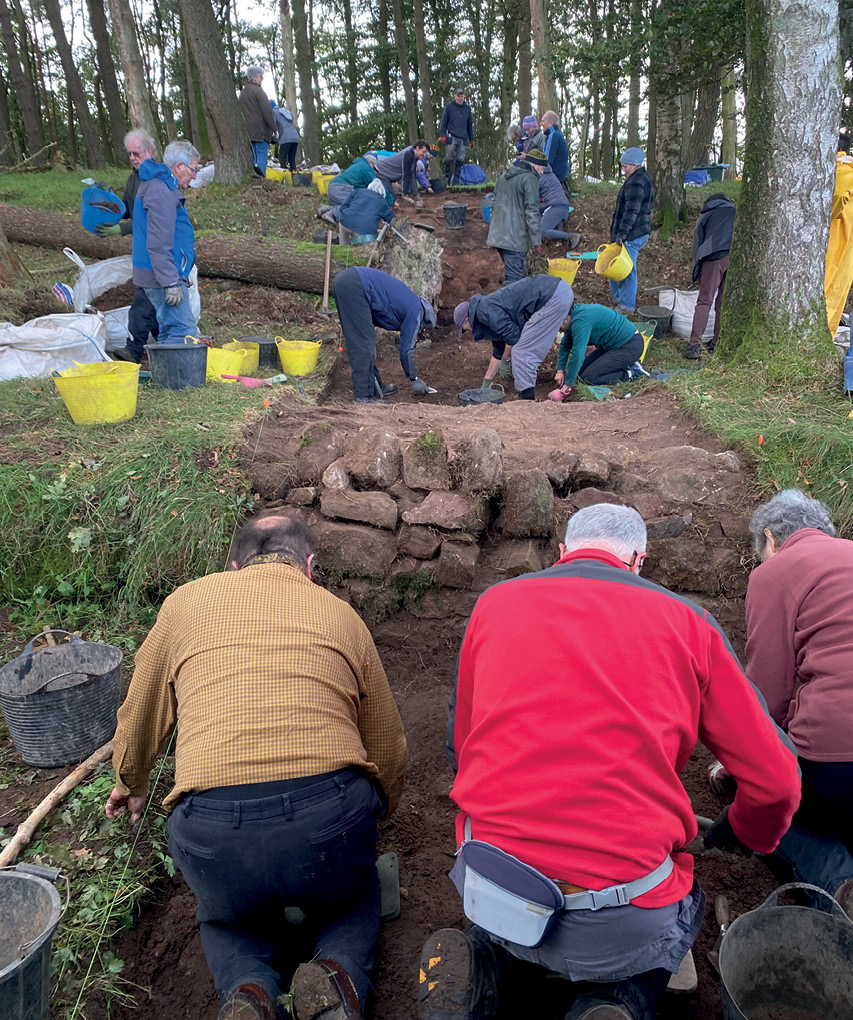
The battle – the last to take place on British soil – occurred on 16 April 1746 and saw the defeat of the Jacobite army, led by Bonnie Prince Charlie, by government forces led by the Duke of Cumberland. A team of archaeologists led by Derek Alexander, the Head of Archaeology for the National Trust for Scotland, and Professor Tony Pollard from the University of Glasgow, along with a number of volunteers, carried out a metal-detecting survey, trial-trenching, and test-pitting in order to examine an area of the site that lay between where the two opposing armies had been drawn up. No archaeological remains had previously been identified on this part of the battlefield, but this time the team discovered a number of martial artefacts, from lead musketballs to cannon shot, including what is believed to be a 3lb (1.4kg) cannonball fired by the Jacobite artillery.
Commenting on the discoveries, Tony said: ‘We’ve only had time to make a rapid assessment of our results, but musketballs fired by Jacobite and government troops, including pistol balls fired by government dragoons, likely relate to one of the last actions in the battle. This fight took place between the initial battle lines, at a location where boggy ground slowed the Highland charge, and this in combination with heavy fire from Cumberland’s line helped to seal the fate of the Jacobite cause.’
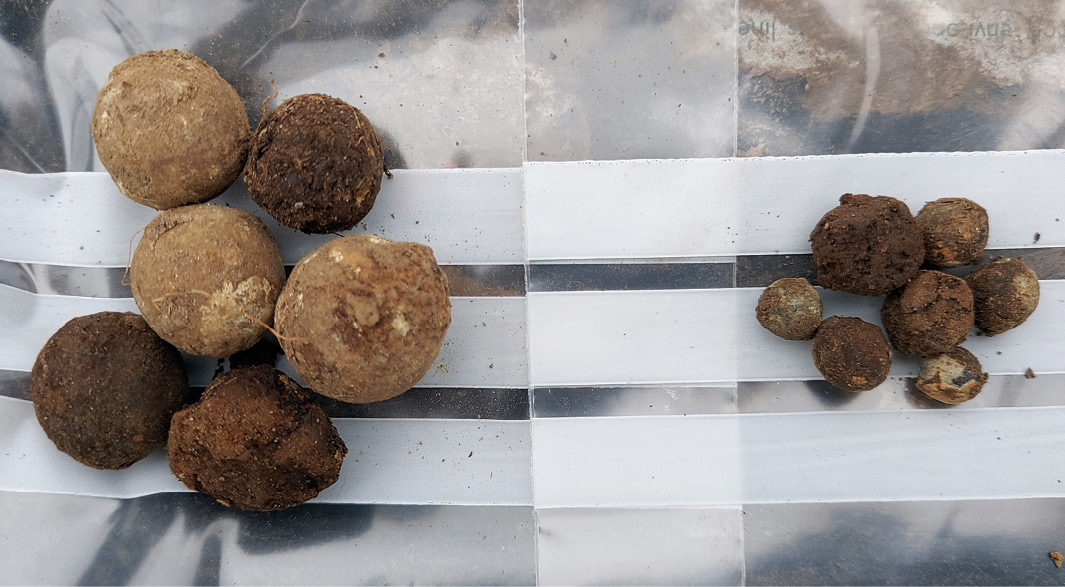
The distribution pattern of the shot will be analysed in detail, but these finds are already adding to discoveries from previous excavations on the battlefield, helping to paint a fuller picture of how the engagement unfolded. As Derek explained: ‘This new evidence adds to earlier findings, which include the scatter of objects related to the hand-to-hand fighting on Cumberland’s left, to the south of the present site. We now have a clearer picture of where the various actions that made up the battle took place, and this will assist the National Trust for Scotland in enhancing on-site interpretation and the long-term management of the battlefield. We look forward to bringing the team back together to carry out a more detailed examination of the finds.’
Text: Kathryn Krakowka / Image: Andy Jepson