Subscribe now for full access and no adverts
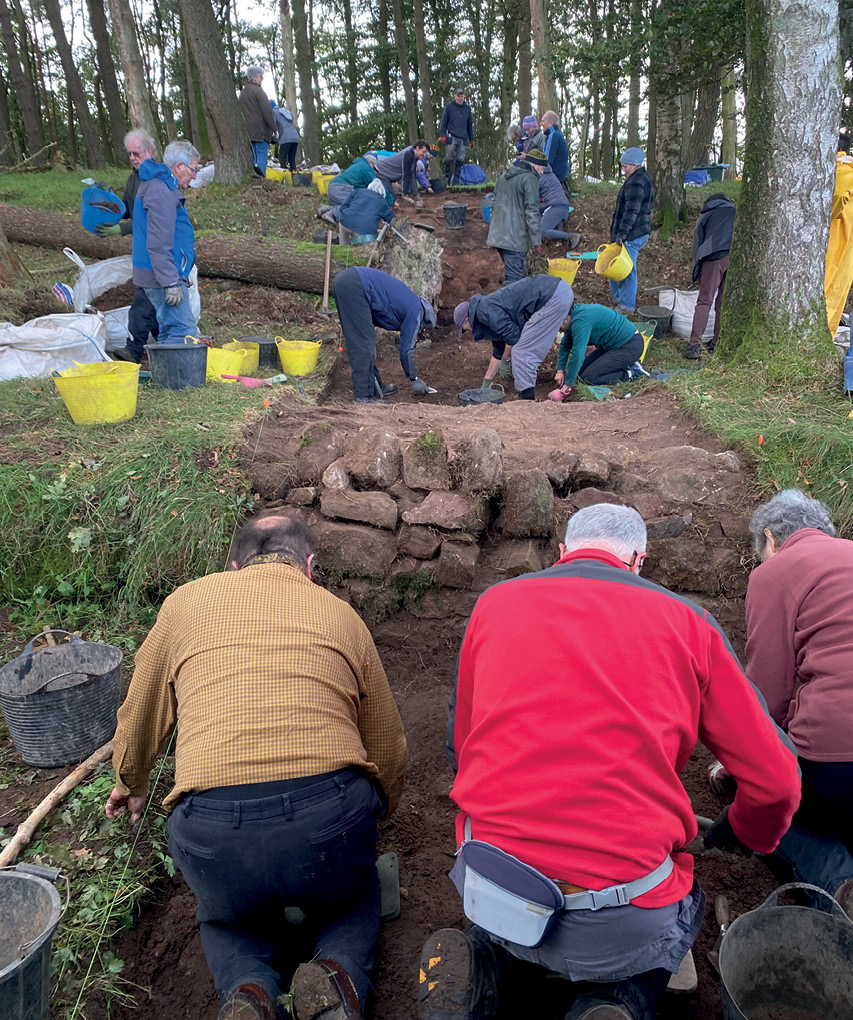
Children tend to leave only faint footprints in the archaeological record, but excavations by MOLA (Museum of London Archaeology) in east London have uncovered intriguing echoes of young lives – evidence of Victorian toys and schoolwork – as well as a wealth of other insights into centuries of activity in a diverse and resilient dockland neighbourhood.
The discovery of the remains of a school building during these investigations – which were undertaken ahead of the construction of SEGRO Park Wapping, a new warehouse development – was not surprising. The road on which the site lies is still known as Schoolhouse Lane, and historical research carried out alongside the excavation found that this educational establishment is well-documented from its earliest days.
The school was founded in 1536 by Nicholas Gibson, a Sheriff of London, and his wife Avice. (The Sheriffs of London were a pair of officials elected by members of the City of London’s Livery Companies – historic trade associations; Nicholas was a grocer – with responsibilities including tax collection and maintaining law and order.) The school was intended to educate 60 poor boys, and the charitably minded couple also established a number of almshouses on the same site.
Records of the time attest that Nicholas died just a few years later, after which Avice took over running the site by herself, and in 1552 she entrusted its upkeep to another Livery Company, the Worshipful Company of Coopers. As makers and repairers of wooden casks and barrels, many coopers had made their fortunes thanks to the international trade boom that took place during the 16th century, and some chose to use this wealth to support educational initiatives and other charitable endeavours (a tradition that the Worshipful Companies continue today). With their help, the school thrived, continuing to operate in Wapping until the late 19th century, after which it relocated first to Mile End and then to Upminster, where it is now known as the Coopers’ Company and Coborn School, a highly rated state secondary that today educates both boys and girls.
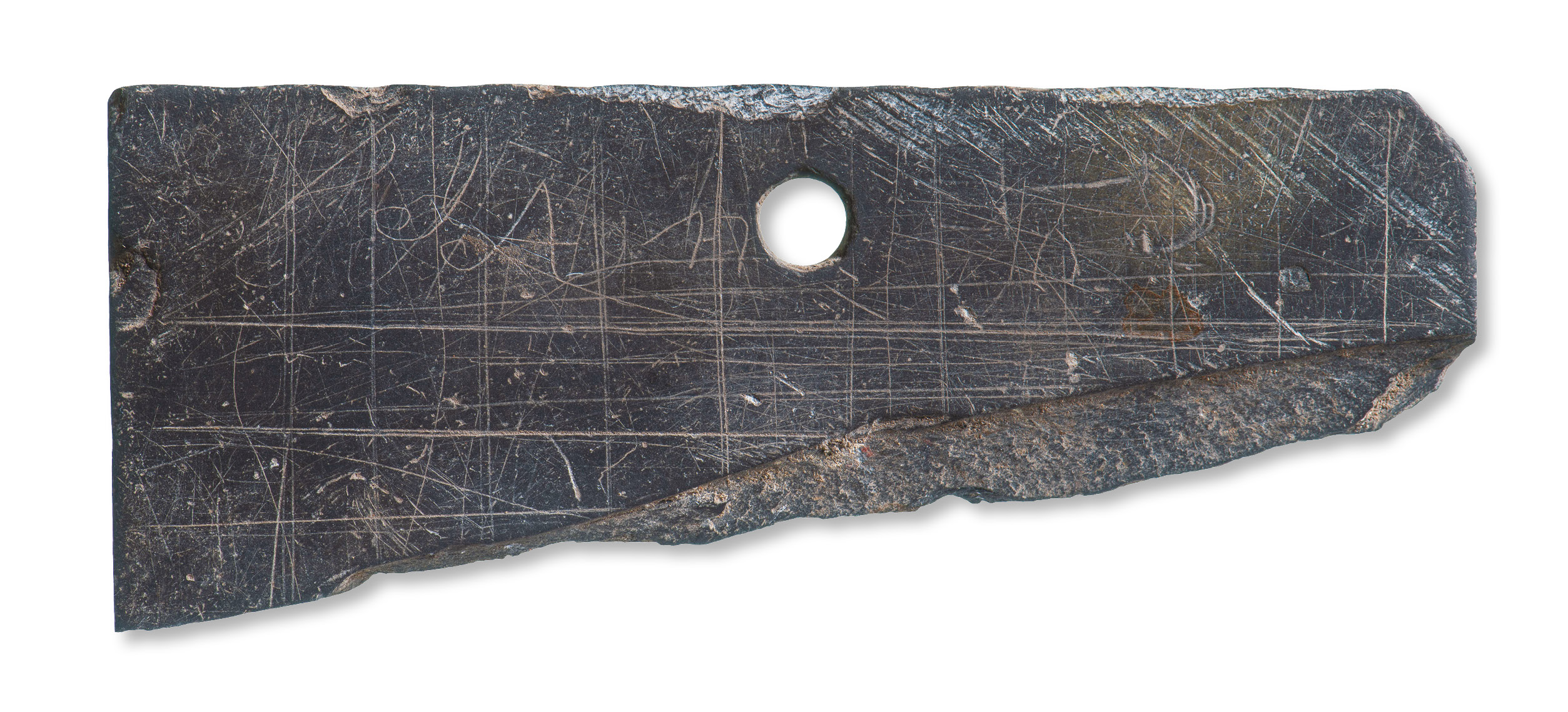
It is this last, late Victorian phase of the school’s Wapping incarnation that was uncovered during MOLA’s investigation. As well as finding the foundations of the school building itself, the team also discovered evidence of its educational activities: the corner of a slate writing tablet and a slate pencil. Such tablets would have typically been rubbed clean for reuse, but this example still preserved traces of the last piece of work completed on it – its surface is covered with childish scribbles, as well as a line of more carefully executed looped handwriting.
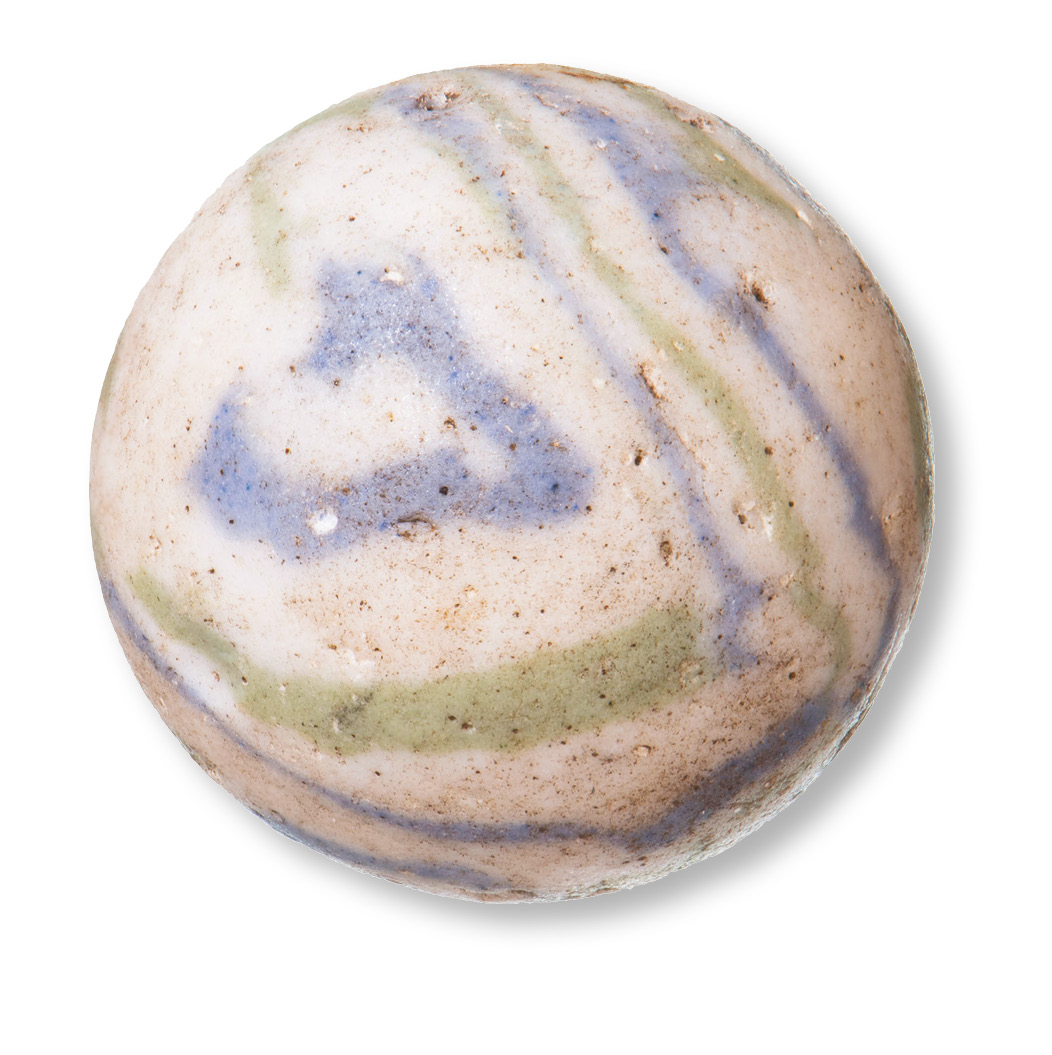
This was not a place of all work and no play, however. In an adjacent brick-lined drain, MOLA found a large number of ceramic marbles called alleys, which the project team suggest may have been lost during an over-enthusiastic break- time game, no doubt to the dismay of their young owners.
Rising from the ashes
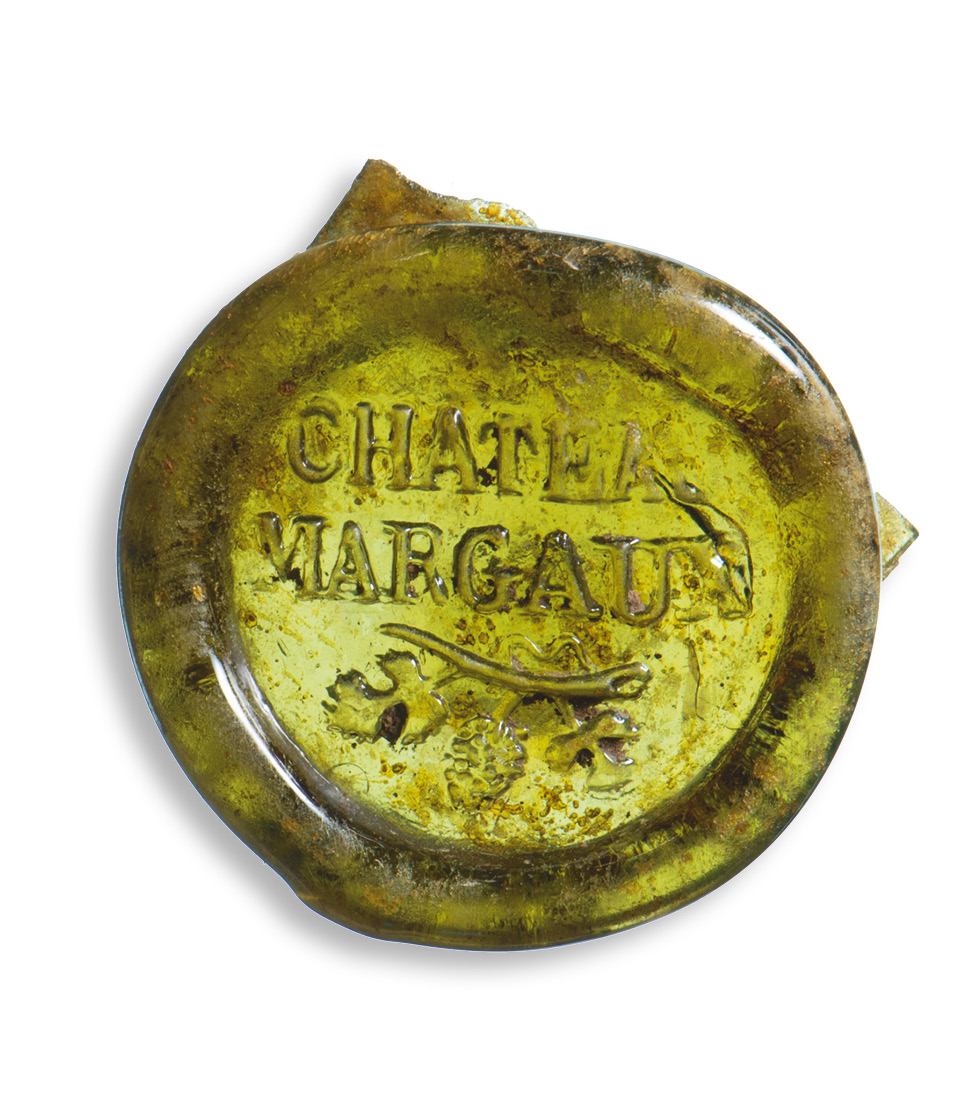
The project also uncovered the remains of the almshouses which the Gibsons had founded to provide accommodation and a quarterly stipend for local poor people – particularly older widowed women and their unmarried female relatives, contemporary documents suggest. This was not the only insight into the area’s social history, however. In the 1700s and 1800s, this part of the City of London was known as ‘Sailor Town’ due to its links to shipbuilding and maritime trade. The neighbourhood had a contemporary reputation for being dangerous and overcrowded, but MOLA have found hints of living standards that contradict stereotypes of dismal deprivation. Some of the local community evidently had access to luxury goods, as indicated by fragments of expensive imported pottery and wine glasses, as well as a seal from a bottle of wine produced by Château Margaux, a particularly prestigious French vineyard.
Historical research has helped to shed light on some of the more enigmatic aspects of the excavated remains as well. During the investigations, MOLA uncovered a row of brick cellars heavily covered with soot, and the team have now established that this part of Wapping lies within the area of the Ratcliffe Fire of 1794. Although now mostly forgotten, this was the largest conflagration to affect London between the Great Fire of 1666 and the Blitz of 1940. It reportedly began in a barge yard, when an unattended kettle of pitch boiled over and set light to a vessel loaded with saltpetre, which exploded, sparking a blaze that destroyed more than 400 homes and warehouses in the area.
Life soon returned to the dockland district, however, and this revitalisation was reflected in the project’s finds. MOLA have uncovered the floor of a chapel that was built after the fire, as well as the foundations of terraced houses whose gardens contained wells, soakaways, and cesspits filled with rubbish including pottery and clay pipes. Bringing the story full circle, this later episode of the site’s life also produced relics of the cooper’s trade: some of the soakaways and pits were lined with old wooden casks.
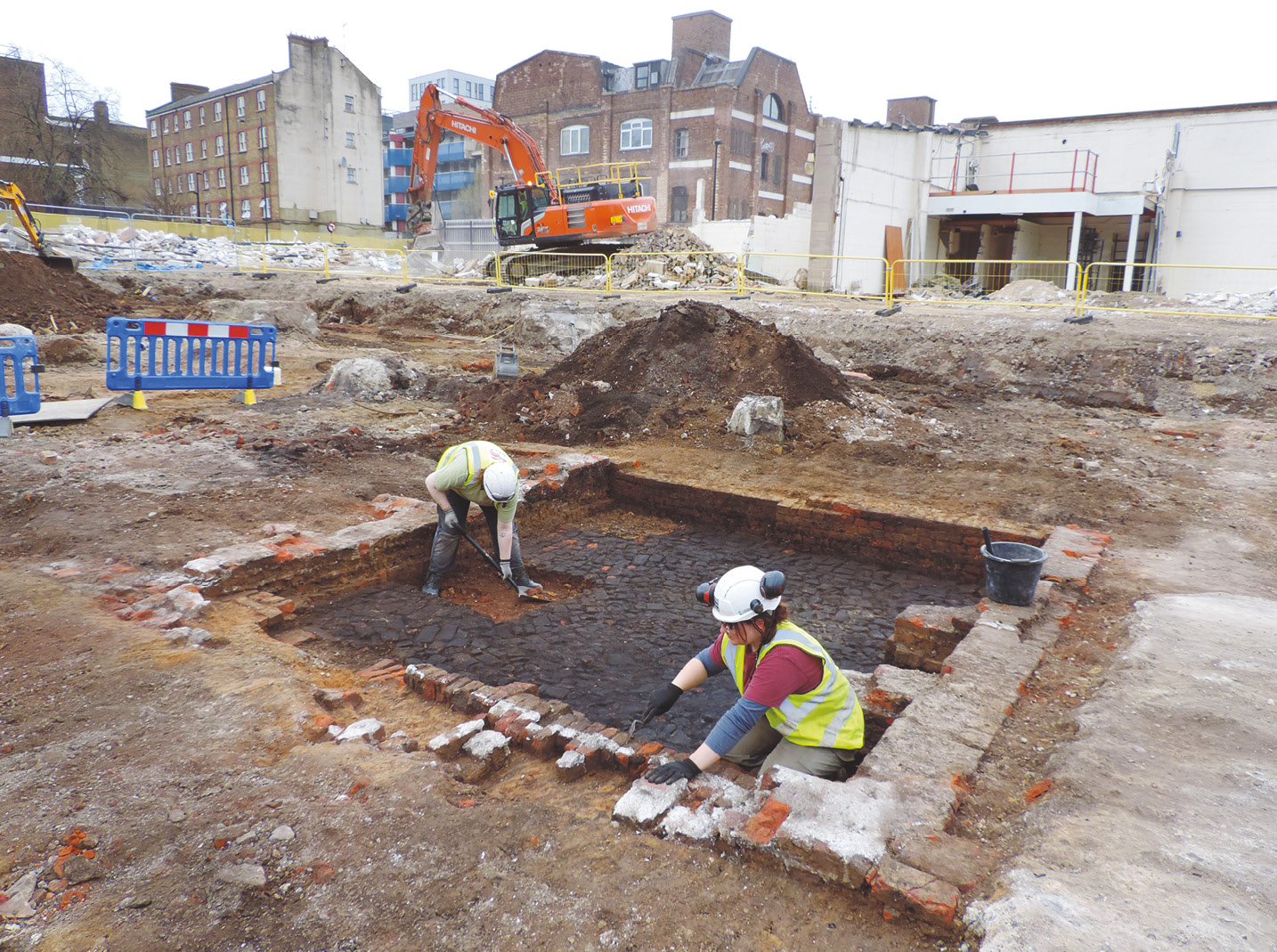
Further information: The excavations ran between September 2024 and May 2025, and post-excavation analysis is ongoing. MOLA are planning a series of monthly blog posts across the early part of this year to share further findings as they emerge. See http://www.mola.org.uk/discoveries/news/segro-dig-diary-1-school-and-alms-houses for the first entry in the Wapping ‘dig diary’.
All images: MOLA/Andy Chopping, unless otherwise stated