Subscribe now for full access and no adverts
The remains of a unique Neolithic ceremonial site have been uncovered in the province of Skåne, in southern Sweden.
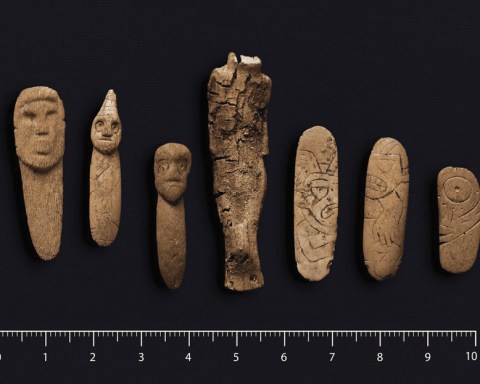
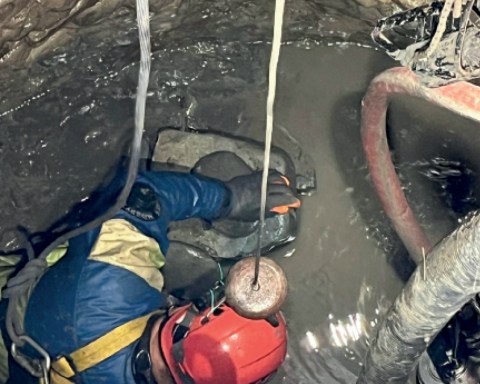
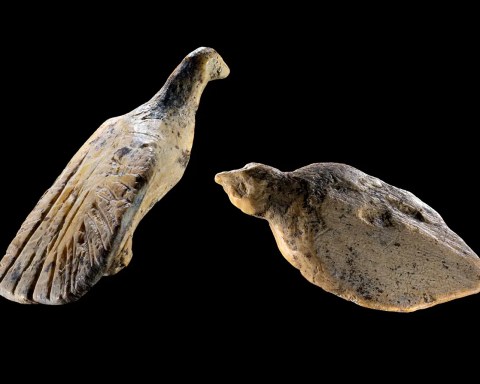
Investigations were carried out in 2024 in the village of Hammar, outside Kristianstad, by archaeologists from the country’s National Historical Museums in advance of construction work. Several thousand years ago, this area sat on the edge of a wetland, and excavations here have revealed a large quantity of finds associated with the Funnel Beaker Culture. These were deposited in the bog between c.3500 and 3200 BC. Much of this cultural layer has yet to be excavated, but it appears to represent depositional offerings associated with feasting and ritual activities. Discoveries so far include several complete ceramic vessels as well as numerous potsherds, flint scrapers and knives, worked bone and horn artefacts, and many animal and plant remains. Excavations have also revealed traces of a wooden structure extending out into the wetland, which may be a footbridge or jetty.
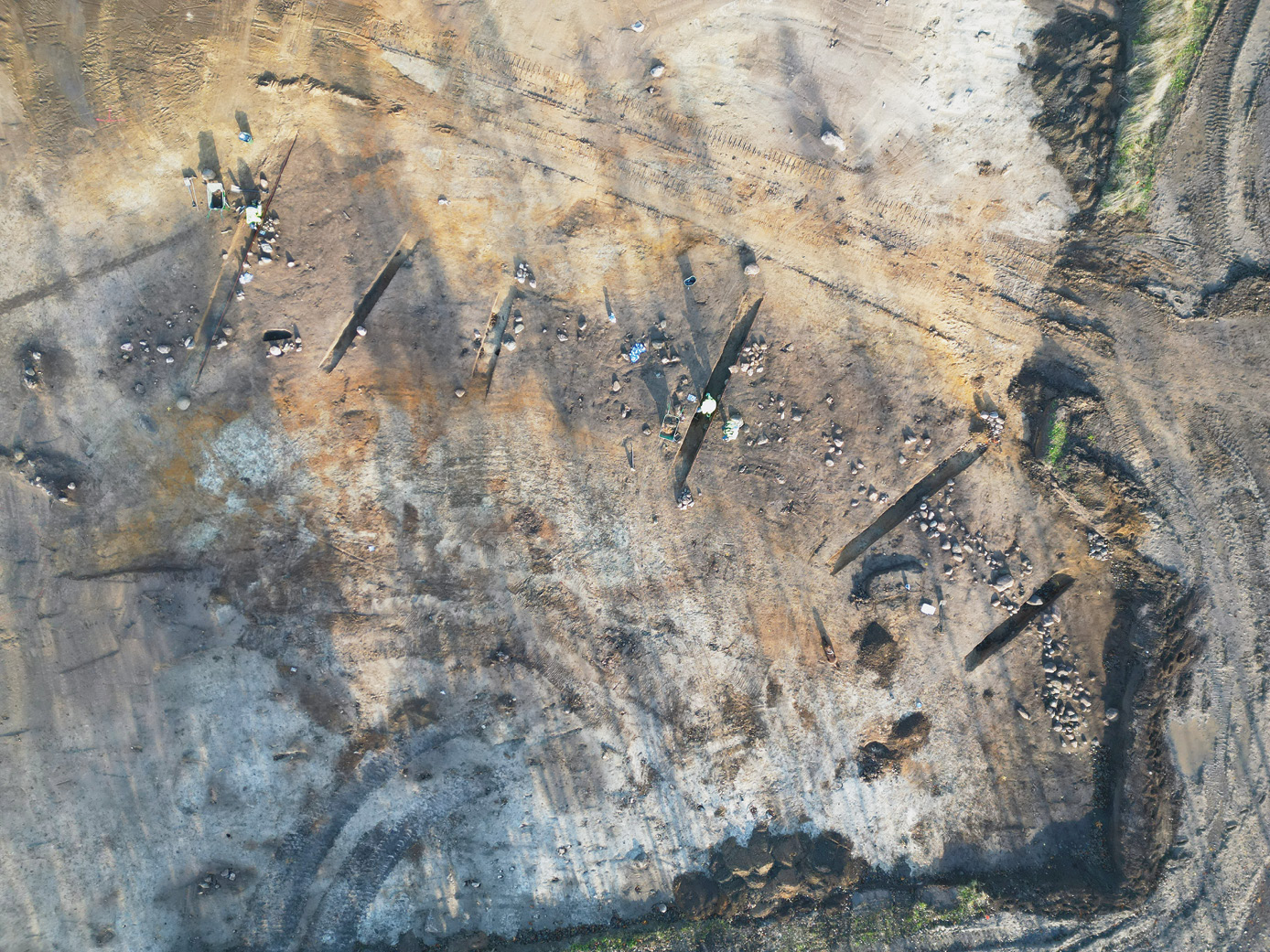
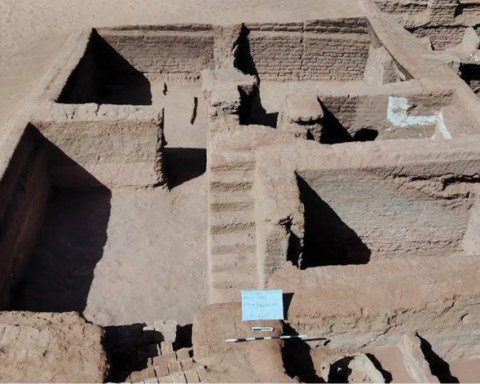
Just 50m from the edge of the bog, the archaeologists made a more unexpected discovery: the remains of a contemporary Neolithic causewayed enclosure – the first of its kind ever found in Sweden. The structure is about 50m in diameter and currently appears semi-circular, but Magnus Artursson, the project leader, believes that it may extend beyond the excavation area in a horse-shoe shape with an opening towards the shore of the wetland. The enclosure is delineated by a dry-stone wall, which was constructed on top of a row of elongated pits, up to 1.5m deep, arranged around the edge of the semi-circle. So far, six of these pits have been excavated, revealing intersecting features that indicate a multi-phase site that was in use over a span of some 300 years. All of the pits investigated to date contain various types of deposits and offerings, including Funnel Beaker vessels, worked flint, and animal bones.
It therefore seems that this site was a central place where people gathered for celebrations and ritual activities over several centuries in the Neolithic period, butchering and processing animals, feasting, carrying out craftwork, and making depositional offerings in both the bog and the pits surrounding the enclosure. The team has discovered two Late Neolithic (2300-1700 BC) inhumation burials on the edge of the wetland too, as well as substantial Roman Iron Age finds, indicating that the area was also a hub of activity in later periods.
The wider landscape surrounding this site is littered with prehistoric dolmens, passage tombs, and cairns; the latest discoveries in Hammar represent a valuable addition to our understanding of the area’s rich archaeology, and further contributes to the impression that north-eastern Skåne was a place of regional importance from the Neolithic period onwards. Only about 30% of the bog and the causewayed enclosure have been excavated so far, and the archaeologists are currently seeking additional funding in order to continue work at the site.

Text: Amy Brunskill / Images: SHM, Arkeologerna