Subscribe now for full access and no adverts
New Gaelic Language Plan for Historic Environment Scotland
Historic Environment Scotland (HES) has released its Gaelic Language Plan 2023-2026, which aims to help Gaelic speakers, learners, and those interested in Gaelic cultural heritage to connect with their local history. This initiative will build on the previous plan (2018-2023), which focused on educational outreach.
Catriona Morrison, Gaelic Language Policy Manager at HES, said: ‘Gaelic has played a vital part in defining and shaping Scotland’s unique history and heritage. We look forward to continuing to work with communities, organisations, and others to increase the opportunities to learn and use Gaelic and celebrate Gaelic language and culture, so it can be shared with current and new audiences. The new Gaelic Language Plan highlights our commitment to ensuring we continue to play our part in supporting Gaelic to thrive for generations to come.’

Searching for a lost church in York
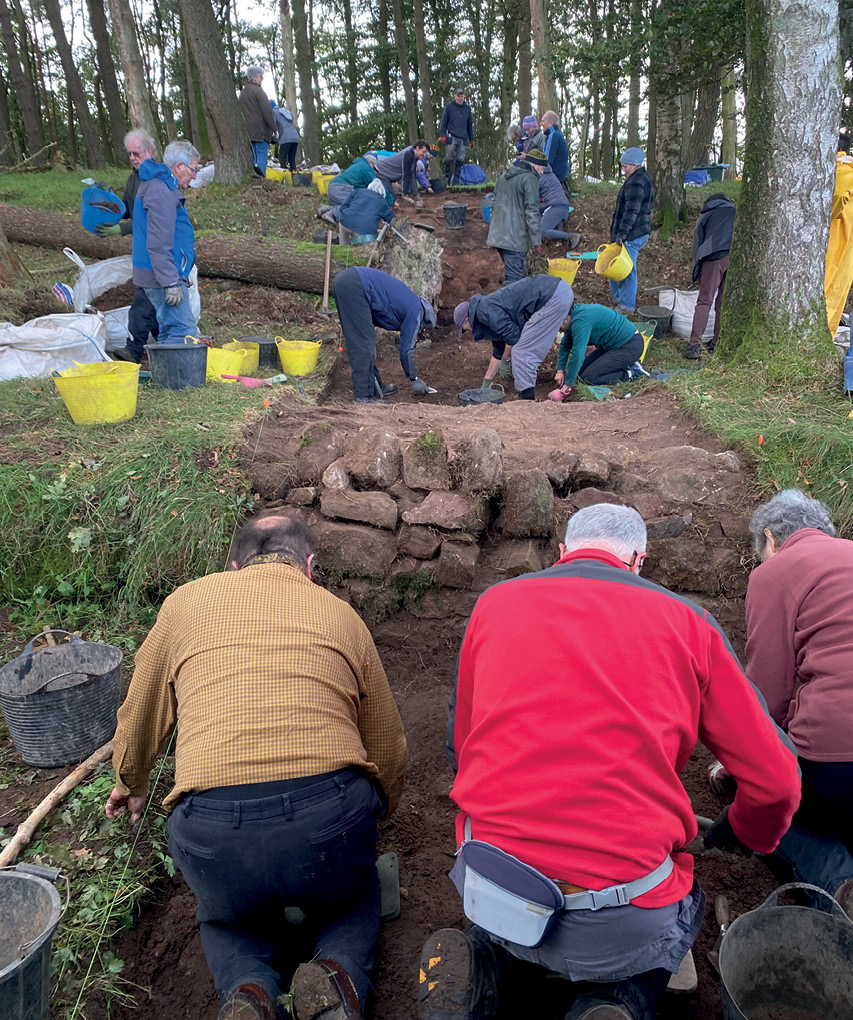
York Archaeology are hoping to find the location of the long-lost church, St Peter-in-the-Willows, through a community initiative. The church was first mentioned in historical records in 1279 and was demolished in 1549 – it is believed to be located near to the former Willow House care home, which has previously seen excavations carried out as part of York Archaeology’s Archaeology on Prescription project (see CA 402). The team now hope to expand their search into two neighbouring areas – Willow Green and School Green – during the upcoming spring and summer.
In addition to the lost church, an excavation in School Green could reveal finds from the former Hope Street British School, which was in use throughout the 19th century, while archaeological work at Willow Green could also provide evidence of Victorian Walmgate.
UK to recognise ‘Intangible Culture Heritage’
The UK government is set to ratify the 2003 UNESCO Convention for the Safeguarding of the Intangible Cultural Heritage, which will help protect local crafts, practices, and traditions such as pantomime, sea shanties, and ceilidh. A public consultation has now been launched during which communities across the UK will be able to nominate practices to be included in a new register of cultural heritage (see http://www.gov.uk/government/consultations/2003-unesco-convention-for-the-safeguarding-of-the-intangible-cultural-heritage for more information).
Text: Kathryn Krakowka