
Subscribe now for full access and no adverts
Submerged Neolithic, Bronze Age, and Iron Age settlements hold a crucial status among waterlogged archaeological sites. Their remains have been found in lakes and bogs, as well as occasionally along coasts, while the initial appearance of such dwellings can be tied to the emergence of agriculture in Eurasia, some 8,000 years ago. As is well known, the adoption of farming lifestyles marked a pivotal shift in human activity, giving rise to permanent settlements featuring durable wooden structures like houses, palisades, and pathways, alongside a greater variety and complexity of artefacts. While organic materials, such as wood, bark, fibres, seeds, fruits, and faunal remains rarely stand the test of time on dry land, they can endure perfectly preserved for millennia within water-saturated and oxygen-free sediments. When the remains of settlements are detected in such extraordinary conditions, they can provide profound insights into past environments, economies, and technologies.
The stage for such studies was set in the 1820s, when the first discoveries of ancient structures were made in Swiss lakes. It was in 1854, though, that the transformative moment occurred. Ferdinand Keller, an antiquarian in Zurich, coined the term Pfahlbauten, which in English and French corresponds to ‘pile dwellings’ or palafittes. Keller’s research drew inspiration from ethnographic illustrations of stilt houses in Papua New Guinea, a breakthrough that marked the birth of European settlement archaeology. Previously, the dominant focus of the discipline had been easy-to-discover burial mounds and the insights into the world of the dead that they disclosed. Now archaeology underwent a groundbreaking shift: for the first time, it could set its sights on the living and gain insights into the everyday routines of past societies. As early as the 19th century, important information about the economies sustaining past societies emerged. It was pioneering archaeobotanical discoveries from the pile dwellings, for example, that provided the first evidence for human cultivation of cereals, confirming that the origins of such settlements lay among agricultural societies. An absence that was keenly felt during this trailblazing era, though, was reliable dating methods capable of determining the true antiquity of the pile dwellings. The solution was to label them as simply ‘Celtic’, which mainly served as a means to underscore that they pre-dated the Roman period.
Over time, it has become clear that such sites, and the wooden structures, stratified layers, ceramics, tools, textiles, and sundry everyday items that they showcase, are remnants from the Neolithic and Bronze Age. Our current understanding is that lake dwellings in the southern Alpine region first emerged around 5200 BC, before spreading north of the Alps approximately a millennium later. The practice of building such settlements eventually died out around 800 BC, with the underlying reasons for this still unclear. The significance of these sites was recognised in 2011, when UNESCO granted World Heritage Site status to 111 significant examples in the Alps, out of a total of almost 1,000 sites in the area, which features a notable concentration in the northern region of the Alps. Contrary to initial beliefs, though, the distribution of the submerged remains of comparable settlements also extends into the broader Mediterranean region, challenging previous views about their restricted geographical spread. The idea that pile dwellings were exclusive to the Alpine region or represented a distinct ‘pile-dwelling’ civilisation has to be reconsidered.
Submerged settlements of the south
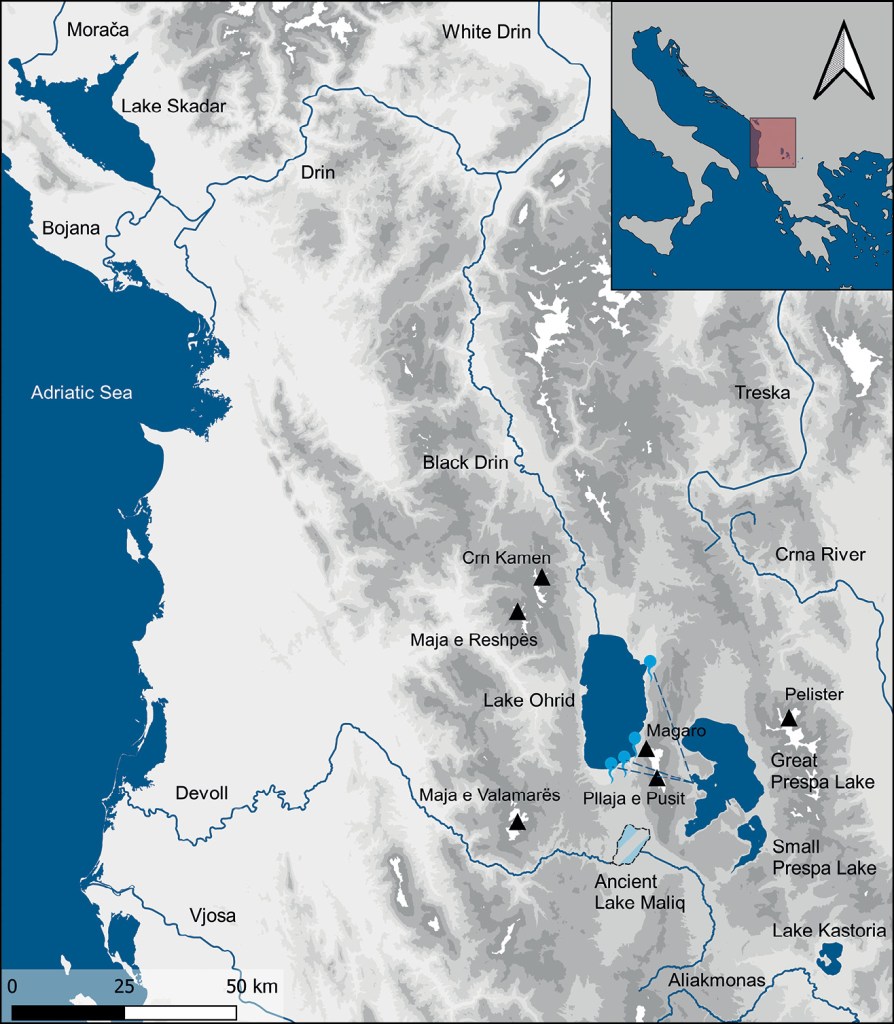
At present, work in southern Europe is focused on a mountainous region of lakes lying in the modern border area of Albania, Greece, and North Macedonia. This landscape is characterised by alternating mountain ridges and high plateaus – as well as the lakes – and forms the watershed between the Thermaic Gulf of the Aegean and the Adriatic Sea. It once played a pivotal role in the northward movement of agriculture into central Europe, as it marks the point where the expansion route of this transformative economic system split into two: one route followed the Danube, east of the Alpine arc, while the other traversed the Mediterranean and continued via the Rhône, west of the Alps. As the lake region lies around 700m above sea level, it is distinguished from the coastal Mediterranean by significantly lower temperatures and higher precipitation in winter. This variation presents an enigma: why did early farmers chose to settle there, given that the conditions were rather more challenging than the gentler coastal climate of the Aegean and the Adriatic? It seems reasonable to infer that the answer lies in this hinterland lake region providing distinct advantages that outweighed the environmental challenges.
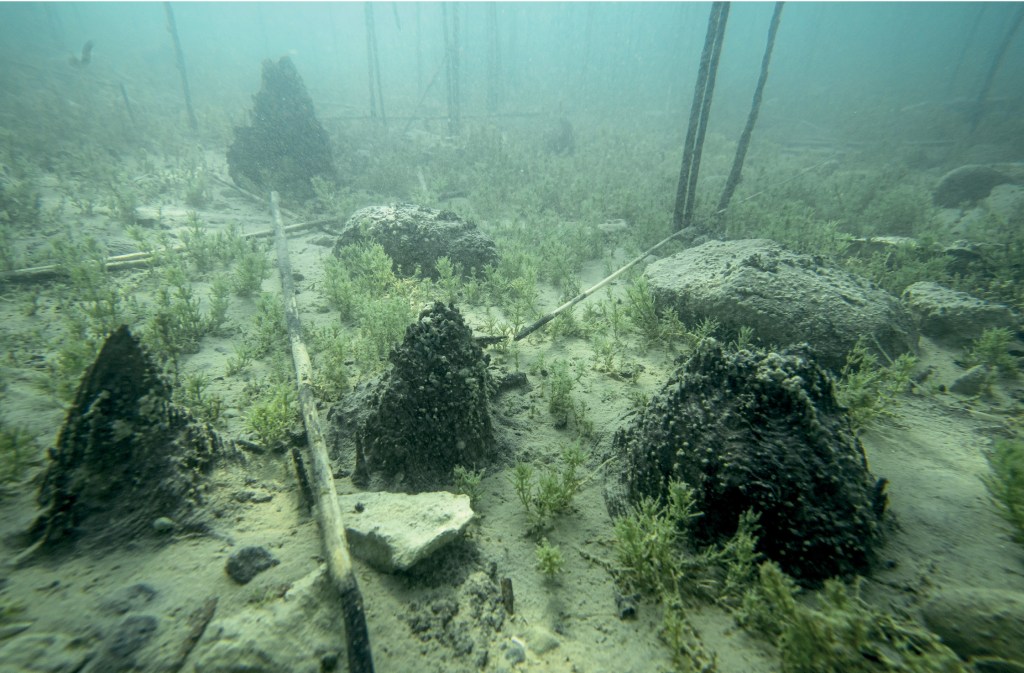
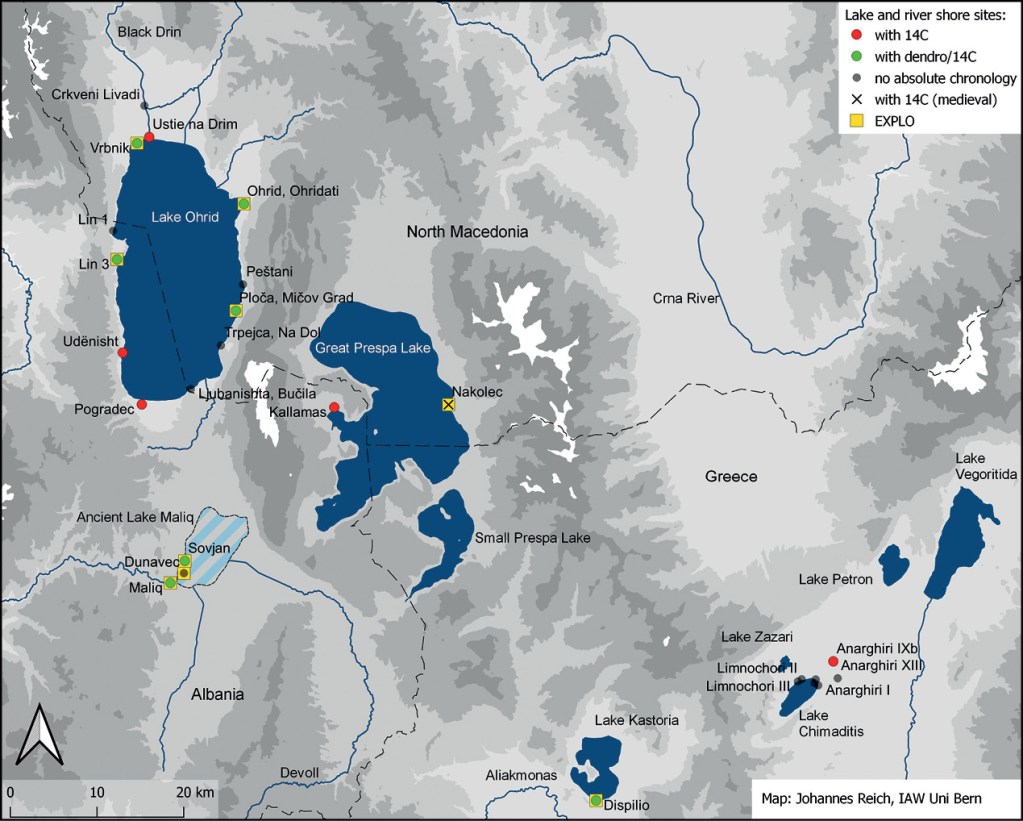
At first, the evidence for submerged prehistoric settlements in this area emerged gradually. Early references can even be found in ethnographic reports surviving from antiquity, with Herodotus describing pile-dwelling settlements in Lake Prasias (modern-day Lake Dojran, in the North Macedonian–Greek border region) in his Histories of the 5th century BC. It was only in the 1930s, though, that the first sightings of such a settlement were made at Lake Orestiada in Greece. This led to the discovery of the Dispilio site, near modern Kastoria, which underwent extensive investigation from 1992 onwards. Another discovery followed in the 2010s, when rescue excavations prompted by lignite mining at a site known as Anarghiri IXb, near Florina in northern Greece, produced important results.
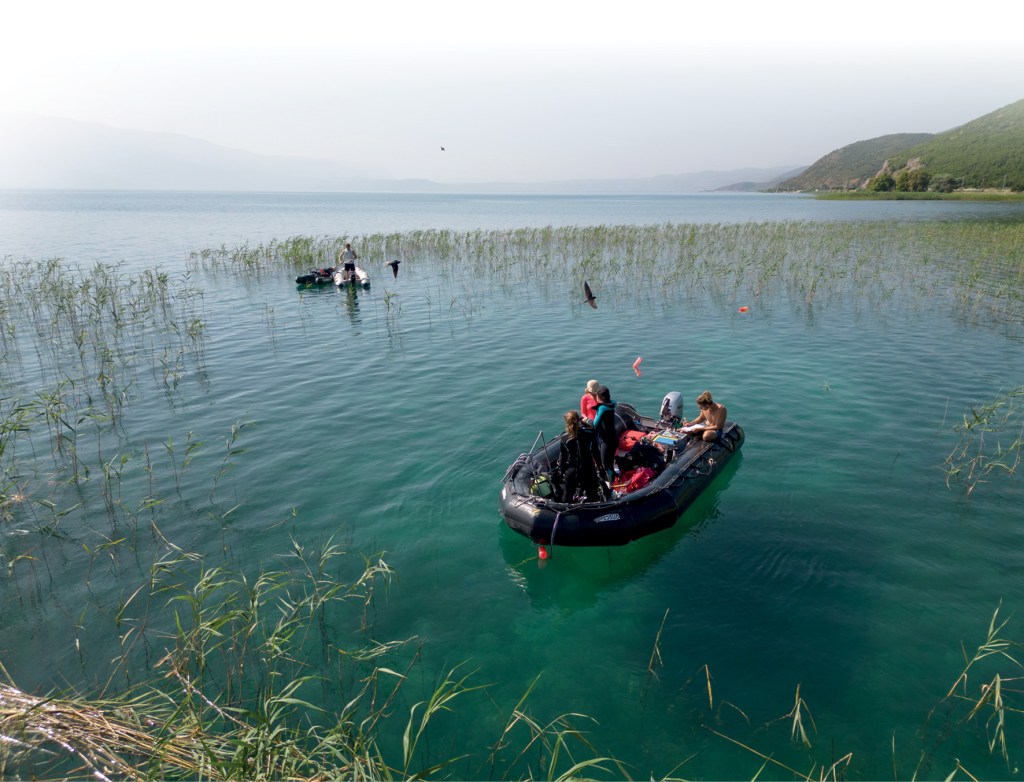
In Albania, pile-dwelling settlements had been discovered during the 1960s at Lake Maliq in the Korçë Basin. On this occasion, the archaeology was detected during construction of a canal to drain the lake, with excavations following in the 1970s. North Macedonia’s first prehistoric submerged site was found in 1961 at Lake Ohrid, a vast body of water that spans approximately 350km². The ancient settlement lay at Struga, where the river Drin empties into the lake, but it was not alone – in 1995 and 1997, scuba divers located two more sites at Vrbnik and Ploča Mičov Grad. To these sites can be added a handful more that are known in the wider Mediterranean region: La Draga, in Spanish Catalonia; La Marmotta, in central Italy; and Zambratija, in Croatian Istria. Despite the existence of such sites, dating once again posed problems, and was dependent on typological approaches, rather than dendrochronological and palaeoecological studies. The result was a vague expectation that the sites would fall somewhere within the Bronze and Iron Ages, around 1200 to 800 BC.
Collaboration between researchers from Albania, Greece, North Macedonia, and Switzerland began in 2015 and evolved into a major project that received European Research Council (ERC) funding in 2019. The ongoing ERC Synergy Project ‘Exploring the dynamics and causes of prehistoric land-use change in the cradle of European farming (EXPLO)’, undertaken by the Universities of Bern, Oxford, and Thessaloniki, is delving into key questions concerning the interplay between past human lifestyles, land-use, and the broader environment. The project objectives include transferring the knowledge gained from it to the Balkan region, so that the countries involved can explore these complex and vulnerable waterlogged sites in the future. Our goal is to safeguard the remains of these ancient settlements, to ensure that they can be studied sustainably for generations to come.
Exploring prehistoric land-use change
As the modern world faces unprecedented environmental changes, contemporary societies can only benefit from examining how past human civilisations navigated the challenges posed by global transformations – an arena where culture intersects with the environment. The EXPLO project is adopting an innovative interdisciplinary approach to tackle this issue, by employing archaeological, biological, and dynamic modelling methods to explore fundamental questions concerning the intricate interplay between historical human lifestyles, land-use, and the broader environment. The submerged archaeological sites in the western Balkans (specifically the lakes region of Albania, Greece, and North Macedonia) provide an exceptional opportunity to recover and examine extensive archaeological records detailing societal and environmental shifts in the cradle of European farming. This is because the conditions in natural lake sediments and submerged prehistoric settlements preserve evidence that offers holistic insights into the fine detail of how past human activity influenced the wider environment. In particular, it promises fresh insights into the impact that the introduction of farming to the region approximately 8,000 years ago had on the environment, both initially and over time.

In pursuit of this aim, pioneering underwater archaeological research is helping to construct highly precise settlement chronologies using dendrochronology, radiocarbon dating, and Bayesian modelling. On-site excavation data are also being assessed alongside off-site ancient environmental information from the same lakes. Using these to create dynamic models provides an avenue to explore the vulnerability, resilience, tipping points, and thresholds of ancient farming economies.
Between the Aegean and the Adriatic
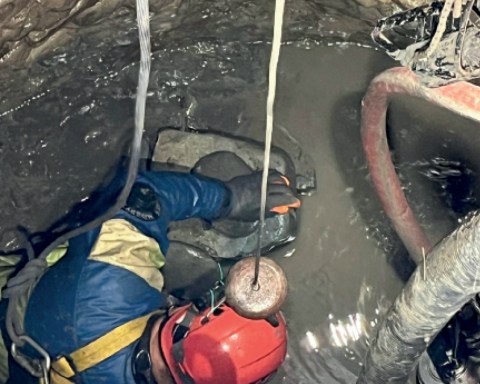
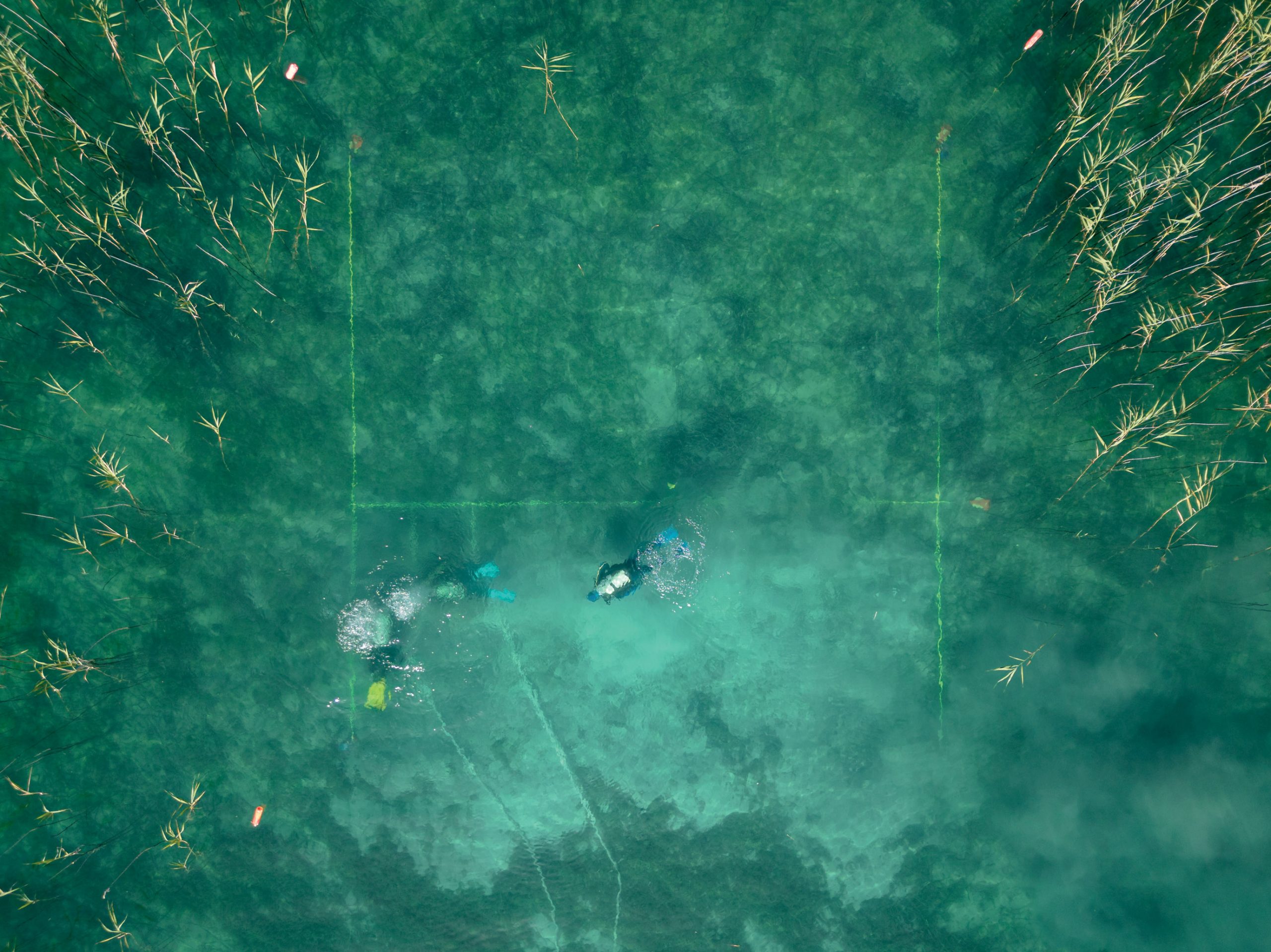
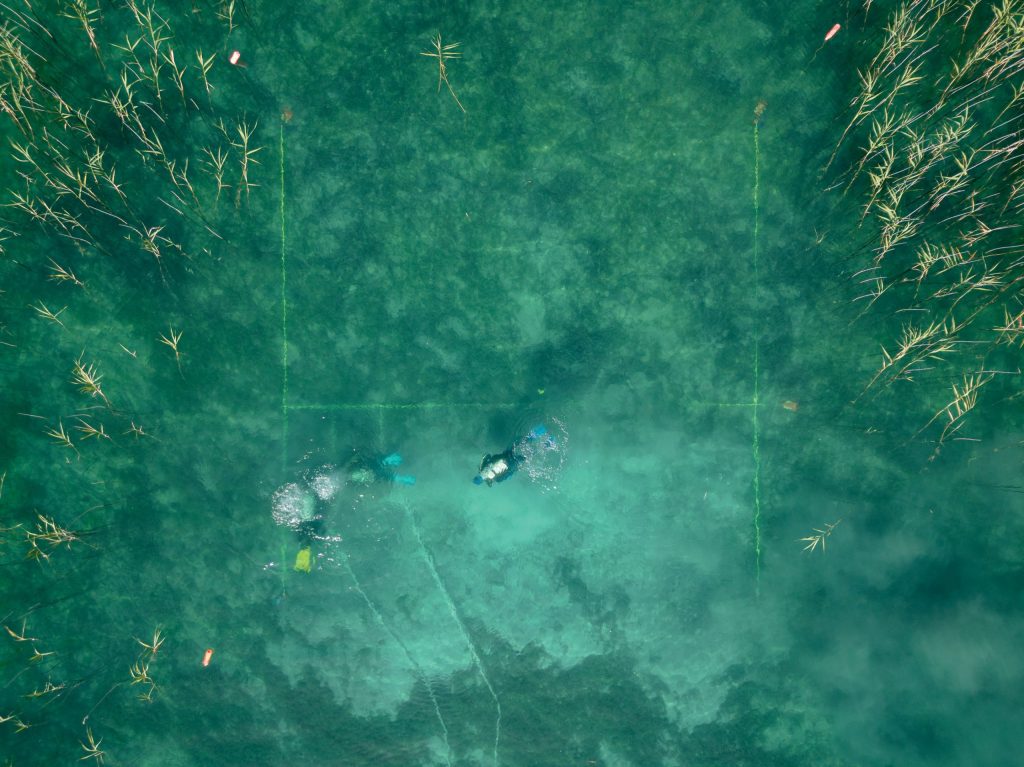
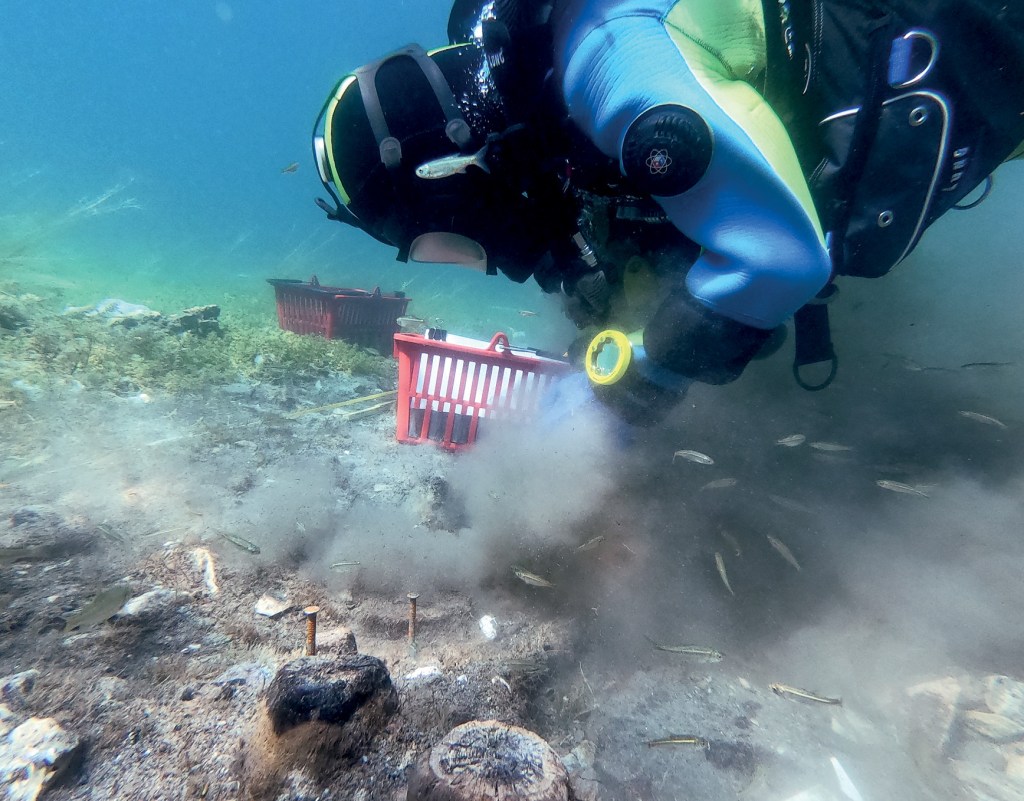
Since 2018, the University of Bern’s research group in the EXPLO project has been systematically investigating numerous prehistoric lakeside settlements in the western Balkans. These sites, previously overlooked by systematic archaeological excavations, are primarily concentrated around the vast Lake Ohrid in Albania and North Macedonia, as well as several smaller lakes in northern Greece. In the initial phases of the research, exploration of sites on Lake Ohrid predominantly occurred underwater. Divers were employed to investigate settlement areas located at depths of 2-4m in this expansive body of water, which bears a number of similarities to lakes in the Alpine region. At the same time, the 1960s discoveries along the shores of the former Lake Maliq in Albania suggested that preserved settlement remains might also be present on the inland shoreline.
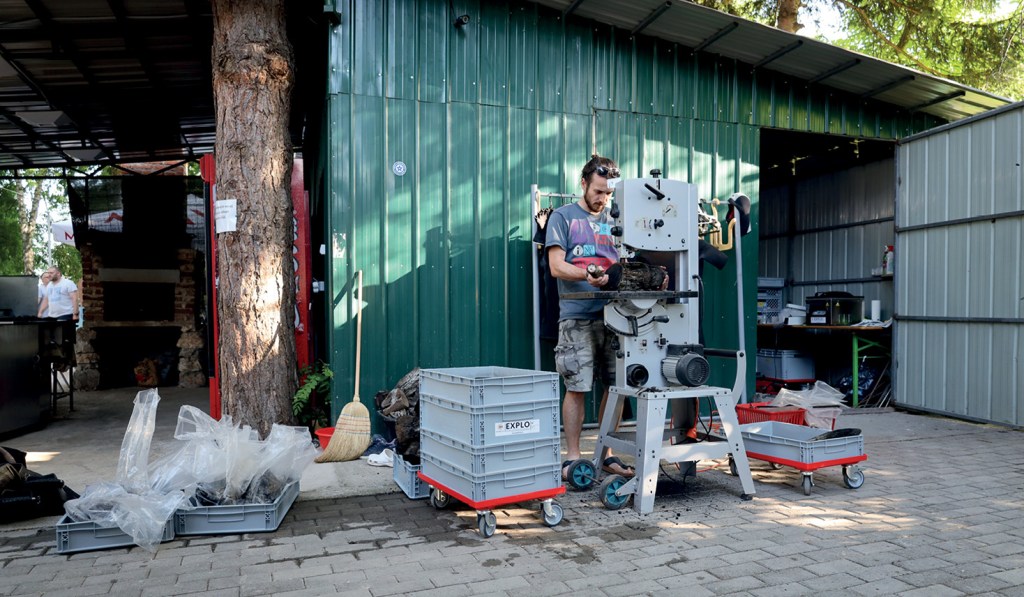
Introducing dendrochronological dating to this region presented a formidable challenge. Before this project, no comprehensive programme had attempted to combine underwater excavations with wood sampling and dendrochronology – even though this has been a well-established practice in the Alpine region for over 50 years. One reason for this is the existence of a continuous tree-ring calendar in the central Alps, which timbers recovered from archaeological contexts can be matched against to establish a felling date. As the summer warmth and harshness of winter vary from region to region, so too do the distinctive growth rings in the trees that make this possible, meaning that precise dating relies on the existence of a continuous tree-ring calendar for any given region. Such a calendar does not exist for the western Balkans. Instead, throughout the project, our team, in collaboration with local partners, successfully collected over 2,500 wood samples during archaeological excavations at submerged settlement sites in Albania, Greece, and North Macedonia. This extensive collection forms the basis for establishing numerous ‘floating’ dendrochronological chronologies that span the 6th to the 1st millennia BC. The term ‘floating’ is used because of the absence of a continuous calendar to which to anchor the samples. Instead, radiocarbon dates have been taken at various points within the sequence and refined using Bayesian modelling, a statistical method to enhance accuracy that is known as ‘wiggle-matching’. These techniques allow our ‘floating’ chronologies to achieve a precision of one to three decades.
A completely novel approach promises even greater precision by using the rare occurrence of intense solar storms to create ‘fixed’ chronologies. The greater levels of radiation ensuing from such events produces a spike in C14 values, which have been determined from precisely dated tree-rings discovered in the last few years (using tree-ring calendars that provide an unbroken run all of the way from today to 10,000 years into the past). Since these solar events had a global impact, it enables the determination of year-specific dendrochronological dates from archaeological samples without – as previously – relying on the existence of a regional calendar.
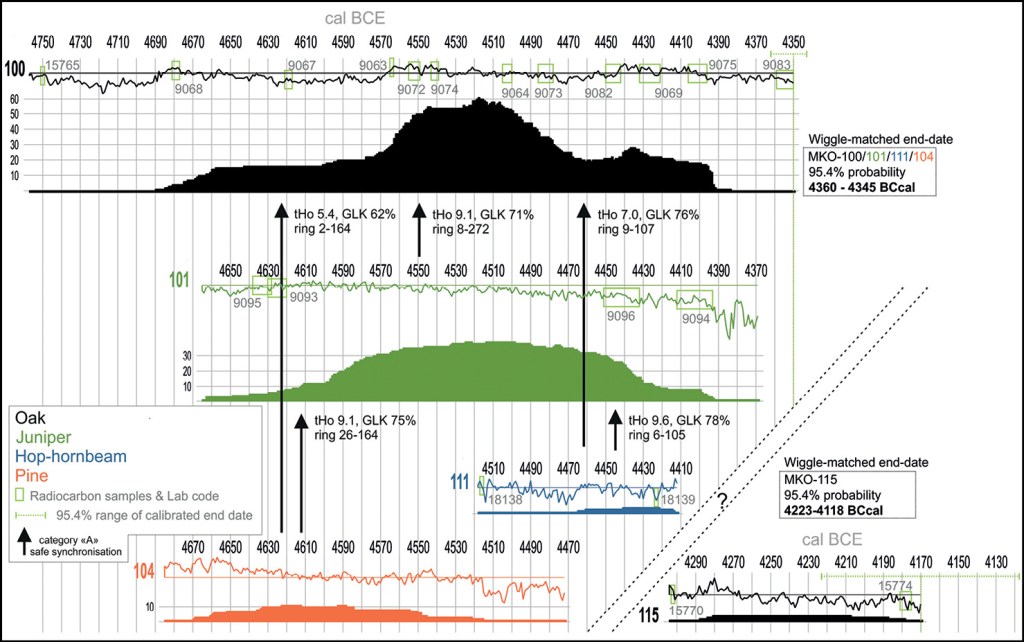
Image: figure and dendrochronology: Matthias Bolliger, University of Bern, EXPLO project
The dendrochronology team at the University of Bern has already produced robust results at three sites: Ploča Mičov Grad in Lake Ohrid, Sovjan in the former Lake Maliq, and Dispilio in Lake Orestiada. The EXPLO project has also accumulated more than 400 new radiocarbon dates for the region. Ongoing investigations will be continually published, with the overarching goal of consolidating individual site chronologies into a comprehensive regional master curve for dendrochronological dating. A master curve represents a comprehensive timeline that spans thousands of years, starting from the present day and extending into the distant past. In contrast, most of our individual site chronologies exist as ‘floating’ records, as explained above. While master chronologies boast annual precision, individual site chronologies typically offer a resolution at the level of a decade or so. As well as helping to refine regional dating, our work is also shedding valuable new light on individual sites.
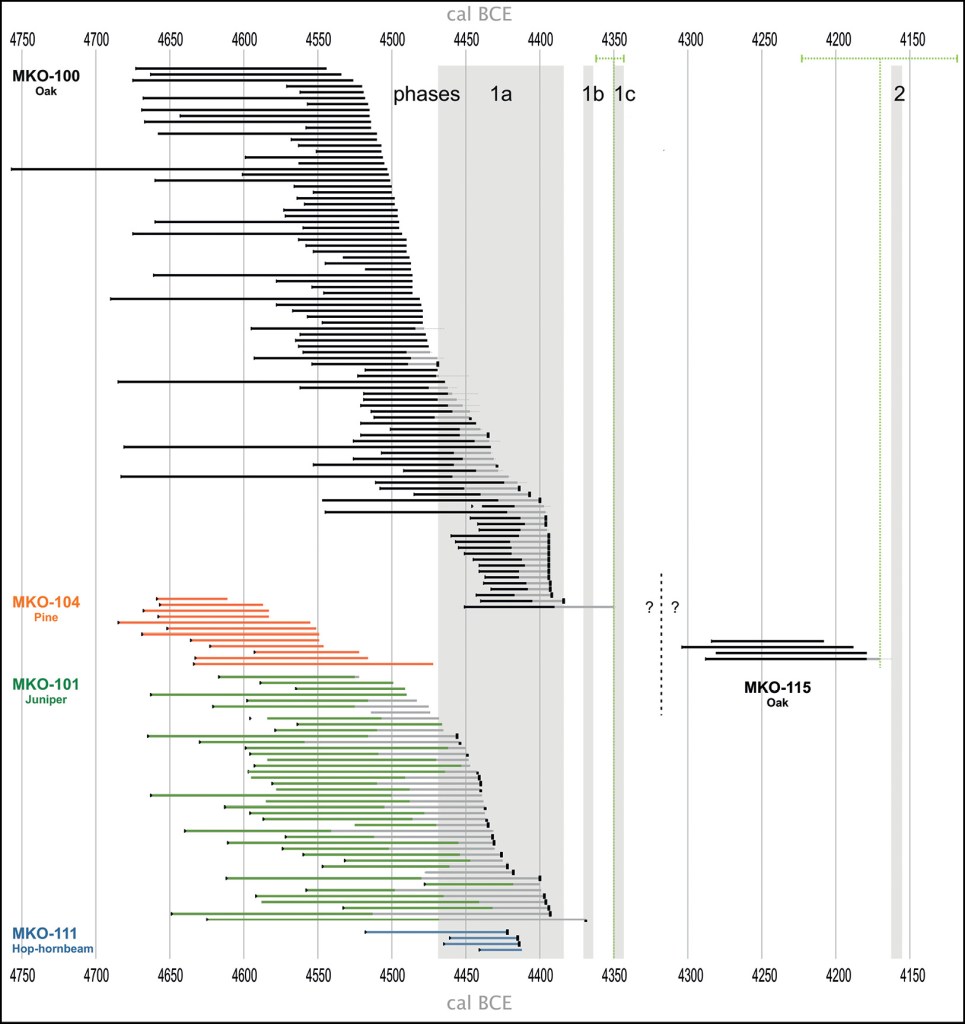
Ploča Mičov Grad, Lake Ohrid
At the prehistoric site of Ploča Mičov Grad, situated on the eastern shore of Lake Ohrid, systematic underwater excavation in 2018-2019 covering an area of 90m² unveiled a total of 799 wooden elements, all forming vertical building components. Most of them are piles crafted from round wood with diameters reaching almost 40cm. Extensive dendrochronological analysis resulted in the construction of numerous tree-ring chronologies for various species. This demonstrated high interspecies agreements in dating among oak, pine, juniper, ash, and hop-hornbeam. The findings also point to an intense settlement phase during the middle of the 5th millennium BC, with subsequent occupation following towards the end of the 5th millennium BC, and then in the 2nd millennium around 1800, 1400, and 1300 BC. Comparing the precise, relative dates when the different trees were felled offers initial insights, too, into the minimum duration of the settlement phases, which range from 17 to 87 years. When it comes to understanding the true length of occupation at the site, radiocarbon dates from material in drill core samples suggest that settlement commenced at Ploča Mičov Grad around 1,000 years earlier, with human activity making a mark on the wider environment from the middle of the 6th millennium BC.
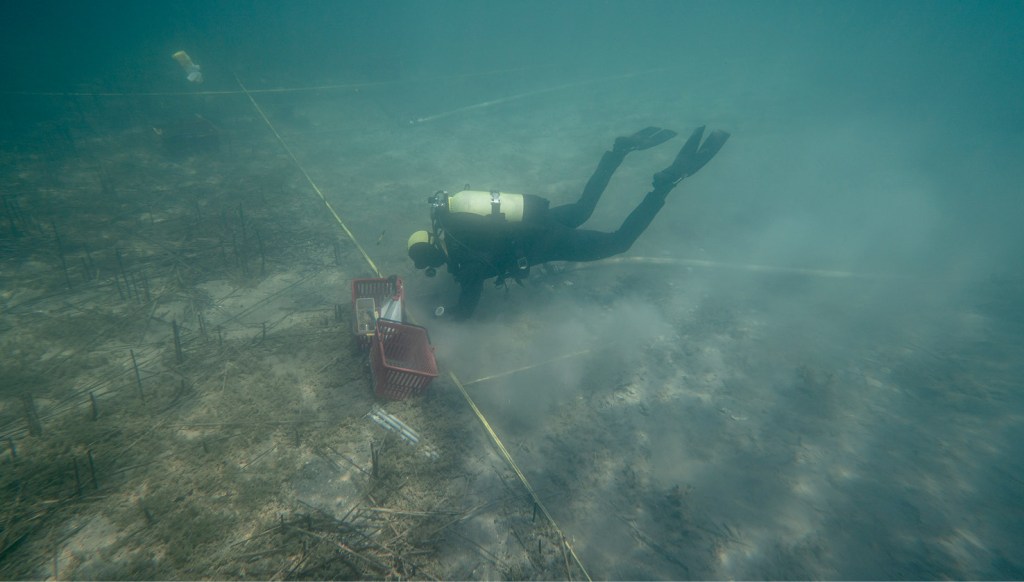
Sovjan, Korçë Basin
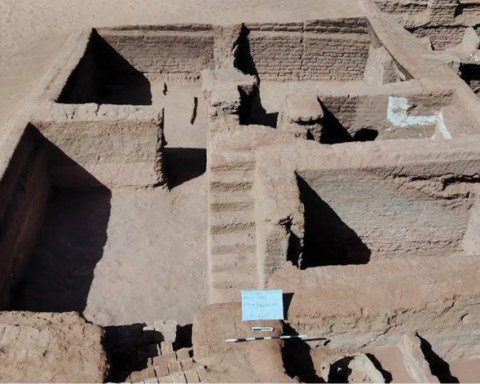
The archaeological site of Sovjan, situated on the edge of the Korçë Basin in south-eastern Albania, holds significant archaeological importance because of its extensive and well-explored stratigraphic sequence, which runs from the Neolithic to the Iron Age. Sovjan lay along the former shore of Lake Maliq and has experienced continuous wetland conditions, resulting in uniquely well-preserved organic materials. Among Early Bronze Age sites in the Balkans, the phase at Sovjan known as ‘Level 8’ stands out for holding the best-preserved wooden material. Through a meticulous combination of dendrochronology and Bayesian modelling, including wiggle-matching, a floating 269-year-long tree-ring chronology was constructed, with an absolute end-date range falling between 2158 calBC and 2142 calBC. This chronology revealed the contemporaneity of dwellings and an associated trackway. For the first time, the Early Bronze Age layers of Sovjan offer a crucial chronological reference point for the 3rd millennium in the south-western Balkans.
Dispilio, Lake Orestiada
It was here that a pivotal breakthrough was made with the introduction of radiocarbon dating of solar storms, also known as Miyake events, to establish a chronology for the Neolithic settlement phases. In this regard, the dating of a 303-year juniper tree-ring sequence marks a significant milestone. This allowed a precise terminal year of 5140 BC to be established, thanks to the recently discovered Miyake event of 5259 BC. Dispilio, as a key Neolithic settlement in the wider Aegean region, now stands out as the first site of this era in the entire Mediterranean area to have an absolute calendar date. This ability to establish a highly accurate, year-by-year chronology is now poised to enhance significantly our understanding of the processes leading to the formation of early agrarian societies across the entire south-eastern European region.
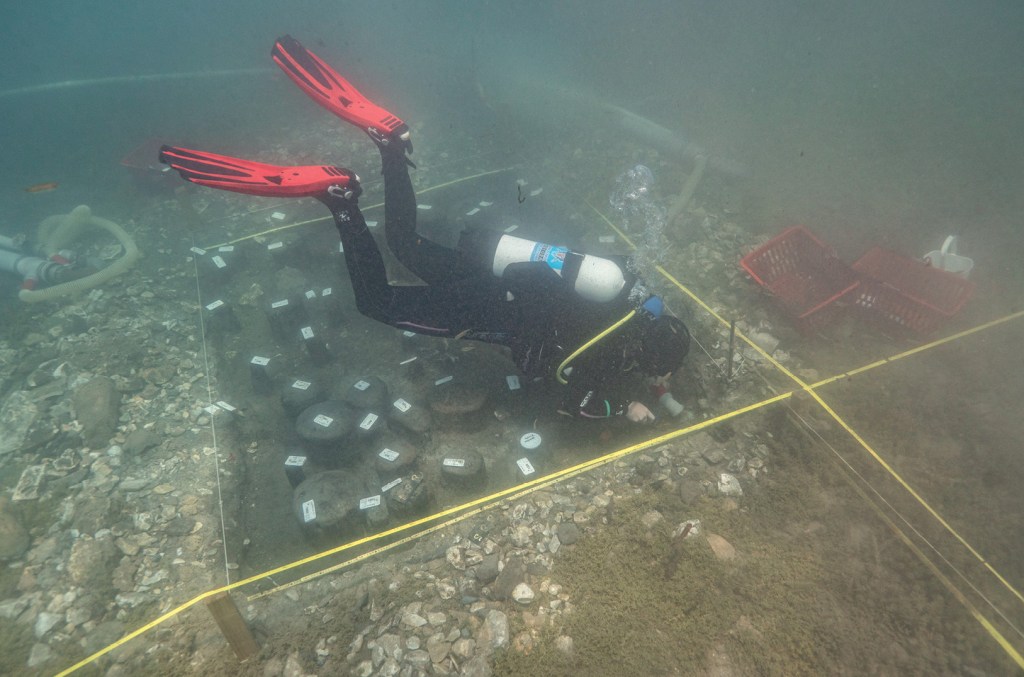
Securing timelines
The research undertaken by the EXPLO project is still in its early stages and – when compared to the extensive investigations spanning nearly 200 years in the Alpine region – can be considered an exploratory pilot study. This ongoing research does, though, once again underscore the optimal conditions that waterlogged sites provide for the study of prehistoric human activity. Such preservation is poised to unveil an entirely new archaeological landscape. The data and samples that the EXPLO project has collected is helping to clarify the land-use practices and economy of early European farming communities, promising new insights into the spread of agriculture towards the centre of the continent. Our work has also reaffirmed the importance of establishing a solid chronological foundation for archaeological research. Rather than the initially expected range of 1200-800 BC, our ongoing investigations have revealed that several sites in Albania, Greece, and North Macedonia date back to the 6th millennium BC, with the tradition of living in such settlements coming to a close around 500 BC. The oldest radiocarbon dates come from the site of Lin 3 in Lake Ohrid, Albania, which reaches back to around 6000 BC. When considered alongside findings pointing to a comparable antiquity at various other sites, these results indicate that the lake shores in this Balkan region were settled as early as the 6th millennium BC.
These early settlements feature novel habitation layouts and defence structures, possibly revealing how the earliest European farmers adapted their lifestyles to living in a watery environment. On the strength of current knowledge, the sites in Albania, Greece, and North Macedonia can now be considered the oldest pile-dwelling sites in Europe, raising the intriguing possibility that the concept of pile dwellings originated here and later spread to the Alpine region. Alternatively, it might simply be that this solution to settling beside bodies of water occurred independently in numerous different regions. While living in such locations placed the inhabitants at risk from rising water levels, they also offered strategic defensive positions. Additionally, the ability to travel quickly using dugout canoes provided an advantage when communicating with neighbouring communities. What is certain, though, is that beneath these waters lies one of Europe’s most valuable archaeological treasures.
FURTHER INFORMATION
The EXPLO project proposes a novel interdisciplinary approach to investigate key questions regarding the interaction between past human ways of life, land-use, and the wider environment through a unique combination of archaeological, biological, and dynamic mathematical modelling approaches. More details can be found at www.exploproject.org.
This project was financially supported by the European Union’s Horizon 2020 research and innovation programme under the grant agreement No 810586 (project EXPLO).