Subscribe now for full access and no adverts
Archaeology needs a better elevator pitch. Our work provides vital deep-time perspectives on some of the problems that threaten planetary health, yet we seem increasingly vulnerable within a cultural sector that has already faced significant cuts over recent years. Between 2010 and 2023, for example, grant funding for arts and cultural organisations in the UK fell by 18%. Over the same period, local government funding of culture and related services fell by 48% in England, 40% in Wales, and 29% in Scotland, while cultural funding per person fell by 50% in England, by 36% in Wales, and by 33% in Scotland. The UK now has one of the lowest levels of government spending on culture in Europe, leading to the erosion of cultural infrastructure, stifled creativity, and diminished social and economic benefits.
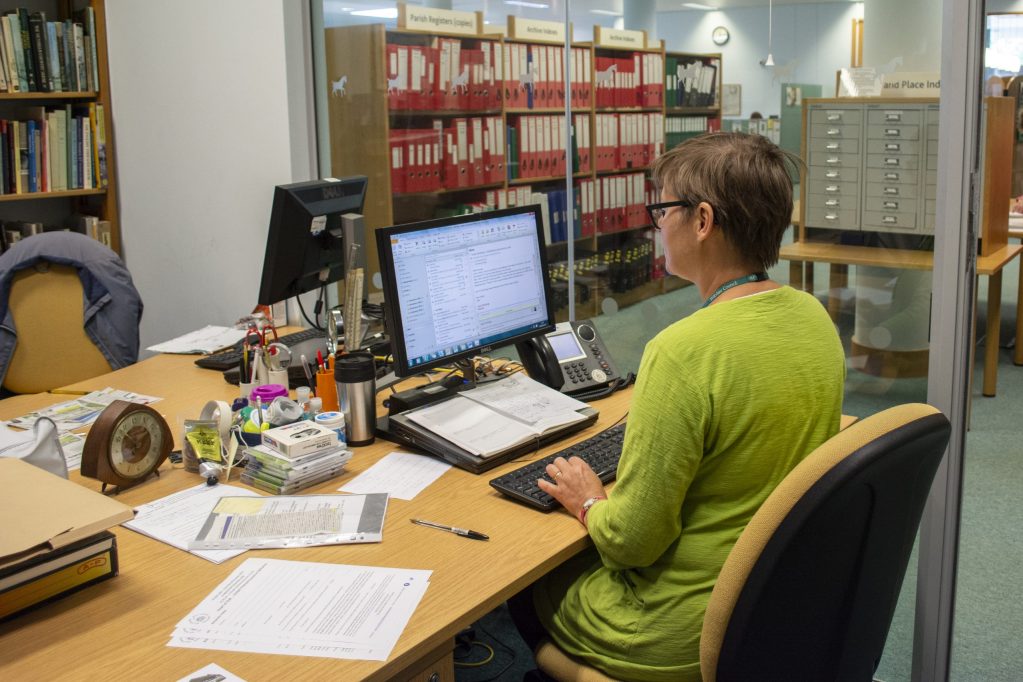
To give a specific and archaeological example, Historic Environment Records (HERs) held by local authorities in the UK provide a vital resource for conservation advice, fieldwork, and research into archaeological sites. HERs inform agri-environmental schemes and climate mitigation measures, both of which are set to become more important in coming decades. Using the information contained in an HER can also support public understanding and enjoyment of the local historic environment. These vital services are among those impacted by cuts. An annual survey in 2023 revealed that roughly a third of HERs have fewer than 0.5 FTE (full-time equivalent) HER staff, including some that have none; and two-thirds of HERs who responded to the survey said that current staff provision was not adequate to provide their services.

Yet, in spite of these cuts to cultural services, it is a good time for UK graduates and apprentices to enter field archaeology, heritage planning, and consultancy; a situation that – according to Andrea Bradley’s 2024 report for Historic England into projected future demands for development-led excavations – is expected to improve further over the next ten years, assuming no major changes in policy.
The suggestion is, therefore, that the current figure of 7,000 archaeologists working in the UK (from the 2019-2020 ‘Profiling the Profession’ survey) will continue to rise, at least in the categories mentioned above. This could mean that we do not have enough graduates and apprentices to meet demand. The UK is not alone in experiencing a skills shortage in field archaeology: a colleague who runs a heritage consultancy in Australia recently wrote to me, highlighting that there, too, universities are cutting back on academic positions and vacant positions are not being filled, yet there are not enough qualified people to satisfy the heritage sector.
Heritage tourism represents another blossoming source of employment opportunities. According to another recent Historic England report, in 2023 international heritage-led tourists spent an estimated £12.5 billion in England alone, while an additional £11.4 billion was contributed by domestic day visits.
This all begs the question: why is archaeology not given the credit that most archaeologists believe it deserves? Why do some people, often budget-holders in positions of authority, see it as such an easy target? Why have some Archaeology departments closed or been threatened with closure in recent years? Perhaps it is because of persistent public perceptions of archaeology as something quirky and old-fashioned, a pastime that has no real benefit for most people in society. I suggest we need to rethink why we do archaeology, and for whom. And we need to address how we present this message to our many and diverse audiences, including those who may not either understand or support the work we do.

(Re)defining archaeology
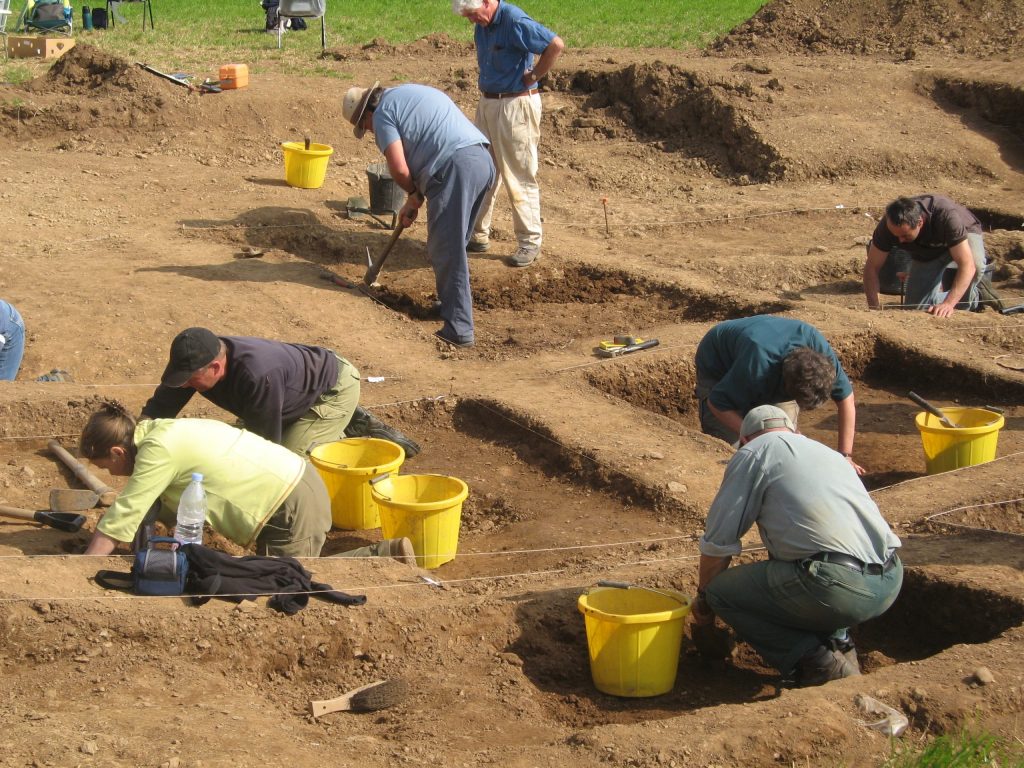
Archaeology provides a lens through which to question and explore the contemporary world. This contemporary world includes all of those places, objects, memories, traditions, and stories that have survived into the present from the past, while not forgetting that we continue to create all of these things ourselves today. Archaeology is not just about the past, therefore, but also (and especially) the present, and the future. It is also fundamentally about people.
Archaeology is the only subject that studies humans and their relationships with the world from the perspective of deep-time. When our world’s future is at stake, this perspective feels important, if not essential. In my new book, Wicked Problems for Archaeologists (see ‘Further reading’ below), I examine some of the creative ways that we can use archaeology to help directly address the global challenges that threaten both human and planetary health. I suggest that, in times of crisis, this should be archaeology’s main purpose – arguably, its sole purpose.
The ‘wicked problems’ of my book’s title are a product of the Cold War era, emerging in the late 1960s from research that explored how outcomes from the USA’s NASA-funded space programme could help resolve urban issues such as crime and poverty. The definition of wicked problems – as those that are ‘complex, intractable, open-ended, and unpredictable’ – captures both the scale of these challenges and the difficulties that they entail. We also now refer to ‘super-wicked problems’ which introduce the dimension of time (or, to be precise, the lack of time), stating that time is running out; that there is no central authority, or only a weak authority, to manage the problem; and that the same people causing the problem are required to help solve it.

Climate change and environmental pollution are both examples of super-wicked problems in which archaeologists have recently become involved – but can we help to address others, like social injustice, crime, and conflict? In my book, I suggest that the only realistic way to address wicked and super-wicked problems, and ultimately to make a difference, is by adopting a ‘small wins framework’. These ‘small wins’ (also referred to as ‘small gains’ and ‘nudges’) align well with what universities refer to as ‘impact’ which, for the purposes of the periodic UK Research Excellence Framework, is defined as ‘an effect on, change, or benefit to the economy, society, culture, public policy or services, health, the environment, or quality of life, beyond academia’. As the theorist Karl Weick writes, small wins represent ‘a series of concrete, complete outcomes of moderate importance [that] build a pattern that attracts allies and deters opponents.’ So, how do they apply to archaeology?
Environmental and social wins
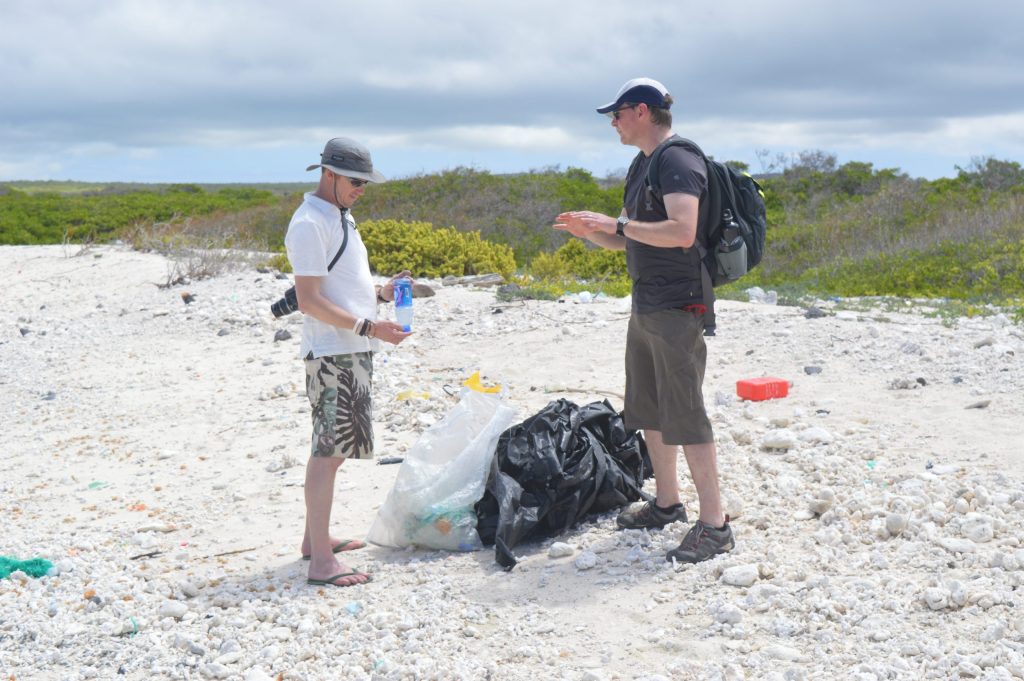
In fact, there are many successful examples of small wins within archaeology and heritage practice: moderately scaled projects operating sometimes with limited funding but with obvious benefits, including for their participants. Take, for example, studies focused on plastic pollution. Researchers across many different disciplines are trying to find ways to reduce its impacts on the environment and on human health – and these attempts to find a solution now include archaeologists. This should not be surprising. Plastics are human-made artefacts, just like stone tools or ceramics, and the study of modern rubbish, or ‘garbology’, has been part of our field since Bill Rathje’s pioneering work in the USA in the 1960s and 1970s.
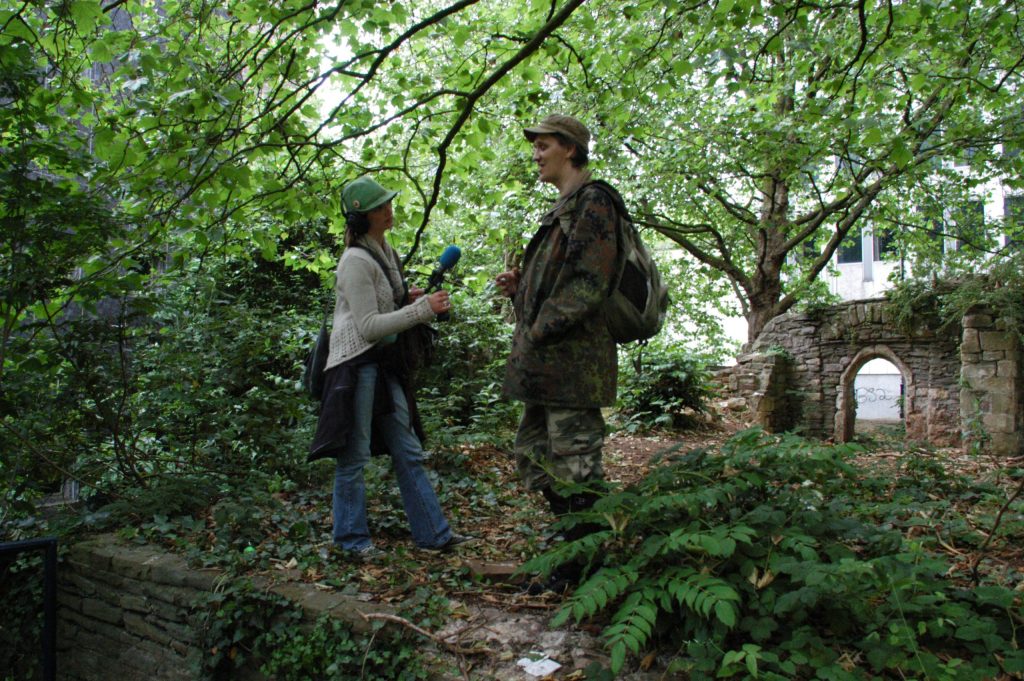
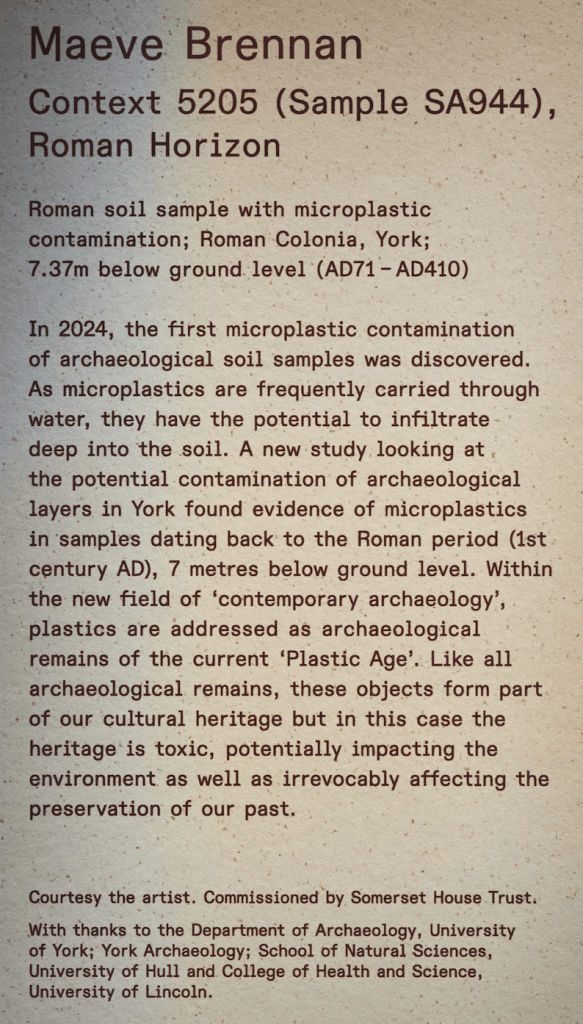
My own work in the UNESCO-listed Galapagos archipelago has helped to create a better understanding of where the plastics washing up there were coming from, while researchers from other disciplines examined their impacts on wildlife. Our methods will be familiar to all archaeologists: surface collection involving sampling, and then analysis by visual inspection, looking for traces on the objects that might reveal their source, or the journey that they had made from ‘tap’ to ‘sink’. The initiative was a collaborative effort with the London-based Galapagos Conservation Trust, and also involved local people, and especially young people, who were invited to become archaeologists for the day. As well as affecting living landscapes, though, pollution is impacting the historic environment, and another aspect of this project set out to investigate the impact of plastics on underlying archaeology. A study in York (which currently forms part of the SOIL exhibition at London’s Somerset House) has shown that even deeply buried and waterlogged Roman deposits are now impacted by microplastics (see CA 411).

In addition to contributing to environmental solutions, archaeological fieldwork can help boost human wellbeing. Here, significant small wins in archaeological and heritage-tourism work have involved working with homeless people. Some years ago, I worked with Rachael Kiddey on her project in Bristol, which she then developed into a PhD under my supervision, incorporating an additional study of homelessness in York. During this initiative (see http://www.homelessheritage.wordpress.com), homeless people investigated their own experiences of cities, and how those experiences manifested themselves as an archaeological record. A team of archaeologists and homeless volunteers also carried out a collaborative excavation at Turbo Island in Bristol, a location that has long been associated with rough sleepers.
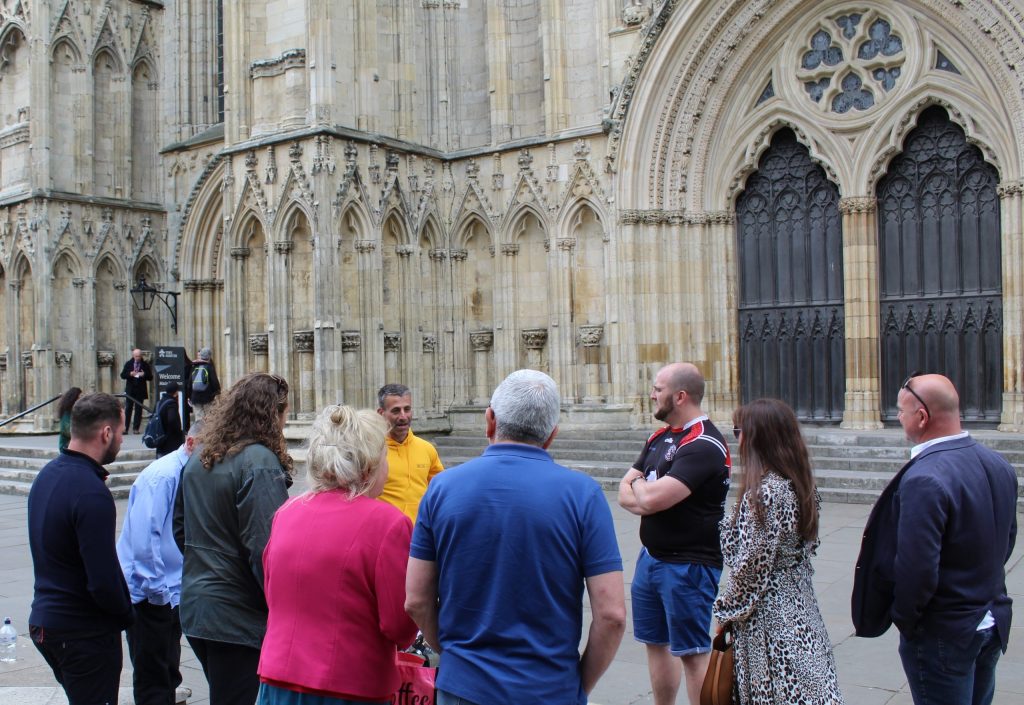
In Rachael’s book about the project (Homeless Heritage: Collaborative Social Archaeology as Therapeutic Practice), she described the many ways in which participants had benefited from this project, through physical exercise, developing team-working skills and trust, and building self-esteem and confidence, communication skills and, importantly, optimism. Other initiatives have also explored homelessness through a cultural heritage lens, among them the Good Organisation, which is currently leading work in York and elsewhere to find creative ways of supporting homeless people through heritage-tourism activities, including training people with lived experience of homelessness to become tour guides.
Fruitful fieldwork
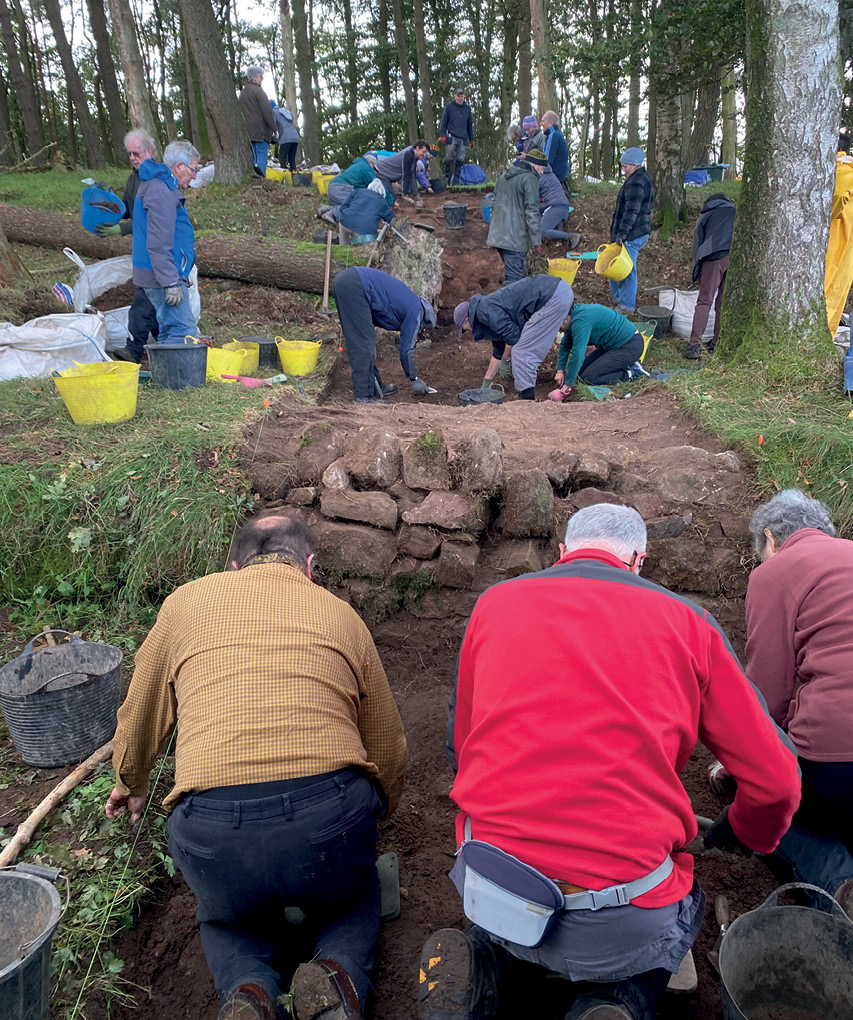
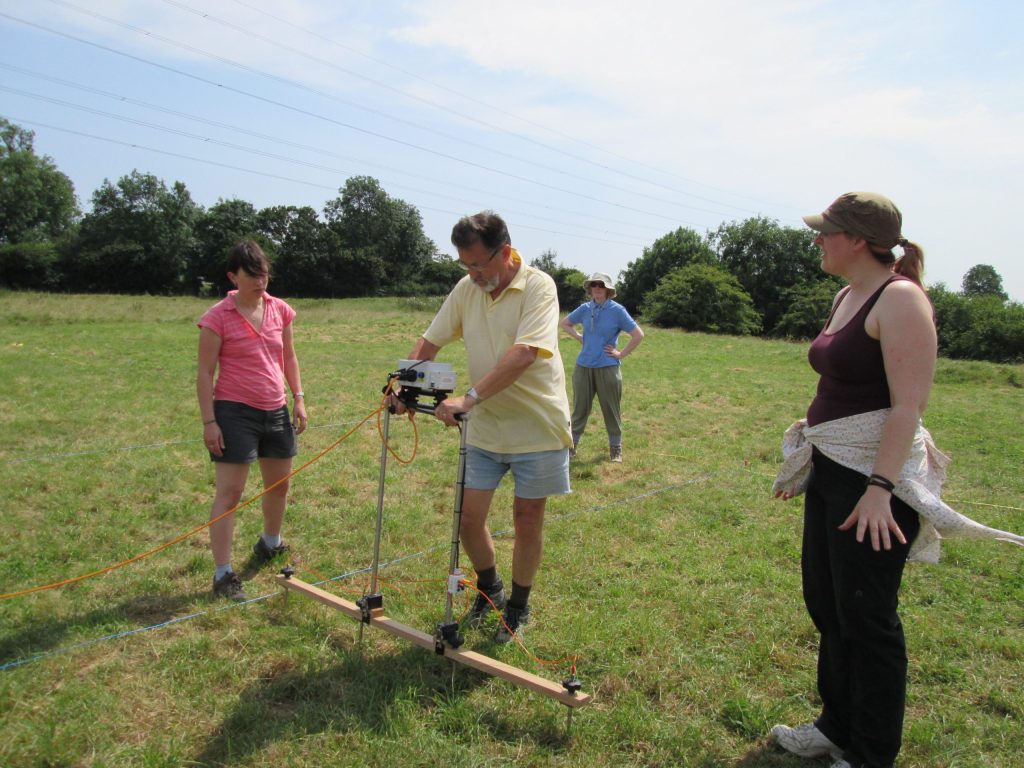
Such imaginative approaches are undoubtedly proving their worth – but we can create small wins, too, by just continuing to do what we do: field archaeology in the more traditional sense. At Villar-d’Arêne in the French Alps, for example, archaeologists on a European Research Council-funded project are investigating the creation and maintenance of terraces, to understand the history and resilience of these agricultural systems. Such insight is vital in a time of rapid climate change. Meanwhile, back in the UK, staff from the University of York advised and supported a community-led, National Heritage Lottery Fund-financed project to explore, record, and interpret the important but barely understood system of medieval and post-medieval earthworks at Torpel Manor, which lies close to Helpston village in Cambridgeshire, best-known as the home of the poet John Clare. Driven by the Helpston History and Archaeology Group and the Langdyke Countryside Trust, this work resulted in the construction of an onsite interpretation centre, the production of an audio tour and a children’s book, and the publication of a co-authored historical and archaeological volume on the site. As well as these material outputs, the project boosted awareness of the importance of the local landscape, and supported the community in monitoring any illegal metal-detecting activity, while communicating the earthworks’ significance to the many tourists who visit Helpston.
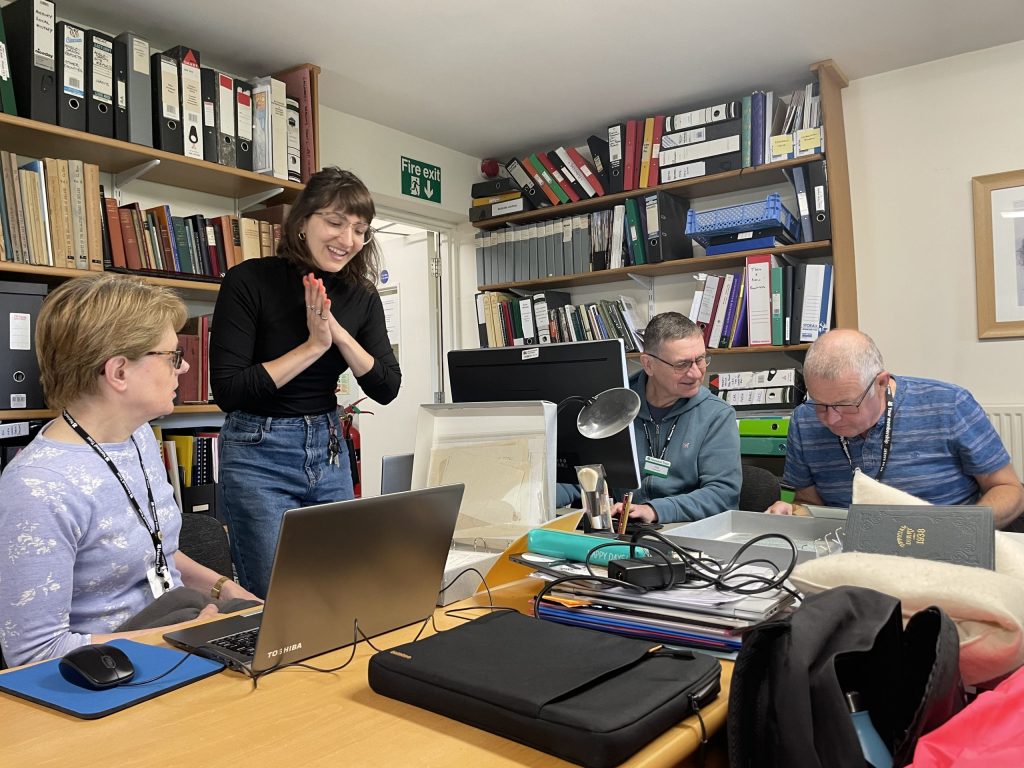
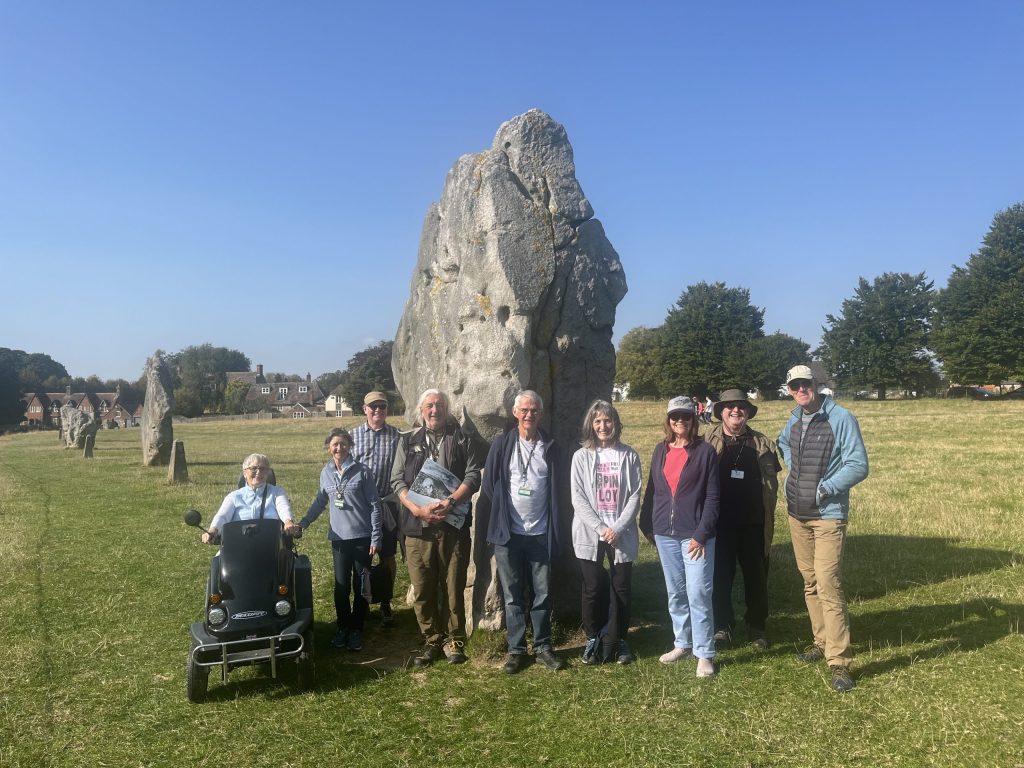
In similar vein, the Avebury Papers Project, also based in the Archaeology Department at York, has created a community of practice around the digitisation of the archaeological and historical archive at Avebury, where National Trust volunteers have been cataloguing and transcribing archive materials, researching historical figures mentioned in these sources, and giving public talks and tours. In both this and the Helpston project, local populations are being empowered, with the likely benefits of enhanced senses of community and identity, and improved happiness and wellbeing.
But even with small wins that successfully support communities on a local level, we need to be careful. Wicked problems are deeply entangled with one another, meaning that a solution to one problem may exacerbate other problems elsewhere. For example, we need to ensure that community projects do not exclude people who are most in need of support.
Archaeology needs influencers! Once small wins have been achieved, or a new method has been shown to be effective, as archaeologists we need to tell influential people about it, so that our museums and galleries, local services, and Archaeology departments are not threatened with cuts or closure by people who fail to understand the significance (or the potential) of the work that we do. For this conversation to happen, archaeologists need a voice, meaning spokespeople who are good at communicating and have access to data and projects that deserve to be talked about.
Preparing archaeologists for a wicked future
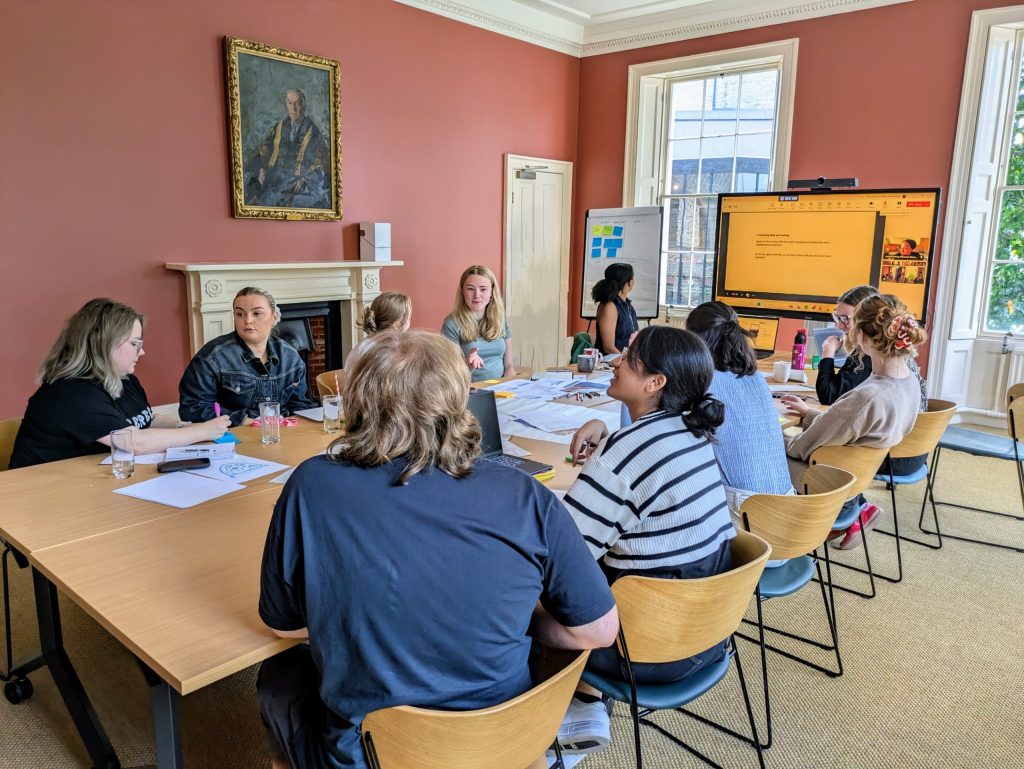
We need to think about how we manage people, resources, and priorities within our profession as well. Management-leadership scholar Keith Grint has explained how, across disciplines, academics need to be collaborative and passionate future leaders, inspiring an even more collaborative and passionate next generation. These, he thinks, are essential qualities for creating the structures conducive to successfully addressing wicked problems. We should also be looking to create (and teach our students to prepare for) some entirely new business models: for example, new board structures that provide opportunities for younger people to exert influence. Often advisory boards and boards of trustees are composed of older, more seasoned people, while younger individuals are viewed as idealists lacking real-world experience. But, for a world of wicked problems, we need to be bold and much more creative. The old ways have not worked, so we need to try some new ones. The Council for British Archaeology’s Youth Advisory Board is an excellent example of what can be done easily and immediately.
That is not to say that everything must change. As archaeologists, we should continue to teach students how to find, research, interpret, and conserve the places and the materials from which we create stories about the past, however remote or recent it might be. These skills are fundamental to archaeology. But we need to go further. Students also need to learn how to communicate and co-create projects with non-specialists who can then enjoy all of the benefits that archaeology provides. Excellent examples of what can be achieved are archaeological initiatives working with military veterans, like Operation Nightingale (CA 282, 383, and 397), and York Archaeology’s Archaeology on Prescription project, which uses fieldwork as a tool to support mental health and wellbeing (CA 402). Some of the modules we teach on university courses could be more interdisciplinary to emphasise the benefits of collaboration – a climate change course, for example, with teachers and students drawn from across disciplines. And we need to teach our students to be better advocates for archaeology than we have proven to be.
Wicked problems present a universal and existential threat. However, as archaeologists, we have an advantage (a ‘superpower’) in the form of a lens through which to view them from the perspectives both of deep-time and of human experience. We should make more use of this lens. By doing so, we can highlight how important it is to understand the past better for a more secure and healthier future, and how beneficial participation in heritage activities can be, both for individuals and for communities.
Source: John Schofield is Professor of Archaeology at the University of York (a ‘University for the Public Good’). He delivered last year’s prestigious Dalrymple Lectures on the subject of wicked problems.
Further reading: John Schofield (2024) Wicked Problems for Archaeologists: Heritage as Transformative Practice (Oxford University Press, £30, ISBN 978-0192844880).