

Subscribe now for full access and no adverts
For millions of families around the UK and beyond, Channel 4’s flagship archaeology series, Time Team, was a Sunday teatime staple – as familiar, comforting, and intrinsically ‘British’ as crumpets and tea. Led by the inspirational Professor Mick Aston and featuring immediately recognisable figures like Phil Harding and Tony Robinson, the show evaluated hundreds of sites over the course of 20 series, several live shows, and countless specials, helping hugely to popularise the field of archaeology before it finally drew to an end in 2013 (see CA 274).
In the first lockdown of spring 2020, that Sunday tradition was revived with weekly ‘Time Team Teatime’ online watch-alongs of classic episodes, as well as sharing new interviews, behind-the-scenes commentaries, and Q&As with fans via the Time Team Official channel on YouTube (see ‘Further information’ box on p.54). Engagement soared in the ensuing months, both from those reconnecting with a programme as familiar as an old friend, and from others stumbling on it for the first time. Clearly an appetite still existed – not just for more insights, but for new fieldwork. A tantalising question kept returning: what could a revived Time Team achieve with the technology and techniques now at our disposal? Now – thanks to both the determination of Time Team’s creator and Series Producer, Tim Taylor, and the backing of thousands of fans on Patreon (a funding platform where supporters pledge monthly donations to projects in exchange for exclusive access to extra content and other benefits) – that question is going to be answered: Time Team has officially announced its return with two major digs, scheduled to take place this year if COVID-19 conditions allow.

Time Team always had international appeal: during its 20-year run, the show was exported abroad, and today more than half its online audience is coming from the USA and Canada. Since launching on Patreon last December, Time Team has reached all three of its successive goals ahead of target, with ‘Patrons’ from five continents pledging their support. Appropriately, given the show’s famous format, 1,000 supporters signed up in just three days, but by the end of March their numbers had swelled to more than 5,000. A new target has been set to reach 7,000 Patrons by 18 July, which will expand the show’s accessibility to fans during filming, and in the research and development stage.
As the original show grew from an unlikely underdog to a national institution, each series in the original run was a product of its time – whether evaluating a Romano-British villa or the final refuge of druids, the tussle between continuity and change was at the centre of each episode. Time Team 2021 looks to reflect the way that people interact and engage with media today – since the last series was filmed, one considerable shift is that creators and audiences can now connect much more fluidly.
‘Fans can now engage in the show in ways that were simply unimaginable when we started out,’ Tim Taylor says. ‘There’s a real thirst for deeper information and greater access. Audiences want to go beyond the confines of a standard episode format. We can now offer that, with extra insights, technical information, masterclasses, and so on. We’re exploring the idea of greater interactivity with live-feeds during filming itself, putting the fans in the heart of the action.’
A changing landscape
Looking back at past episodes, Time Team’s natural charm is self-evident. Compared to the glitz and glamour of its contemporaries, this show was the antithesis: experts standing knee-deep in ditchwater, getting excited over a slight variation in soil colour.
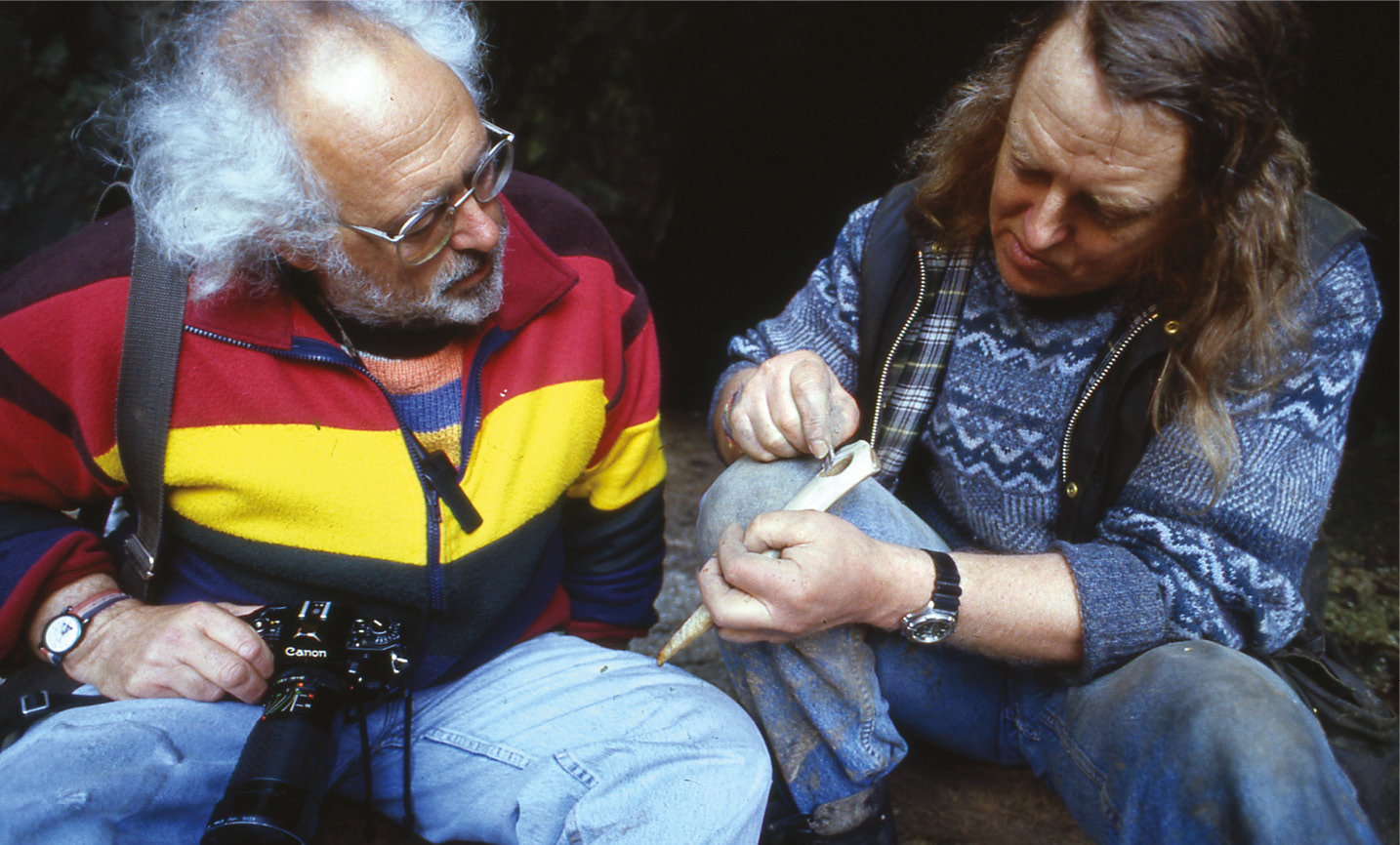
But Time Team also tapped into a major cultural change taking place: character-driven television, with unscripted banter, natural camaraderie, and an honest fly-on-the-wall approach gaining favour among millions. GPR surveyor Jimmy Adcock recently called it ‘reality TV with brains’, while Mick ‘the Dig’ Worthington – an excavator on early series who was later dubbed ‘Mick the Twig’ when he returned as a dendrochronologist – also noted how Time Team went against the grain, saying: ‘Documentaries up to this point tended to tell you what to think.’ Time Team did not condescend – rather, viewers felt part of the team, shouting at their television sets to join in with arguments over where to put the first trench.