
Subscribe now for full access and no adverts
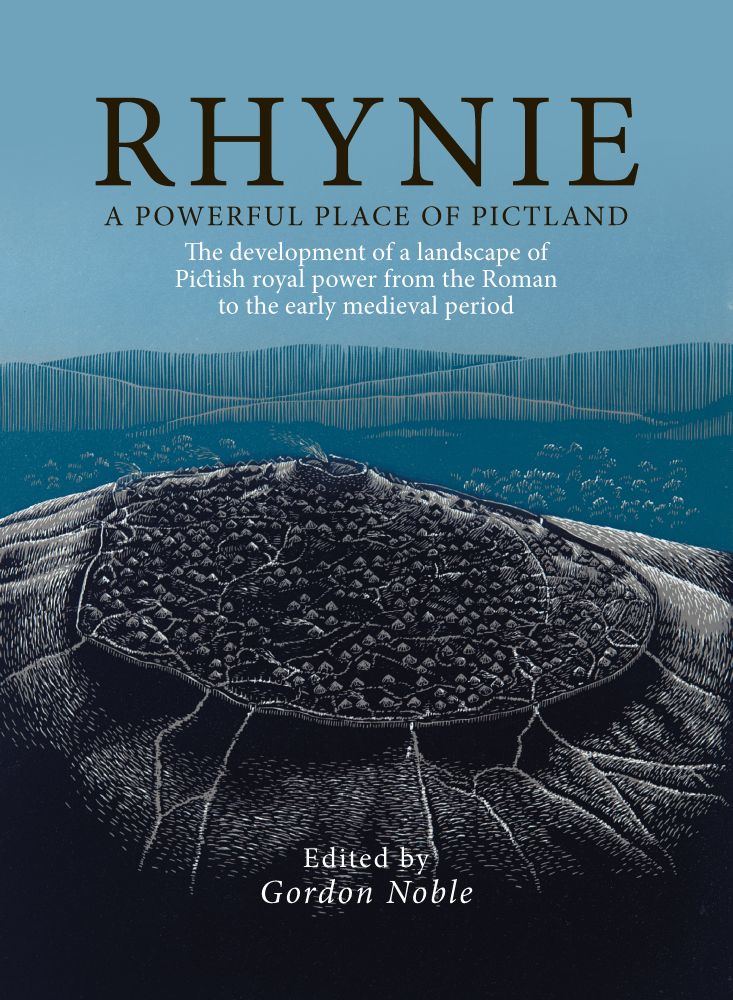
Aberdeenshire is known for its Pictish symbol stones, but until recently evidence for Pictish settlements in the region was sparse and our understanding of Pictish sites even more tenuous. This has now changed dramatically, in large part due to a series of projects aimed at better understanding Rhynie in Aberdeenshire and its environs. The success of a project initiated in 2005 by Professor Gordon Noble and Professor Meggen Gondek, which investigated enclosures near an in situ Pictish stone known as the Craw Stane at Rhynie, led to a more ambitious programme of research to study Rhynie and its wider landscape as part of the Northern Picts and Comparative Kingship projects. The resulting two decades of archaeological, historical, toponymic, and scientific research are beautifully presented across 12 chapters.
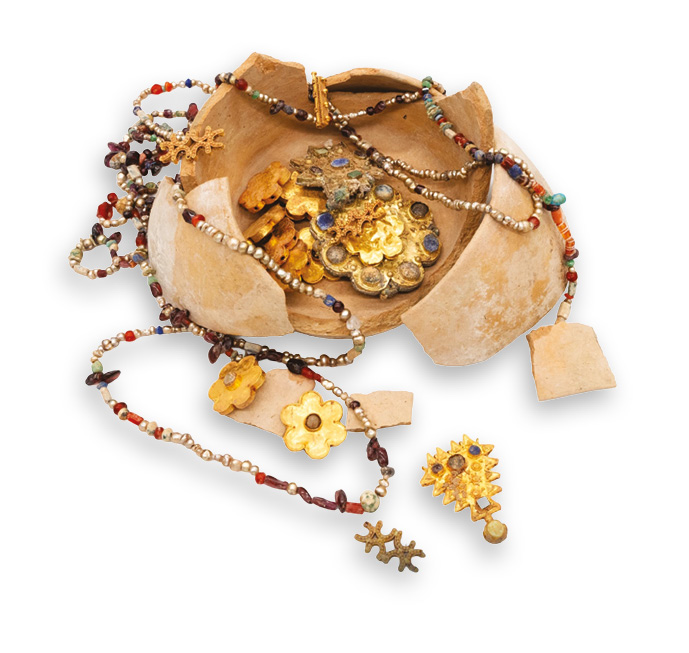
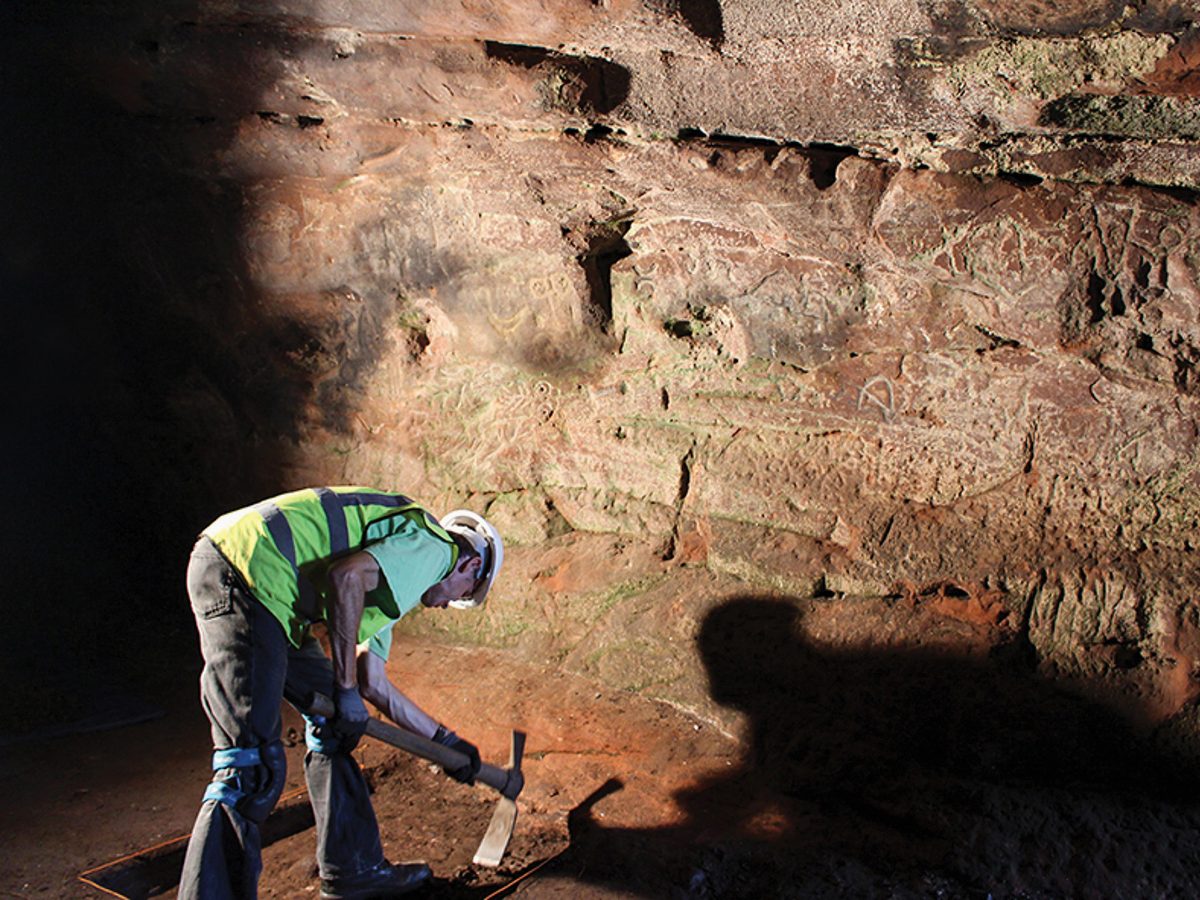
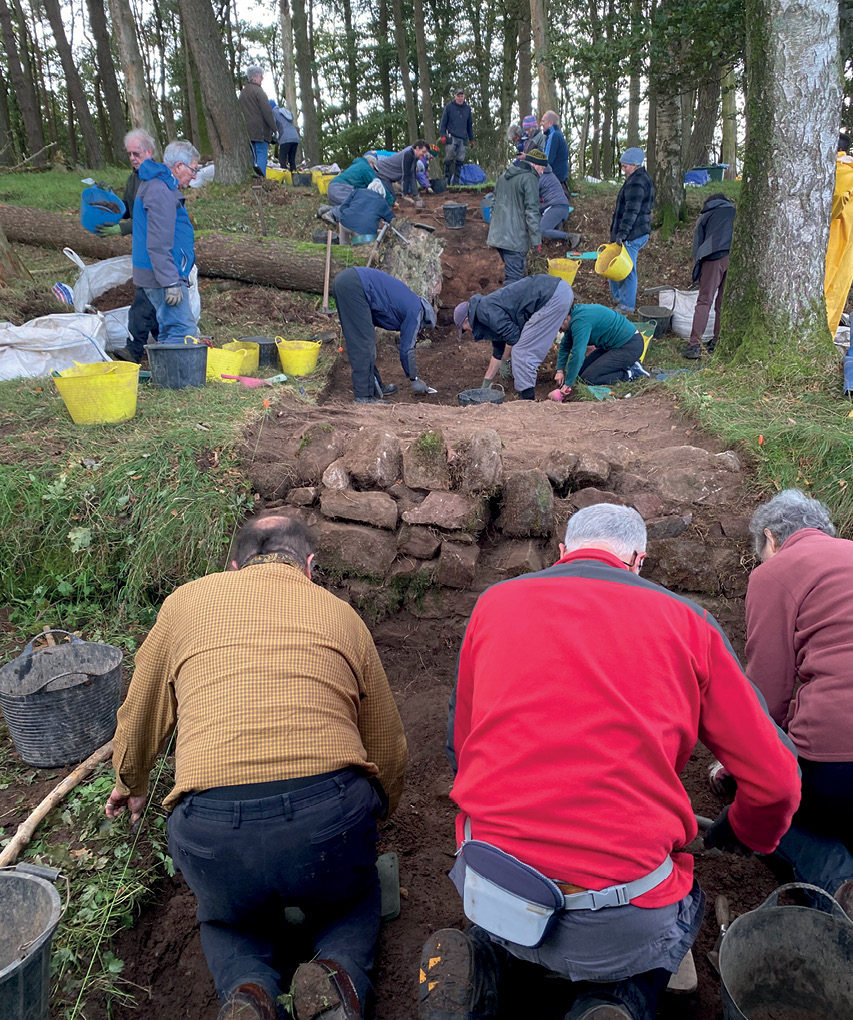
A clue to the significance of this site is preserved in its name: Rhynie contains the Celtic word *rīg, meaning ‘king’. Excavations over several seasons in the vicinity of the Craw Stane identified buildings in a palisade and ditched enclosure complex and revealed a rich finds assemblage showing evidence for imported goods and high-status metalworking. A contemporary Pictish square-barrow cemetery was also excavated nearby. Overlooking Rhynie is Scotland’s second largest hillfort, Tap O’Noth, on which LiDAR surveys conducted in 2015 revealed over 800 house platforms. Excavations in this challenging environment showed that Tap O’Noth developed from a vitrified Iron Age hilltop complex into a major settlement lasting into the 7th century.
The analyses presented across this volume reveal the lost history of a vibrant royal Pictish landscape of the living and the dead, and make it one of the most important contributions to Pictish studies to-date. It is an essential read for anyone interested in landscapes of power from the Roman to early medieval period. The discoveries presented fill enormous gaps in our knowledge about the sophistication and size of Pictish settlements, the archaeological contexts of early Pictish symbol stones, and the development of rulership and polities in early medieval Scotland. It comes highly recommended to everyone.
REVIEW BY KELLY KIRKPATRICK
Rhynie – a Powerful Place of Pictland: the development of a landscape of Pictish royal power from the Roman to the early medieval period
Gordon Noble (ed.)
Society of Antiquaries of Scotland, £40, or free eBook
ISBN 978-1908332387