Subscribe now for full access and no adverts
As a young man, I couldn’t wait to come to Europe and visit all the sites I’d read about.
I became interested in history when…
I was around nine years old, when in my first ever history class we did a course on Ancient Egypt. And I recall thinking, what is this? These people from almost 5,000 years earlier, the pyramids, the mummies… Everything about that left an indelible memory.
Growing up I was fascinated by…
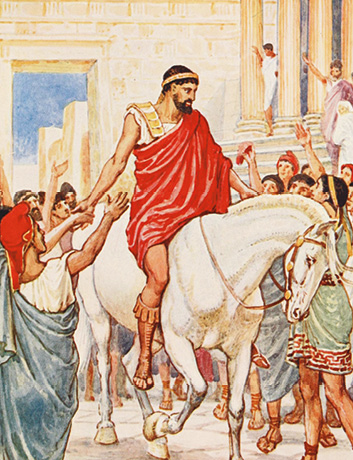
Mostly ancient history, until I was at college. Beyond Ancient Egypt I was also interested in Persia, Greece, Rome, and the whole swathe of ancient European and Middle Eastern civilisations. The first paper I wrote was about Alcibiades (below), the Ancient Greek military commander during the Peloponnesian War (431-404 BC). As a young man, I couldn’t wait to come to Europe and visit all the sites I’d read about.
My favourite period or conflict…
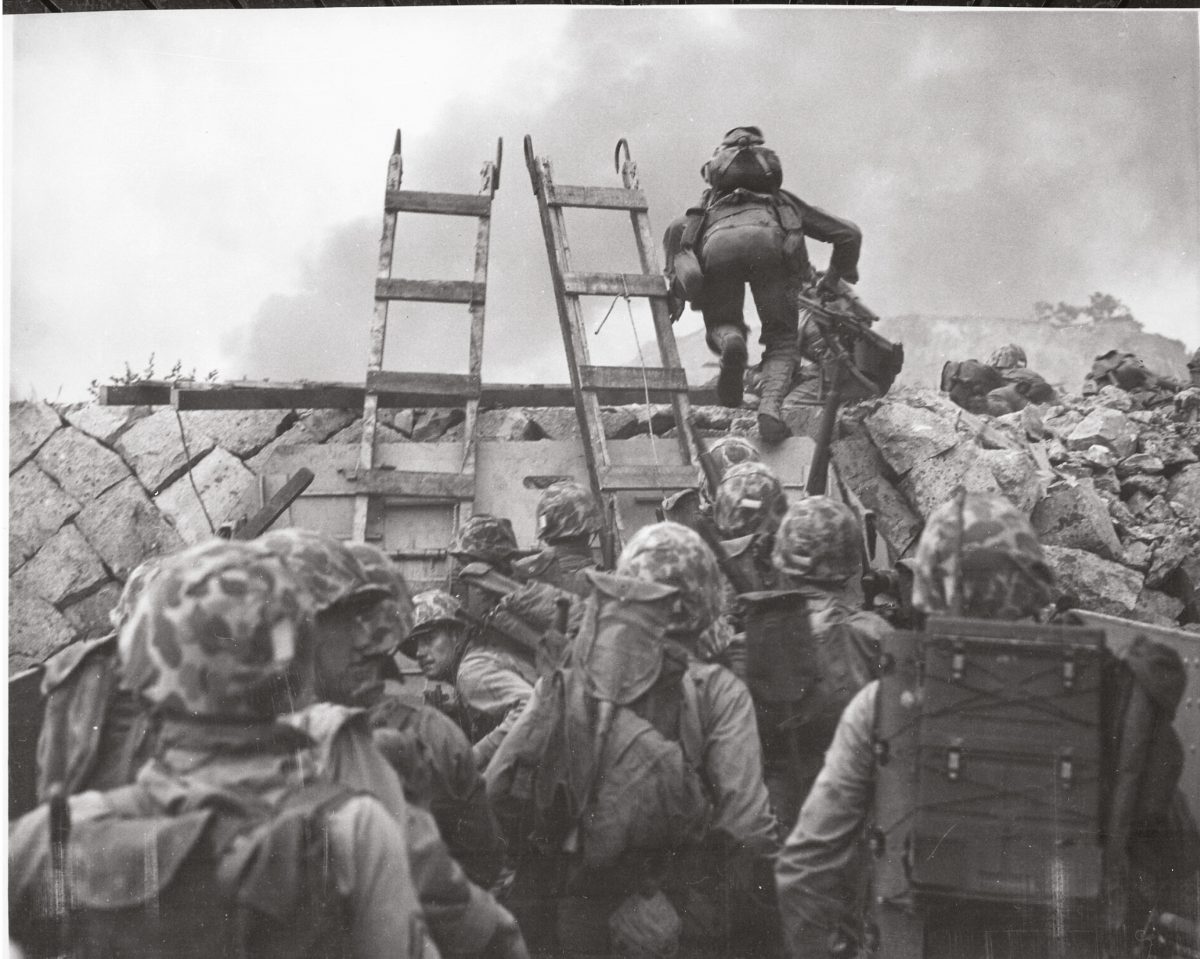
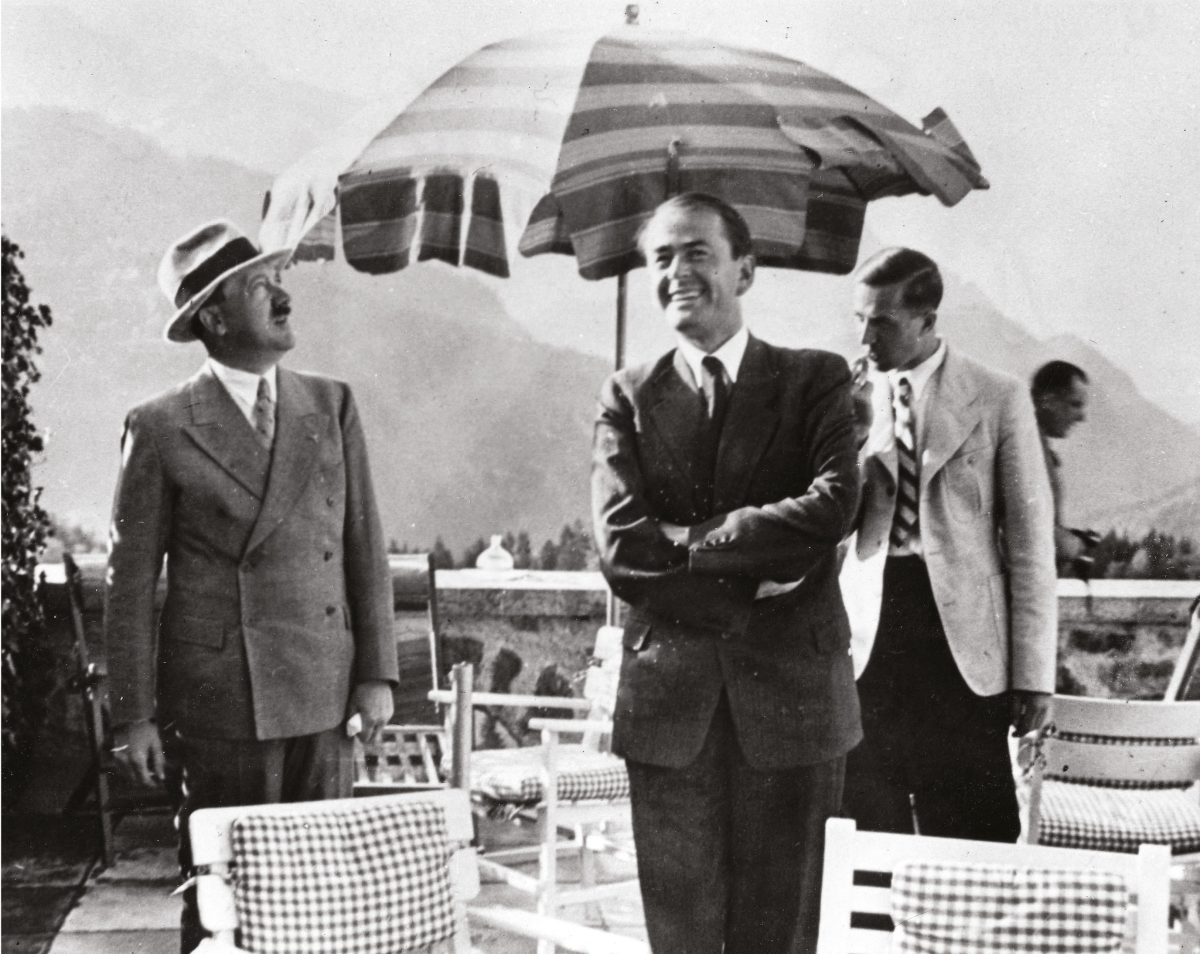
For the past 30 years, I’ve been working on the First and Second World Wars, from 1914 to 1945. What fascinates me is the scale and immensity of the events that took place, and the transition the world went through. You have the end of empires, and immense technological, political, and social change. I think it’s important to see them as one conflict – you might even call it the ‘Second Thirty Years War’. In my view, if you divide them into separate events you risk failing to understand what happened.
The figure I most admire…
The people who interest me are those who do things that are counter intuitive. So, in the Classical period, I was always struck by Sulla, Rome’s dictator in 82-80 BC. He was pretty bloodthirsty and horrible – and yet he did one extraordinary thing, which was voluntarily to give up power. So many people in history are bad, so when you have someone like Sulla – who could have been worse – it’s a small win.
My dream dinner party…
All my guests would have to be good conversationalists. So as well as Sulla and Alcibiades, I would add Livia, Roman empress in 27 BC-AD 14 and wife of Augustus, the first Roman emperor. In many ways she’s been given a bad rep, partly because of her portrayal by Robert Graves in I, Claudius. But what she lived through and how she was able to dominate Roman society would make her a good guest. From the modern period I’d have Alexander Hamilton (1755/7-1804), the first US secretary of the treasury under George Washington, and the Empress Dowager Cixi (1835-1908), who rose up the Chinese court in a spectacular way. I’d also have some literary figures – perhaps Samuel Taylor Coleridge and Mark Twain. I think the conversation would really flow.
A novel I’d recommend…
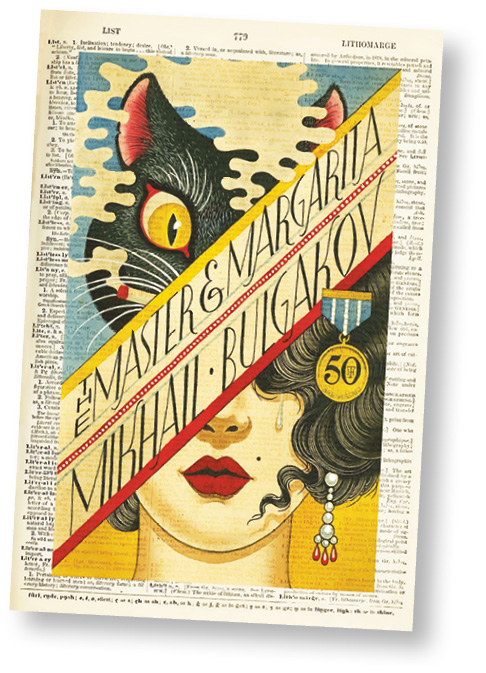
The Master and Margarita by Mikhail Bulgakov (below). It’s just an amazing book, which explains Stalin’s Russia better than almost anything else. In recent years I haven’t read it with quite the same enthusiasm as Bulgakov was very anti-Ukrainian. But he was of his time, and I can’t think of another book with such impact.
A museum to get lost in…
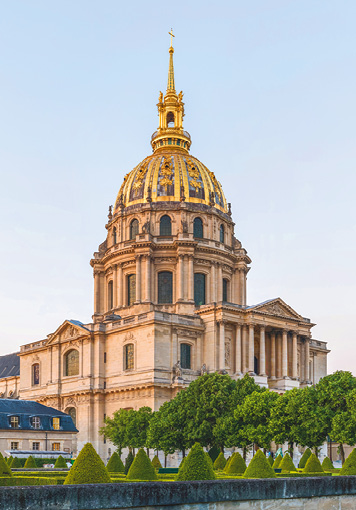
That’s easy – Les Invalides, in Paris (below). It’s an amazing collection of museums, such as the Musée de l’Armée and the Musée d’Histoire Contemporaine, and also an extraordinary building. There’s so much to see. Plus Napoleon is buried there!
My next project…
I’ve just finished a book called War and Power, which looks at modern conflict and comes out in the summer. Recently I’ve become interested in strategic failure, which historians don’t tend to examine as much as they do success. I’m particularly interested in why failure often happens from positions of great strength. You could look at anything, from Xerxes’ disastrous invasion of Greece in 480 BC to modern companies such as Packard. They made the world’s greatest cars, then went bust. MHM
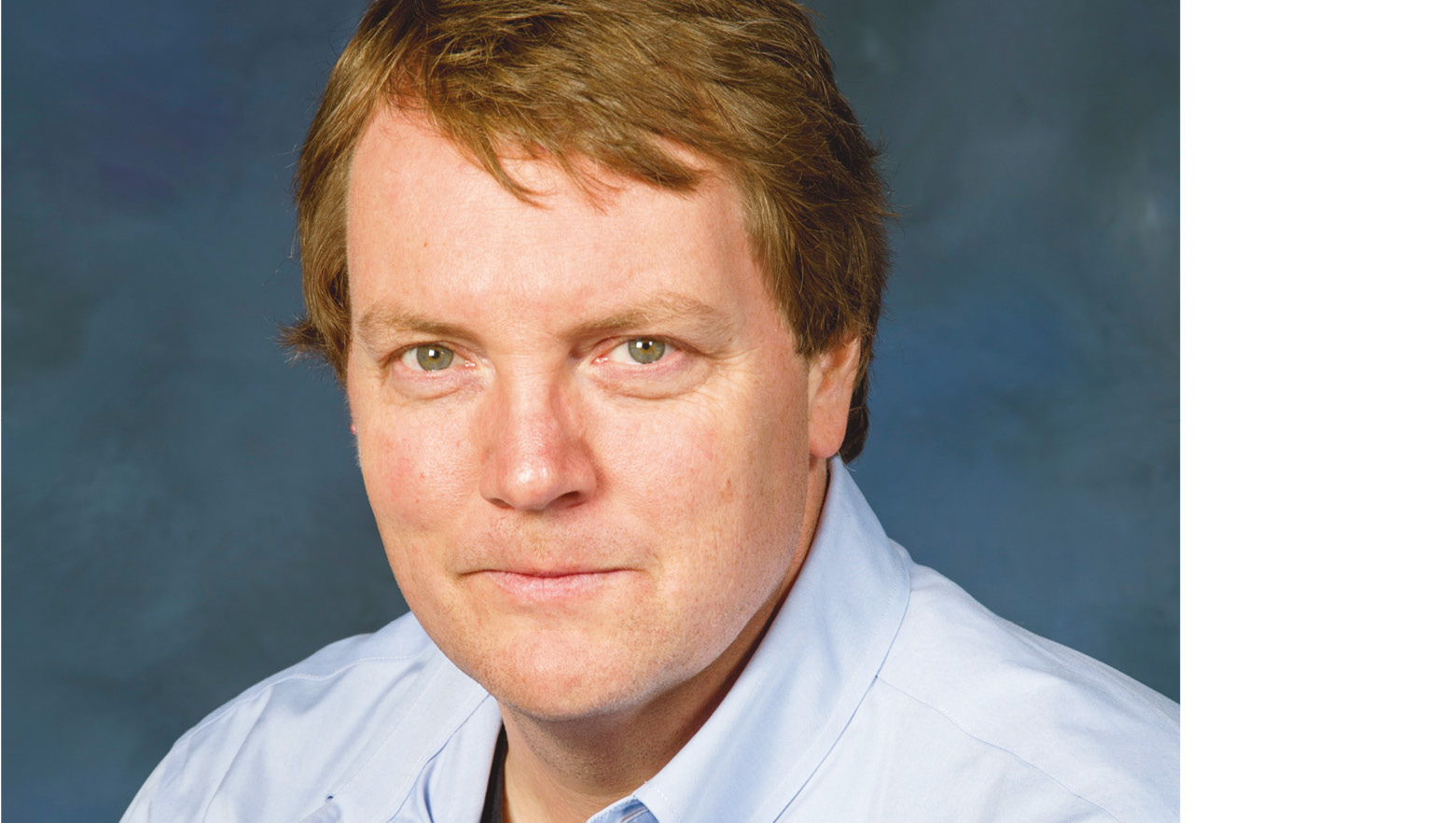
Phillips Payson O’Brien is Professor of Strategic Studies at the University of St Andrews. A regular contributor to The Atlantic, The Spectator, Foreign Affairs, and many other publications, his books include How the War Was Won: air-sea power and Allied victory in World War II and The Strategists: Churchill, Stalin, Roosevelt, Mussolini, and Hitler – how war made them and how they made war. His next book, War and Power, will be published in August 2025. O’Brien is speaking at the Chalke History Festival in June. For more information visit www.chalkefestival.com. Enter our competition on here for the chance to win festival tickets.