Subscribe now for full access and no adverts
Fleam Dyke is a linear earthwork some 5km in length, built in phases between the mid-4th and the mid-7th centuries. The path along the top leads to Mutlow Hill, where the Dyke (now 8m/26ft in height) skirts a Bronze Age barrow. Mutlow’s name, derived from ‘moot’, indicates that this was a place of early medieval assembly, and it is a good point from which to look down on the prehistoric Icknield Way, sometimes called England’s oldest road.
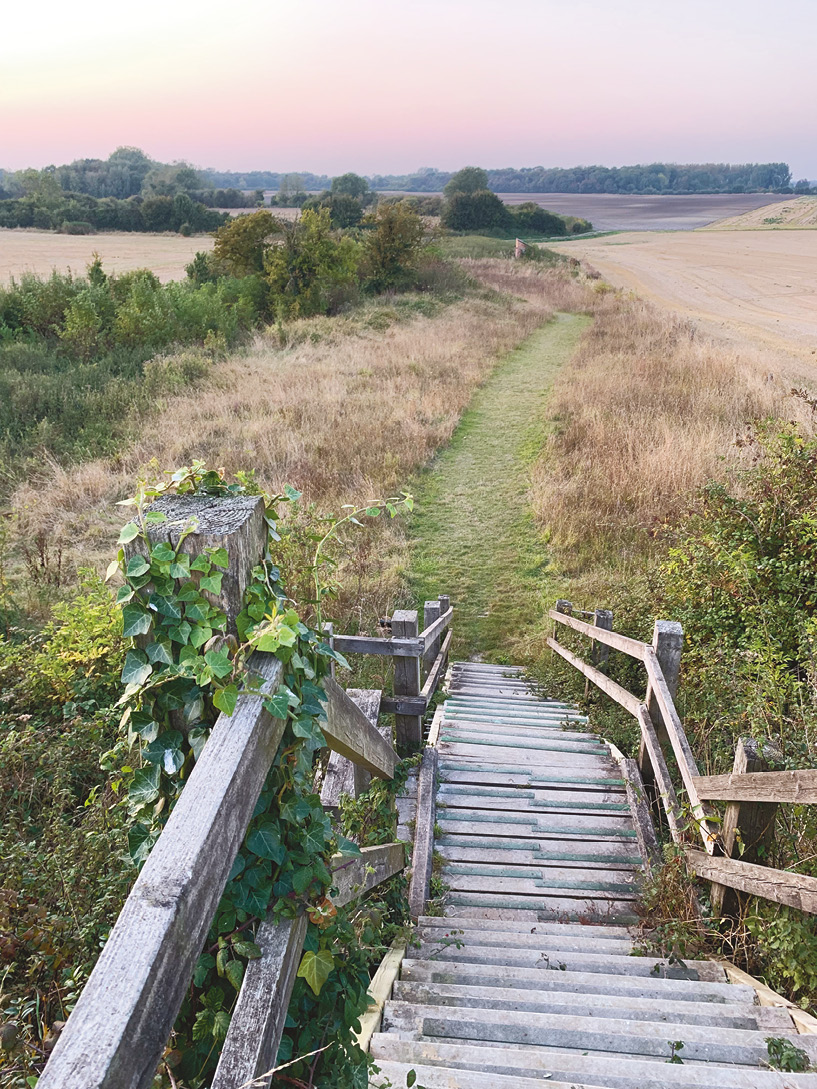
Travellers passing along that ancient track would be forced to stop at this point by the sheer height of the dyke and the depth of its parallel ditch. With densely wooded hills on one side and wet areas of springs, rivers, and fens on the other, it would have been difficult to circumvent this formidable barrier.
It has been argued that the dyke was built by Continental migrants to defend their core settlements in East Anglia from Romano-British and later counter-attacks. Perhaps it was also intended to channel travellers along the Roman road now known as Worsted Street (suggestive of a link with the cloth trade) that runs parallel to the dyke. Unable to pass further along the Icknield Way, this road offered an alternative route that might have led to a customs barrier.
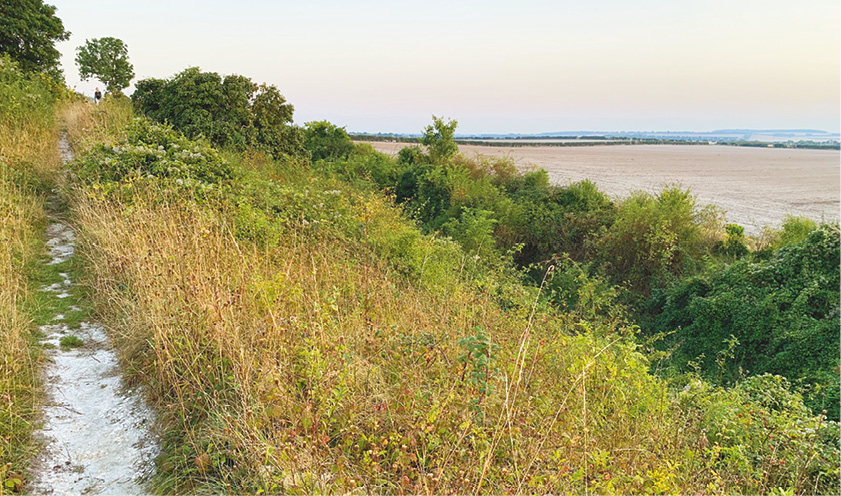
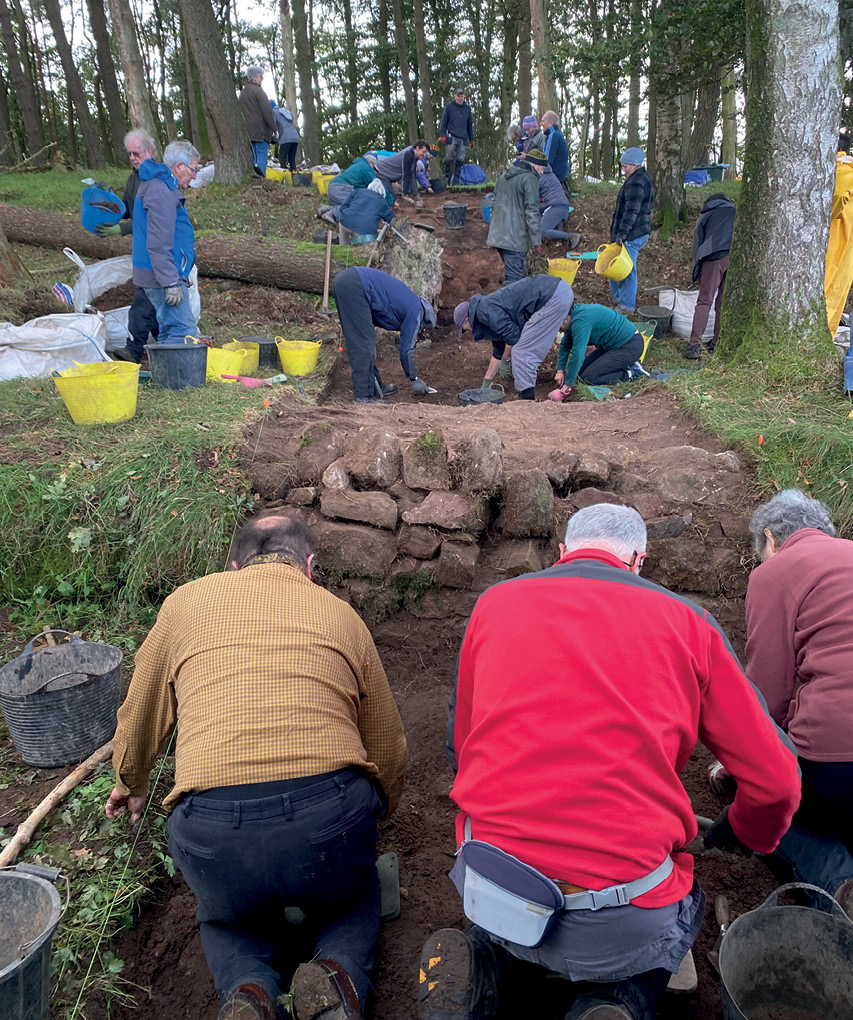
The Friends of the Roman Road and Fleam Dyke now play a key role in the care of both monuments. Formed in 2001, the Friends’ primary aim is to conserve the rich biodiversity of the earthwork itself and the Roman road – now a green lane – with their mix of rare chalk grassland flora and the associated bird life, butterflies, moths, and grasshoppers.
Funds raised by the Friends are used to pay contractors to keep the dyke and the road free of encroaching scrub. The Friends have also devised a 40km (25-mile) waymarked walk that incorporates both monuments, with downloadable leaflets and wayside information boards. A notable success was securing a Traffic Regulation Order for a section of the Roman road that prevents its use by off-road vehicles from October to April and limits the damage done during these wetter months. All in all, this is a splendid example of the ways in which archaeology and natural heritage can support each other.

Further information: https://frrfd.org.uk and www.facebook.com/FRRFD
Images & text: Christopher Catling
Is there a society that you would like to see profiled? Write to theeditor@archaeology.co.uk