
Subscribe now for full access and no adverts
Highgate Cemetery, consecrated on 20 May 1839, was created to provide a more hygienic alternative to ‘intramural’ burial (within church walls) or in overcrowded church- and chapel yards. Today, Highgate is known as one of the so-called ‘magnificent seven’ cemeteries in London, renowned for their funerary sculpture, tombstone epitaphs, and wildlife.
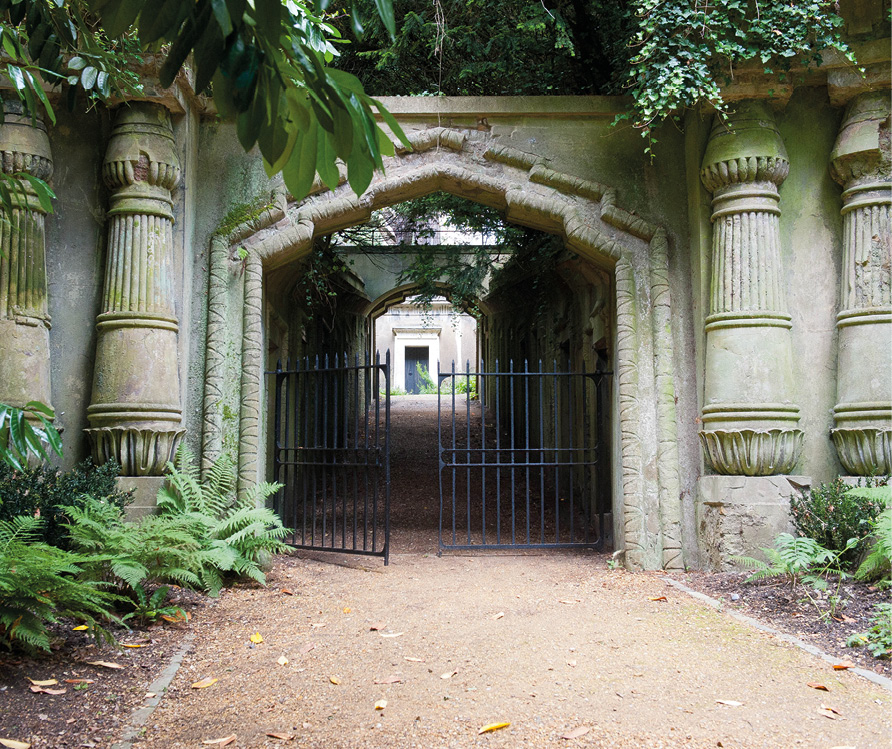
These qualities are not accidental: mid-19th-century cemeteries were conceived as visitor attractions from the start, deliberately planned for didactic impact. Their epitaphs were intended to provide inspiring examples of heroism, entrepreneurship, and moral rectitude, while their planting was chosen to create an atmosphere of Elysian tranquillity, with graceful weeping trees predominant. Cemetery architecture alluded to Classical ideas of the underworld, ancient Egyptian tombs, or Roman catacombs.
Highgate Cemetery possesses all these characteristics, and the fact that we can enjoy them at all is down to the sterling work of the Friends of Highgate Cemetery Trust, which was formed in 1975 when the 36-acre (14.6ha) site was in a state of severe decline. Since then, countless volunteers have done battle with rampant ivy and the roots of self-sown trees that threaten the integrity of the historic structures and compromise the rich biodiversity of the cemetery’s original planting.

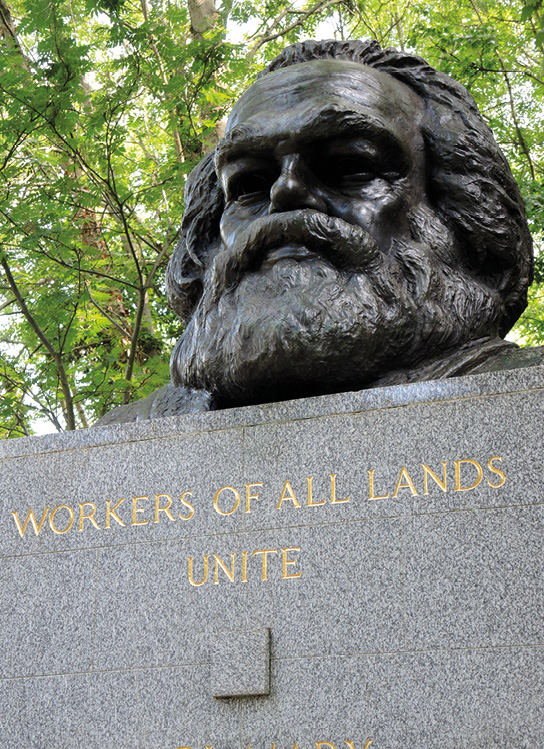
Recently, controversy has arisen over the conservation masterplan and the siting of a new Gardeners’ Building, which the families of the deceased buried nearby have described as ‘intrusive and insensitive’. The Trust has decided to ‘pause and reflect’ and adapt its plans to take these views into account. Despite this, however, the families do support the Trust in their work of welcoming visitors, many of whom come to find the resting places of well-known people and to contemplate their achievements. Most popular of all is the grave of Karl Marx, one of the cemetery’s best-known residents, but the graves of George Eliot, Michael Faraday, George Michael, Lucien Freud, and Jonathan Miller are rarely without tributes in the form of flowers.
Intriguingly, some visitors also place small white pebbles on the graves, a practice with very deep roots: the placing of stones as a symbol of enduring memory is found in many cultures. Today, they are a sign that the graves have been visited, and the deceased have not been forgotten.
Further information: http://www.highgatecemetery.org
Images: Highgate Cemetery Trust

Is there a society that you would like to see profiled? Write to theeditor@archaeology.co.uk