Subscribe now for full access and no adverts
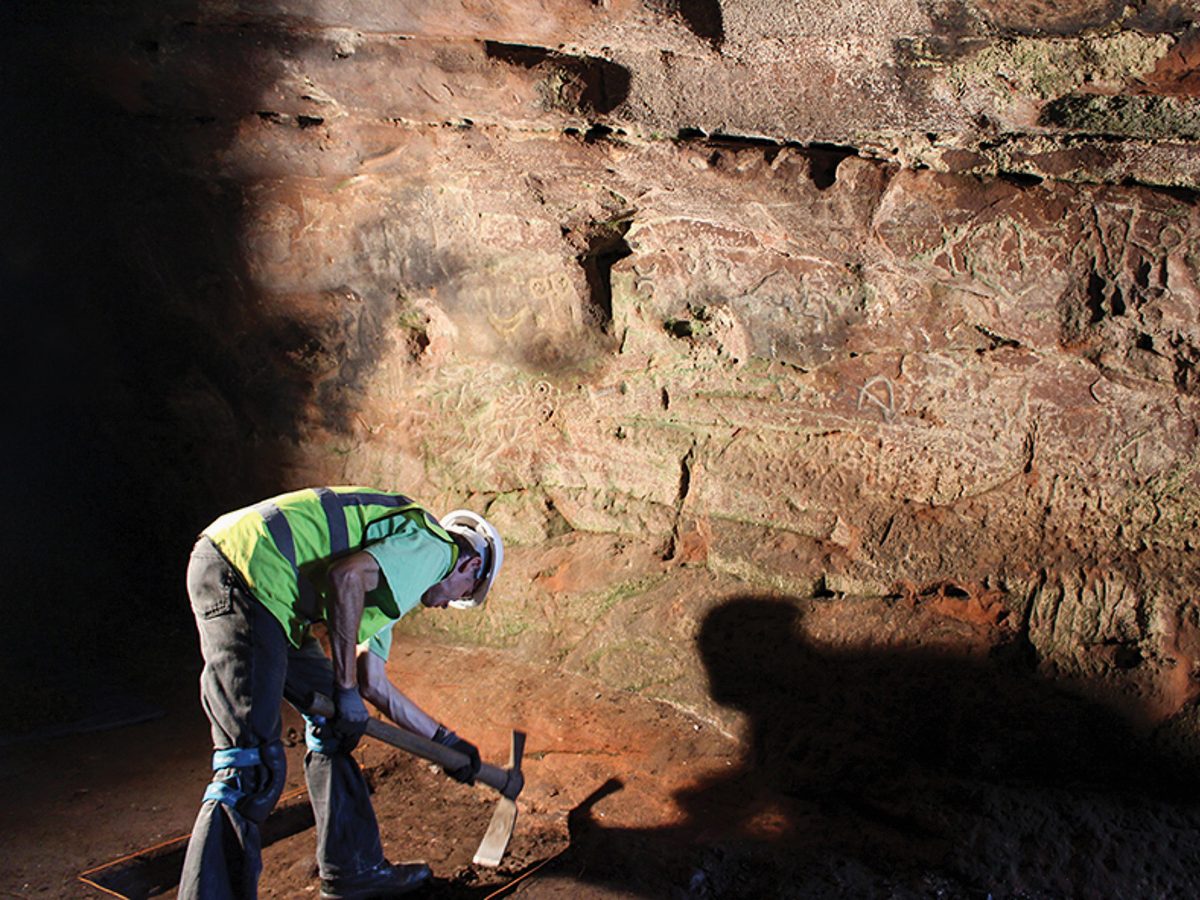
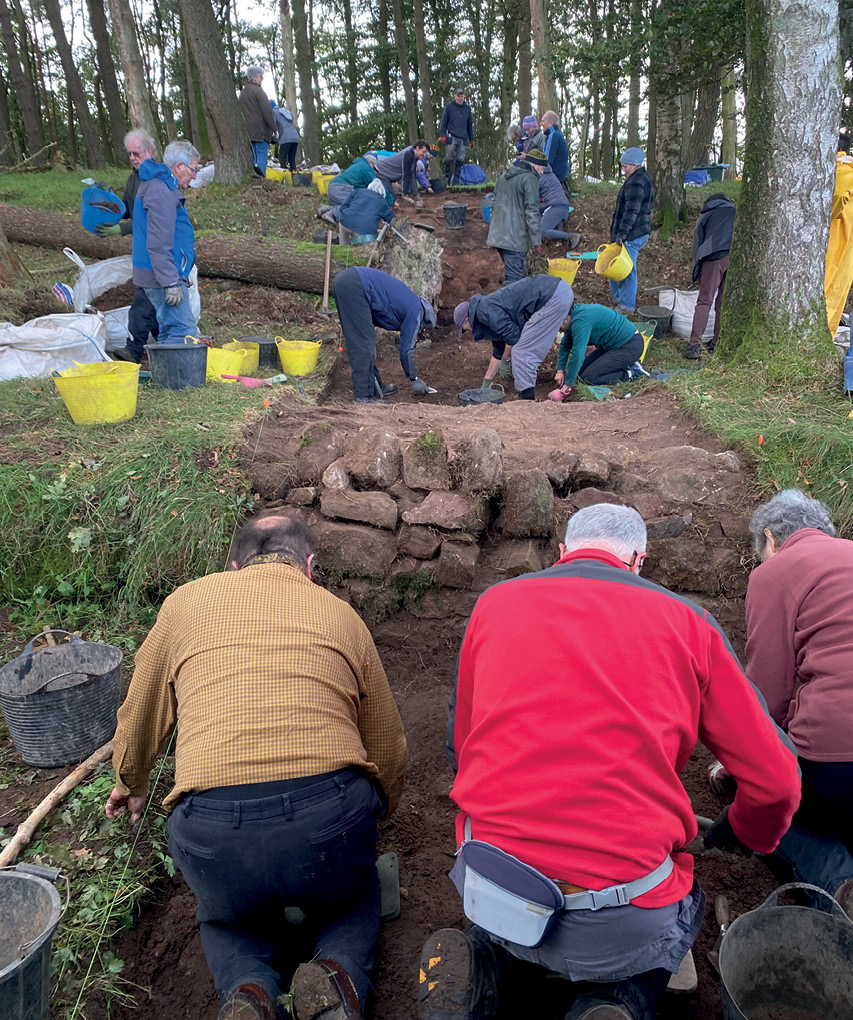
In CA 418, we reported on the long-running excavations at Carlisle Cricket Club, which, since 2017, have been uncovering the remains of the largest Roman building yet found on Hadrian’s Wall, a possible temple, and thousands of artefacts illuminating all aspects of life on the Roman frontier. Since CA’s visit in 2024, the project has continued to bear fantastic fruit, and some of its key discoveries (including objects found only last year) now form the focus of a new exhibition at Tullie, less than half a mile from where they were originally unearthed.
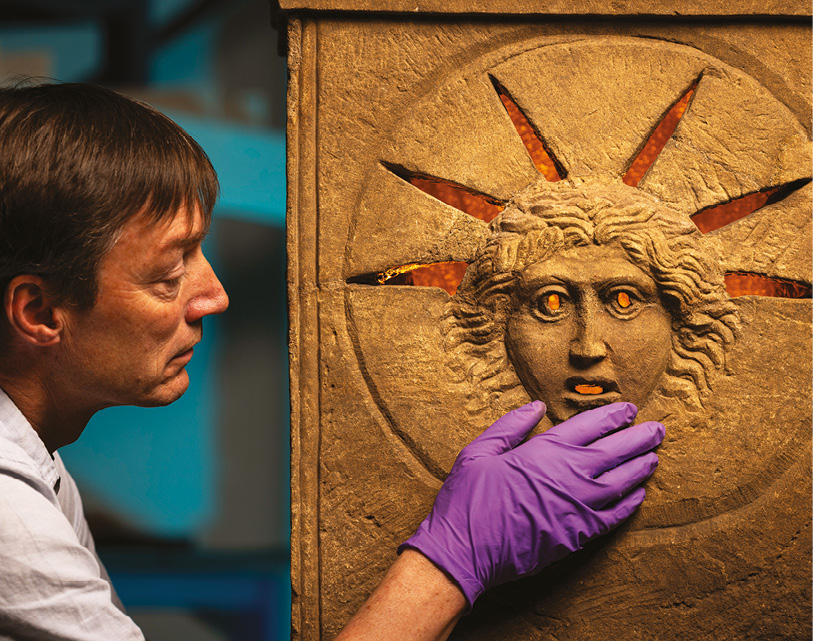
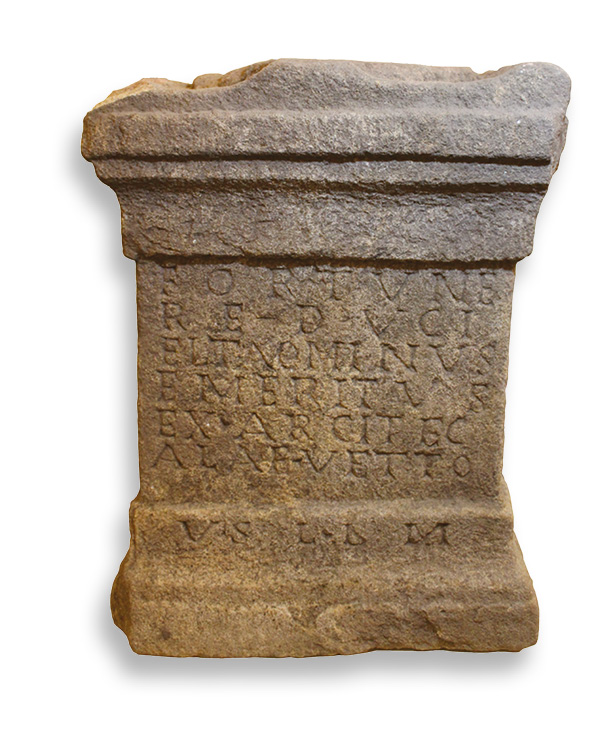
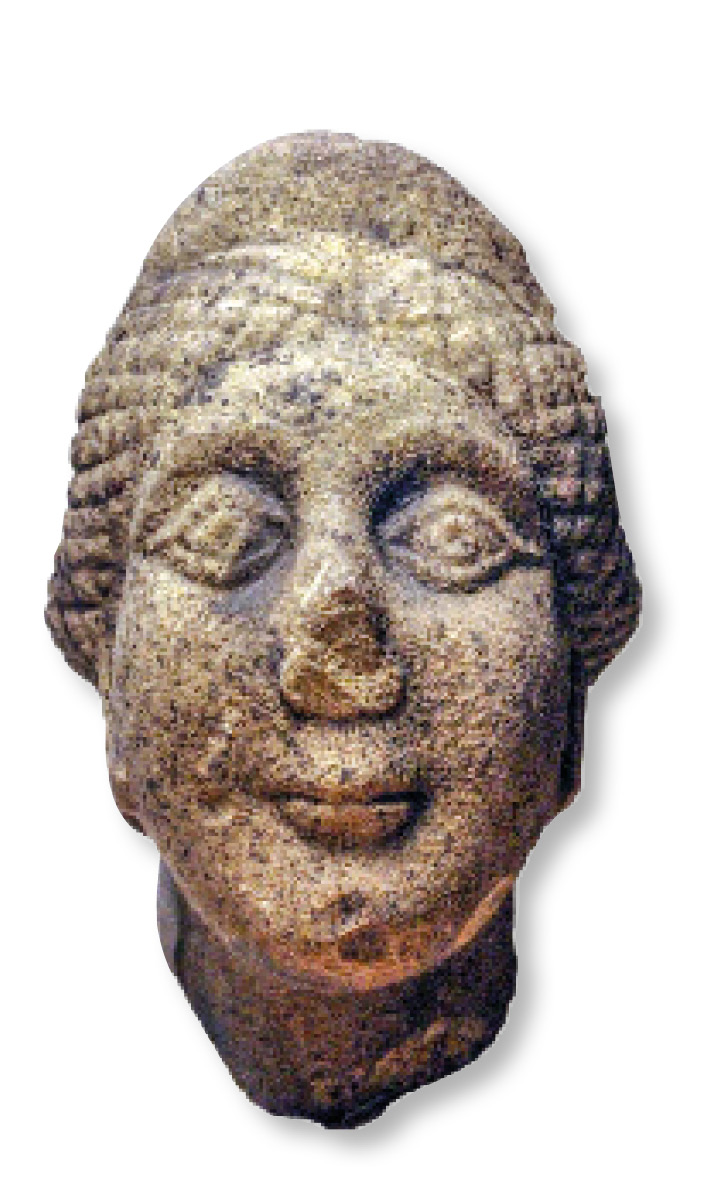
Among the most visually striking objects on display are a pair of 0.5m-tall (1.6ft) heads carved from local sandstone, with an intriguingly elongated appearance. Close by, a glass case contains further examples of fine stonework from the site – the much smaller head of an elegantly coiffed woman, interpreted as the goddess Fortuna, and a characterful dolphin – alongside eclectic items ranging from religious figurines and incense-burners to astonishingly intact miniature pots.

Some of the objects offer tantalisingly tangible links to long-vanished individuals, among them a stack of bone counters carved with the word ‘Coccus’, presumably the name of their owner. Others have a much bigger story to tell, reflecting the status of the site’s monumental building (which, it is suggested, could be connected to a visit from the Emperor Septimius Severus) and the diverse cultures and ideas that met and mingled on the Roman frontier. In this section of the exhibition, we find lead seals that once marked official documents; one of the site’s more-than 200 hypocaust tiles stamped with IMP (an abbreviation of imperator, Latin for ‘emperor’), their lettering indicating an imperial commission; and vaulting tubes that speak of North African architectural traditions, perhaps reflecting Severus’ Libyan origins.
Such grand themes are paralleled by more intimate echoes of the movement of people and materials within the Roman world: brooches fashioned in a wide variety of styles, and beads ranging from Whitby jet to Egyptian glass. In a thought-provoking complement to the archaeological displays, the exhibition also includes a short video with contributions from modern Carlisle’s migrant communities, highlighting how learning about the city’s multicultural past has helped them to feel more connected, adding powerful layers of contemporary resonance and relevance to the excavated finds.
Gladiators of Britain
Further journeys through the Roman world can be traced in an adjacent room, which houses another new exhibition, this time exploring the experiences and identities of the countless individuals who fought and died as public entertainment in the amphitheatres that have been identified across England, Wales, and Scotland. Gladiators of Britain is a touring exhibition (now making its final stop), held in partnership between the British Museum and Colchester + Ipswich Museums and combining a core collection of objects loaned by these institutions with local material added at each host venue.
Gladiators held an intriguingly ambivalent status within Roman society, at once infames, the lowest of the low, and figures of popular adulation, with ‘fan favourites’ celebrated like modern pop stars. Displays of slave chains and mass-produced ‘merchandise’ depicting stock images of arena fighters highlight this tension – while other items name specific individuals, hinting at real people who may have participated in British spectacles.
Among the loaned material, one of the ‘star’ objects is the Colchester Vase, a dynamically decorated pot (which was, luckily, repurposed as a cremation urn, ensuring its survival; see CA 402) that shows four named gladiators. Providing some of our most persuasive evidence for gladiatorial combat in Britain, it is displayed close to the only confirmed piece of gladiator armour yet found within these shores: the Hawkedon Helmet from Suffolk. Although today rather battered and missing its protective visor, this latter find is an undeniably evocative sight.
A third key piece of evidence featured within the displays is the pelvis of a man who was buried in York’s Driffield Terrace cemetery (CA 245 and CA 397). It bears a savage bite mark that is thought to have been inflicted by a lion. Like York, Roman Carlisle is a significant military settlement of suitable status to have merited the addition of an amphitheatre, but where no such attraction has yet been identified. The closest known example to Carlisle is at Trimontium, an outpost fort in the Scottish Borders, far beyond the line of Hadrian’s Wall.
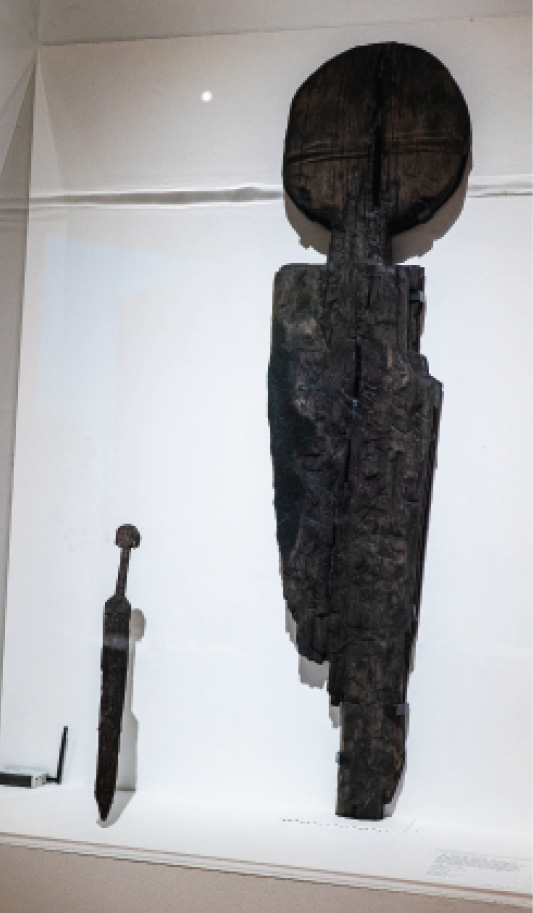
Carlisle’s frontier setting is an important theme within the locally specific elements of this incarnation of the exhibition. When Gladiators of Britain visited Northampton earlier in its tour, it included insights into the Nene Valley’s prolific pottery industry and the region’s impressive Roman villas (CA 426). Carlisle’s equivalent displays are rather less peacefully pastoral. For much of its existence, the fort and its surrounding settlement lay on the edge of an active war zone, and many of the items on show reflect the lives of another class of combatants who called Carlisle home: its legionary garrison. Among the most remarkable items on display are a human-shaped dummy (palus), possibly used for target practice or sword drill, and a wooden training sword, rare survivals which were both preserved within the waterlogged soil of the fort site. Local finds also illustrate that a keen interest in gladiatorial games had extended even to the very edge of empire, as shown by a number of pottery sherds that are decorated with arena imagery.
Some of the objects on show (gathered from across the frontier zone) reflect the impact of Roman occupation on local communities, from imported ceramics to figurines and stonework testifying to the introduction of new and blended religious traditions. Others are more personal, including colourful enamelled brooches depicting dogs and Roman Britain’s only known amber knife handle – found on the site of Tullie itself during the construction of what was then known as the Carlisle Museum in 1892, and rather charmingly shaped like the head and forequarters of a mouse. There is a beaker, too, excavated at the Roman cemetery at Brougham, Cumbria, which is decorated with images of sleek hounds in pursuit of a hare that are strikingly similar in style to the hunting scene on the Colchester Vase. As in the neighbouring displays, the lasting impression is one of a rich blending of ideas, people, and materials travelling from across the Roman Empire.
Further information: Uncovering Roman Carlisle: where worlds met and Gladiators of Britain will both be at Tullie until 31 May 2026. See https://tullie.org.uk/events/gladiators-of-britain and https://tullie.org.uk/events/uncovering-roman-carlisle-where-worlds-met for more details.