
Subscribe now for full access and no adverts
In partnership with:

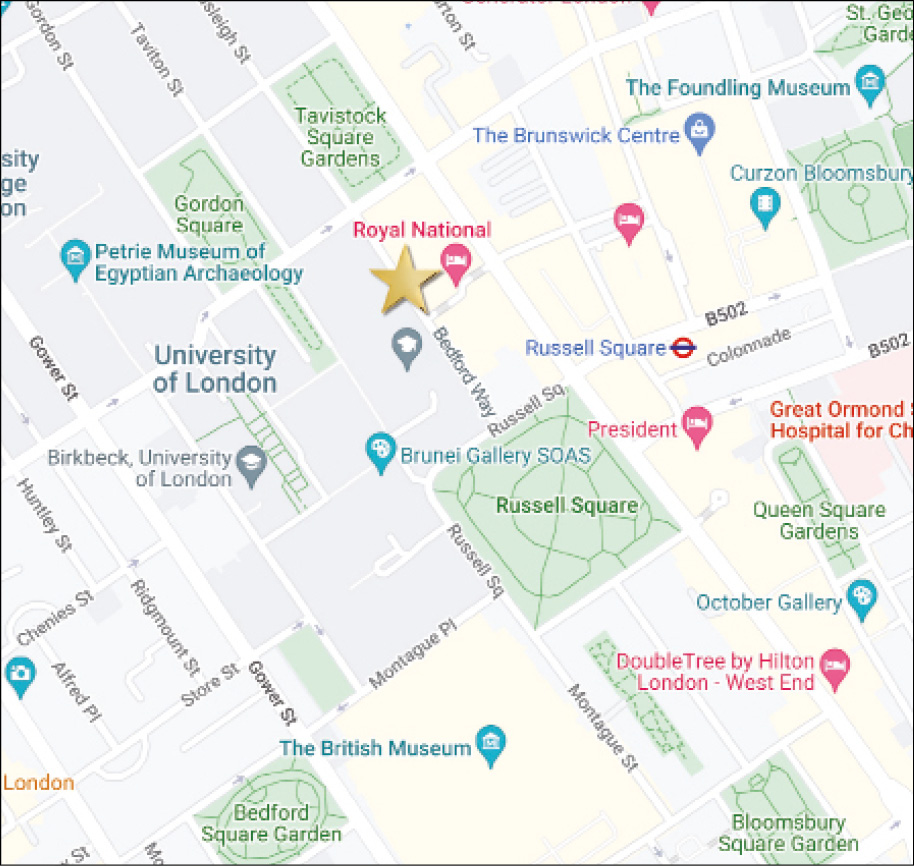
Our upcoming conference, Current Archaeology Live! 2026, will be held on Saturday 28 February. We are delighted to be returning once more to University College London’s Institute of Education near Russell Square for the event, and to be running the conference in partnership with the UCL Institute of Archaeology. We hope you will join us to hear the latest news on exciting discoveries and leading research projects from across Britain and further afield.
As ever, we have an exciting line-up of expert speakers spanning prehistory to the present day, and showcasing fieldwork and scientific research at home and abroad. This special section provides details of the timetable as confirmed to-date, as well as information about the ever-popular Archaeology Fair, and how to book your place at the conference.
The conference will also host the results of the Current World Archaeology Photo of the Year competition (see http://www.world-archaeology.com/photo2026 for more details) and in the evening we will find out the winners of the 18th annual Current Archaeology Awards, which this year will be announced by archaeologist and presenter of The Great British Dig Natasha Billson. All nominees for these prestigious prizes are listed in the next few pages; to celebrate the people, projects, and publications who have made an outstanding contribution to archaeology, please go to http://www.archaeology.co.uk/vote. Voting is now open!
HOW TO BOOK
Tickets for Current Archaeology Live! 2026 are now on sale. This year we’re offering tickets at an early bird rate of £49 until 15 January, after which prices will rise to £65. To book, visit http://www.archaeology.co.uk/live
SPEAKERS CONFIRMED TO-DATE (not in order of appearance)
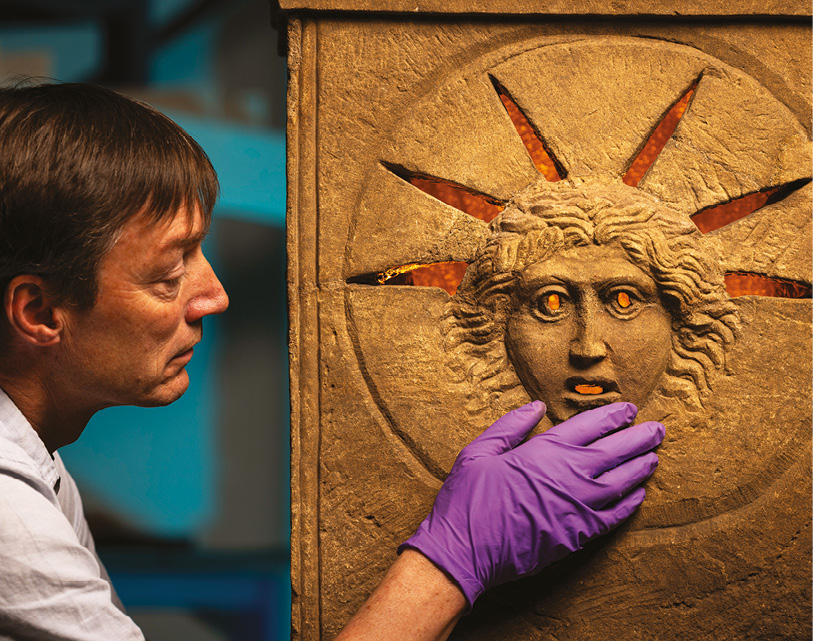
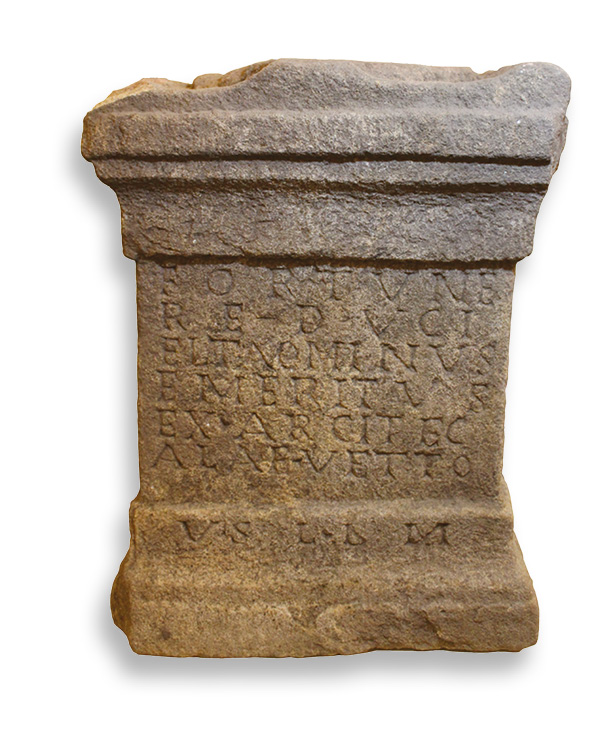
Dr Sophia Adams (British Museum): The massive Melsonby Hoard
Derek Alexander and Dr Daniel Rhodes (National Trust for Scotland): Pioneering spirit – exploring the archaeology of early whisky-making in Scotland
Professor Aidan Dodson (University of Bristol): The archaeology of early literate societies and history-writing: the case of ancient Egypt
Professor Andrew Gardner (UCL): Excavating a legionary storehouse at Caerleon Roman Fortress
Dr Tatiana Ivleva (Newcastle University) and Dr Rebecca Jones (National Museums Scotland): Women in Romano-British archaeology: not so ‘rude’ and not so ‘terrible’!
Professor Kevin MacDonald (UCL): An archaeologist of West African empires encounters Roman Britain at Norton (Suffolk), with some thoughts on what makes a villa
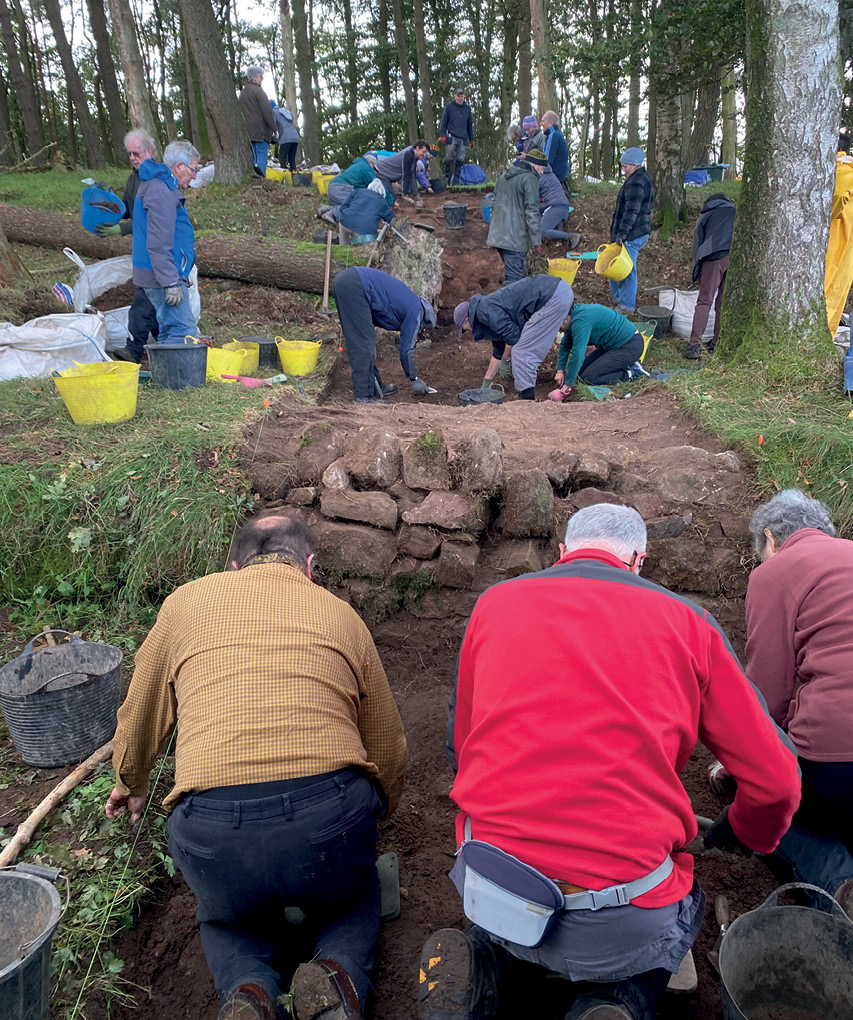
Professor Sarah Semple (Durham University): Recent excavations at Yeavering
Naomi Sewpaul (Time Team/Allen Archaeology): Excavating with water: the importance of environmental archaeology
The CA Awards will be announced at 5pm.
ARCHAEOLOGIST OF THE YEAR
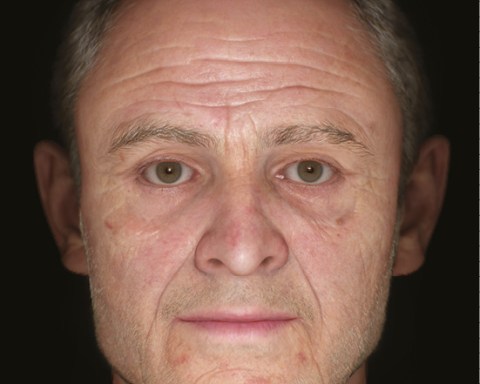
Dr Jane Kershaw

Jane is the first Gad Rausing Associate Professor of Viking Age Archaeology at the University of Oxford. Her research harnesses large-scale public-finds datasets, and analyses them in new, scientific ways to change the way that we think about the early medieval world. This has led to profound new insights, often challenging existing, text-based narratives – for instance, that substantial numbers of women from Scandinavia settled in the Danelaw, that the Viking expansion out of Scandinavia was geared towards the east rather than west, and that the first post-Roman coins in northern Europe were minted from reserves of Byzantine plate, rather than from new metal. Jane has conducted fieldwork in the UK and Scandinavia, and currently co-runs, with Dr Jane Harrison, excavations of an early medieval settlement and Viking winter camp at East Thirston, Northumberland. Her work has been incorporated into several exhibitions, including the British Museum’s Silk Roads and the National Museum of Scotland’s Galloway Hoard.
Dr Kris Lockyear
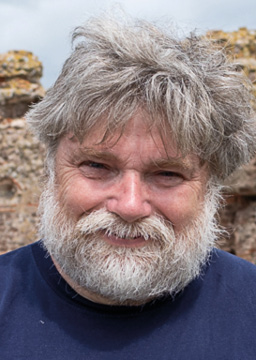
Following a school visit to Verulamium in 1975, Kris joined the Welwyn Archaeological Society (WAS) aged 11. He earned archaeology degrees from Durham, Southampton, and UCL, then joined the academic staff at UCL’s Institute of Archaeology. Kris became director of WAS in 2009, and in 2013 established the Community Archaeology Geophysics Group, a group of dedicated volunteers who have surveyed more than 70 sites across south east England, including the entirety of Verulamium, for which they (not Kris, he wants to emphasise!) won the prestigious Britannia Award. Kris has been a passionate supporter of community archaeology for his whole career, delivering lectures, training, and fieldwork opportunities whenever he can.
Dr David Neal

David is a leading expert on Romano-British mosaics, and an archaeological illustrator, excavator, and author of key works on Roman and medieval mosaics. He has documented every Romano-British mosaic discovery since 1960, more recently working with Stephen Cosh, with whom he produced the five-volume corpus of Roman Mosaics of Britain. David published his first mosaic as a teenager during Sheppard Frere’s Verulamium excavations, and went on to lead the Inspectorate of Ancient Monuments’ illustration team before joining the Central Excavation Unit as an archaeologist (he has since passed on most his collection of mosaic paintings to the British Museum). He has directed significant excavations including the Roman villas at Gadebridge Park, Gorhambury, Boxmoor, and Stanwick.
BOOK OF THE YEAR
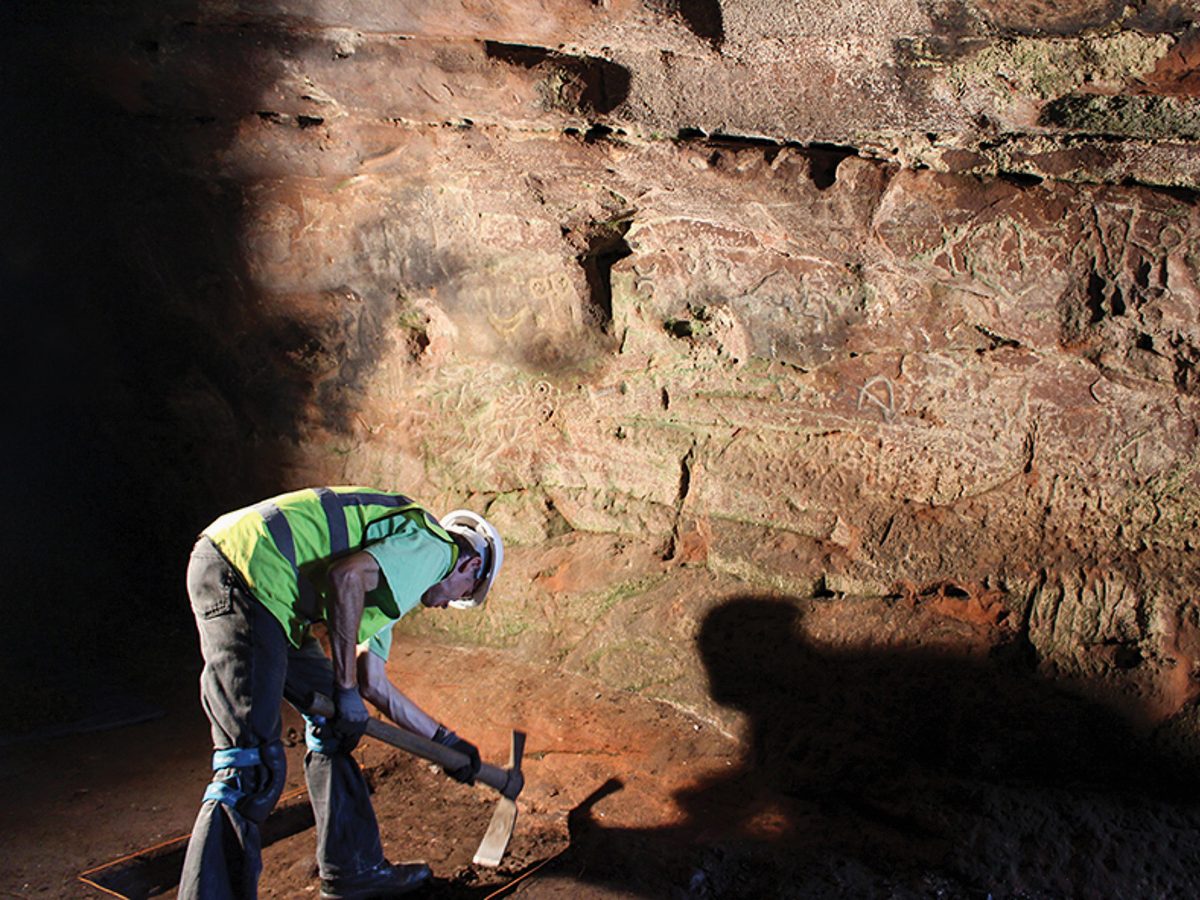
An Irish Civil War Dugout – Tormore Cave, County Sligo: archaeology, history, memory
Marion Dowd, Robert Mulraney, and James Bonsall Archaeopress, CA 419
This book describes the first dedicated research excavation ever conducted on an Irish revolutionary site.
Baltinglass and the Prehistoric Hillforts of Ireland
James O’Driscoll, Alan Hawkes, and William O’Brien Wordwell, CA 420
Well-written and beautifully illustrated, this work has significantly added to our understanding of Irish hillforts.
Digging Lincoln: an archaeological memoir
Michael J Jones Archaeopress, CA 421
A unique personal account offering a fascinating ‘view from the trenches’ that highlights archaeological discoveries from the 1970s onwards.
Wicked Problems for Archaeologists: heritage as transformative practice
John Schofield Oxford University Press, CA 422
This timely, thought-provoking book explores how archaeologists can help address global issues from climate change to social inequality.
Cultural Landscapes of North-east Scotland: collaborative research in history and archaeology
Colin Shepherd (ed.) Oxbow, CA 423
This volume brings together an exciting range of contributions and new insights, consciously foregrounding and celebrating their diversity.
A Land Won from Waste: Scotland AD 400-1400
Richard D Oram Birlinn, CA 425
This is a thorough and digestible environmental history of medieval Scotland, extensively researched yet accessible to a wider lay audience.
Stone Lands: a journey of darkness and light through Britain’s ancient places
Fiona Robertson Little, Brown Book Group, CA 426
Blending personal narrative with hard science, this book will engage and inspire a whole new generation of megalith enthusiasts.
Medieval Warhorse: equestrian landscapes, material culture and zooarchaeology in Britain, AD 800-1550
O H Creighton, R Liddiard, A K Outram, K Kanne, and C Ameen (eds)
Liverpool University Press, CA 427
This book deftly combines disciplinary perspectives to paint a fuller picture of its complex subject, laying a firm foundation for further study.
Life in the Viking Great Army: raiders, traders, and settlers
Dawn Hadley and Julian Richards
Oxford University Press, CA 427
An important volume that provides a readable and stimulating basis for discussion, illuminating a seminal moment in English history.
Excavations in the Roman Legionary Fortress at Caerleon: the Priory Field store building
Peter Guest and Andrew Gardner Archaeopress, CA 429
This impressive research report boasts a stellar cast of specialists, sets new standards for finds reporting, and is peppered with scientific analyses and discussion.
RESEARCH PROJECT OF THE YEAR
Fit for an emperor? Excavating a monumental building from Roman Carlisle
Uncovering Roman Carlisle/Carlisle Cricket Club/SLR/Cumberland Council, CA 418
Ongoing excavations are piecing together the layout, and exploring the possible purpose, of the largest Roman building yet found along Hadrian’s Wall. An intriguing story of luxury living, grand designs, and imperial links is emerging.
Fields of gold: understanding the Snettisham Hoards
Julia Farley (British Museum) and Jody Joy (Museum of Archaeology and Anthropology, University of Cambridge), CA 419
This significant research draws together excavations, conservation, and scientific research focused on Snettisham’s Iron Age hoards, revealing how their contents were made and used, and why they may have been buried.
Bronze Age brutality? Exploring evidence for inter-personal violence at Charterhouse Warren
R J Schulting, T Fernández-Crespo, J Ordoño, F Brock, A Kellow, C Snoeck, I R Cartwright, D Walker, L Loe, and T Audsley, CA 420
This thought-provoking study examines the remains of dozens of men, women, and children who were thrown down a natural shaft c.4,000 years ago, offering powerful insights into their lives and violent deaths.
From Bayeux to Bosham: tracing ‘lordly sites’ from early medieval England
D W Wright, O Creighton, S Chaussée, D Gould, and M Shapland, CA 421
This innovative and interdisciplinary research illuminates power centres associated with the Anglo-Saxon aristocracy that were swept away by the Norman Conquest – including a site linked with Harold Godwinson.
Words on the wave: tracing Continental connections in early medieval Ireland
National Museum of Ireland/Stiftsbibliothek Sankt Gallen, CA 424
Insightful research offering vivid insights into how people, ideas, and objects travelled between early medieval Ireland and continental Europe.
Taking stock of the pot: creating and recreating the Glenfield Iron Age cauldrons
ULAS/MOLA/Hector Cole, CA 424
An inspired combination of fieldwork, scientific research, and experimental archaeology has revealed important information about how a rare group of Iron Age cauldrons were made, maintained, and used.
If walls could talk: reconstructing Roman London’s fashionable frescos
MOLA, CA 427
Analysis of the largest collection of painted Roman wall plaster ever found in London is shedding colourful light on the tastes of Londinium’s elites.
A tale of two hoards: interpreting unusual Bronze Age collections from Carnoustie and Rosemarkie
GUARD Archaeology Ltd, CA 428
Painstaking micro-excavation and scientific research have shed invaluable light on the contents of two unusual metalwork hoards from Bronze Age Scotland, as well as possible motivations for their burial.
RESCUE PROJECT OF THE YEAR
Under the infirmary: revealing the secrets of medieval Berwick
Cura Terrae, CA 419
Archaeological work carried out ahead of the construction of a new hospital has revealed significant new evidence of Berwick’s medieval defences, enhancing our understanding of this border town’s martial past.
The basilica in the basement: rediscovering the heart of Roman London
MOLA, CA 422
Excavation in central London has revealed traces of the city’s first Roman basilica, where officials presided over the settlement’s legal, commercial, and administrative affairs c.2,000 years ago.
The Melsonby Hoard: exploring unprecedented insights into Iron Age Yorkshire
Durham University/British Museum/Historic England, CA 423
Highlighting how ‘best practice’ and interdisciplinary cooperation can enhance understanding, this huge hoard was swiftly reported by its finder, allowing full excavation and the preservation of details of its burial context.
Fields and farmsteads: organising the early Roman frontier region in South Yorkshire
Archaeological Research Services, CA 424
Excavations of an Iron Age landscape that transformed into carefully planned field systems and farmsteads in the early Roman period raises intriguing questions about indigenous innovation versus imperial land grab.
From warship to whaler: solving the mystery of a Sanday shipwreck
Wessex Archaeology/Sanday Heritage Group/Orkney Archaeology Society/Historic Environment Scotland, CA 426
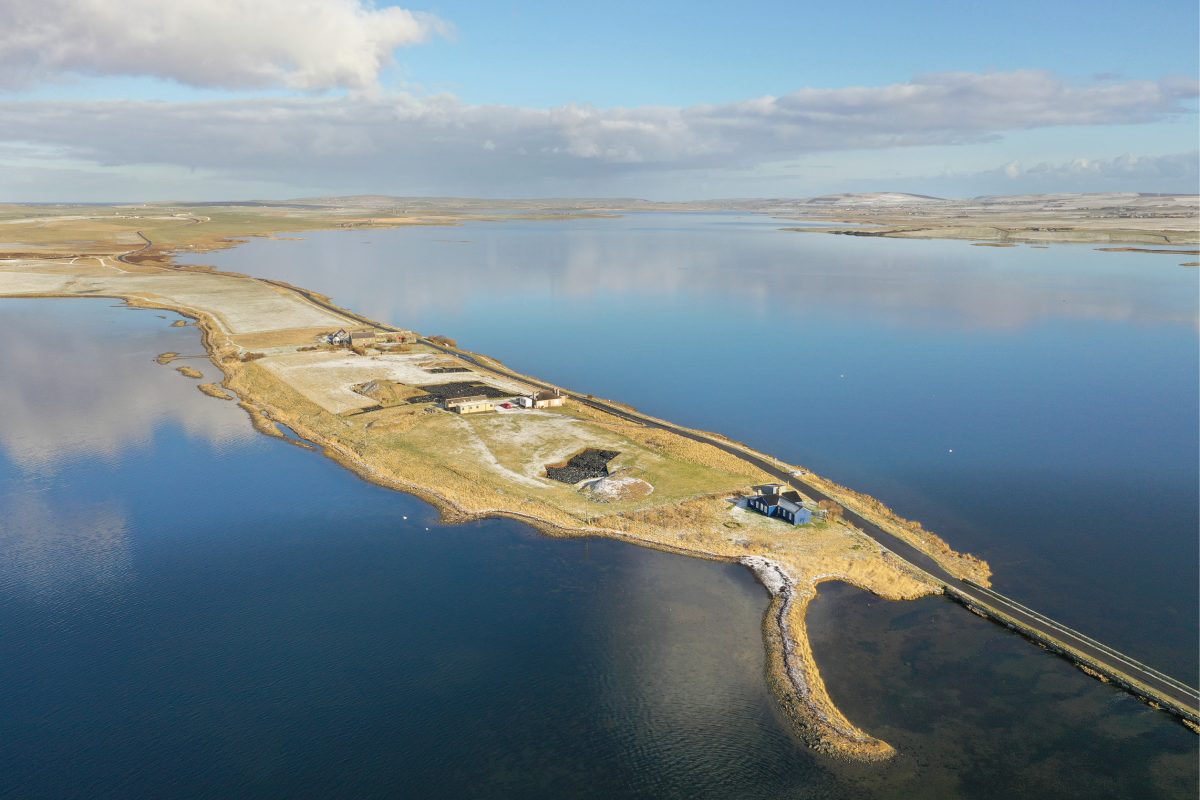
When a shipwreck was exposed after storms on an Orkney beach, prompt and careful recovery, combined with archaeological detectivework with a strong community aspect, has enabled its story to be told and its identity to be revealed.
Straight to the point: investigating Roman swords and extensive settlements in the Cotswolds
Cotswold Archaeology/Historic England, CA 426
Following the discovery of two Roman cavalry swords during a metal detecting rally, wider excavations uncovered an extensive Iron Age settlement, a possible high-status Roman building, and clues to why the blades had been buried.
Little End: tracing the archaeology and social history of a long vanished community
Pre-Construct Archaeology, CA 427
Excavations near Eaton Socon revealed a row of 19th-century labourers’ cottages which, combined with detailed research, have illuminated the experiences of the working-class inhabitants who once lived there.
The people of St Peter’s: encountering a community from 19th century Blackburn
Headland Archaeology, CA 428
One of the largest cemetery excavations of its type outside London has recovered the remains of almost 2,000 men, women, and children, with scientific and historical research shedding light on their lives and identities.
ALL THE FUN OF THE (ARCHAEO)FAIR
Our exciting Archaeology Fair is back for another year, offering a diverse range of stalls for you to browse in the breaks between sessions. Make sure you stop by to learn about travel, fieldwork, and study opportunities, as well as specialist archaeological services – and to pick up a book or several!
This year’s fair will include our partner for the event, UCL Institute of Archaeology, as well as leading archaeological publishers Archaeopress. For those interested in archaeological travel, you can find out more about expert-led tours and heritage-themed holidays from the likes of Andante Travels, Hidden History Travel, and Kirker Holidays. Information on archaeological fieldwork and studies can be gained from Kent Archaeological Field School and the Royal Archaeological Institute, while you can also learn about the services offered by AS Geospatial Surveys Ltd. There is sure to be something to interest everyone – watch out for further updates in future issues of CA.

HOW TO VOTE
As ever, our awards ceremony recognises the best in archaeology, as voted for by you the reader. Please vote online at http://www.archaeology.co.uk/vote. Voting is now open!
Grateful thanks to this year’s award sponsors: