Subscribe now for full access and no adverts
The largest-known coin hoard dating to the period immediately after the Norman Conquest has been acquired for the nation thanks to a multimillion pound fundraising campaign.
Discovered by metal-detectorists in the Chew Valley area of Bath and North East Somerset in 2019 (see CA 356), the hoard contains 2,584 silver pennies spanning c.1066-1068. Its contents reflect England’s tumultuous transition from Saxon to Norman rule, comprising one coin of Edward the Confessor (r. 1042-1066), while just under half of the remainder are issues of Harold Godwinson (r. 1066), and just over half depict William the Conqueror (r. 1066-1087). The Harold coins double the number that have been found for this king before, while the hoard increases the number of known coins from the first two years of William I’s reign almost fivefold. The coins also represent the work of around 100 moneyers based at 46 mints including Bath, Bristol, Exeter, Hastings, Ipswich, London, and York.
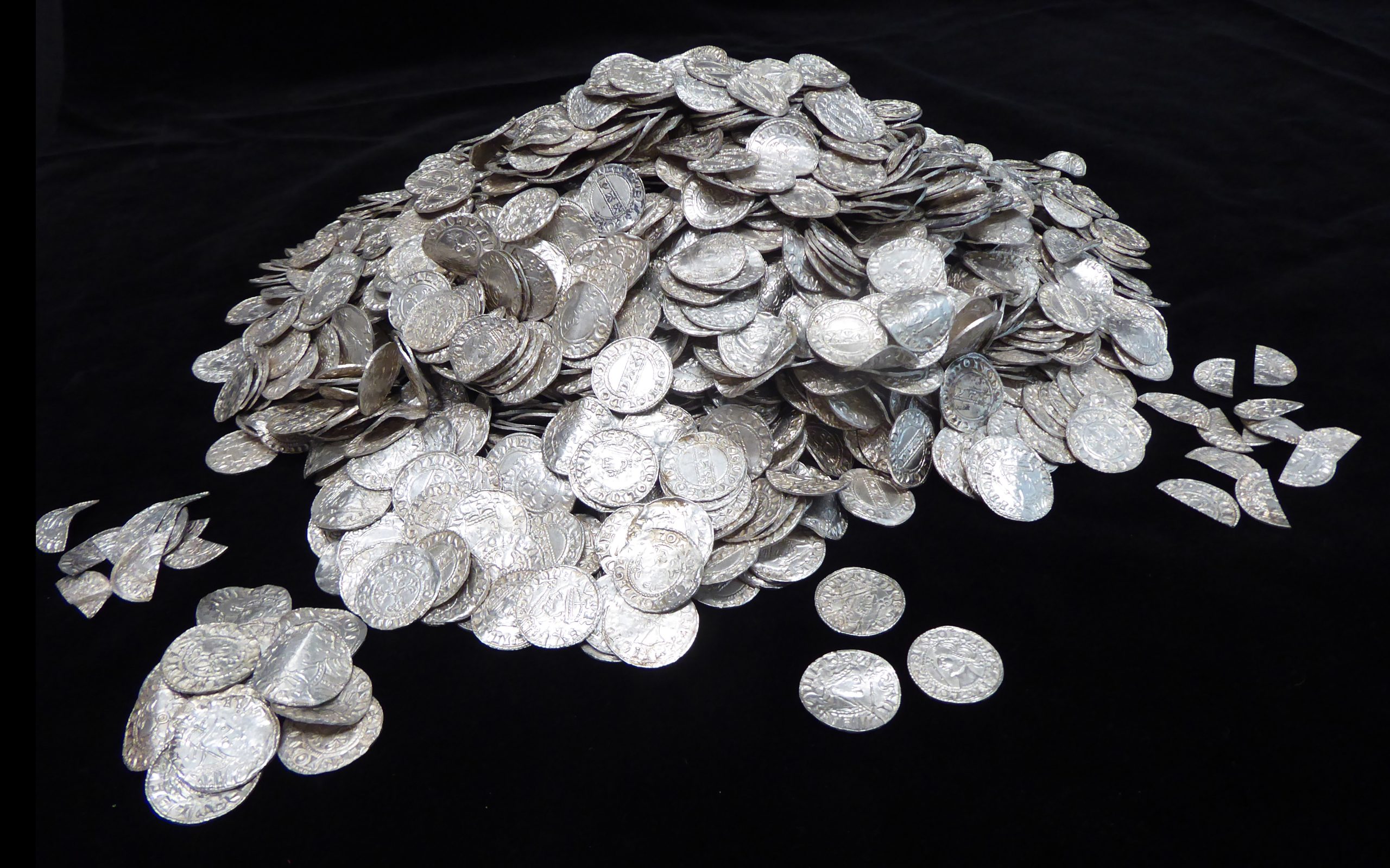
It is thought that the coins were probably buried for safekeeping in the turbulent aftermath of the Conquest; many in the south-west initially refused to recognise the new king (for which Exeter was besieged in 1068), and it is possible that the hoard was hidden during one of these rebellions.
Following its discovery, the hoard was reported by its finders to the Portable Antiquities Scheme. In accordance with the 1996 Treasure Act (see ‘Further information’ below), the coins then underwent a coroner’s inquest, where they were valued at £4.3 million. This makes them the highest-valued Treasure find to date, but thanks to a £4,420,527 grant from the National Lottery Heritage Fund and £150,000 from Art Fund, together with support from the Friends of the Museum of Somerset and the Somerset Archaeological and Natural History Society, the hoard has now been acquired by the South West Heritage Trust. This funding will also support a planned engagement programme alongside the coins’ permanent display.
From 26 November, coins from the hoard will go on display at the British Museum. They will then be displayed at museums across the UK, including in Bath, before finding a permanent home at the Museum of Somerset in Taunton.

Coins of three kings are represented in the Chew Valley hoard: Edward the Confessor (top), William I (left), and Harold II (right).
Further information: In England and Wales, potential Treasure must, by law, be reported to the local coroner (see http://www.finds.org.uk/treasure for more details of this process). For information about how the Treasure Act applies in Northern Ireland, see http://www.communities-ni.gov.uk/articles/advice-finders-treasure-northern-ireland. In Scotland, finders must contact the Treasure Trove Unit: https://treasuretrovescotland.co.uk.
All images: © British Museum