Subscribe now for full access and no adverts
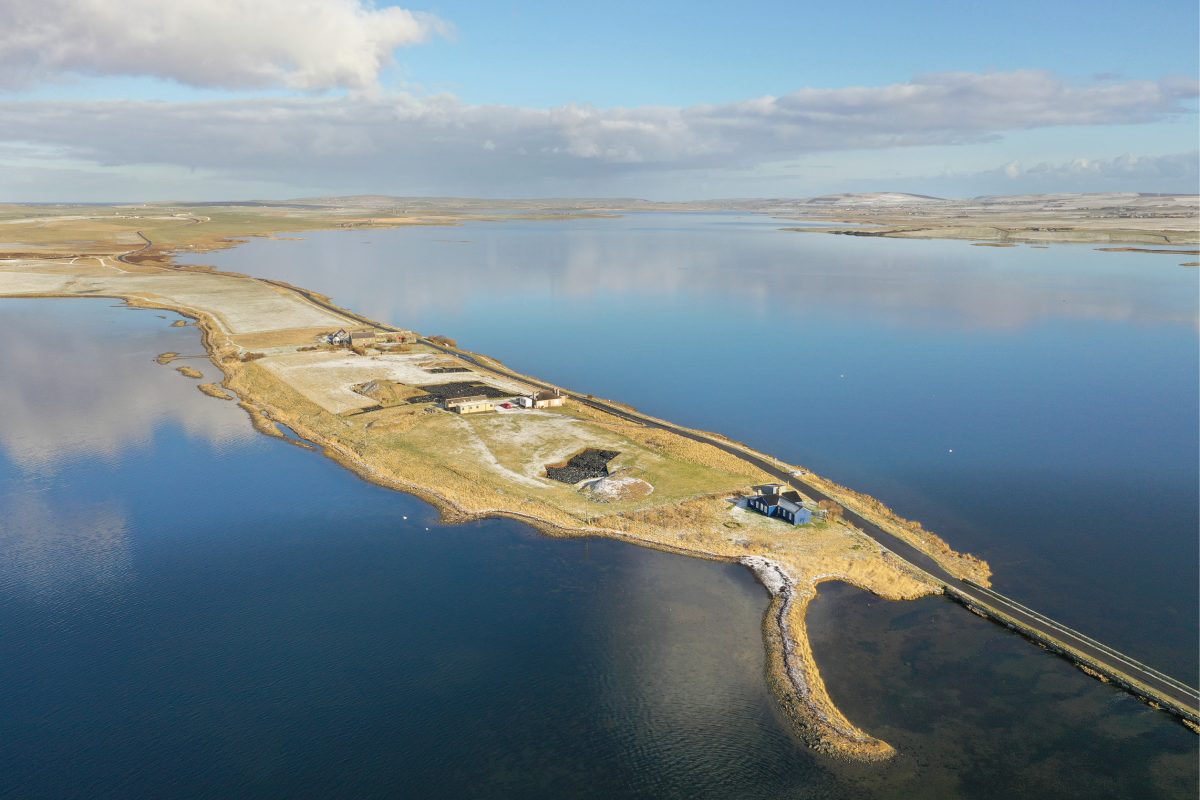
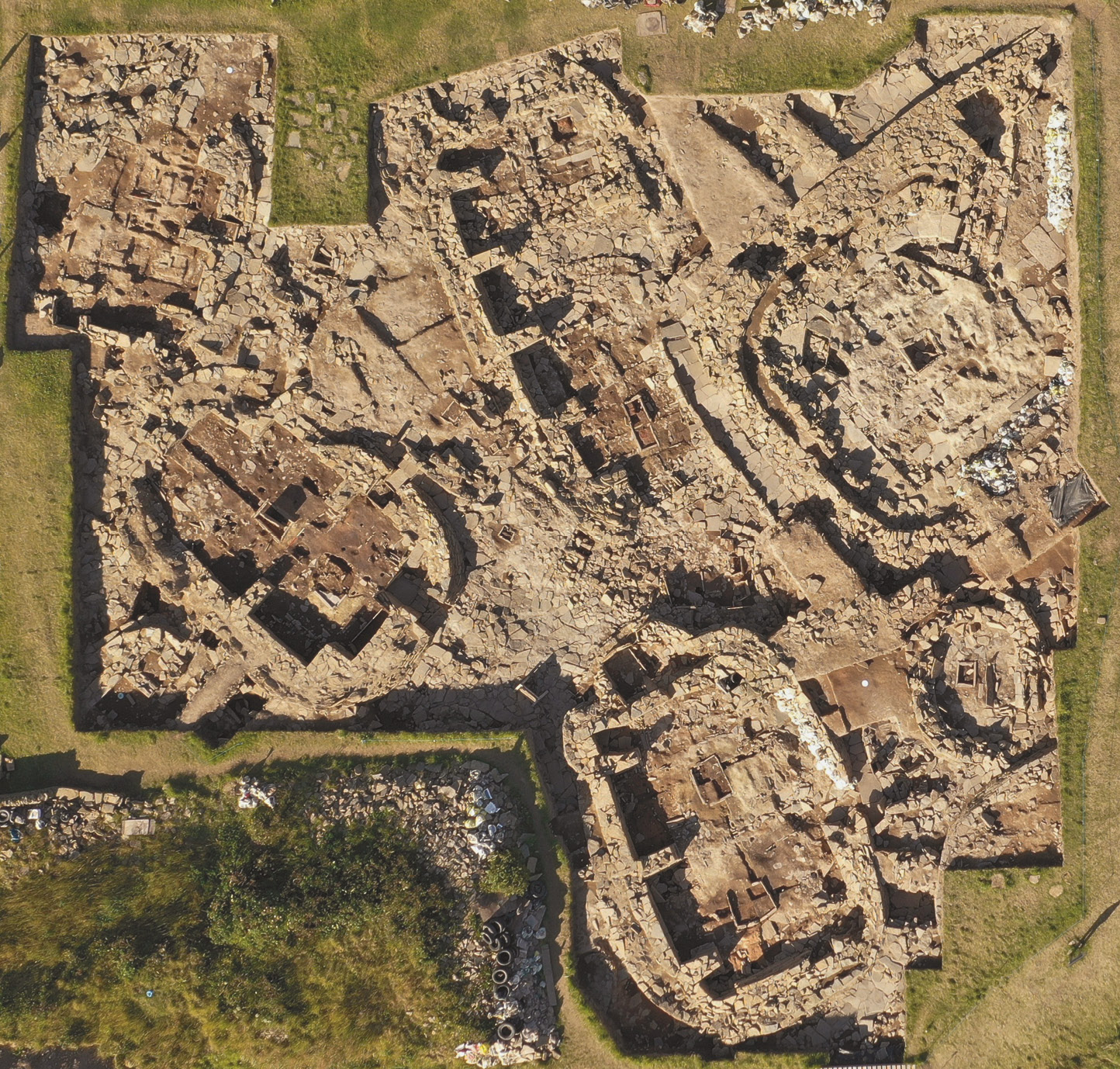
Once in a generation, archaeologists discover a site which is so unexpectedly significant, so rich in fine structural remains and beautiful objects, that it is indeed breathtaking. Nestled on the isthmus between the lochs of Harray and Stenness, and in sight of the major stone circles of Brodgar and Stenness, the Ness of Brodgar complex lies truly at the heart of the UNESCO world heritage site Heart of Neolithic Orkney. For the last 20 years, Orcadians and visitors of all nationalities have flocked to view the excavation under way – even when the site is closed, the protective winter covering of vehicle tyres has been worthy of comment! – and, under the direction of Nick Card, 40 well-built and impressive stone structures have been identified within the roughly 10% of the whole site excavated to-date.
The complex, which spans some 1,200 years, commenced in the mid-4th millennium BC. The structures are superbly built, commonly focused on the ubiquitous hearth, and form a palimpsest of many buildings placed one on the other, made of stone from many different outcrops. The isthmus site is defined by a massive ‘Great Wall’ at its western edge, and another to the east. The scale and complexity of this excavation have brought accolades from far and wide – for example, Current Archaeology’s 2024 awards for Archaeologist of the Year for Nick Card and Research Project of the Year for the investigations, by public vote. This has certainly raised the profile of Orkney’s already internationally recognised archaeology.
This is the background for the exhibition at the Orkney Museum, which was opened in May by Professor Dame Mary Beard. Accompanied by eye-catching and informative panels, the objects on show have been carefully selected to tell the story of the site and the project itself. Dominated by stone artefacts (bone objects do not survive so well), the displays include a few of the items shown at The World of Stonehenge exhibition at the British Museum in 2022 (see CA 384), but very many more besides. In Orkney, of course, these objects have a greater significance to audiences local and international, for here you can see the setting and the site itself, at least until late August this year, when the trenches will be carefully filled in for the final time. It is here in Orkney that we can best appreciate the extraordinary creative achievements – in architecture and in artefacts – for which Neolithic Orkney is renowned. These materials belong in Orkney, albeit they are international informants on the era.
Exhibiting an excavation
There are a number of obvious highlights in the material on display, which spans four exhibition spaces, commencing with the excavation results and moving on to the future potential of the post-excavation work. The buildings command our attention, just as they did in the Neolithic period. But the show takes the time to introduce us to the smaller things, and the stories they have to tell. The striking appearance of maceheads reflects great skill and aesthetic judgement on the part of their makers. Some were worked on site, while others were brought complete to gatherings. Some were fashioned from rocks found in Eday, Stronsay, North Ronaldsay, and in Deerness, while others were brought to the site from north-west Scotland and from the Western Isles. Flint tools and carved stone axes, decorated stones with traces of pigment, are all highlights of the exhibition.
Vast quantities of Grooved Ware pottery found at the Ness – 120,000-plus sherds – provide the earliest dates for the type, which is found all over Britain and Ireland. This was locally produced, and the ideas spread widely – an early expression, perhaps, of the fine craftmanship that we find in Orkney today. Impressions of cords, basketry, and even fingerprints from the potters offer a rare insight into the period, and are a reminder of the people caught up in these great events in Orkney’s prehistory. The excavated animal bones speak of feasting, and the symbolic closing of ceremonial buildings: the huge deposits of bone from a single herd are mind-blowing in their scale and in their implications for the organisation of the Neolithic farming landscape.
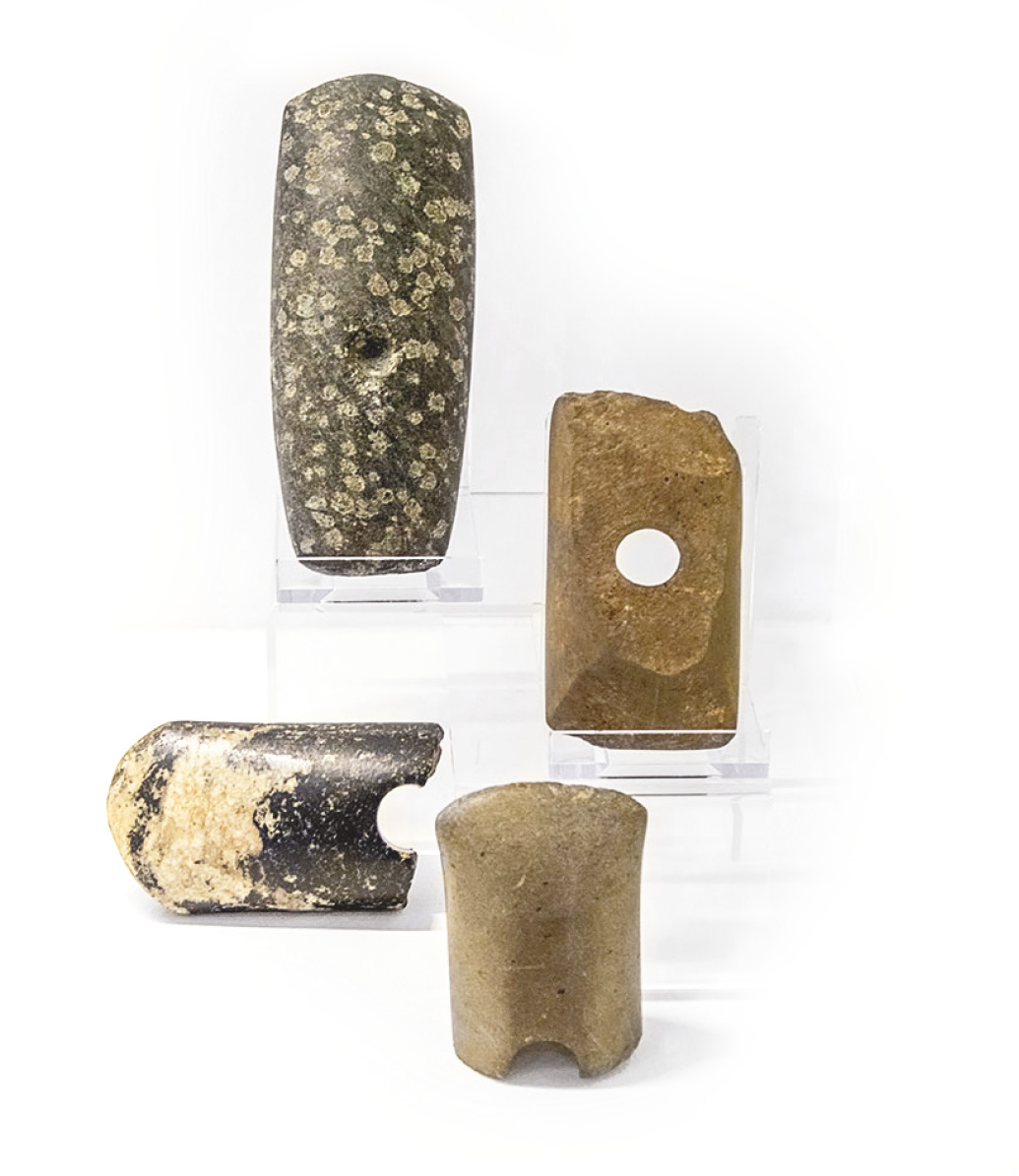
Above & below: Highlights of the exhibition include skilfully worked maceheads and enigmatic decorated stones. Images: Sigurd Towrie / Tom O’Brien
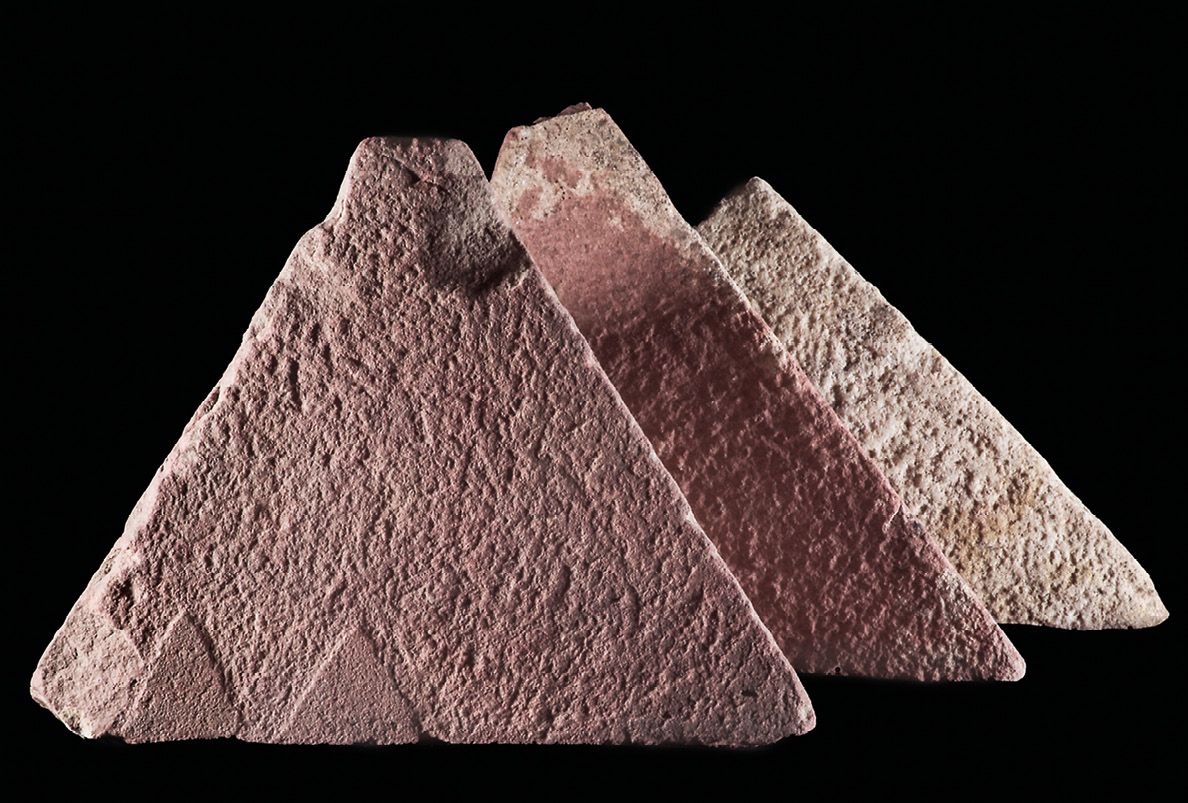
The final (upstairs) room of the exhibition is perhaps the most significant in many ways. For here the opportunity is taken to give a flavour of the work now being undertaken on all categories of the excavated material. Ongoing scientific studies include exploring the scale and management of cattle herds; the likely sources of food, fuel, pigment, timber, and stone brought into the site; even the recipes used by potters. These are the exciting details that inform work on the buildings; through these aspects, the Neolithic period in Orkney is shown in technicolour and the people remembered in sharper focus. This stage of the work is time-consuming, costly, but absolutely crucial. The results can only follow from intense detailed study, which takes both time and, critically, it takes strong funding to achieve. In many ways, the 20-year legacy of the Ness now relies even more on continuing financial support to bring the findings to an eagerly awaiting audience, who will have to learn what it is to be an archaeologist and gain the greatest skill of all: patience.
Accompanying this exhibition, but with a life well beyond 2024, is a superb book available for purchase at the museum or from the Ness of Brodgar website (see ‘Further information’ below). The publication, which shares its title with the exhibition, has been brought together by Professor Mark Edmonds on behalf of the exhibition and excavation team. The photographs are stunning, providing a perfect balance between images of the structures, the carefully crafted walls, and the remarkable objects recovered. The text is commendably succinct and interesting, the content is riveting, and at £15 (paperback) the price ensures it will find its home on many bookcases.
Further information:
Ness of Brodgar: past, present, and future runs at the Orkney Museum in Kirkwall until 28 September. The Ness of Brodgar excavations will be open to the public from Wednesday 26 June until Friday 16 August. For more information about the site, the exhibition, and the accompanying book, see www.nessofbrodgar.co.uk.