Subscribe now for full access and no adverts
REVIEW BY ANNE MITCHELL
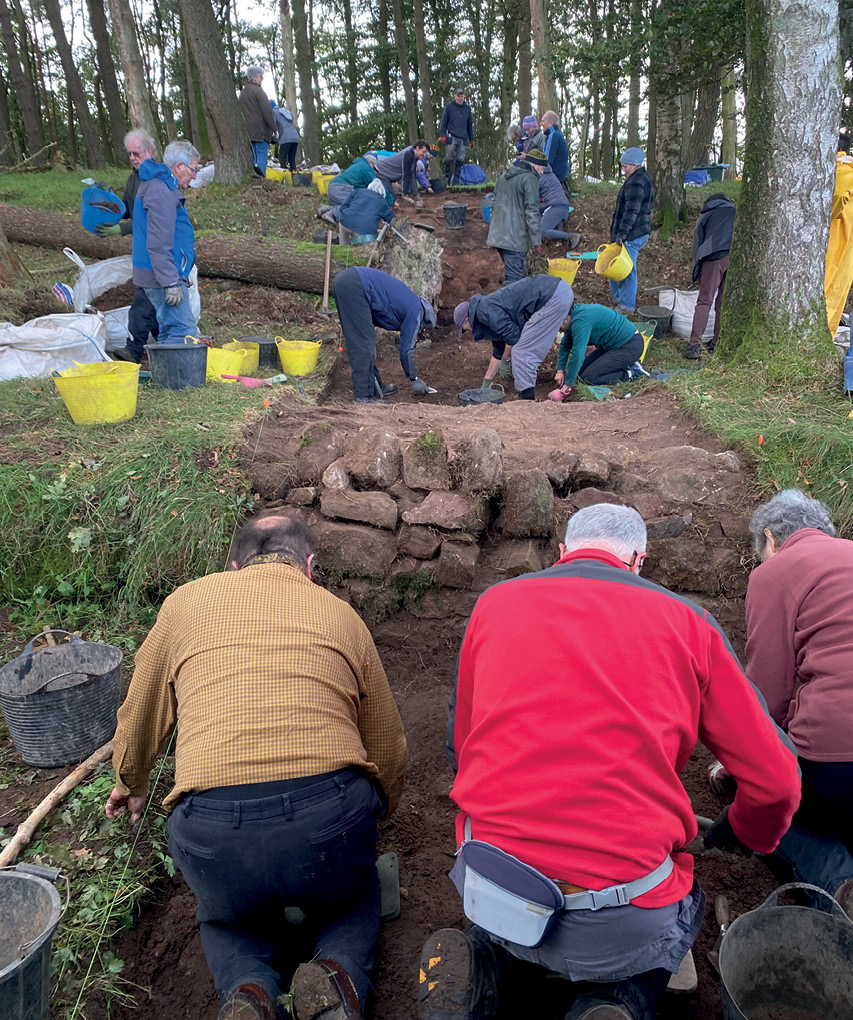
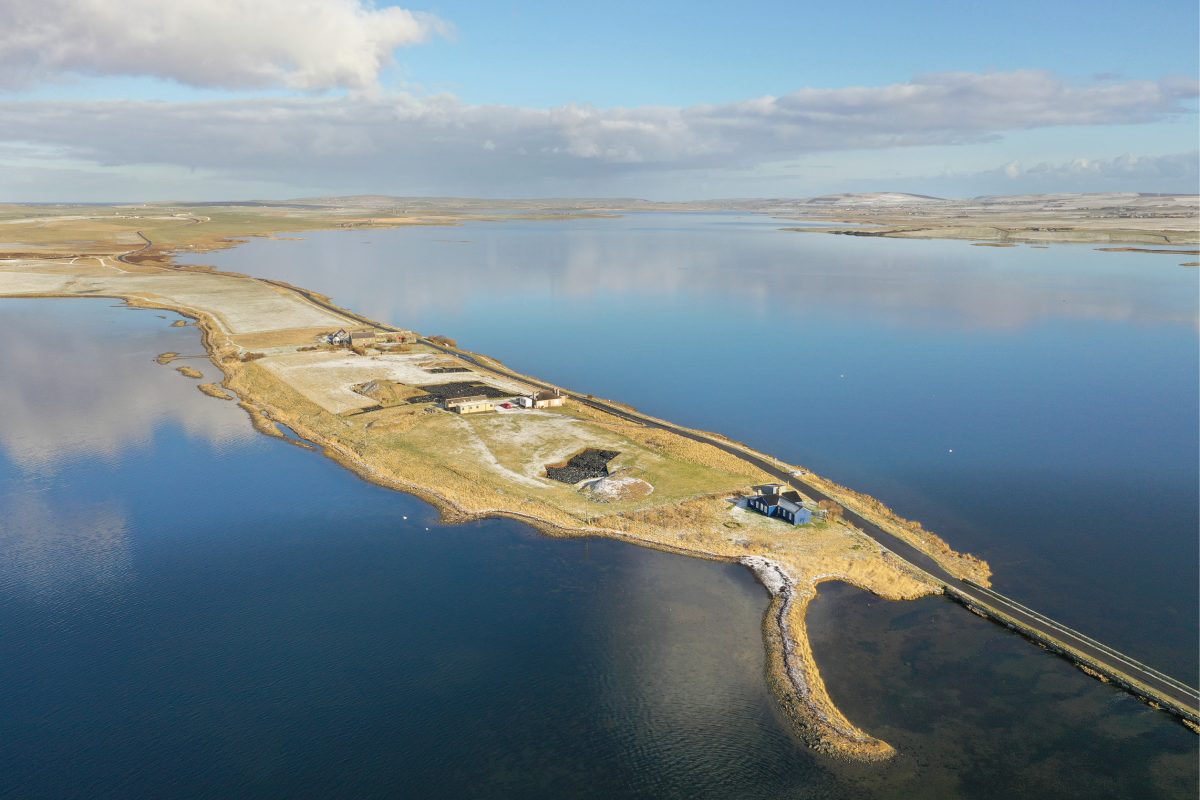
Alice Albinia spent some weeks at the Ness of Brodgar in 2017, and she writes of her time there as part of her Orkney experience in the opening chapter of The Britannias: an island quest. It made a deep impression on her, and she spent over a year in Mainland Orkney and the island of Hoy: longer than any of the subsequent visits to the other islands of Britain around which the book is centred. Albinia’s observations and insight into modern Orkney are acute and derived from her plunge into the world of work there (sometimes balancing three jobs, with her roles as author, mother, and wife), as well as the lives of her two young daughters and the friendships she made in the islands.
Her considerations of Orkney’s Neolithic past are also sharp. She has done her reading well, citing, inter alia, Mark Edmonds and Caroline Wickham-Jones in the extensive bibliography, both of whom are invaluable for any approach to Neolithic Orkney. Reading about Orkney’s archaeology and the Ness of Brodgar, my own specialist subject and site, and not feeling the need to exclaim ‘No!’ (at the very most, just a couple of ‘Mmmm, I’m not sure I agree there’-s) is a fine start to the quest, and allows for confidence in what lies ahead. Albinia’s experiences within Maeshowe, the finest of Orkney’s chambered tombs, and the Dwarfie Stone, a rock-cut tomb in Hoy, are profound: they are an elemental reaction to a deep past, and to ways of living that she seeks to comprehend and feel, not simply observe and unpick their technicalities. This need to understand – and to experience – winds through the whole volume.
The progression of The Britannias is not simply a geographical journey but a passage through time, moving from Orkney’s Neolithic through to Anglesey and tales of Druids, Romans, Boudica, and the islands of women. Albinia’s writing is good – very good – and she leads her reader well through the Roman, Greek, and Welsh sources, as well as through her reasons for the book’s title. In Orkney, Maeshowe introduces her focus on the female: she, like others, sees the ancient cairn as a womb. But Boudica and the many other women she explores bring into sharper focus her second theme, that of the heavily understated place of women in our histories of the islands of Britain (indeed, of anywhere). Her island stories move through Christianity in Iona; Augustine’s Thanet; Shetland and its Vikings; Lindisfarne/Avalon and the Reformation. The journey continues, to Islay and the Lordship of the Isles in the 12th century; to Rathlin (of which I knew little and am ashamed to say it); to Scilly; to Man. By now up to the 18th century, Albinia moves on to the 19th- century diaspora of the Western Isles, next visiting the Channel Islands, their desperate Second World War history, and the subsequent re-examination by outsiders of how the islanders dealt with its horrors. She concludes her travels with 21st-century Westminster (Thorney Island), and a brief consideration of Britain’s Overseas Territories. The book is both far-ranging and deeply engrossing.
Albinia’s explorations are also of ‘islandness’, the ways people live and come together within tight, small, separated places, and how the centre, the places of governments, and wider population regard the periphery, which of course, when you’re part of it, is not peripheral at all. Part of the book’s passage from beginning to end, too, is its quiet backdrop of the pain of a disintegrating marriage and the arrival of a new love, perhaps underpinning the author’s need to move and explore.
This is a book well worth investing time in, to learn from it and to enjoy the quality of the writing and research. The reader shares in the pilgrimage of places, time, and human life that the author asks us to accompany her along. This book is a rich, thought-provoking travelogue of the familiar, seen afresh through Albinia’s keen eye.
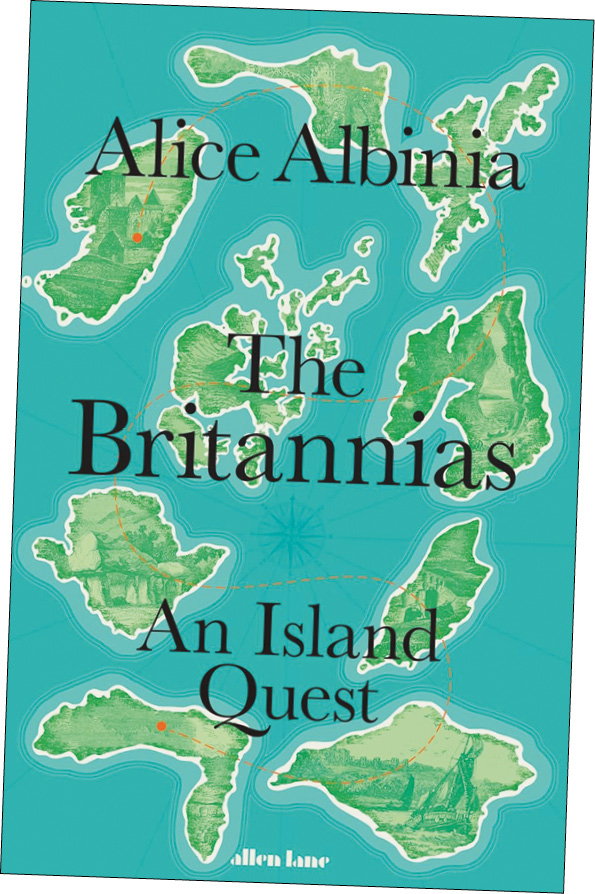
The Britannias: An island quest
Alice Albinia
Allen Lane, £25
ISBN 978-0241669631