
Subscribe now for full access and no adverts
Excavations at an Iron Age fort in County Dublin have uncovered evidence of the exotic tastes of its inhabitants, including the earliest archaeological remains of a fig discovered in Ireland.
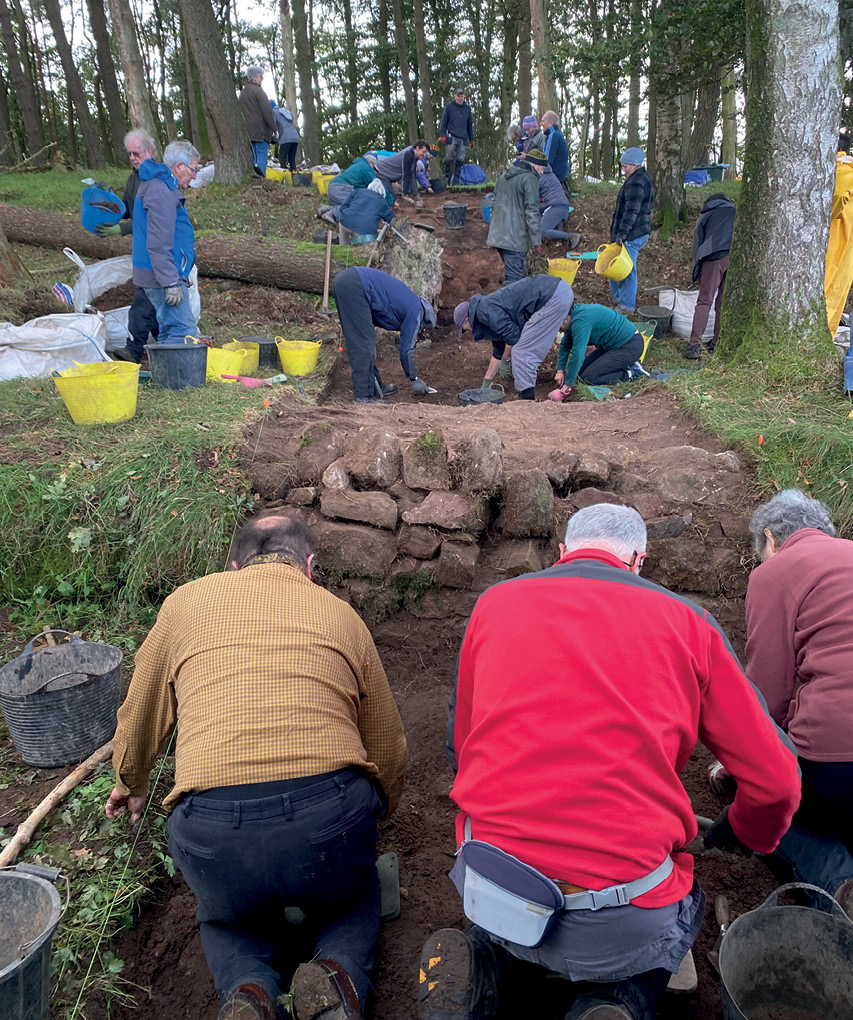
Drumanagh promontory fort consists of c.46 acres of land enclosed by earth banks and ditches, and over the last four years it has been explored by archaeologists from Fingal County Council as part of the ‘Digging Drumanagh’ project. Five trenches have been opened to-date, and this season’s finds spoke of the fort’s role as a trading post with connections to the Roman world. Extensive commercial routes made exotic food items – such as spices, nuts, and fruits – available across the wider empire, and to neighbouring lands like Ireland.

Among the comestibles found at Drumanagh were significant quantities of spelt wheat – a rare cereal in ancient Ireland but one that was a staple of Romano-British cuisine – with remains found in large storage pits that were later reused for waste disposal. The star find, however, was the charred remains of a fig. Identified by the project’s archaeobotanist Associate Professor Meriel McClatchie of University College Dublin, the unparalleled nature of the find was confirmed by a visit to Historic England’s Dr Ruth Pelling and Gill Campbell from the Heritage Science team at Fort Cumberland laboratories. While fig seeds dating back as far as the 13th century have been found in Dublin, Cork, and other Irish towns, this is the first instance of an actual fruit being discovered during an archaeological excavation in Ireland. Accelerator Mass Spectrometry (AMS) dating of the fig seeds was unsuccessful, however radiocarbon dating of the context returned a range of AD 105-222. ‘The fig and other imported finds indicate a wish to maintain the tastes, lifestyle, and identity of people from the Roman Empire in a land where such a diet was exceptional,’ Christine Baker, archaeologist and heritage officer at Fingal County Council, explained.
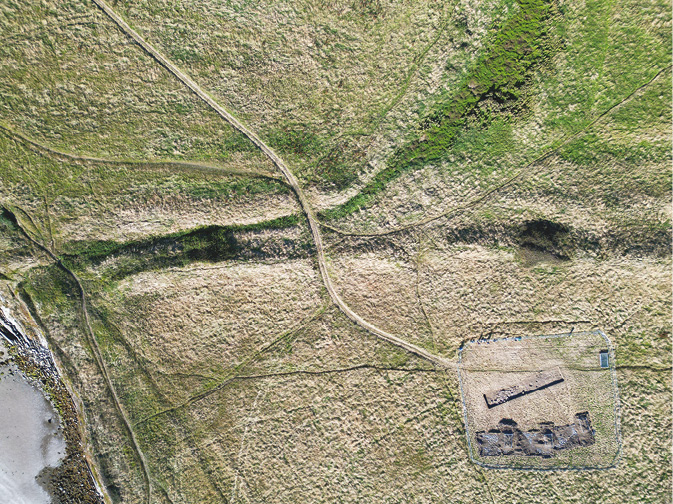
Additional finds include tools and worked bone, as well as a series of rectilinear structures that have been emerging over the last three seasons of excavation and are thought to be connected with manufacturing activities on the site. ‘The evidence uncovered so far points to a place of production and trade with a strong connection to the Chester/Wirral area of Roman Britain during the first 200 years after the Roman conquest,’ Christine commented.
There is still much more to be revealed at Drumanagh, and it is hoped that continued excavations in 2025 will uncover further illuminating evidence for the site’s use and the experiences of its occupants.
Text: Rebecca Preedy / Photos: Gary Devlin; Historic England