Subscribe now for full access and no adverts
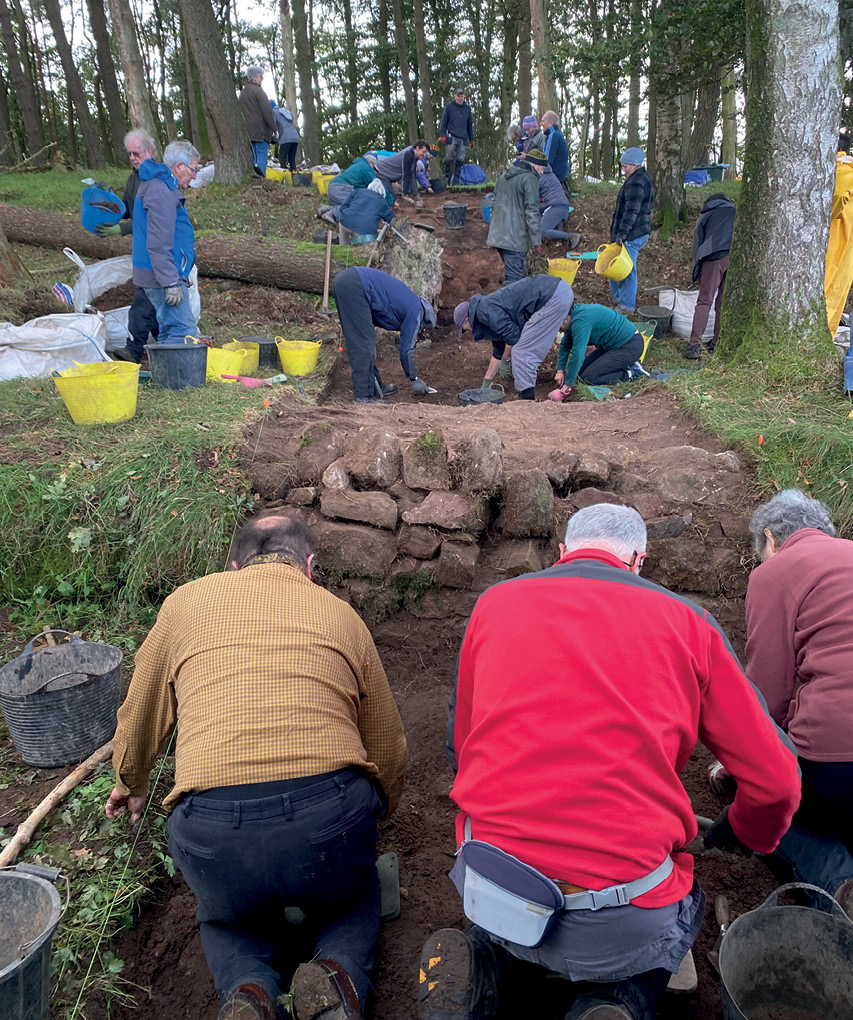
A previously undocumented steelworks dating to the 19th century has been discovered in Sheffield as part of continuing excavations, which began in 2015 to uncover the ‘lost castle’ (CA 351).
The steelworks would have formed one of three similar works on the Castle Hill site, where Wessex Archaeology uncovered a cementation furnace in 2018. This originally worked alongside the newly excavated crucible furnace, which has further identified the industrial nature of the site. The crucible furnace, located in a brick-bay furnace cellar, is now viewable as a 3D model on Sketchfab: https://sketchfab.com/3d-models/sheffield-castle-19th-c-crucible-furnace-1140f9fee7dc49a195ccd54d879d37c0.
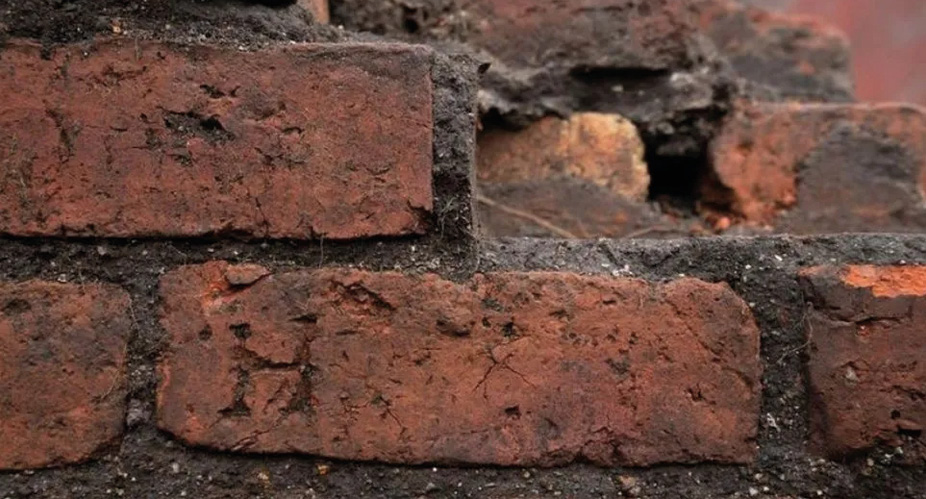
Two notable finds reveal clues about the people who worked at Castle Hill: a letter ‘H’ scratched into the wall of the crucible cellar could be the initial of one of the labourers, and a small hidey-hole, perhaps used to conceal a personal item, was discovered in the brickwork. ‘My first thought for the hidey-hole is that it might have been a stash for tobacco, or maybe a clay pipe,’ Ashley Tuck, the lead archaeologist on-site, commented, remarking that finds like these ‘encourage us to consider the people behind it, who would, by modern standards at least, have worked in an unpleasant and challenging environment.’
Another structure found in the excavations was a 19th-century slaughterhouse with a sloping tile floor, intended drain the slaughter filth into the river. Similar structures were uncovered in the 2018 excavations, demonstrating the variety of trades operating in Sheffield at this time.
The Castle Hill steelworks will be preserved within a new park as part of Sheffield City Council’s Castlegate Regeneration project, overseen by Keltbray, which is due to open in 2026. Visitors will be able to view the site, as well as the moat and gatehouse of the medieval castle, in the outdoor space overlooking the river Sheaf.
Text: Rebecca Preedy / Image: Wessex Archaeology