Subscribe now for full access and no adverts
Archaeological investigations in south Lincolnshire, linked to the ‘Digging Market Garden’ project, have uncovered objects relating to one of the largest airborne assaults in history – as well as some unexpected medieval finds.
Operation Market Garden was an attempt by the British Army’s 1st Airborne Division to seize a large piece of territory in the Netherlands in September 1944. Some of the division was based in Fulbeck Manor, Lincolnshire. Archaeologists were aware of airfield remains in the area, as well as related features such as runways and control towers. This summer, the ‘Digging Market Garden’ project set out to learn more.
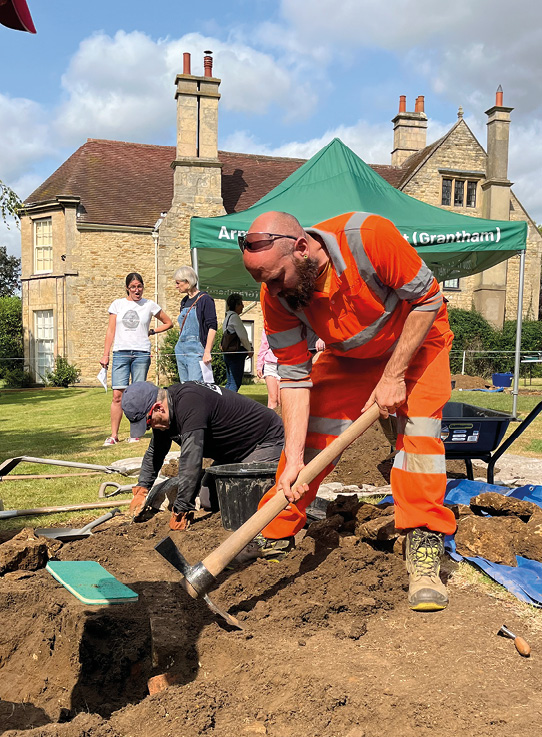
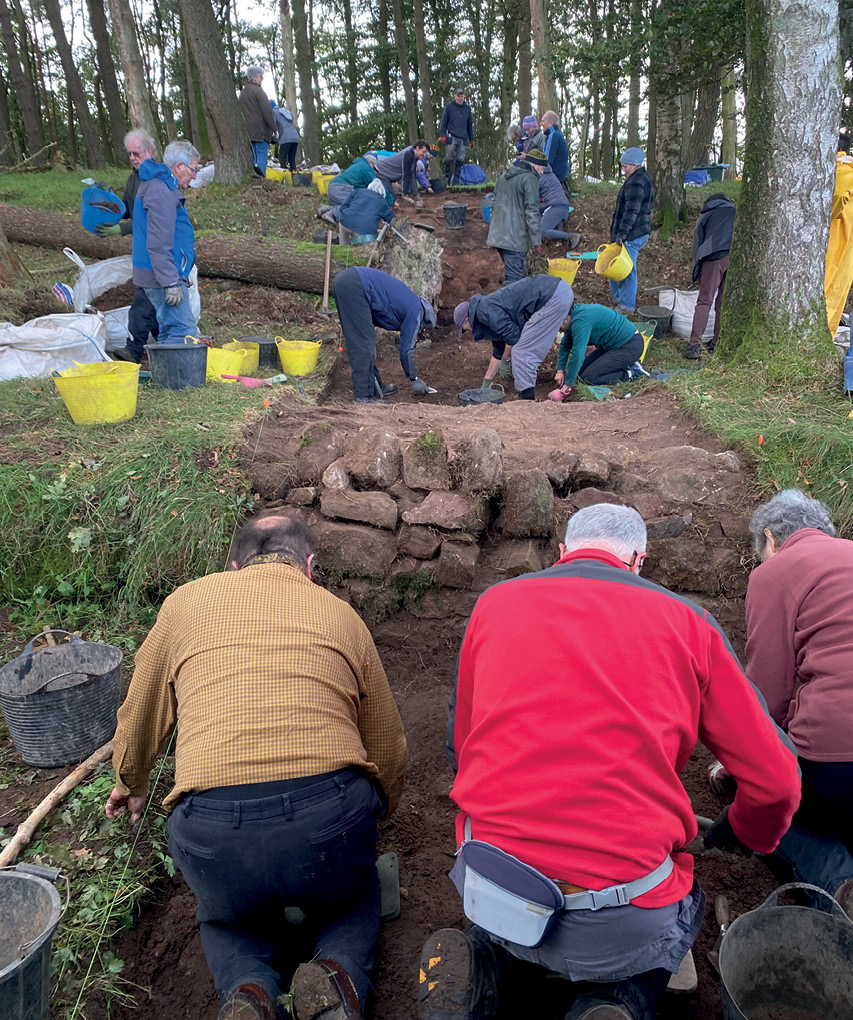
The excavation was a collaboration between South Kesteven District Council (SKDC), the MOD’s Operation Nightingale, and the charity Wings to the Past, led by Professor Carenza Lewis of the University of Lincoln and Dr Tim Clack of the University of Oxford. Its main focus was the suspected sites of two Nissen huts – prefabricated cylindrical structures in steel – whose presence was remembered by locals. Sure enough, the project team rediscovered their brick footings, together with metalled pathways, and other wartime finds from this area of the site included ammunition rounds, including blanks probably used in training exercises. There was evidence of machinery as well, such as part of an ignition condenser from a jeep, along with personal items including objects from soldiers’ kit and parts of their uniforms. Although Nissen huts were generally used for accommodation, the relatively low number of finds that emerged from them might suggest that these had been used for storage or as workshops.
Beneath the brick foundations, unexpected earlier remains emerged: stone walls associated with a medieval manor, as well as fragments of late 14th- or early 15th-century Midlands purple ware pottery. Glazed 13th- or 14th-century roof tiles were also recovered, testifying to an ornate roof. As the present manor house dates to the early 17th century, these medieval traces imply a long period of occupation and renovation on the site.
This first phase of excavation, funded by the University of Oxford, was intended to explore the potential for further work on the site. Following the season’s success, Professor Carenza Lewis and Dr Tim Clack are hoping that the project will continue. ‘All of us involved in DMG in 2024 are now keen to find funding for a more extensive programme focused on and beyond Fulbeck Manor into the area covered by the military base,’ they said.
Text: Rebecca Preedy / Photo: Timothy Clack