
Subscribe now for full access and no adverts
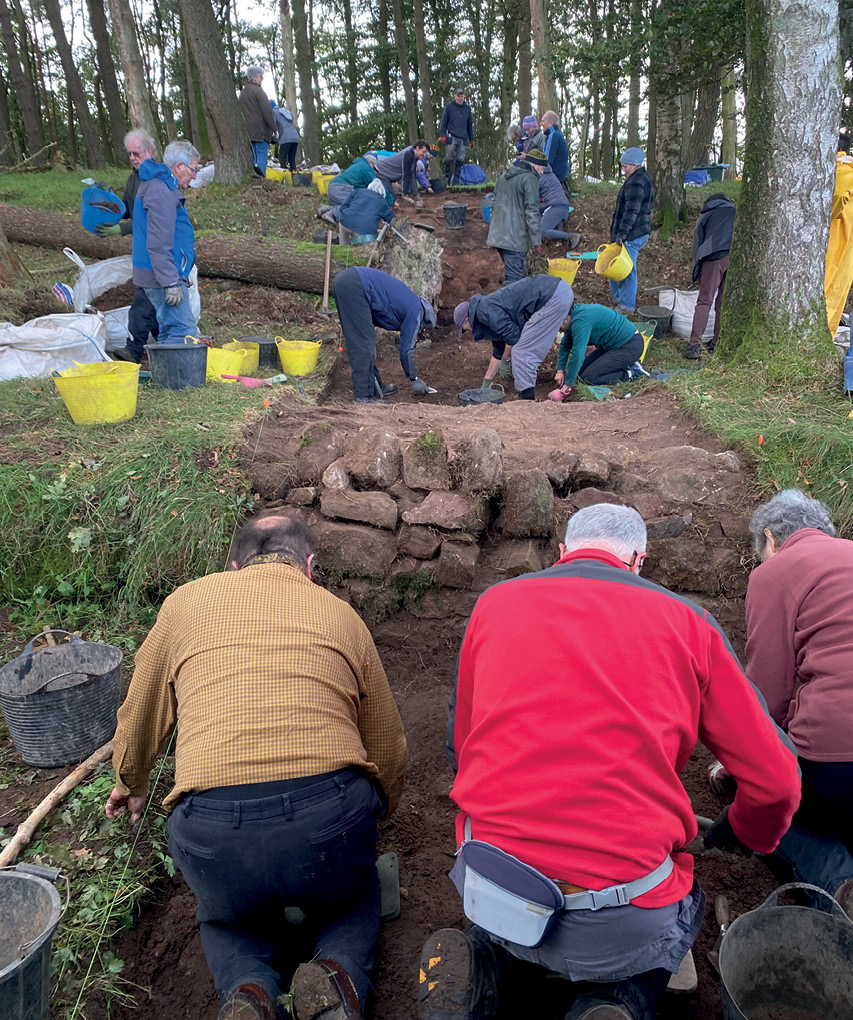
A prehistoric cemetery excavated at Winterborne Kingston, near Bere Regis in Dorset, is providing evidence of how locals adapted during the aftermath of the Roman invasion. Among the grave goods, excavated by students from Bournemouth University and a team of volunteers, are Roman-style wine cups and flagons, which suggest that the Mediterranean drink became a popular addition to life in the 1st century AD.
Six graves in particular indicate the extent to which the locals integrated into aspects of Roman life: one contained the bodies of two women in their 30s who had been buried together with a Roman-style wine flagon and goblet, sitting alongside two more Iron Age bowls. ‘The two were buried in the traditional way for late prehistoric Dorset, on their side in a foetal position. So, although the grave was dug ten-to-twenty years after the Romans arrived, it is clear that these people were still defining themselves, at least in death, as Durotrigian, taking only those things from the Romans, such as wine, that enhanced their afterlife,’ project co-director Dr Miles Russell explained.
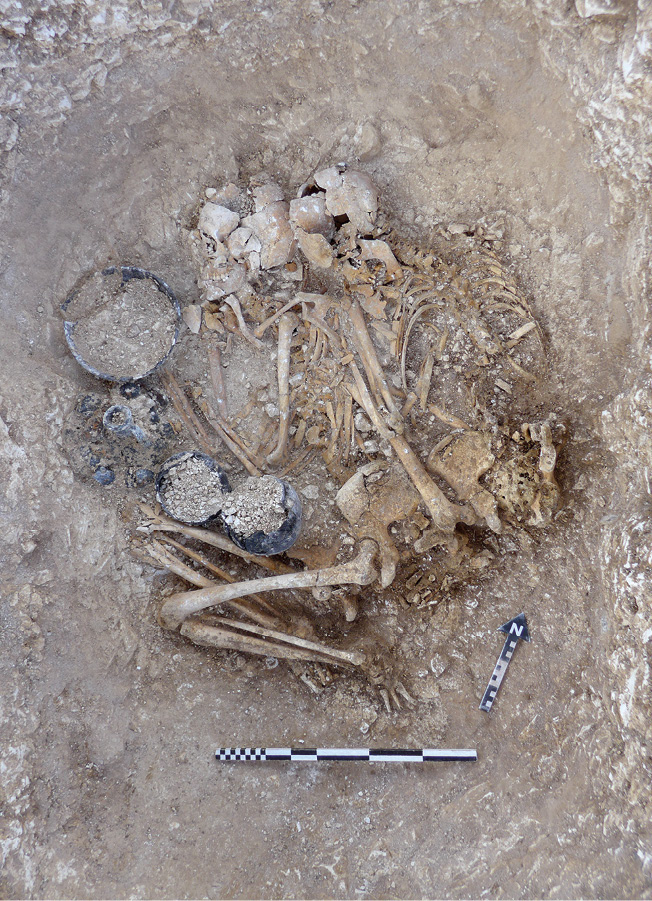
Wine cups featured strongly as grave goods, appearing in five other burials, including one of a child. Although the vessels look Roman, the team have identified that they were local copies manufactured in nearby Poole harbour. ‘They are made from a local fabric but are very much in a Mediterranean style and not something we had found in Durotrigian traditions before,’ said Kerry Barras, Finds Manager at the site. ‘They seem to be taking Classical designs and mixing styles, but they were found with crouched burials which are not at all Roman and are part of more regional traditions.’
Another grave contained two dog burials. Hunting dogs were important to Iron Age society and appear to have been a key British export for the Roman elite. Despite their status, Miles suspects these dogs may have been sacrificed, due to their placement in the grave and the fact that they died together.
Other graves in the cemetery, added two centuries later, contained the remains of men and women in coffins. ‘Our more Roman-style graves, set down in the 3rd century, are artefact-poor,’ explained Paul Cheetham, co-director of the project. ‘This suggests that, although burial customs did eventually change over time, the farmers of this area still weren’t benefiting much from belonging to a wider world and continued to maintain more native culture patterns.’
Text: courtesy of Dr Miles Russell (Bournemouth University) / Photo: Bournemouth University