
Subscribe now for full access and no adverts
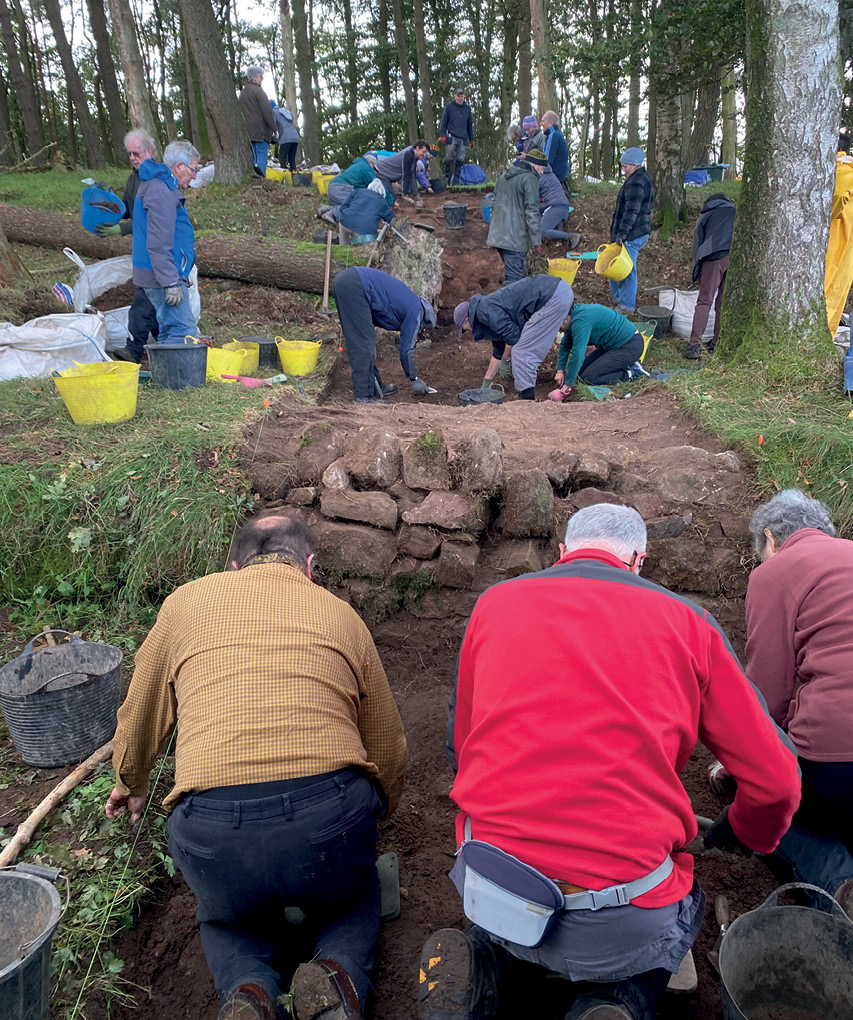
Oxford Cotswold Archaeology (OCA) archaeologists working on the A417 Missing Link improvement scheme in Gloucestershire have uncovered a Roman mutatio (literally ‘change’; the Latin term for a horse-changing station) among 12,000 years of archaeological material being brought to light under the project.
These rest stops were used to break up a long journey and change tired horses. Horse bones, bridles, and hipposandals – a Roman predecessor to the horseshoe – have all been found on the Gloucestershire site, and other finds are linked to the keeping and grooming of horses. Combined with the proximity of the site to Ermin Street, one of the most important Roman roads in the South-West, this evidence would suggest that what has been found there is an example of a mutatio.
Other examples of such sites in Britain include Tollgate Farm in Staffordshire (see CA 253), and Cotswold Archaeology’s CEO Neil Holbrook has noted similarities between the A417 site and one in Bourton-on-the-Water, which featured a building referred to in early reports as a Roman ‘transport café’.
Such sites often have military associations. At this stage, however, archaeologists are unsure whether it was owned by the Roman army. OCA Project Manager Alex Thomson explained that the site had been in use by the Romans from the mid- to late 1st century, when limestone quarry pits were opened to construct Ermin Street, which linked Glevum (Gloucester) to Corinium (Cirencester), and then on to Calleva Atrebatum (Silchester).
A settlement, including the mutatio, began to appear on the site around the 2nd century AD, and archaeologists believe that the peak of activity there was probably in the 3rd and 4th centuries, although this date will be refined during analysis of the dig’s findings.
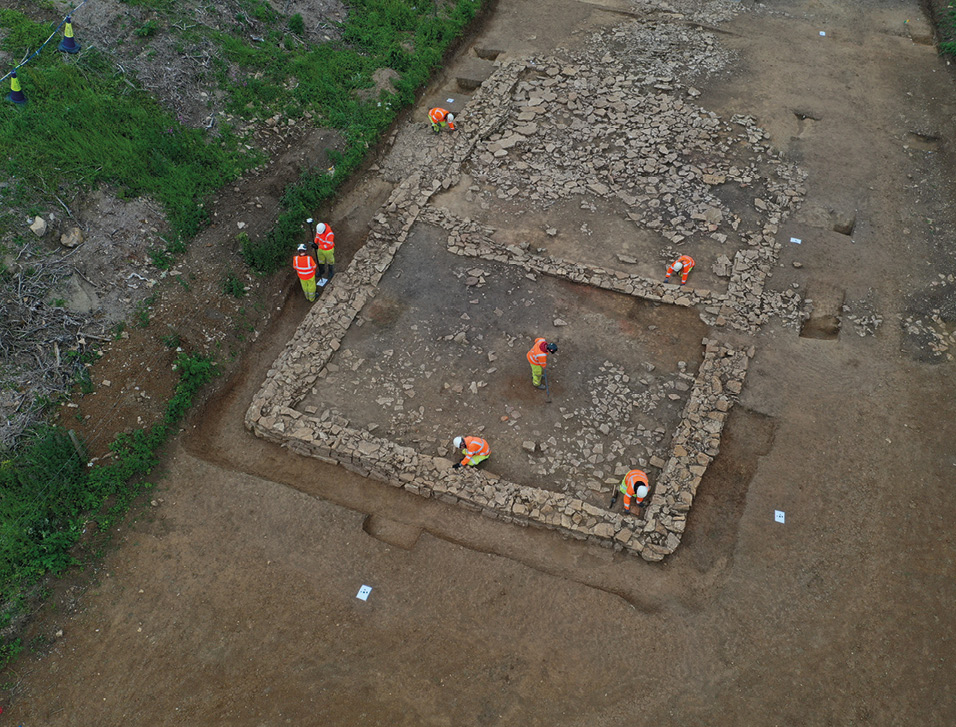
The site is not just home to a Roman settlement: the chronology of the area is vast, with features including Mesolithic and Neolithic pits, Bronze Age and Iron Age burials, Iron Age settlements and a banjo enclosure, and Roman funerary activity outside the main settlement all appearing within the 355,000m2 site. Most modern of all is a Second World War gun emplacement, complete with four large anti-aircraft guns and a command centre. It is therefore unsurprising that archaeologists and office specialists have to-date spent more than 100,000 hours excavating and processing the finds, which currently number more than 10,000.
One of the Roman finds is of particular interest: a Cupid figurine that has been styled as Hercules, recognisable by the club in his tiny hand. The figurine was found in a charcoal deposit, notable in a ditch filled with the results of gradual silting, which Alex Thomson explains may indicate a deliberate deposit. ‘It’s very unlikely that Cupid would have been thrown away: he’d have been a very valuable possession at the time. It’s possible that his deposition was indeed an offering, perhaps one to the gods for aid in someone’s fortune (or even their love life?),’ he stated.
Other examples of possible ritual offerings found in the excavations include three interlinked brooches, indicating that the Cupid was part of a wider pattern of structured deposition on site.
The site itself is contributing to key research objectives for the South-West by enhancing current understanding of Roman rural settlements that are not villas, as well as trade and commerce. A rare site for the Cotswolds, the excavations here have highlighted important areas across the road corridor, which can be linked to other local sites as well as to one another.
Text: Rebecca Preedy / Image: Oxford Cotswold Archaeology