
Subscribe now for full access and no adverts
Four archaeological samples taken from contexts spanning in date from the early Iron Age to the medieval period have tested positive for Borrelia recurrentis – a bacterium that causes relapsing fever, an illness with many recurring episodes of fever. It is a distant cousin of the bacteria that causes Lyme disease, but is spread by lice instead of ticks. Today, it is typically found in areas with poor sanitation or overcrowding, such as refugee camps.
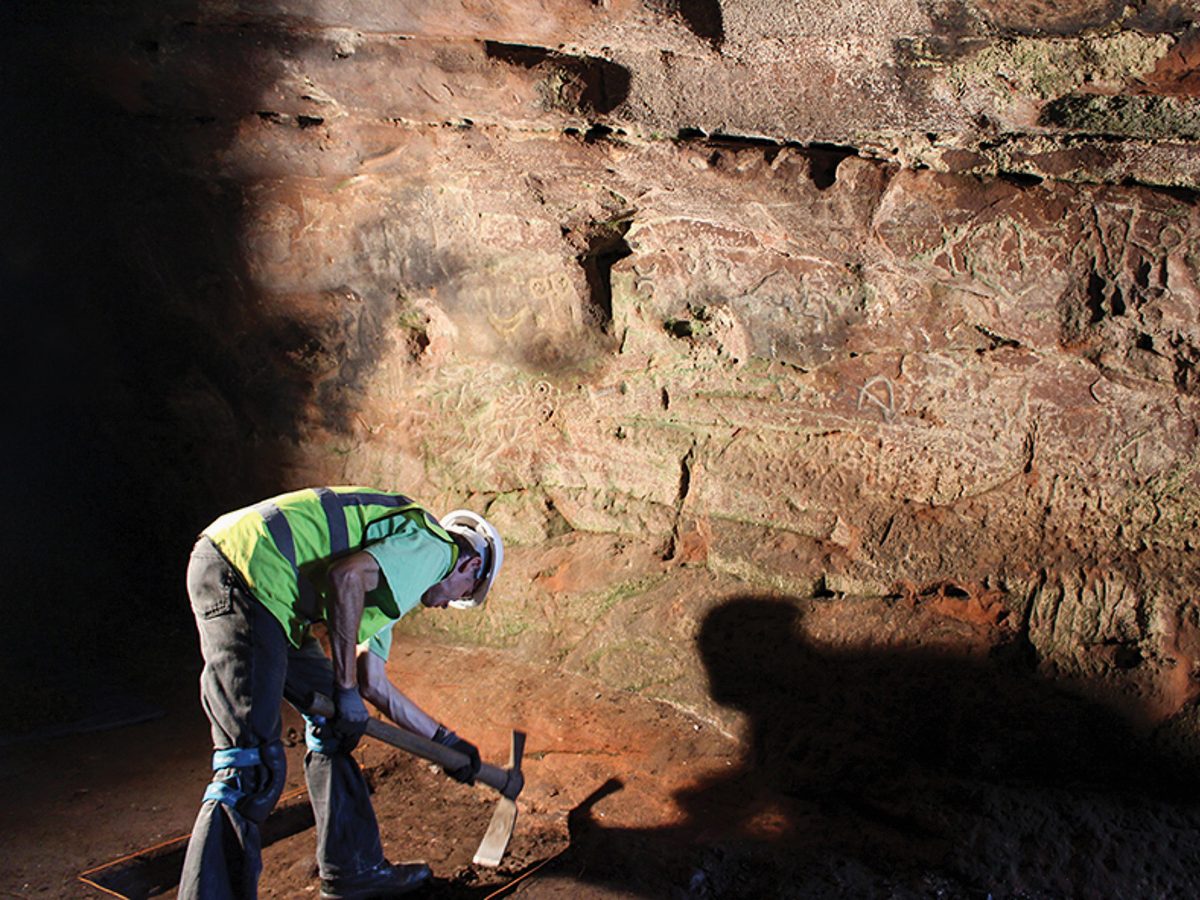
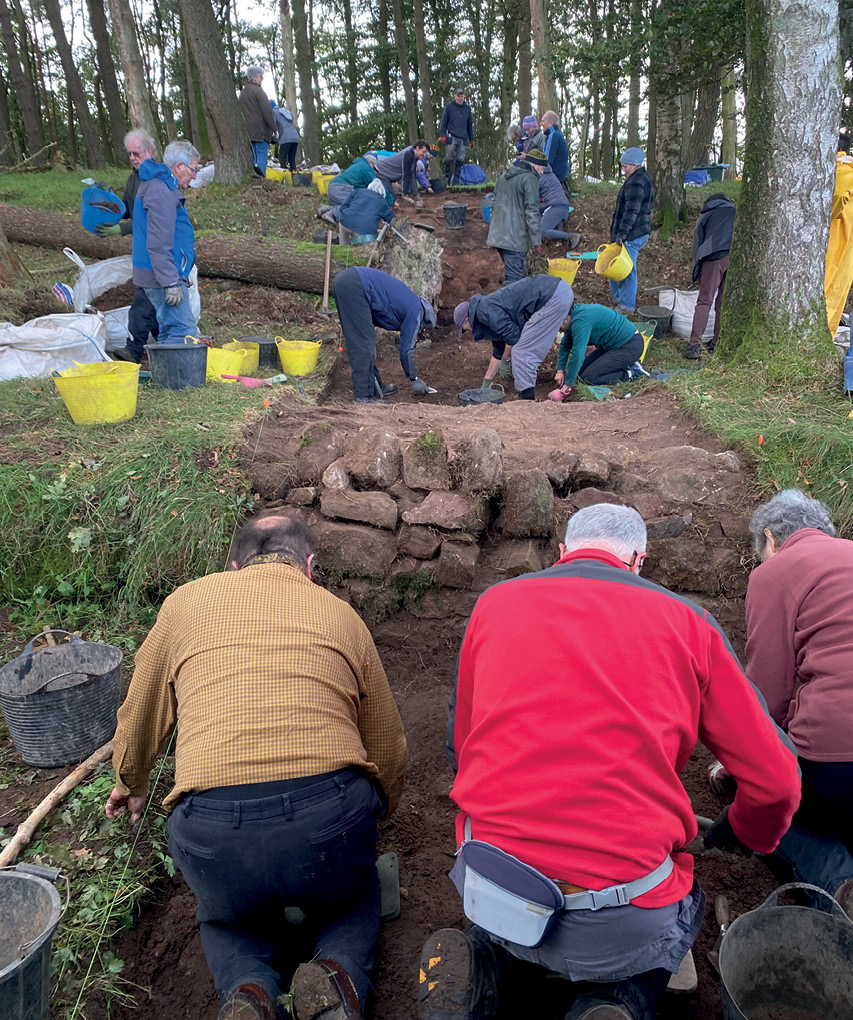
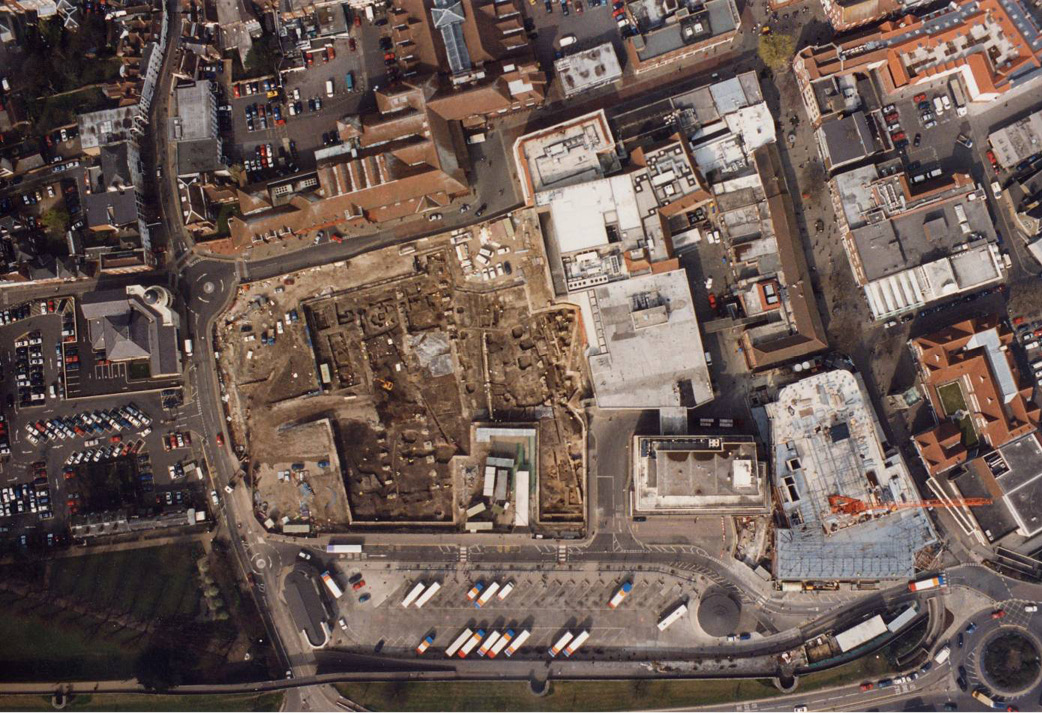
Interested in studying the origins and evolution of louse-borne bacteria, the team – led by researchers from UCL and the Francis Crick Institute – screened a large set of aDNA samples in order to identify those that might have been infected with such bacteria. They were able to find B recurrentis in four samples, and managed to sequence the whole genome of each. These samples, ranging in date from 2,300 to 600 years ago, were extracted from: a female skeleton from Wetwang Slack, an Iron Age barrow cemetery in East Yorkshire (CA 61); a human jawbone from Fishmonger’s Swallet, an Iron Age cave in South Gloucestershire; a tooth from a medieval Augustinian cemetery in Canterbury; and a tooth from a man buried in a medieval chapel in Poulton, Cheshire (CA 352). In particular, the Poulton individual appears to have had a large amount of the pathogen present in his body at the time of death, suggesting that he may have died from the infection. It could also be, however, that the DNA was exceptionally well-preserved in that sample, which allowed researchers to recover a high-quality genome.
These newly sequenced genomes have shed new light on the evolution of B recurrentis, showing that the species probably diverged from its closest tick-borne cousin, B duttonii, around 4,000 to 6,000 years ago. It also appears that the bacteria’s transmission changed from tick bites to lice sometime between the Neolithic and early Bronze Age, and that during this transition there were a large number of genetic changes, which may have affected the bacteria’s ability to hide from the immune system. The team thinks that this transition may have occurred in response to changes in human lifestyles, as people started living close together and the wool trade began, with wool providing good conditions for lice to lay eggs.
Text: Kathryn Krakowka / Image: Canterbury Archaeological Trust