
Subscribe now for full access and no adverts
Yeavering, near Wooler in Northumberland, was a power centre associated with the 7th-century kings of Bernicia and Northumbria. Its elite connections are described by the chronicler Bede, and in the mid-20th century Brian Hope-Taylor excavated the remains of huge timber halls that once stood on the site. Now, Durham University investigations have revealed previously unknown aspects of the settlement, shedding light on the ordinary people who enabled the royal centre to operate, and have recovered vital new dating evidence.
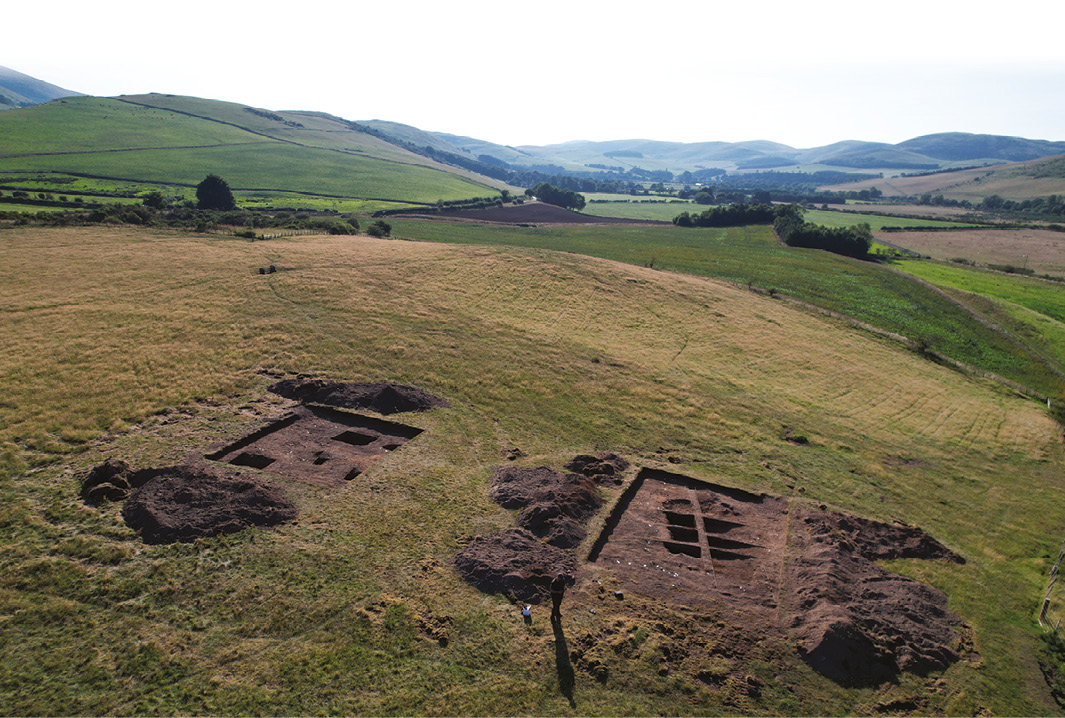
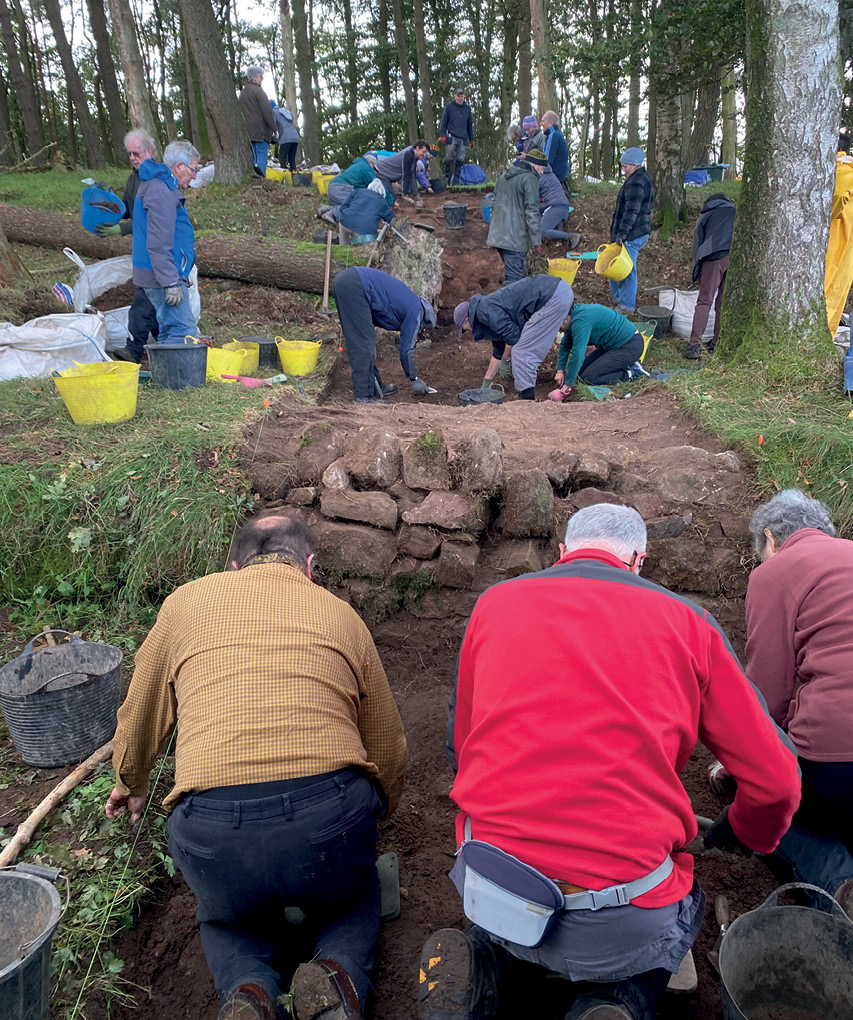
Working with The Gefrin Trust, the Durham excavation was the first at Yeavering since the 1980s. One of its trenches reinvestigated an area explored by Hope-Taylor, targeting a sunken featured structure called ‘Building C1’. Another was opened to the north, over a previously unexcavated, roughly rectangular feature identified through aerial photographs and geophysical survey, which was suspected to represent another building.
Hope-Taylor’s proposed phasing for the site does not have a scientific dating scheme behind it – but his archive, today held by Historic Environment Scotland, preserves photographs of charcoalised timbers. The modern project hoped to relocate remains of these finds for radiocarbon dating – and, sure enough, the team has been successful in relocating Building C1, and has recovered samples which have gone for analysis.
The trench to the north, meanwhile, confirmed that the rectangular feature was the footprint of a fairly large sunken and post-built structure. Fortuitously, this building was well preserved, project director Professor Sarah Semple reported, with surviving floor levels which yielded a wealth of finds. These included fragments of animal bones, which do not typically survive in the acidic local soil.
It is thought that the building may have had an industrial purpose, Sarah told CA. ‘This might have been a workshop, possibly for textile production or for making clay loomweights, as we have found finished and unfinished examples of these,’ she said. ‘The animal bones might also be associated with craft work. The Yeavering narrative typically focuses on Bede and royalty, but here we are excavating the ancillary buildings associated with this settlement.’ There are plans for further excavations and surveys on the site in the near future, she added. Watch out for further coverage in a future issue of CA.