Subscribe now for full access and no adverts
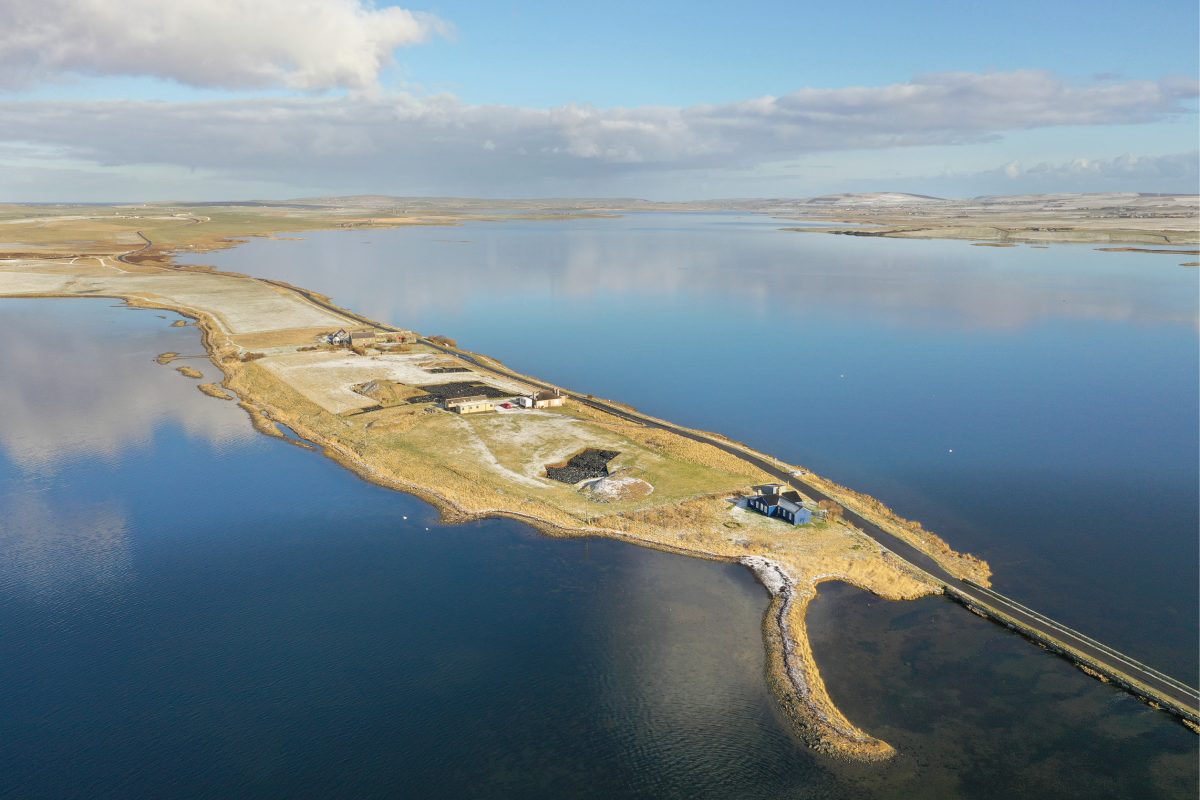
Human remains discovered on Lindisfarne in 2022 have been identified as disturbed burials that were potentially associated with an early medieval chapel and cemetery at the island’s famous medieval monastery.
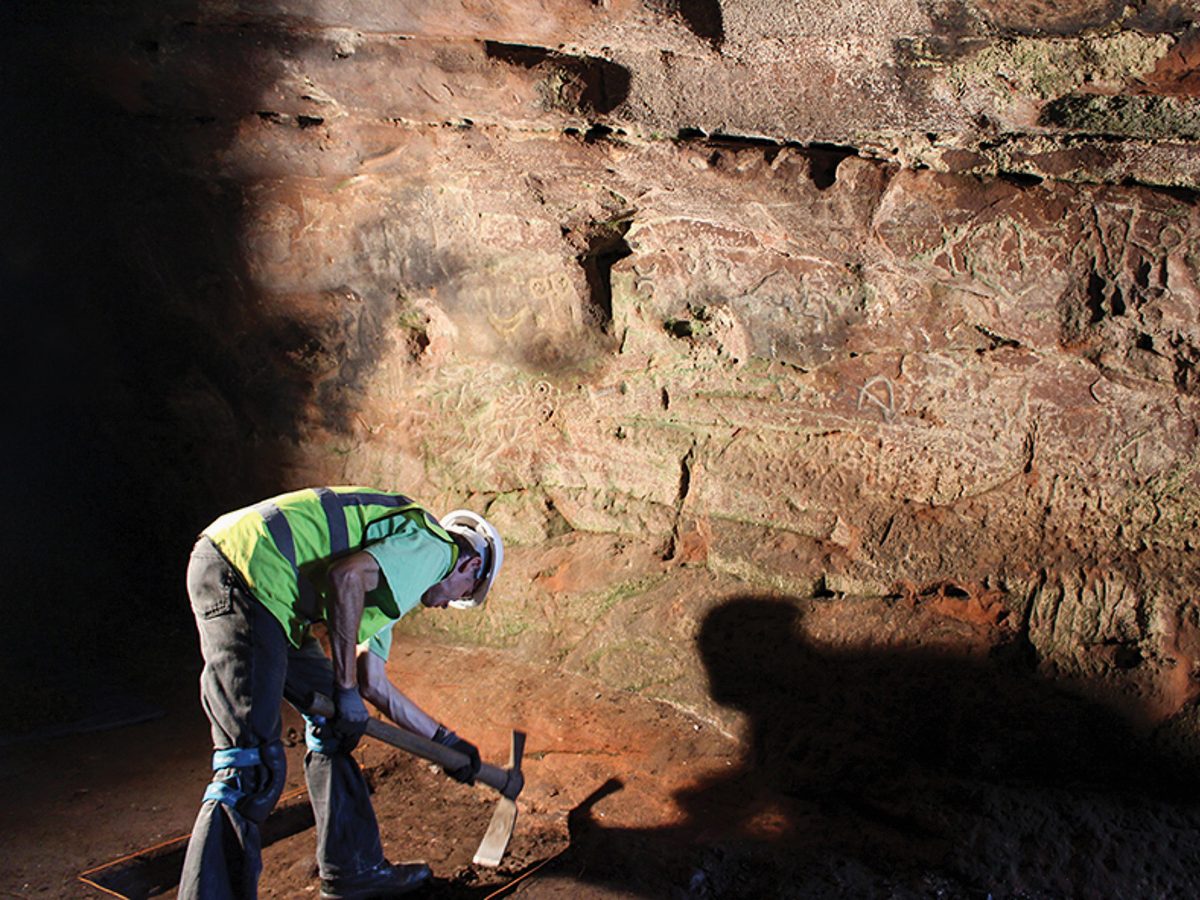
The bones were initially discovered during a watching brief undertaken by AOC Archaeology on behalf of WSP Consultants on the advice of Northumberland County Council archaeologists as a planning requirement for the construction of a new coastguard building. At this time, the bones – which are thought to belong to at least seven individuals – were recorded and sampled in situ, but they have now been recovered and sent for scientific analysis, which it is hoped will reveal more information about the age and sex of the people they represent.
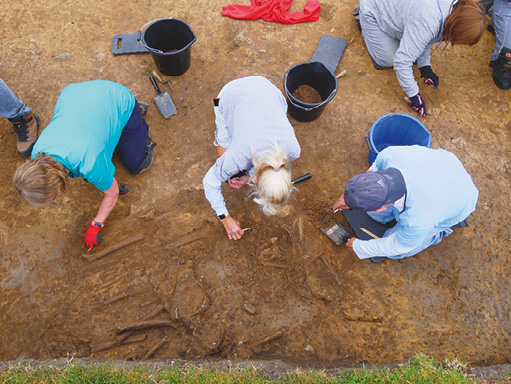
Radiocarbon dating indicates that the individuals died in the 8th to 9th century, which would line up with the peak of Lindisfarne’s monastic activity, when it was an important Christian centre within early medieval Northumbria. The religious settlement was thriving at this time, and later records mention a cemetery or chapel of St Columba which formed part of the wider site. It is now thought that the disarticulated bones found in 2022 may have been charnel that was reburied after graves from this cemetery were disturbed.
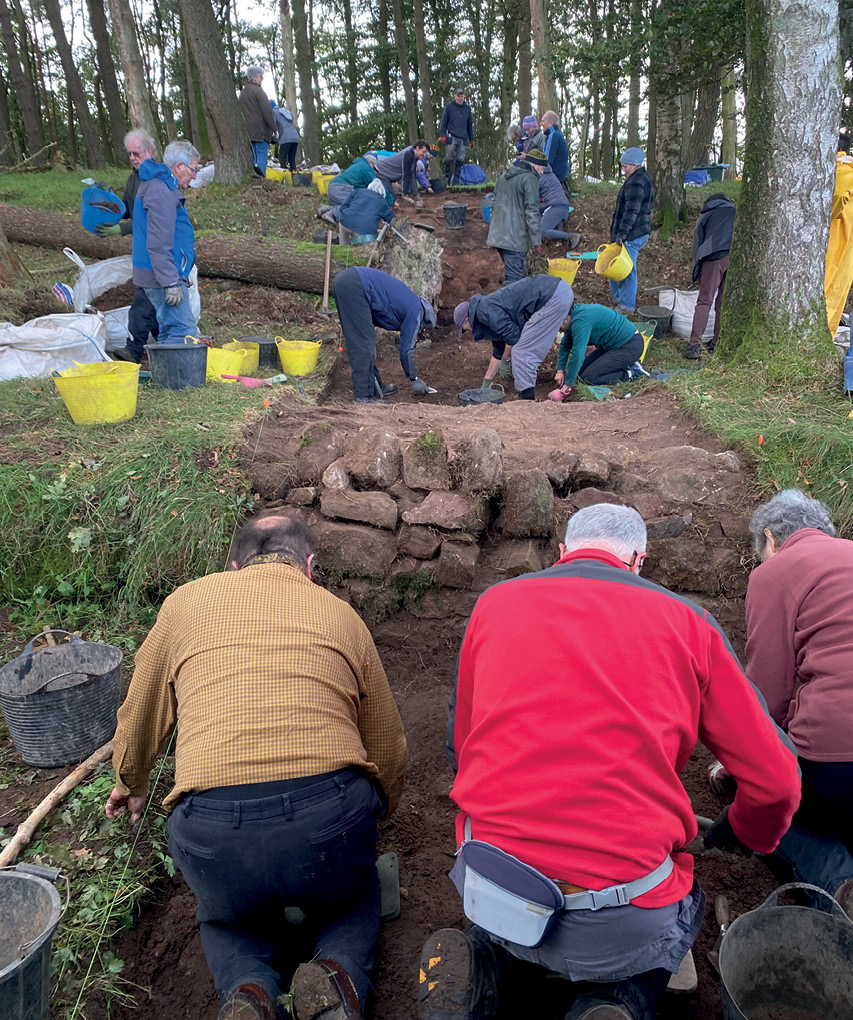
The 2024 investigation of this particular trench was jointly funded by Northumberland Coast National Landscape and DigVentures, and represents just one aspect of recent excavations on the island: Lindisfarne’s monastery has been the focus of extensive archaeological work carried out in a separate project by DigVentures and Durham University, which over the last seven years has revealed buildings, workshops, and part of a burial ground (see CA 357, CA 391 ‘News’, and CA 319 ‘Context’). In 2024, this initiative uncovered finds ranging from small objects, like coins, hair-pins, combs, and rings, to larger carvings and other stonework including two runic ‘name stones’ commemorating individuals of note during the time of Viking raids on the island. The remains of an early medieval smithy were also uncovered during this year’s excavations, with evidence of a workshop, furnaces, and metal remains.
David Petts, Associate Professor of Archaeology at Durham University, explained how the trench which yielded the human remains adds to this picture: ‘This trench has helped us understand the wider plan and extent of the early medieval monastery – in particular, it has confirmed that activity of this date seems to spread across the entire village.’
For more information about work by DigVentures and Durham University at Lindisfarne, see http://www.digventures.com/projects/lindisfarne.
Text: Rebecca Preedy / Image: Nick Best