Subscribe now for full access and no adverts
Archaeologists are well-used to working in trenches – and now excavations by Archaeology South-East (part of UCL Institute of Archaeology) have uncovered traces of an East Sussex site used to train troops destined for the front-line trenches of the First World War.
Opened in 1914, Cooden Camp trained British and international soldiers to fight on the Western Front, before it was transformed into a Canadian Red Cross Hospital in 1918. It was completely levelled at the end of its military life, but its remains have now been brought to light through excavations carried out ahead of a planned development by Bellway, who commissioned and funded the dig.
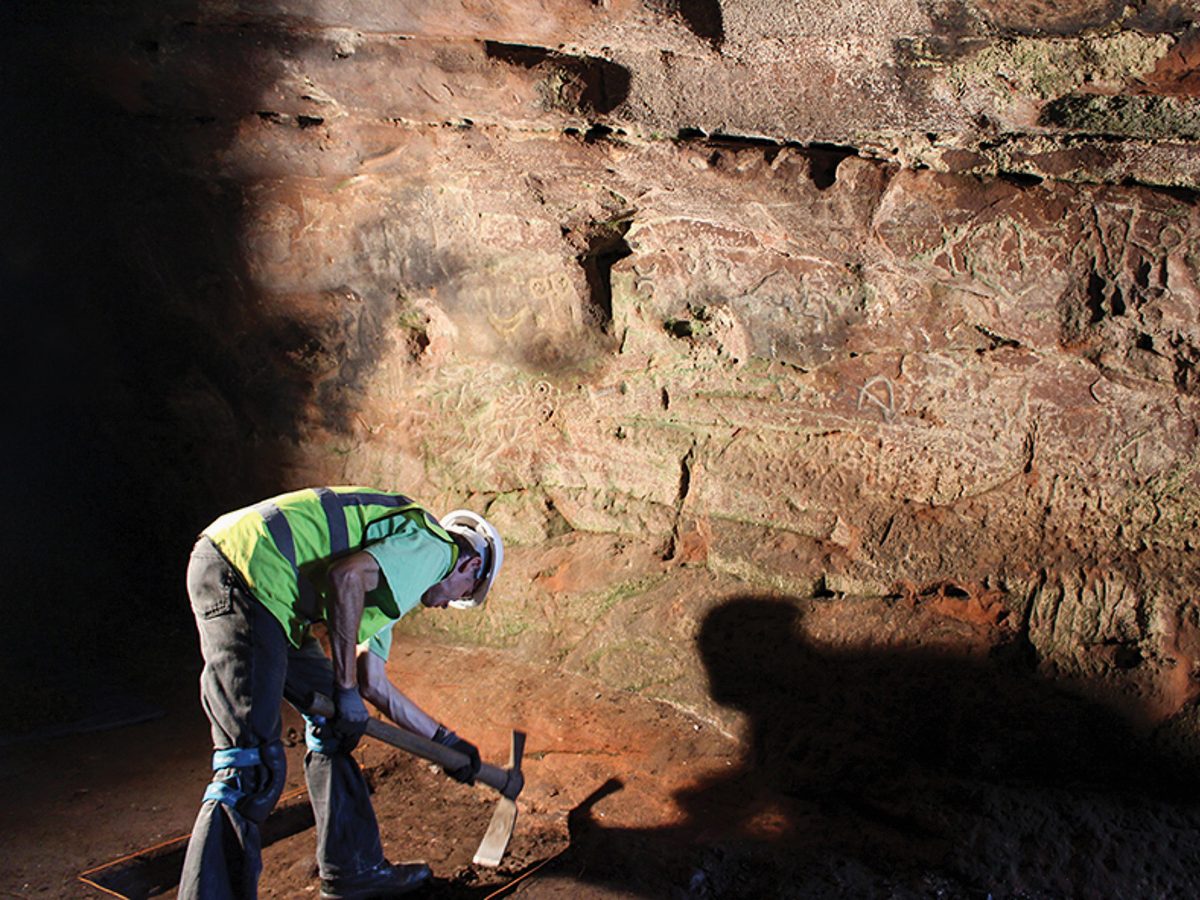
The team initially opened a series of trial trenches on the site, and when these revealed structural remains associated with military activity, they expanded their investigations to establish the layout of the camp, including trenches that were used for drainage, and others used in training exercises.
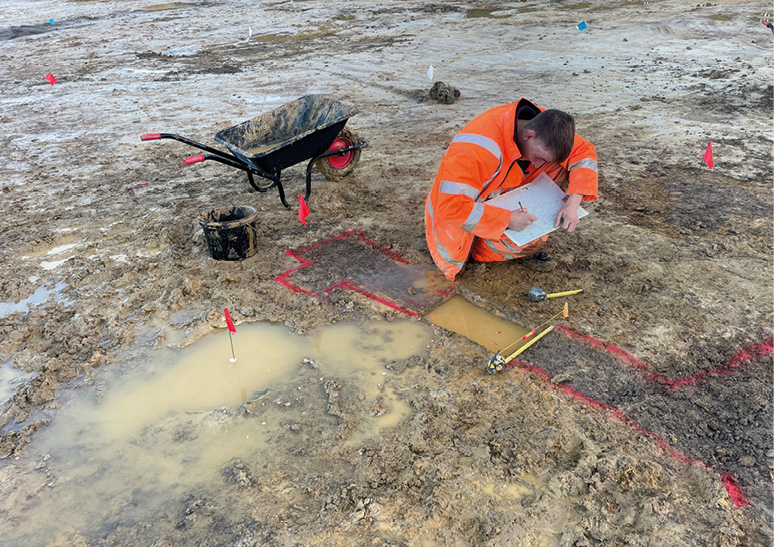
Particularly illuminating features were those identified as rubbish dumps, which produced a diverse range of material ranging from domestic items like crockery and glass, to more martial finds such as spent ammunition, buttons, and buckles, as well as leather boot fragments and textiles. ‘Close examination of some of the material will undoubtedly shed more light on wartime life at Cooden,’ Simon Stevens, Project Officer at Archaeology South-East, explained.
The excavations add invaluable information to our understanding of a long-vanished site – and the camp holds a particular local significance, as Simon explained: ‘Documentary sources show that the camp was originally set up to house three battalions of men mostly from across Sussex, destined to serve with the Royal Sussex Regiment. Many of those trained here would have been among the devastating casualties suffered on the Western Front on 30 June 1916 – known locally as “The Day Sussex Died”.’ Stories from relatives of those who trained at the camp have been coming to light as well.
Following post-excavation analysis, the team plan to hold an exhibition day and outreach sessions to allow members of the public to find out more about the camp (details will be posted at http://www.ucl.ac.uk/archaeology-south-east/cooden-camp-bexhill). The results of the excavation will be published in due course.
Text: Rebecca Preedy / Image: © Archaeology South-East/UCL