
Subscribe now for full access and no adverts
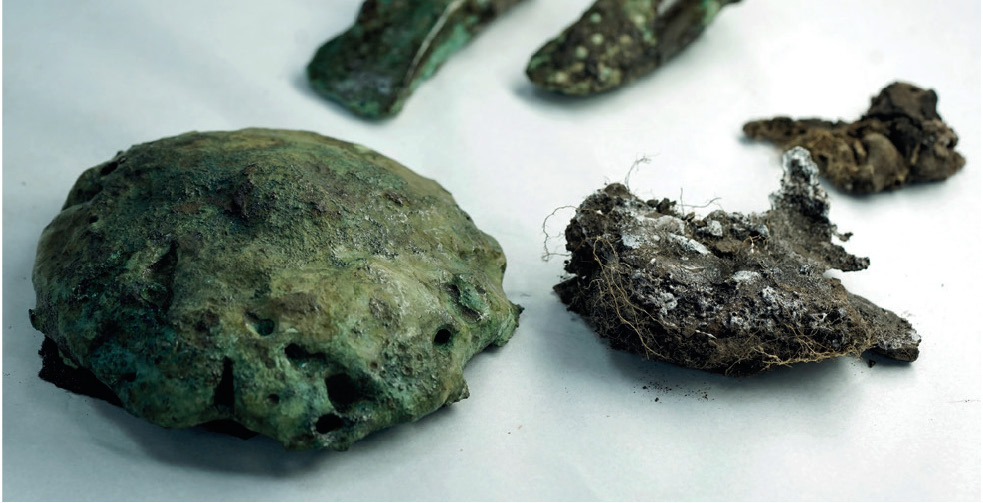
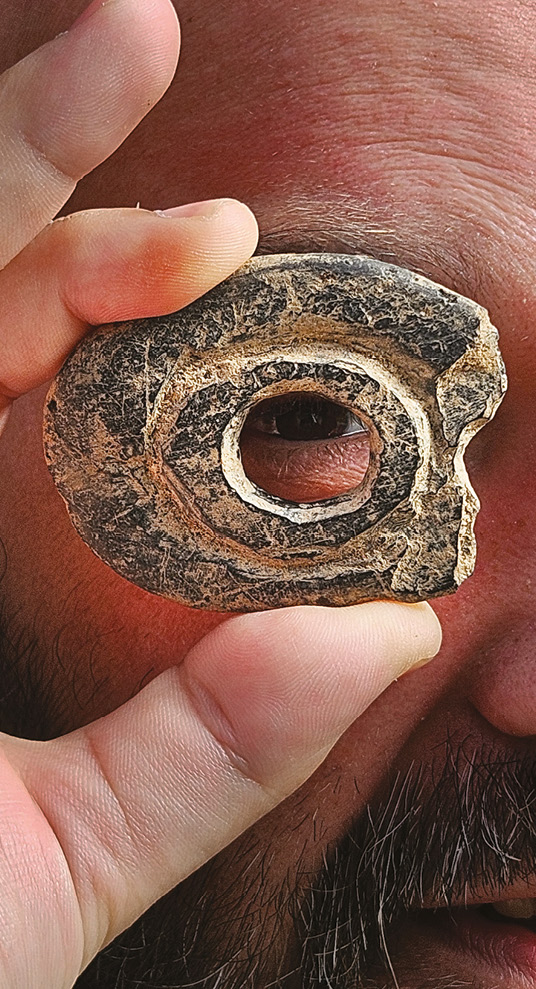
An excavation at the 1,500-year-old churchyard of Govan Old in Glasgow has revealed evidence of early medival craftworking, including two incomplete finger-rings, which were discarded before completion.
While the church that currently occupies the site was built in the Victorian period, the site is much older, with burials dating to the 5th and 6th centuries AD (see CA 198). Historical evidence, meanwhile, suggests that the site became the major political and religious centre in the Kingdom of Strathclyde after the destruction of Dumbarton Rock by Vikings in AD 870.
The curent investigations build on the excavations of the 1990s, when Professor Stephen Driscoll led the first systematic investigations at Govan Old, which revealed evidence of earlier iterations of the church and recovered the first evidence of shale working. Since 2022, Stephen has directed further surveys and excavations in the churchyard, working with Govan Heritage Trust and Clyde Archaeology, and this work has recovered additional examples of worked shale. The team suggest that shale was being used due to its resemblance to more-expensive jet, and may have been fashionable for church and secular elites of the time. None of the shale objects are complete, some are unfinished roughouts, but most are roughly shaped offcuts, which have been found across a wide area of the churchyard. This distribution and the roughouts indicate the presence of a shale workshop somewhere on the site.
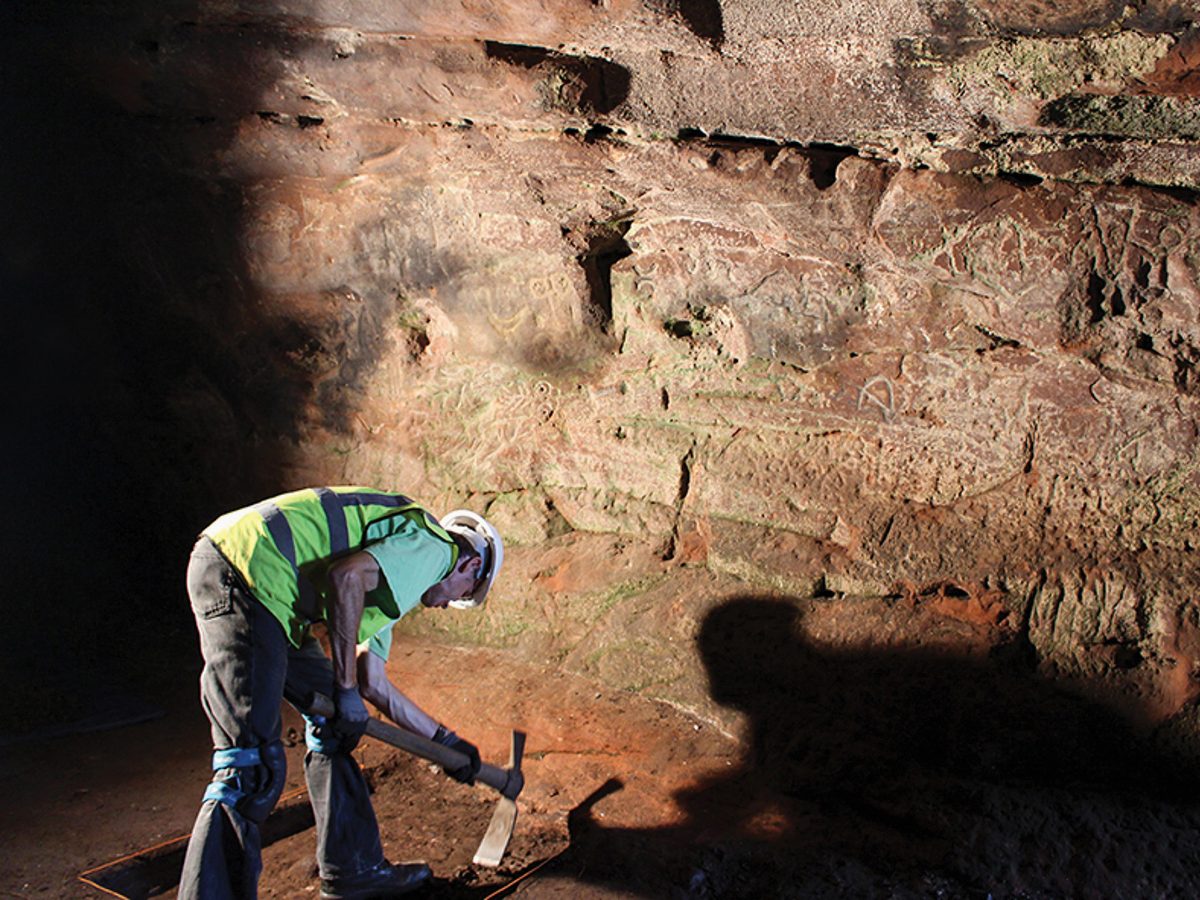
The current work, which was funded this year by the National Lottery Heritage Fund Scotland and Glasgow City Heritage Trust, have also been disentangling the 19th-century graveyard activity from the early medieval levels associated with the original entrance. These have also produced a large number of iron furnace bases, pointing to the working of iron on site, a feature seen at other early medieval church sites. These traces of industrial activity at Govan Old add to a growing picture of this site as a thriving ecclesiastical and political complex.
The current excavations have been disentangling the 19th-century graveyard activity from the early medieval levels associated the original entrance. These excavations have also produced a large number of iron furnace bases, which point to the working of iron on site, a feature seen at other early medieval church sites. These traces of industrial activity at Govan Old add to a growing picture of this site as a thriving ecclesiastical and political complex.
Text: Kathryn Krakowka / Image: Govan Workspace Ltd