
Subscribe now for full access and no adverts
Discovered in 2019 after a metal-detectorist found a lead ingot near the site, a Roman villa at Rossett, Wrexham – the first of its kind to be found in north Wales – is now being excavated, revealing new details about its long lifespan.
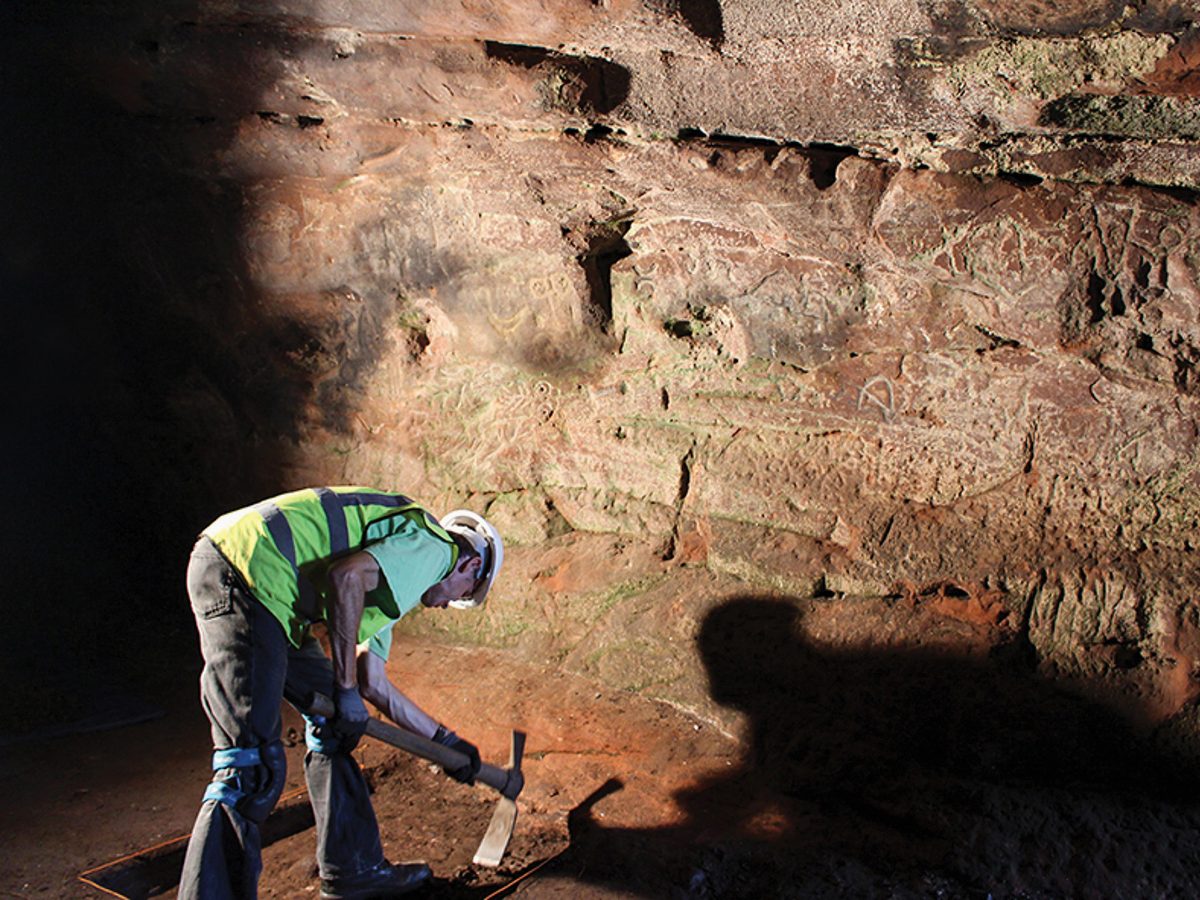
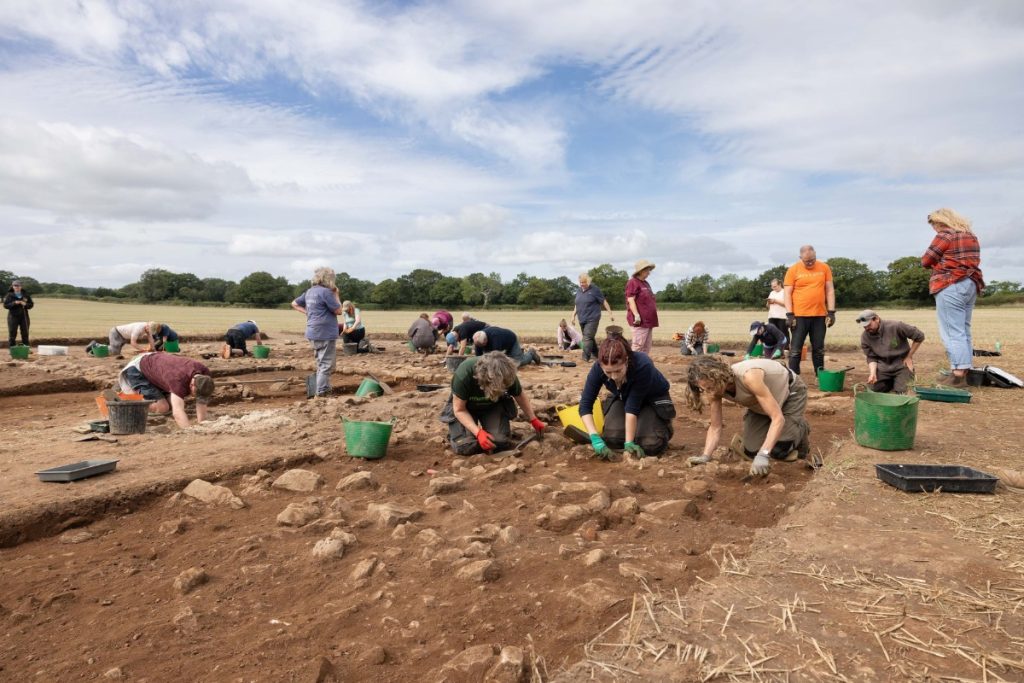
After the lead ingot was found, geophysical survey of the site in 2020 by the University of Chester, Wrexham Museum, and Archaeological Survey West revealed the outline of a Roman villa of the winged-corridor type (see CA 371). Now, following a successful crowdfunding campaign to investigate the site further, the University of Chester and DigVentures have come together, excavating the villa earlier this year in collaboration with Heneb: the Trust for Welsh Archaeology, Wrexham Museum, and the Portable Antiquities Scheme (PAS) Cymru.
The excavations confirmed much of the tentative evidence from the geophysical survey, with the main villa building appearing to have been altered and expanded several times over a span of occupation that seems to have stretched across this room had formed part of a bathhouse. The hypocaust, together with the discovery of painted plaster and imported pottery, indicates that this was a residence of some status.
Caroline Pudney, Associate Professor of Archaeology and Heritage at the University of Chester and co-Site Director, said: ‘The quality of the buildings and artefacts reinforces the growing evidence that Roman influence in this region was more extensive than previously understood. Sites like Rossett are helping to challenge traditional assumptions about the distribution of wealth and status in the western frontier zone of Roman Britain.’
‘The people living here were enjoying many of the comforts associated with Roman lifestyles and seem to have been part of a community with access to resources and connections beyond the immediate area,’ added Ben Swain, Project Manager and co-Site Director for DigVentures.
As well as evidence from the villa itself, a quern stone was found in a layer pre-dating the villa’s stone phase, suggesting that the site had been in use before the Roman period. With excavations set to continue in 2027, earlier settlement is a question that the team are hoping to explore further.
Text: Kathryn Krakowka / Image: University of Chester