Subscribe now for full access and no adverts
Research at a site in northern Morocco is uncovering evidence for the oldest and largest Neolithic society that has yet been found in Africa outside the Nile valley.
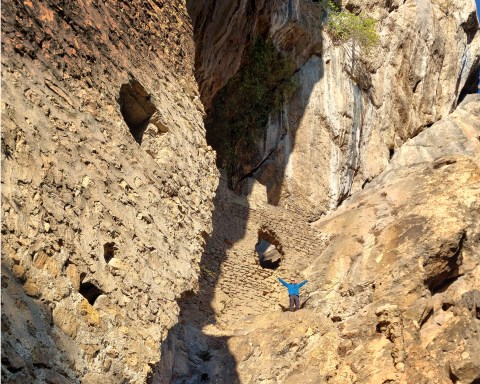
Evidence of prehistoric activity at Oued Beht was first noted in the 1930s, and the area has produced a remarkable quantity of stone tools in the intervening decades, but it was not until the 21st century that archaeological work at the site began in earnest. Since 2021, Cyprian Broodbank (University of Cambridge), Giulio Lucarini (CNR-ISPC and ISMEO), and Youssef Bokbot (INSAP) have been leading new investigations by an international team, as part of the Oued Beht Archaeological Project.

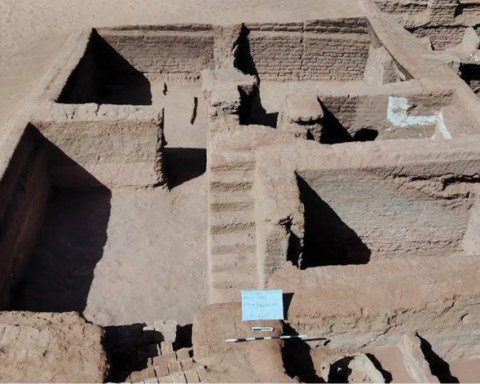
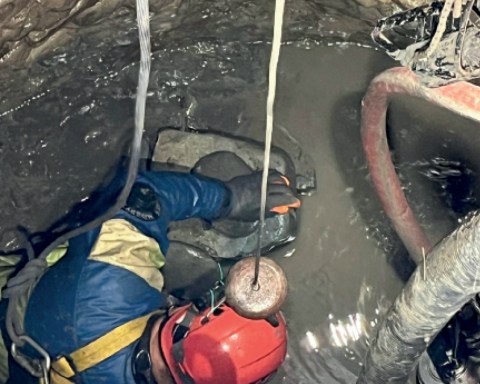
The distribution of artefacts reveals a 9-10ha zone that appears to have been the focus of activity in the Final Neolithic, c.3400-2900 BC: a period about which very little is known in north-western Africa. Only a fraction of the site has been excavated so far, but already the team has uncovered a number of pits, believed to have been built as storage silos for crops, the contents of which include charred seeds of barley, wheat, and peas, as well as wild olive and pistachio. Faunal remains from the site also correspond to the typical Mediterranean Neolithic suite, featuring domesticated goat, sheep, cattle, and pig.
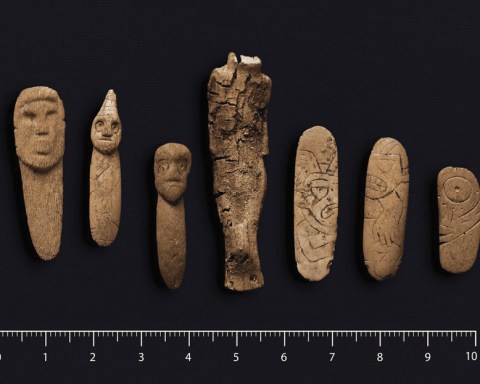
Oued Beht has produced many stone tools, including polished axes and heavy grinders associated with cereal-processing, as well as anvils, flakes, and unfinished axes, indicating that the production of tools was taking place here. Thousands of pottery fragments were found, too, including some painted and decorated examples. Firm evidence for buildings has not yet been uncovered, but abundant remnants of daub, as well as clear post-holes, leave little doubt that such structures existed.
At present we cannot say for certain what kind of site Oued Beht was. Cyprian Broodbank stresses that it is currently without precedent in north-west Africa, saying ‘this is in effect a newly discovered society, and we want to keep the potential interpretive space wide open at this stage’. However, what is already clear is that this was a place of extensive human activity, a focal point for production, consumption, and probably major storage. The discovery of a large-scale agricultural site like this completely rewrites what we know about Neolithic society in northern Africa west of Egypt.

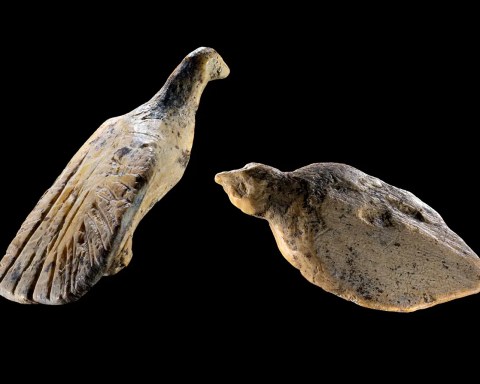
It has significant consequences as well for our understanding of north-west Africa’s place in the Neolithic Mediterranean. Sites with pits similar to those at Oued Beht have been found on the other side of the Strait of Gibraltar, in Iberia. These sites have also produced ivory and ostrich egg finds long believed to be of African origin, as well as pottery of some of the same types found at Oued Beht, some of which may be north-west African imports. It is now becoming increasingly clear that northern Africa was not only an equal participant in the major cultural changes occurring around the rest of the Mediterranean at this time, but was actively influencing developments in other regions.
The recent research has been published in Antiquity (https://doi.org/10.15184/aqy.2024.101), but work at Oued Beht continues with hopes that it will answer many of the questions surrounding this remarkable site.
Text: Amy Brunskill / Images: T Wilkinson, OBAP Archive; G Lucarini, OBAP Archive