
Subscribe now for full access and no adverts
Call for young people to uncover London archaeology
The City of London Archaeological Trust (CoLAT) is launching a new scheme to encourage young people to study London archaeology. Grants of £250, plus up to £150 towards travel and equipment costs, will be awarded to fund individual or group projects that promote knowledge of London through an archaeological focus. Applications should include fieldwork (where possible) and are particularly welcome if they are place-based and have a personal link to the student or their family. Applications are open to all students in Years 11 and 12. More details, including how to apply, can be found on the CoLAT website: https://colat.org.uk/news.
Excavations under way at Bodiam Castle
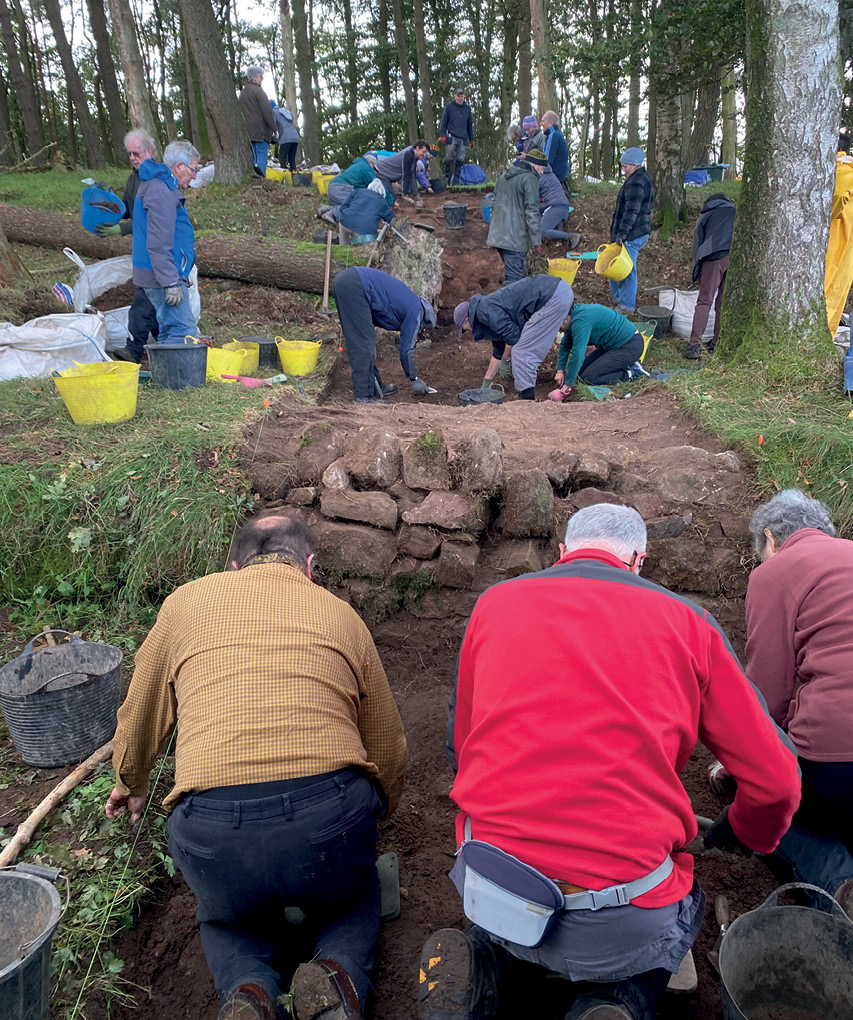
The National Trust, in partnership with UCL and Archaeology South-East, have undertaken an excavation at Bodiam Castle in order to investigate a Roman site lying to the south of the River Rother. The excavations mark the start of a three-year project called Bodiam100, which aims to explore the archaeology of the castle in the build-up to its 100th year under the protection of the National Trust, which will be commemorated in 2026. Throughout this year’s campaign, taking place between 27 July and 17 August, visitors will be able to engage in site visits and graffiti tours: http://www.nationaltrust.org.uk/visit/sussex/bodiam-castle/events/8b0e85b0-fc04-4ffb-81cb-85288fd49e59.
Protection for Gosport’s WWI practice trenches
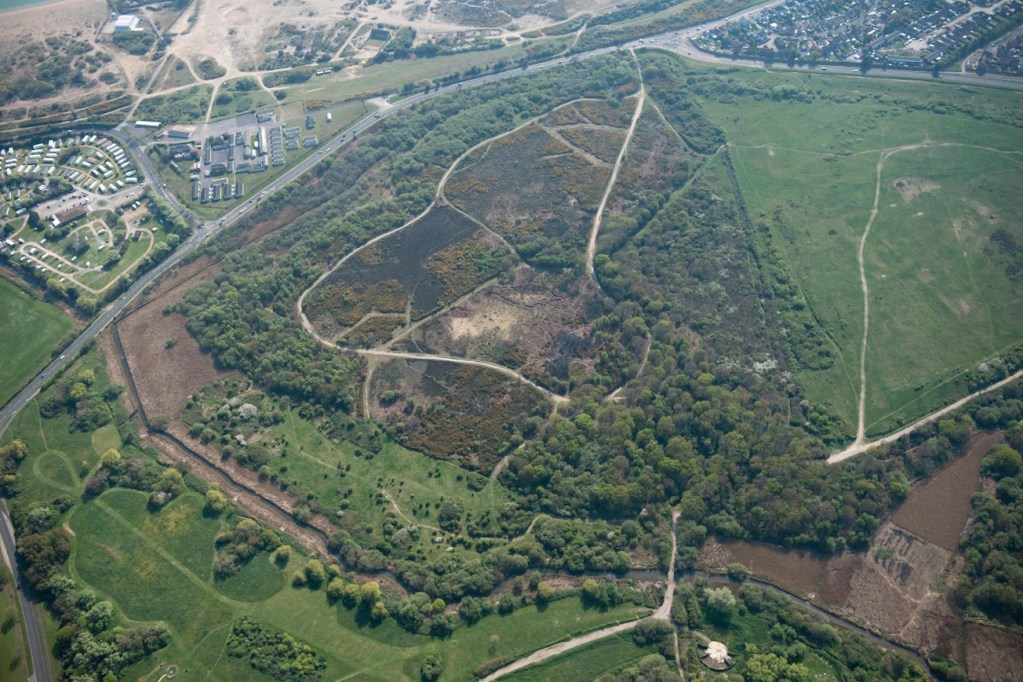
One of England’s best-preserved First World War practice-trench complexes, located in Browndown, Gosport, has been designated a scheduled monument by the Department for Culture, Media and Sport following advice from Historic England. The site showed up on aerial photographs taken in 2011 and was subsequently surveyed and mapped by Historic England as part of the Gosport Heritage Action Zone. Trenches like the Gosport examples were used to provide a training environment that mimicked the Western Front; at least two phases of trench-digging can be seen at this site, showing a simulated battlefield.
Text: Rebecca Preedy / Photo: Historic England