
Subscribe now for full access and no adverts
Young Archaeologists take over York
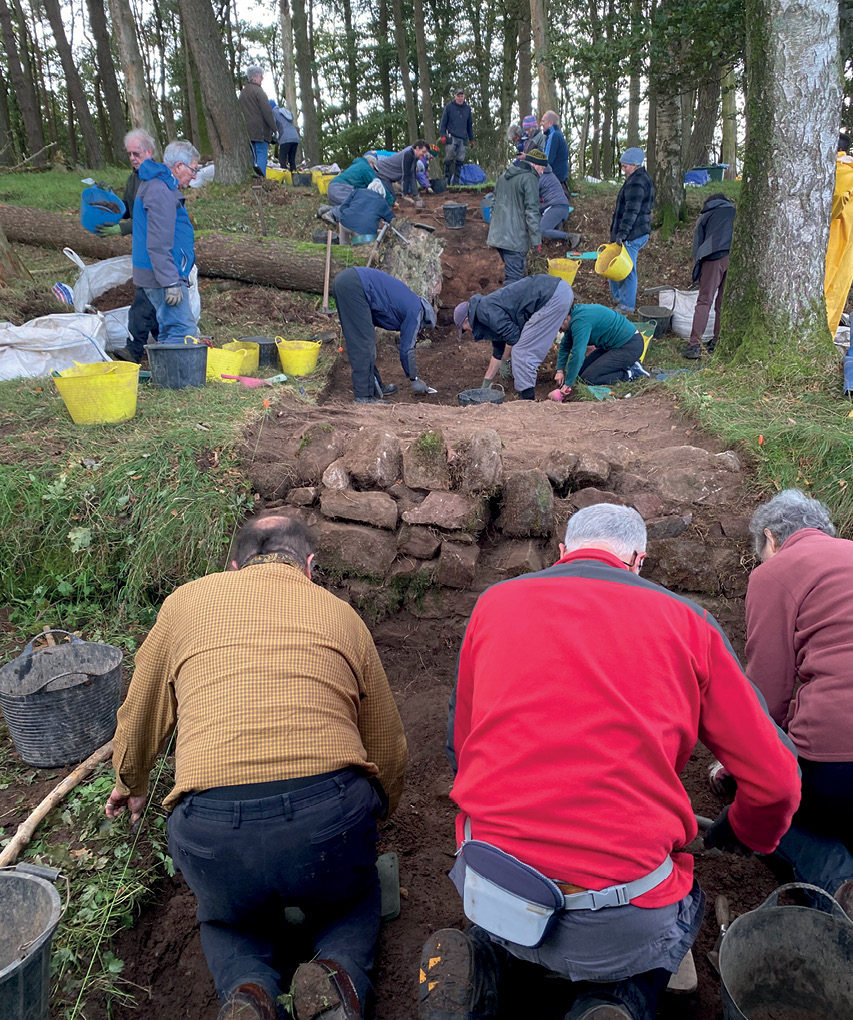
A new Young Archaeologists’ Club has been established in York, giving children aged 8-16 the opportunity to get hands-on experience of the history of their city.
The club was set up by four friends and colleagues who have all worked at York Archaeology; sessions will involve handling real artefacts and learning archaeological methods and techniques. One of the founders, Fiona Hyde, said: ‘It has been quite a while since there was a Young Archaeologists’ Club in York, and we’re delighted to take up that role, hopefully instilling a new generation with an interest in the history below our feet of those that lived in York before us.’ See http://www.yac-uk.org/club/york-yac for more information about this new initiative.
Salvaging the SS Richard Montgomery
Work has begun to remove the masts from sunken Second World War ship the SS Richard Montgomery. This American Liberty ship ran aground in the Thames Estuary, 2.5km (1.5 miles) off Sheerness, in 1944 while carrying more than 1,400 tonnes of wartime explosives to support the Allied war effort.
As the munitions are still buried along with the wreck, salvaging the masts is a challenging endeavour and has required the construction of an underwater platform in order to allow specialist maritime engineers to cut down the three masts that still stick up above the water. Once removed, the masts will go on display at the Historic Dockyard Chatham in Kent. Keir Mather, Aviation, Maritime, and Decarbonisation Minister, said: ‘Safety and preservation of the masts are our absolute priorities. This carefully planned work has been informed by years of expert analysis and monitoring, which will ensure the wreck continues to be managed safely.’
Conserving Glasgow Cathedral’s spire
The 69m (226ft) spire of Glasgow Cathedral is currently undergoing conservation, a project that is estimated by Historic Environment Scotland, who are carrying out the works, to take three years. A steel frame that was added to the spire in 1970 to support the medieval masonry has become heavily corroded, causing it to push against the stone and create cracks. The entire spire will therefore be carefully dismantled and then rebuilt in order to repair the damaged stonework. Already HES stonemasons are carving replacement stones, but the team aims to restore as much of the original fabric as possible.
David Borthwick, Head of South Region at HES, said: ‘Our teams are combining traditional craft skills with modern conservation expertise to tackle complex damage high above the cathedral roofline. It is challenging work, but it is essential if we are to protect as much historic stone as possible and keep this nationally important monument resilient in a changing climate.’
Text: Kathryn Krakowka