Subscribe now for full access and no adverts
Third Roman stone head found in Carlisle excavations
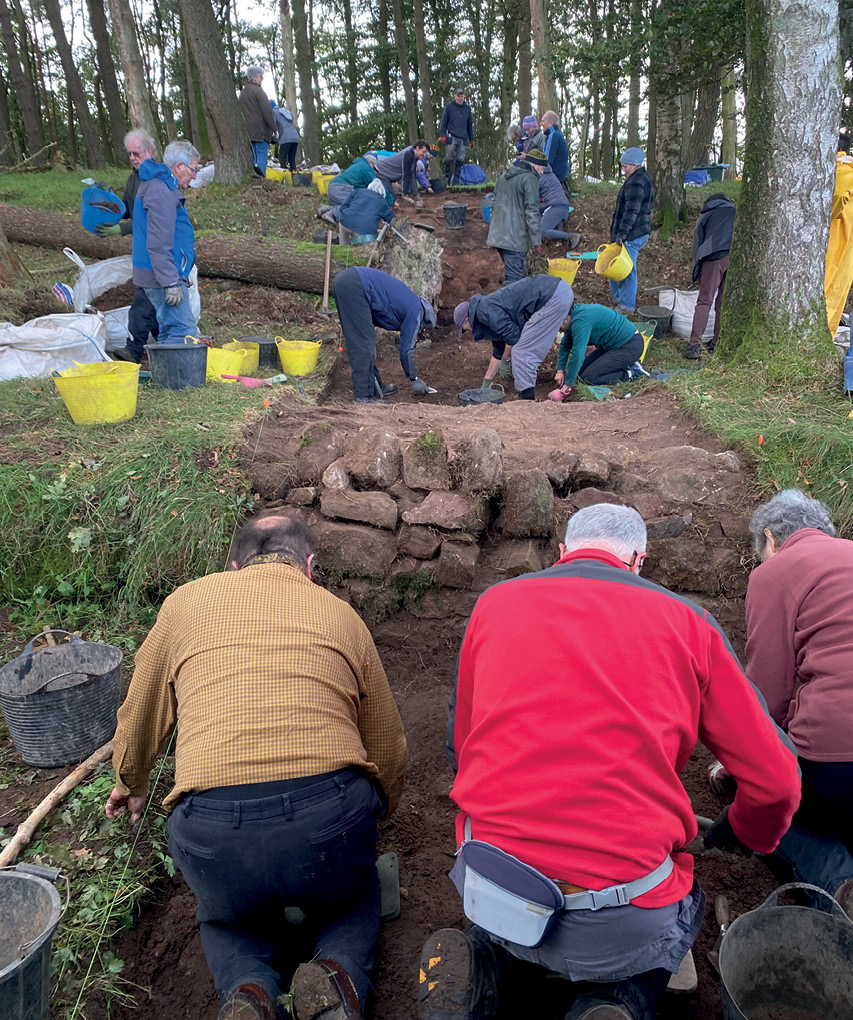
Excavations at Carlisle Cricket Club, which are uncovering the remains of a monumental Roman building, have produced a third carved stone head. Two mask-like sculptures had previously been found during the investigations (which are directed by Frank Giecco of Wardell Armstrong LLP) in 2023; this new find is more finely carved and, at 18cm by 13cm, about a third of the size. It was found in an area associated with funerary activity and is thought to represent a female figure, with a hairstyle reminiscent of fashions popularised by Empress Julia Domna, the wife of Septimius Severus. The head continues a sequence of exciting finds from this site, which also produced the UK’s first example of Tyrian purple pigment earlier this year (CA 412).
We will bring you a fuller feature about the investigations in next month’s CA; see also http://www.uncoveringromancarlisle.co.uk.
Protected status for Dorchester Neolithic remains
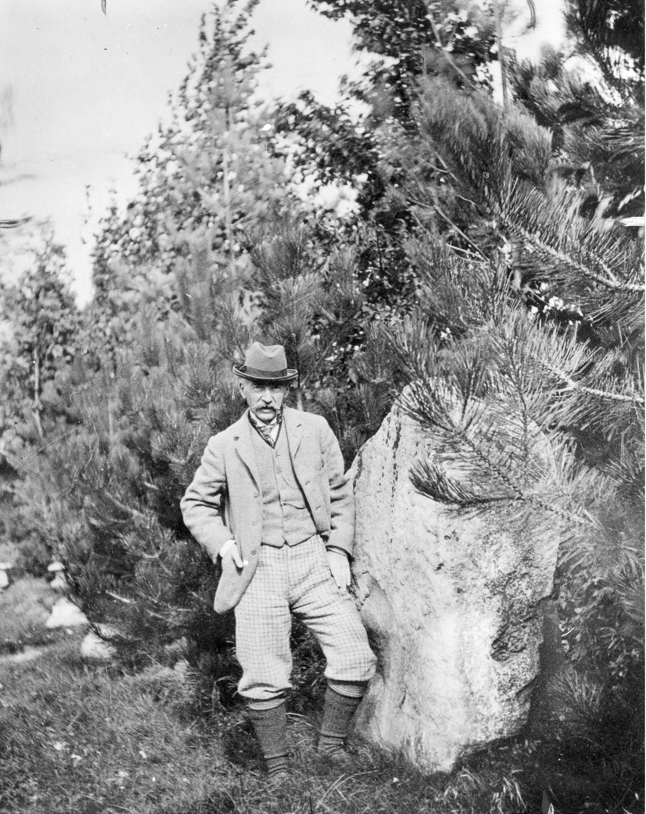
A Middle Neolithic enclosure, recognised as one of the earliest sites in Dorchester, has been protected as a scheduled monument on the advice of Historic England. The monument, which is between 5,500 and 5,800 years old and measures almost 100m in diameter, was first excavated by the author Thomas Hardy (below) as part of works to build his home, Max Gate. Two sarsen stones have been included under the scheduling, one of which inspired Hardy’s poem ‘The Shadow on the Stone’.
Celebrating 120 years of archaeology at the University of Liverpool
The University of Liverpool’s Department of Archaeology, Classics, and Egyptology is marking 120 years since its foundation. Established in 1904 as the Institute of Archaeology, it was the first of its kind in the UK and played an important role in transforming archaeology from a gentrified hobby into a recognised scientific discipline. Notable academics there have included Dr Joan Taylor, who brought her expertise in Bronze Age gold to the department after it was renamed the Department of Prehistoric Sciences and Archaeology in 1975. From 28 November, keynote lectures on the theme of ‘archaeological methods and practice’ will mark the milestone; see http://www.liverpool.ac.uk/archaeology-classics-and-egyptology/events.
Text: Rebecca Preedy / Image: Dorset Museum and Art Gallery, Dorset History Centre