

Subscribe now for full access and no adverts
The Danish Roman Iron Age (AD 1-400) was a time of connectivity, but also a time of turbulence. The impact of this on the development of military power is well illustrated by the large votive weapon deposits discovered across southern Scandinavia, particularly in the regions forming modern-day Denmark and Sweden. Here, we tell the story of a fine example of one of these weapon deposits, from Illerup Ådal in central Denmark. Assessing this material sheds light on not only the nature of warfare in Iron Age Northern Europe, but also a connection to Rome that stretched far beyond the Empire’s borders. Indeed, assessing the finds reveals the existence of a regional military organisation that operated with sufficient sophistication to have likely earned the respect of Roman imperial forces.

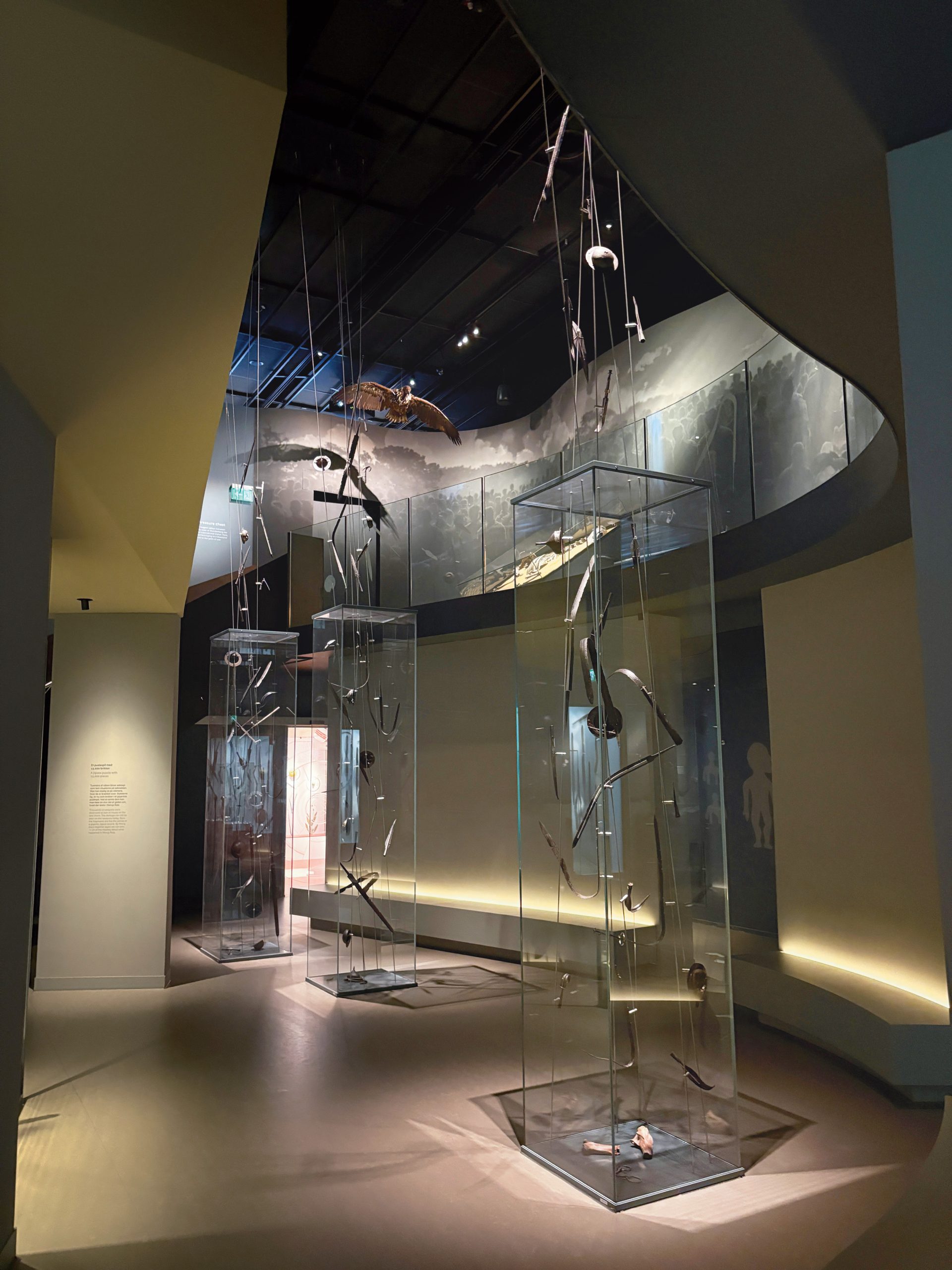
Study of this subject is bolstered by approximately 15,000 items of weaponry and personal effects that have been recovered from a lake in the Illerup valley, where they were originally deposited in AD 205. Although no associated human remains were found, these objects probably belonged to Denmark’s first professional army, and in total represent elements of the kit and possessions of over a thousand soldiers. While this figure is unquestionably impressive, as we will explore below, it also amounts to less than half of the total deposit. Cumulatively, this material constitutes one of the most extensive assemblages of its kind from Scandinavia. Yet the insights that have been gleaned from it can illuminate a far wider area. This is in part because not all of the artefacts recovered at Illerup Ådal were manufactured in Denmark; instead, a range of origins are in evidence, which is perhaps best illustrated by the deposit constituting one of the most impressive collections of Roman weaponry ever found in Europe.
The Illerup Ådal deposit
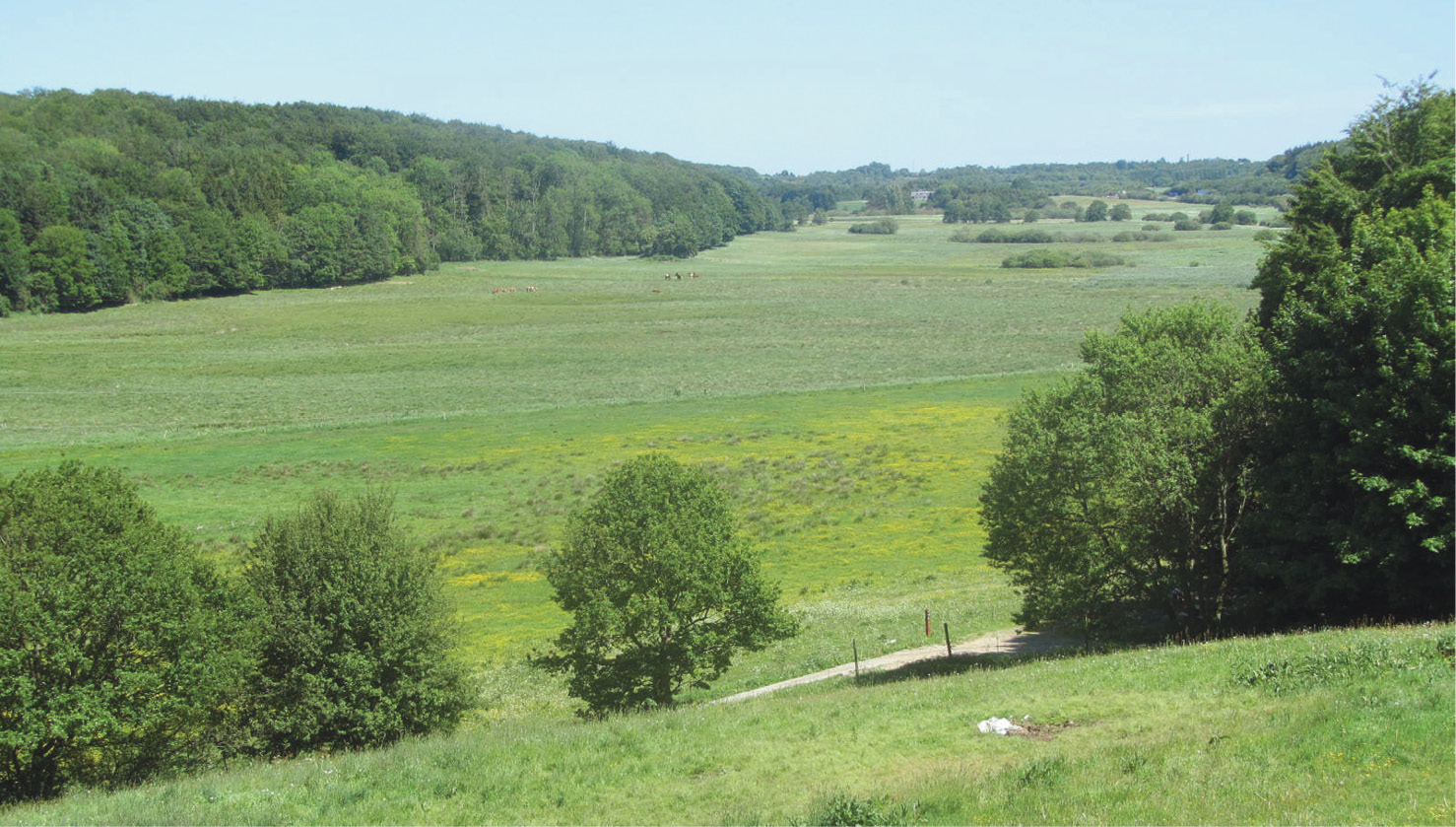
The Illerup valley lies in the central-eastern part of Jutland, close to the town of Skanderborg. Jutland itself forms the mainland part of modern Denmark and is attached to continental Europe. The presence of finds in the valley was discovered in the 1950s, during land-drainage works. Major excavations followed in 1950-1956 and 1975-1985. Not all of the artefacts recovered during this work belong to the AD 205 episode, though, with the fieldwork revealing that there were multiple episodes of object deposition at this lake over the course of the Iron Age. Even so, the largest set of objects is unquestionably the effects of the entire standing army being considered here. All of the finds at Illerup Ådal were most likely placed in the lake as votive deposits – that is, offerings made to a deity or to the landscape itself – with those taken from the army presumably committed to the waters after it was defeated in battle. One unintended side effect of this act of veneration is that immersion in the lake led to exceptional preservation, enabling us to gain an invaluable insight into everyday military life and practices in southern Scandinavia at the turn of the 3rd century AD.
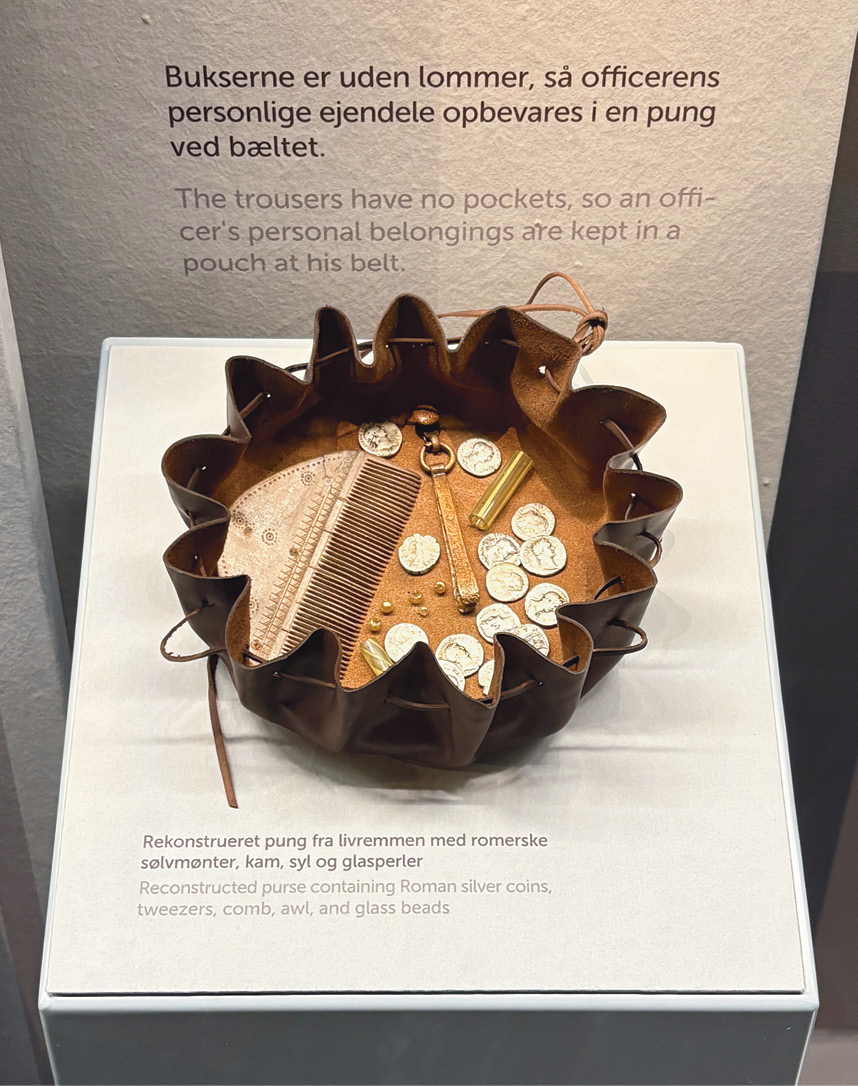
By any measure, the military equipment from Illerup Ådal is spectacular. Weapons, including swords, shields, spears, and lances, form the mainstay of the material. Much of this militaria is utilitarian, but there are also sumptuous sets of equestrian equipment and highly decorated sword belts. Such valuable items would not have belonged to ordinary soldiers, and must have been owned by high-status individuals. Personal objects found in the deposit include combs, strike-a-lights for making fires, grooming equipment such as tweezers, elements of personal adornment like glass beads and brooches, and a handful of Roman silver coins. Seemingly, everything carried by these fighters was deposited. Although the date of AD 205 seems unusually precise for an event preserved in the archaeological rather than the documentary record, it was secured using a mixture of scientific and archaeological methods. The stylistic features of the objects furnish important clues about the general timeframe, too, but the cornerstones of the Illerup Ådal date come from dendrochronological analysis of the wooden objects, and information gleaned from the coins in the deposit.
Depositing an army
Specialists believe that the finds at Illerup Ådal represent the remains of a professional army. Careful study of the objects has even revealed the existence of different ranks within it. This was deduced from the varied range of objects found in discrete deposits of soldiers’ kit, as well as the quantity and richness of the decoration on this equipment. While this illustrates how carefully structured the force was, such a high level of organisation ultimately seems to have been in vain: the army was presumably defeated, with the victors committing the weaponry and associated items to the lake. This was clearly an intentional act, as evidenced by the fact that many of the weapons had been ritually broken before being placed in the water. Such treatment is a common feature of votive offerings, including the other weapon deposits known across Scandinavia. When weapons were deposited in this way, bladed implements, for example, were usually bent or snapped in order to render them unusable in life again. Equally, votive deposits are often found in liminal places – locations where boundaries between different realms are blurred. The lake in the Illerup valley was one such place.
What events, then, led up to this great act of deposition at Illerup Ådal? There seem to be two possible scenarios. The first is that the objects were booty belonging to an army returning home to Jutland after campaigning elsewhere in southern Scandinavia or the Baltic. To give thanks for their success, they committed at least some of their plunder to the lake. Perhaps, though, it is more likely that the deposit represents the spoils of a battle that was fought closer to home, in eastern Jutland, with the winning side representing a local force who successfully repelled an invading army.
Whatever the truth, the personal effects from this deposit offer glimpses of the individuals who made up the ranks of this defeated army. While they presumably fought for a common cause, the diversity of the items they carried suggests that they could have been drawn from a variety of regions. Plenty of the smaller, personal items – such as brooches – were not local to eastern Jutland, with some originating in northern Germany, for instance. This stands in contrast to the weapons, many of which were made in southern Scandinavia, with the notable exception of a set of swords that were manufactured in the Roman Empire. Taken together, these patterns raise intriguing, if still unresolved, questions about the composition of the army: where its members came from, how they were assembled, and who exactly fought in its ranks.
Iron Age weapon deposits
While the deposit from Illerup Ådal is a spectacular find, it is not unique. There are weapons offerings of a similar character across southern Scandinavia, although the circumstances of their deposition differ. For example, objects from Nydam Mose (‘Nydam Bog’), in southern Jutland, Denmark, include a boat made of oak and dating to the 4th century AD, as well as other wooden objects and lots of personal effects. Today, the finds from Nydam underpin chronological studies of this period, with their relevance stretching as far as early medieval eastern England.
From the Empire and beyond
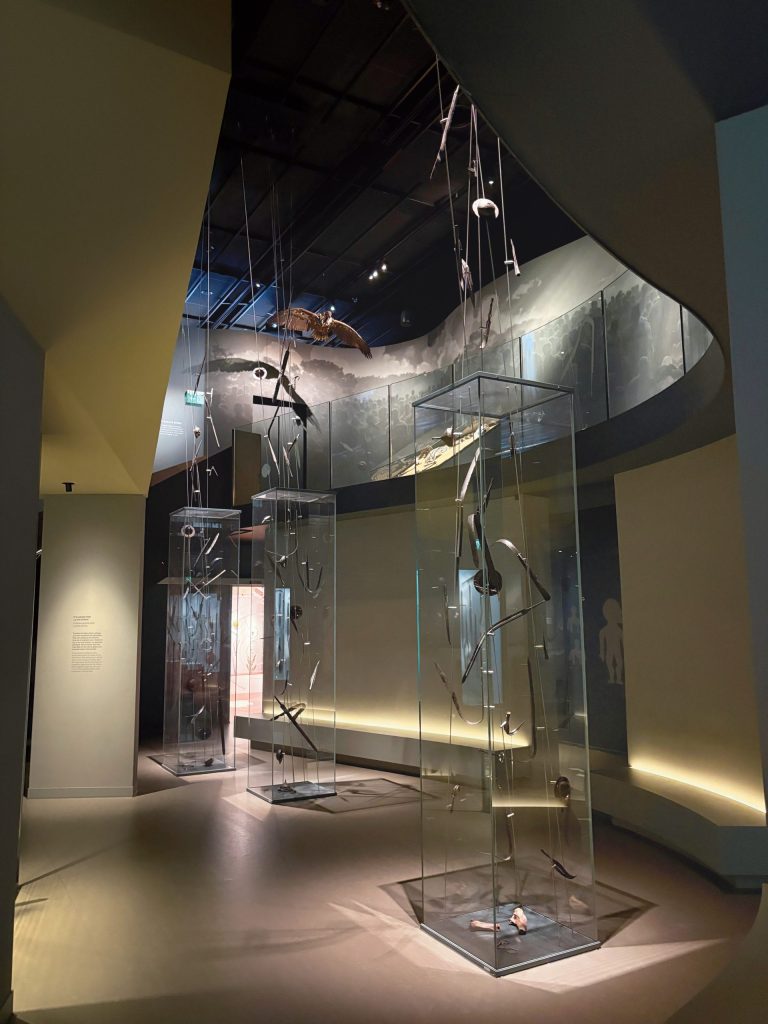
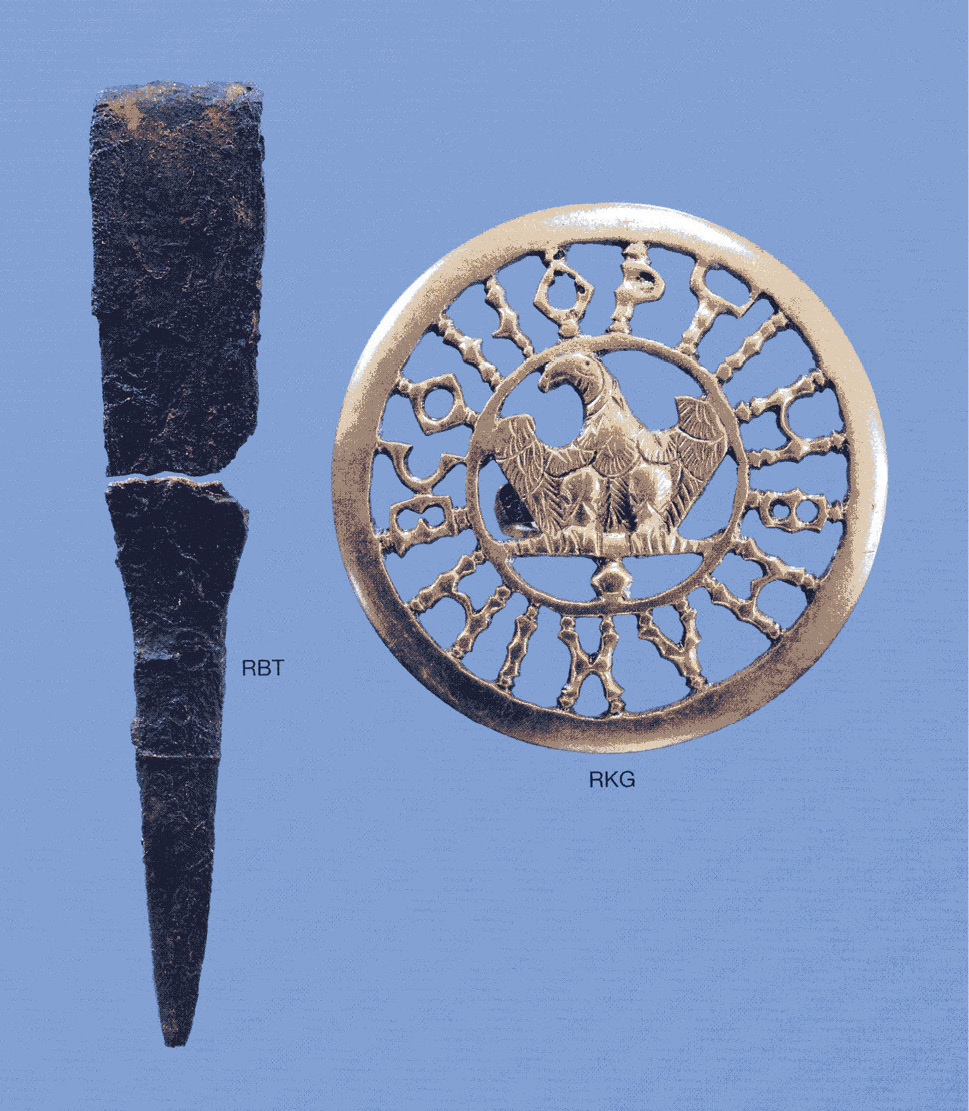
While the weapon deposit at Illerup Ådal tells the tale of an army, it also shares the story of a region and its connectivity. Some objects clearly represent individual and notable imports from the Roman Empire, such as the sword-belt fittings bearing an imperial eagle and a Latin dedication to Jupiter, now on permanent display at Moesgaard Museum, near Aarhus. Other fittings, sufficiently similar to make it likely that they were cast at the same unknown location, have been found as far afield as Hadrian’s Wall in Northumberland (UK) and Tunisia (North Africa).
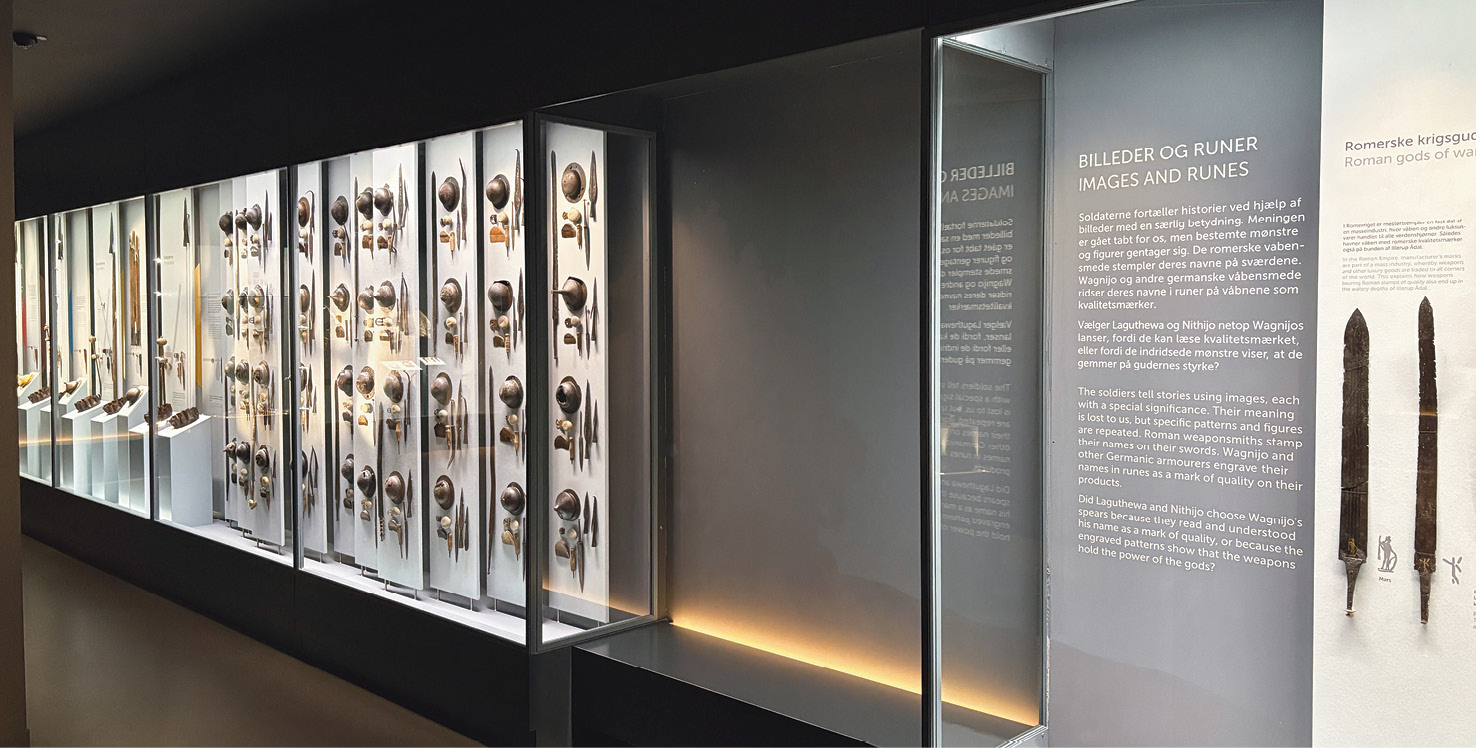
The swords, in particular, reveal direct trade connections with the Roman Empire. Of the approximately 200 swords recovered from the lake, the majority were manufactured within the Empire – probably at one of the forts along its borders, possibly in Germany. These swords are pattern-welded, a technique that involves forging together several pieces of metal to create a single blade. This method not only produces an attractive finish, but enhances the weapon’s strength, too. Pattern-welded weapons only began to be commonplace for Roman soldiers at the beginning of the 3rd century; therefore, not only were these weapons imported and of high quality, they were also of recent innovation. This tells us something else about the provisioning of the Illerup army: they were not simply using any old Roman swords, they were able to source literal cutting-edge military technology. Moreover, whoever was responsible for provisioning the rest of the army sought to emulate Roman arms. In common with many of the items in the deposit, some of the other swords were probably produced in southern Scandinavia, yet these weapons were clearly deliberate copies of the Roman examples acquired through trade. This reflects an appreciation for the craftsmanship of the imported weapons and a desire to replicate their quality and prestige.
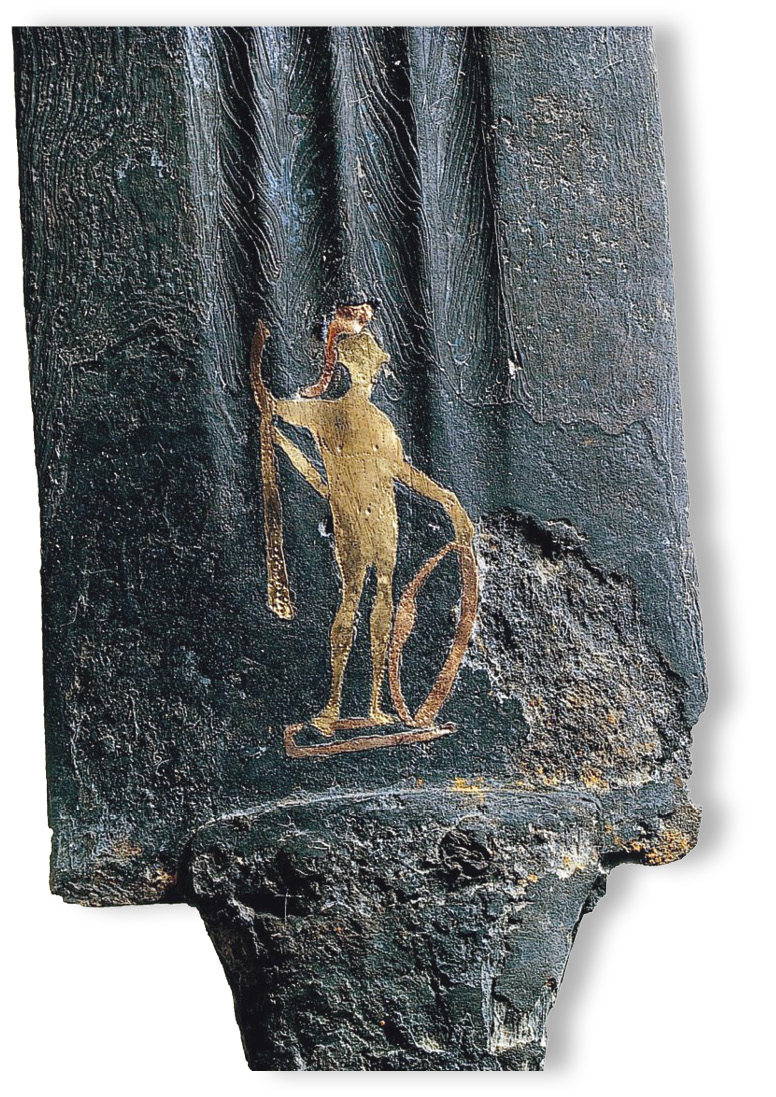
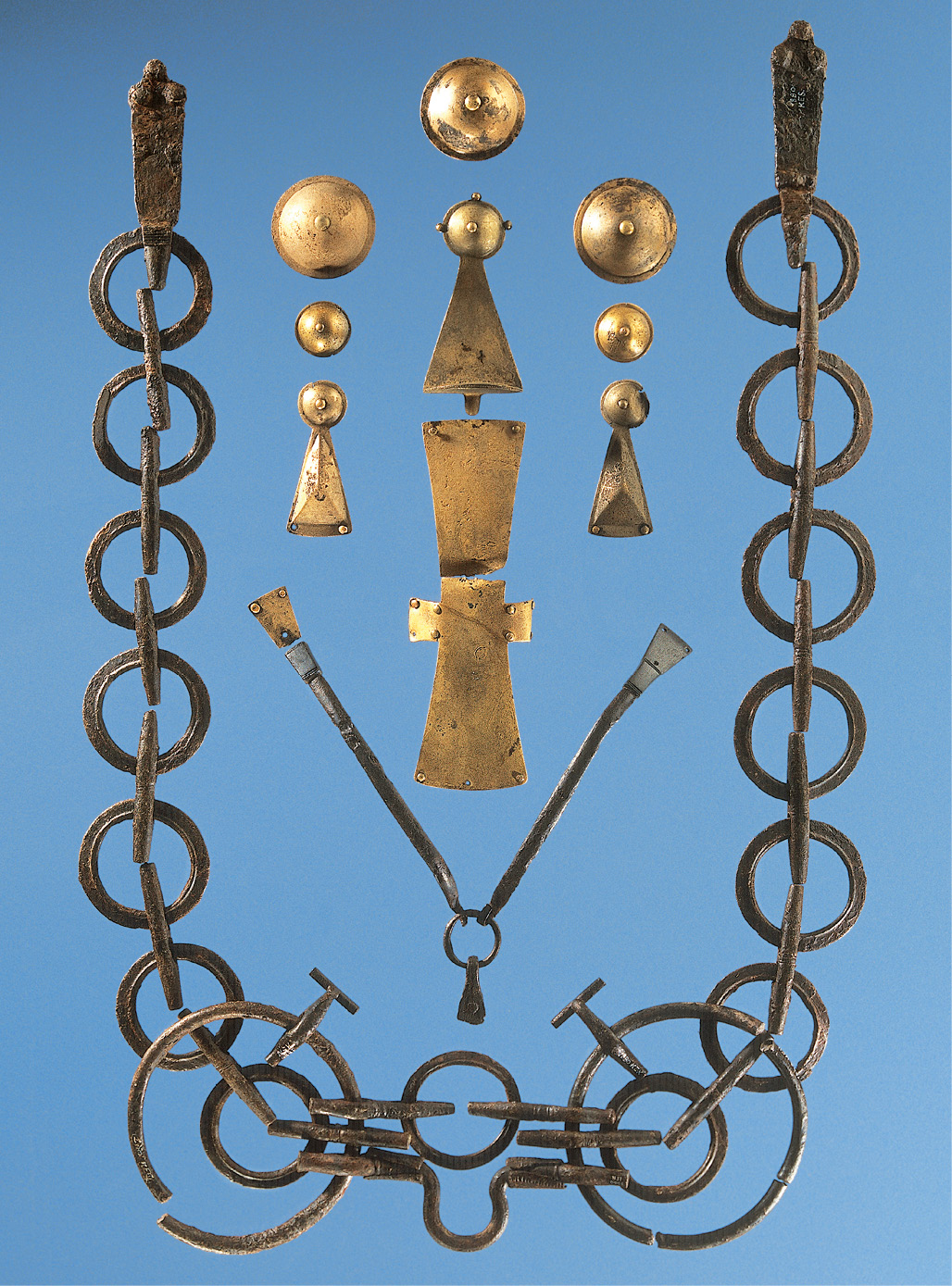
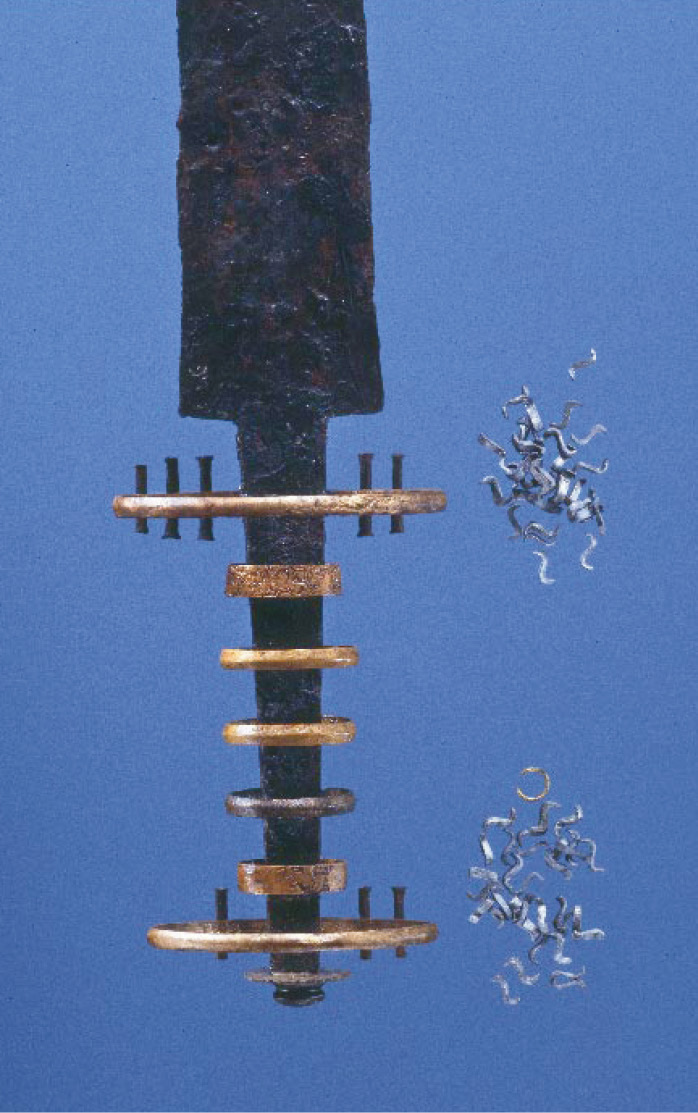
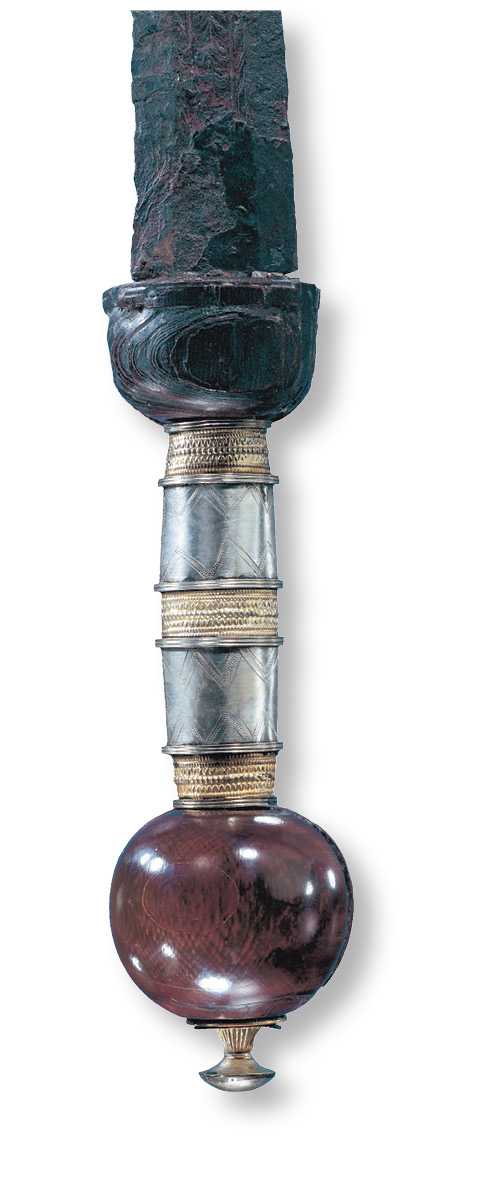
The deposit indicates, too, that the Roman blades and their fittings – that is, the pommels, handles, and so forth – were assembled in Denmark, rather than within the Roman Empire. To put it another way, it was the blades and the raw materials that travelled, not complete swords. This is evident in the way Roman-made blades were combined with locally produced components integrated into the individual weapons. Particularly striking are the sword pommels and handguards made from elephant ivory, which, despite the exotic material, were mounted with locally produced metal fittings. Elephant ivory during this period could have come from North or East Africa, or India. The movement of these exotic materials was likely facilitated, directly or indirectly, by the Roman Empire. As such, the complex origins and histories of these swords speak to the range and complexity of connections between the area and the Roman world.
Vimose
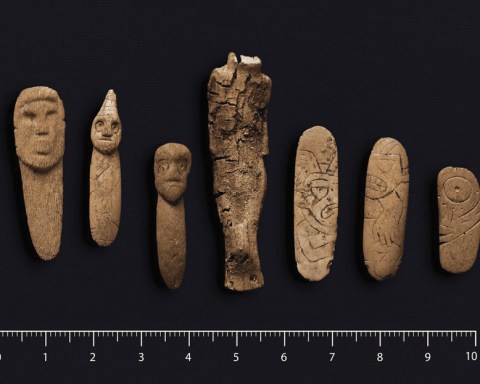
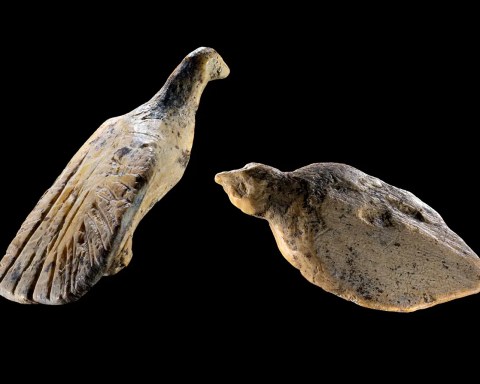
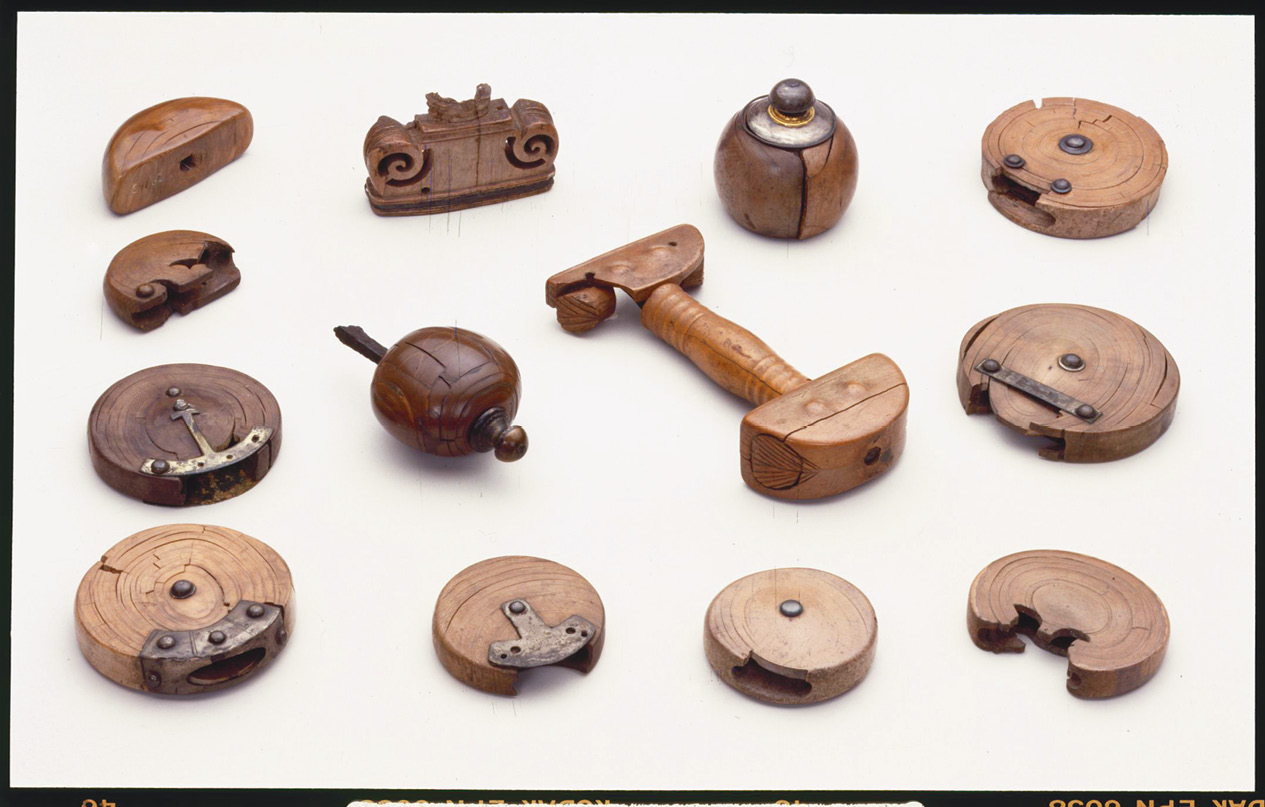
A similar weapon deposit was found at Vimose, on the island of Funen, 10km from the city of Odense. It was discovered during peat extraction and excavated by archaeologists in the mid-19th century. Given the early nature of this work, it was less rigorous than that at Illerup Ådal, meaning that the full extent of the Vimose deposit is not known. The main deposit dates from the 2nd and 3rd centuries, just like Illerup, and it is noticeable that there are many similarities between the goods that were deposited. Perhaps the most striking illustration of this is another collection of elephant-ivory weapon fittings (pictured). The remains of the Vimose deposit are held in the National Museum of Denmark, in Copenhagen.
Illerup in the present and future
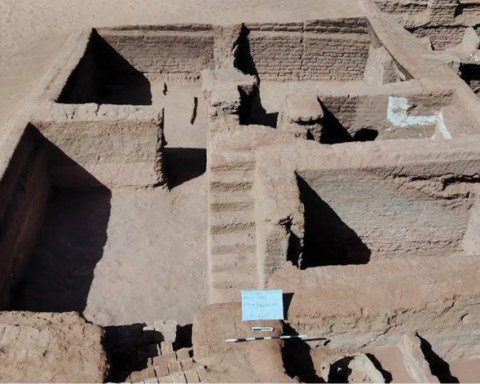
While much of the Illerup Ådal deposit was excavated, producing the extraordinary finds displayed in Moesgaard Museum, a significant proportion of the material remains undisturbed and in situ. This equates to an area of c.60,000m², estimated to hold around 60% of the total assemblage. Preservation of these unexcavated finds presents several challenges, as the drying out of what is currently a lake and boggy area could lead to the deterioration of organic materials. A receding water table may also result in the oxidation of metal artefacts, which would significantly compromise the integrity of the deposit by affecting key elements of the weapons.
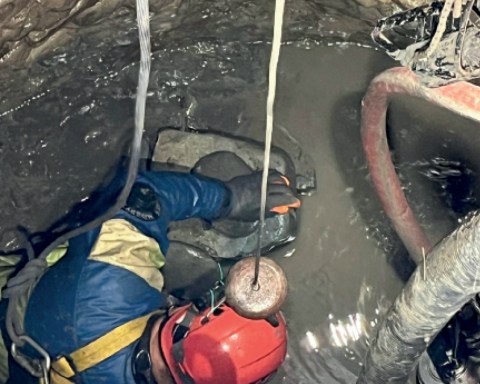
For this reason, the water level at the site has recently been raised to support ongoing conservation efforts and protect the remaining objects, thus preserving the artefacts and their contexts for future study. This ensures that we will be able to learn more about the armies involved in the conflict attested to at Illerup Ådal, the dynamics of warfare, social relations in Northern Europe during the Iron Age, and the region’s connections with the Roman Empire. As archaeological science advances, new methods will allow us to extract even more information from the site, making the preservation of the remaining deposit in situ all the more vital. There are still untold stories to be teased out about this army, which probably met its fate in eastern Jutland, far beyond the northern frontier of the Roman world.
RAC/TRAC 2026
The next joint Roman Archaeology Conference/Theoretical Roman Archaeological Conference will take place in May 2026 at Aarhus University, Denmark. The event is organised by Aarhus University, UrbNet (Centre for Urban Network Evolutions), and the Museum of Ancient Art, in collaboration with the Roman Society and the TRAC Committee. RAC/TRAC 2026 will bring together scholars from across the globe and feature a rich programme of thematic sessions showcasing cutting-edge research, including the latest approaches to urbanism and landscape, connectivity, archaeological archives, and the decolonisation of the discipline. The Organising Committee has finalised the session line-up, and the Call for Papers for each session is now open for submissions; it will close on 10 October 2025.
For updates, please visit the websites http://www.romansocietyrac.ac.uk/ractrac-2026 and https://urbnet.au.dk/news.
Further reading:
• A S Dobat, T D Price, J Kveiborg, J Ilkjær, and P Rowley-Conwy (2014) ‘The Four Horses of an Iron Age Apocalypse: war-horses from the 3rd century weapon sacrifice at Illerup Aadal (Denmark)’, Antiquity 88: 191-204.
• J Ilkjaer (2002) Illerup Ådal: archaeology as a magic mirror (Aarhus: Aarhus University Press).
• J Ilkjaer (ed.) (1991-2020) Illerup Ådal. Jysk Arkæologisk Selskabs Skrifter, vols 1-15 (Aarhus: Aarhus University Press).
• L Jorgensen, B Storgaard, and L Gebauer Thomsen (eds) (2003) The Spoils of Victory: the North in the shadow of the Roman Empire (Copenhagen: Nationalmuseet).
• A K E Tjelldén, S M Kristiansen, and K B Botfeldt (2012) ‘Preservation status and priorities for in situ monitoring of the weapon sacrifice in Illerup Ådal, Denmark’, Conservation and Management of Archaeological Sites 14: 150-158.