
Subscribe now for full access and no adverts
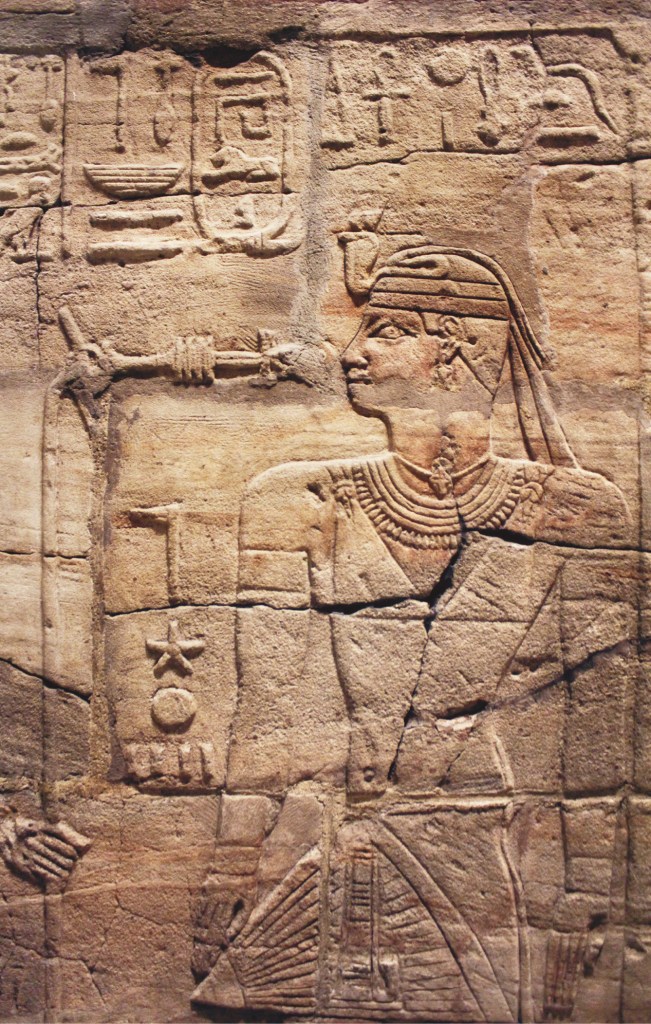
The Twenty-fifth Dynasty was remarkable, as it represented a reversal of the dynamics of millennia. Generally, the Egyptians had hitherto dominated Nubia (known as Kush in ancient times), either directly or indirectly, culminating in the kingdom being absorbed into the Egyptian state as a vice-royalty during the New Kingdom. But in the middle of the 8th century BC, Kushite kings took over southern Egypt, and then became overlords of a new twin kingdom. Their rule ended only with a series of Assyrian invasions, forcing them to withdraw back to the Kushite heartland of Upper Nubia (modern northern Sudan) during the 660s BC.


Sources
As with all other rulers of ancient Egypt, the demise of paganism, and the concomitant loss of understanding of hieroglyphic, hieratic, and demotic texts at the end of the 4th century AD, meant that for the next millennium-and- a-half, all available information about the Twenty-fifth Dynasty came from Classical and Biblical sources. Both provided much data, the former in the shape of the accounts of Herodotus and Manetho. The Old Testament mentions the Kushites in the context of the conflict between Assyria and Judah around the end of the 8th century BC, particularly with reference to the failure of the Assyrian siege of Jerusalem in 701 BC. However, while Herodotus gave a succession, Sabacos-Anysis–Sethos, Manetho’s list ran Sabacôn–Sebichôs–Tar(a)cus. This would cause much puzzlement for early Egyptologists.
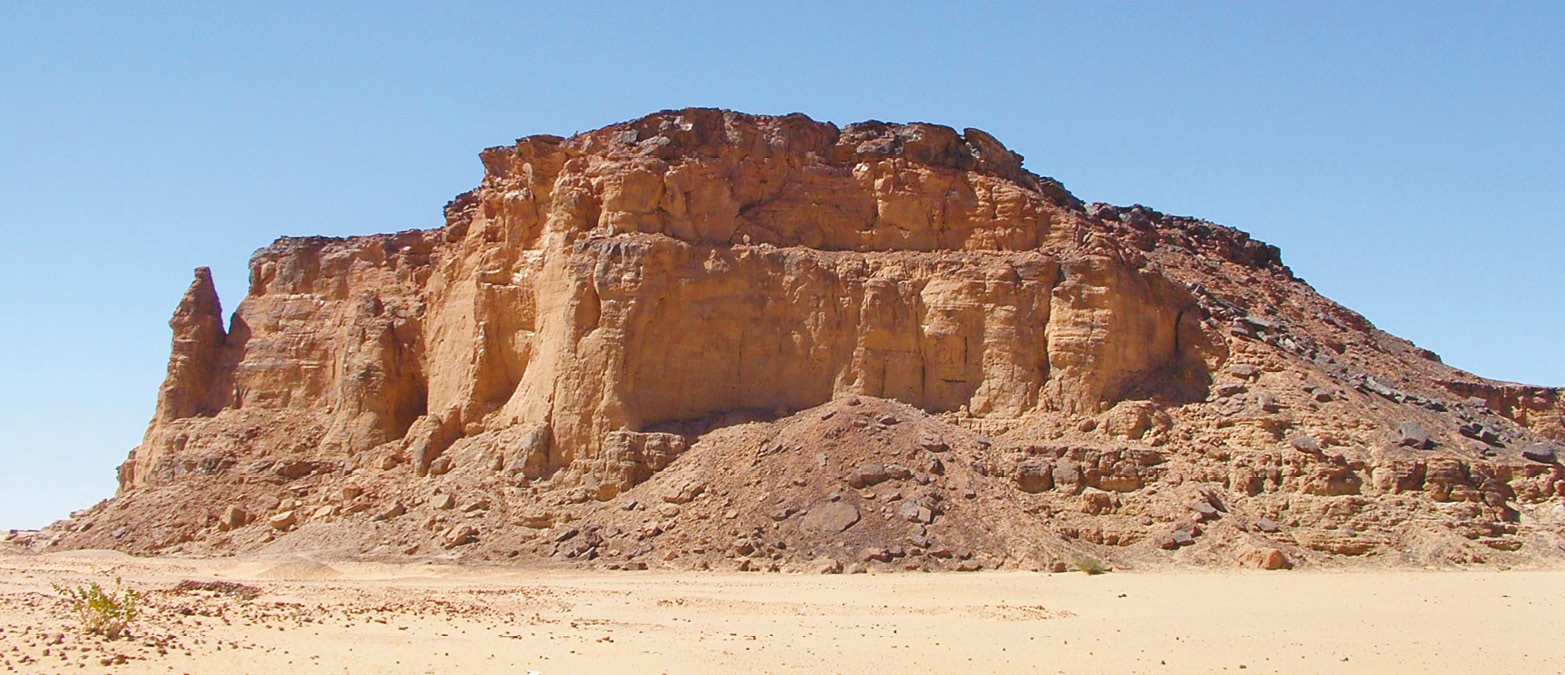
The dynasty’s homeland of Nubia (or ‘Ethiopia’ as it was generally referred to down to the 19th century) was regarded by a number of the Classical authors as a source for the civilisation of Egypt. Indeed, when the first travellers penetrated south of the First Cataract of the Nile in the early 19th century AD, they perceived the monuments they saw there to be cruder than those in Egypt itself, evidence of their exceptional age. Thus, George Waddington and Barnard Hanbury, who visited Gebel Barkal and its environs in 1820, felt that Taharqa’s temple B300 (actually dating to the 7th century BC) was ‘older than any of the temples of Egypt, or even Nubia’.

The first steps
It was not until the later 1820s that the first phases of the decipherment of the ancient Egyptian language and its scripts allowed original sources to be brought into the process of reconstructing the history of pharaonic Egypt in general, and of the Kushite period in particular.
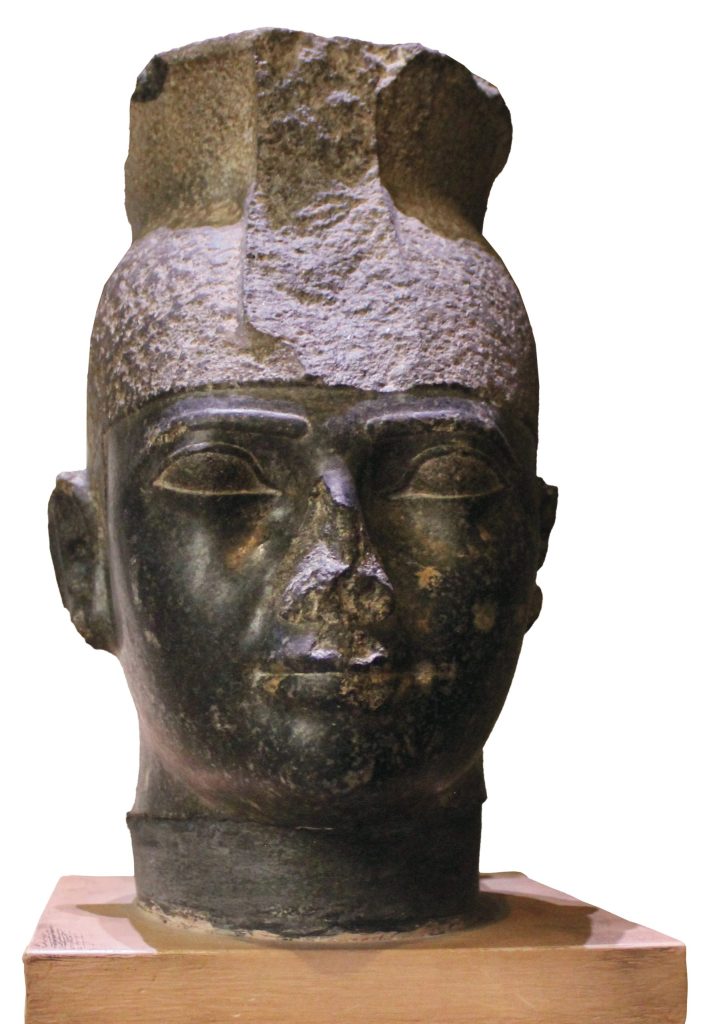
The first element in this process was to try to identify the hieroglyphic originals of the names to be found in the Classical and Biblical sources. As far as the Twenty-fifth Dynasty was concerned, it was immediately recognised that the Biblical ‘Tirhakah’ and the Manethonic ‘Tar(a)cus’ were represented by the name we now transliterate as t¯3hrk˙ .
‘Sabacôn’ and ‘Sebichôs’ presented more problems, although one or other of them was clearly Herodotus’s ‘Sabacos’, who was rapidly equated with Š3b3k3 (Shabaka or Shabaqo). However, the rarer name Š3b3t3k3 (Shabataka or Shabitqo) was not initially recognised as a separate king. Accordingly, in searching for an Egyptian equivalent for the ‘other’ Manethonic name, John Gardner Wilkinson lit on the cartouche ‘Sobekhotep’. However, here he (and also Henry Salt and Orlando Felix) went badly astray: the Sobekhoteps actually belonged to the Thirteenth Dynasty, a millennium before the Twenty-fifth Dynasty.
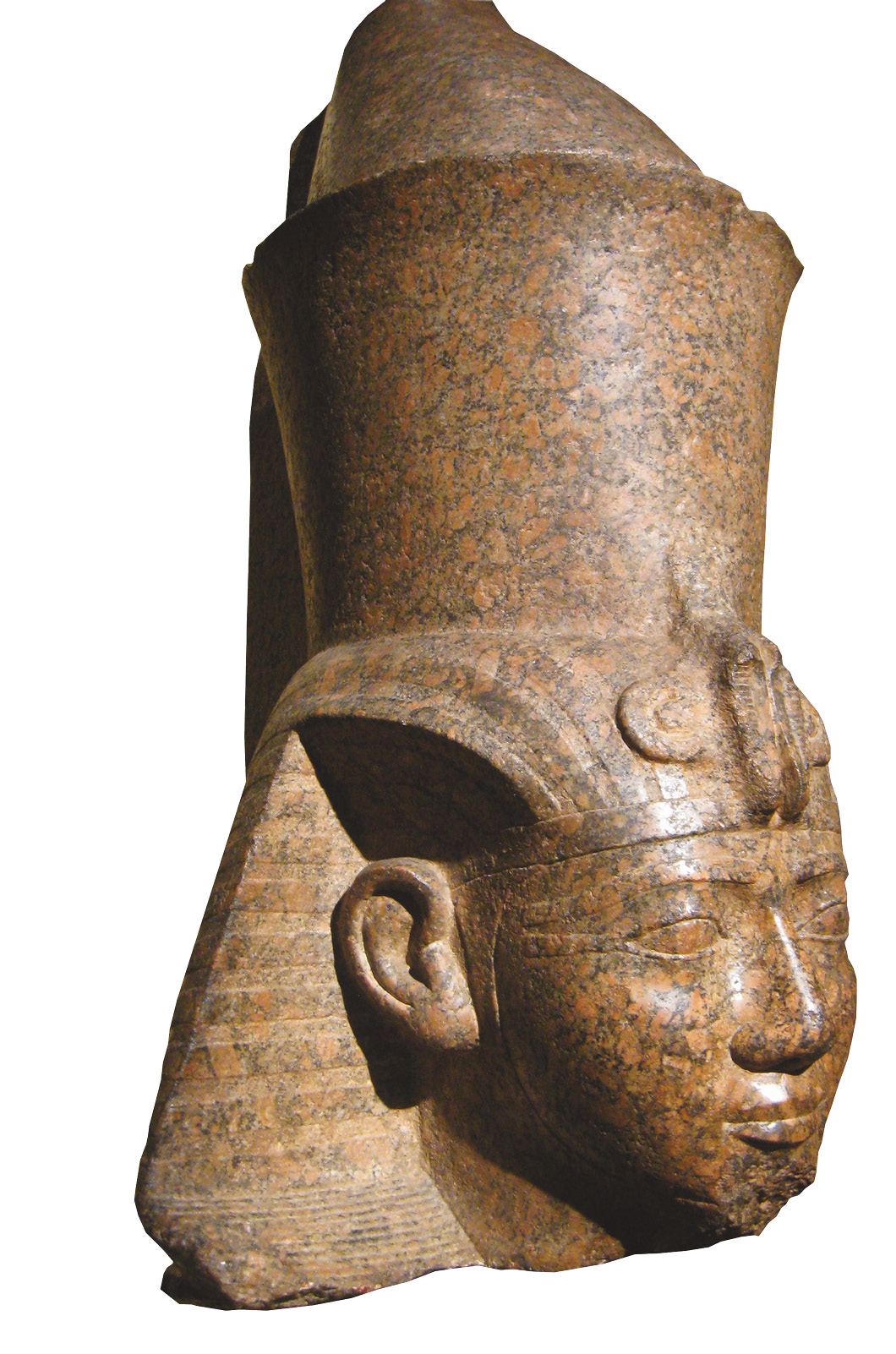
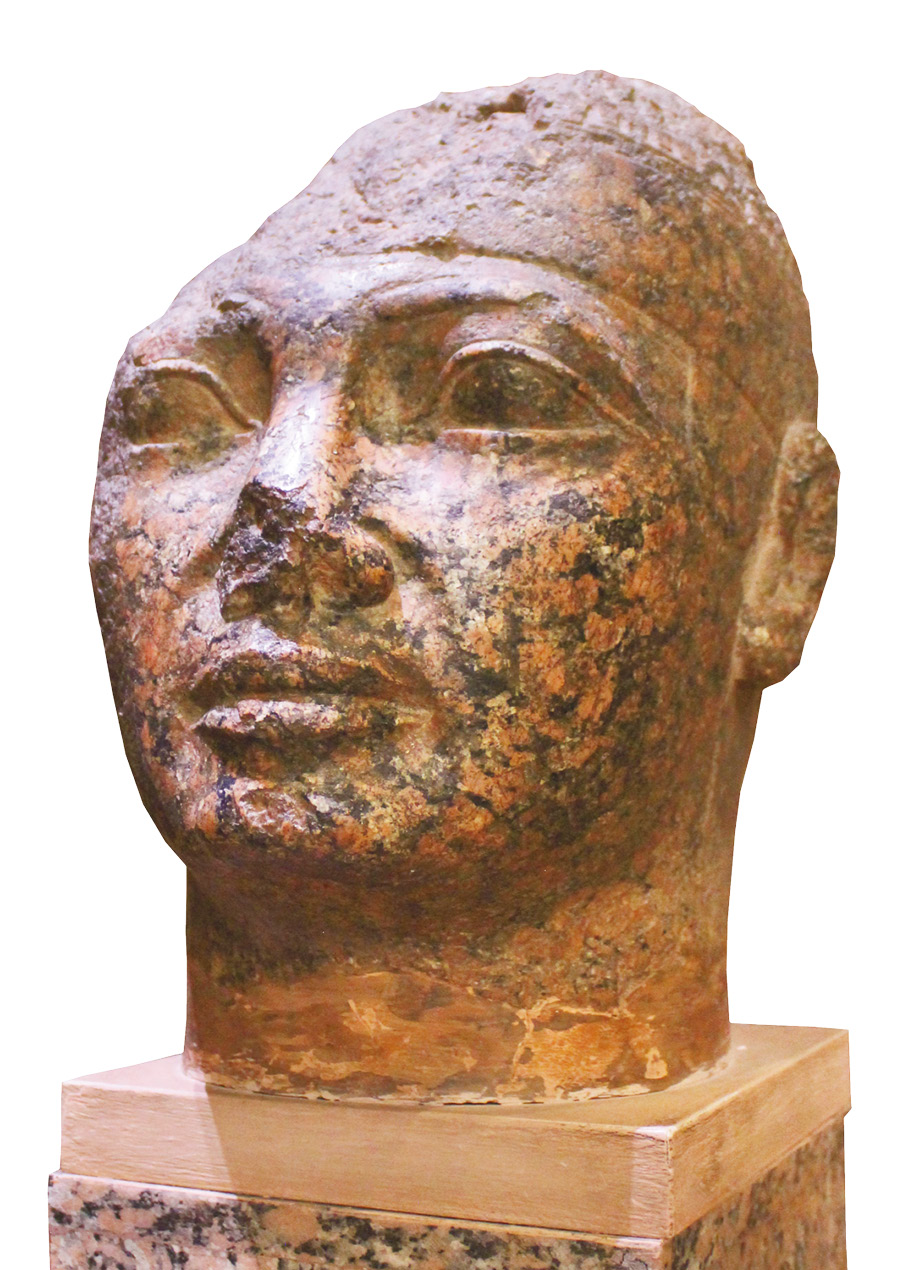
Ippolito Rosellini was the first to note in print the existence of Shabataka, and that he was clearly the ‘other’ king at the beginning of Manetho’s list. Rosellini immediately concluded that ‘it is clear that this is the name of Sabbakon’s successor, called in the lists Sevechus, or Sebichus’. No reasons were given for this ordering of the kings, other than an implicit assumption that the first of Manetho’s Twenty-fifth Dynasty kings was Shabaka. Despite this lack of any firm evidence as to the relative ordering of the two kings, the Shabaka–Shabataka sequence would remain an apparently unchallenged ‘fact’ of Egyptology down to the 21st century. It was only then revealed to be a ‘zombie fact’ (which refuses to die in spite of being disproved) that had come to significantly hinder study of Kushite rule in Egypt at the end of the century (see below).

Mid-century progress – and prejudice
By the 1850s, it was clear that there were other kings ruling around this time, in addition to the three acknowledged by Manetho. However, it remained unclear exactly where the kings now known as Kashta, Pi(ankh)y, and Tanutamun (or Tanutamani) should be placed in the sequence. Also, the multiple prenomina affected by Pi(ankh)y long raised a question as to how many kings of the name had existed. Indeed, in 1859 Heinrich Brugsch regarded Kashta and Pi(ankh)y as Egyptians, ruling in parallel with the ‘Ethiopians’, and perhaps others.


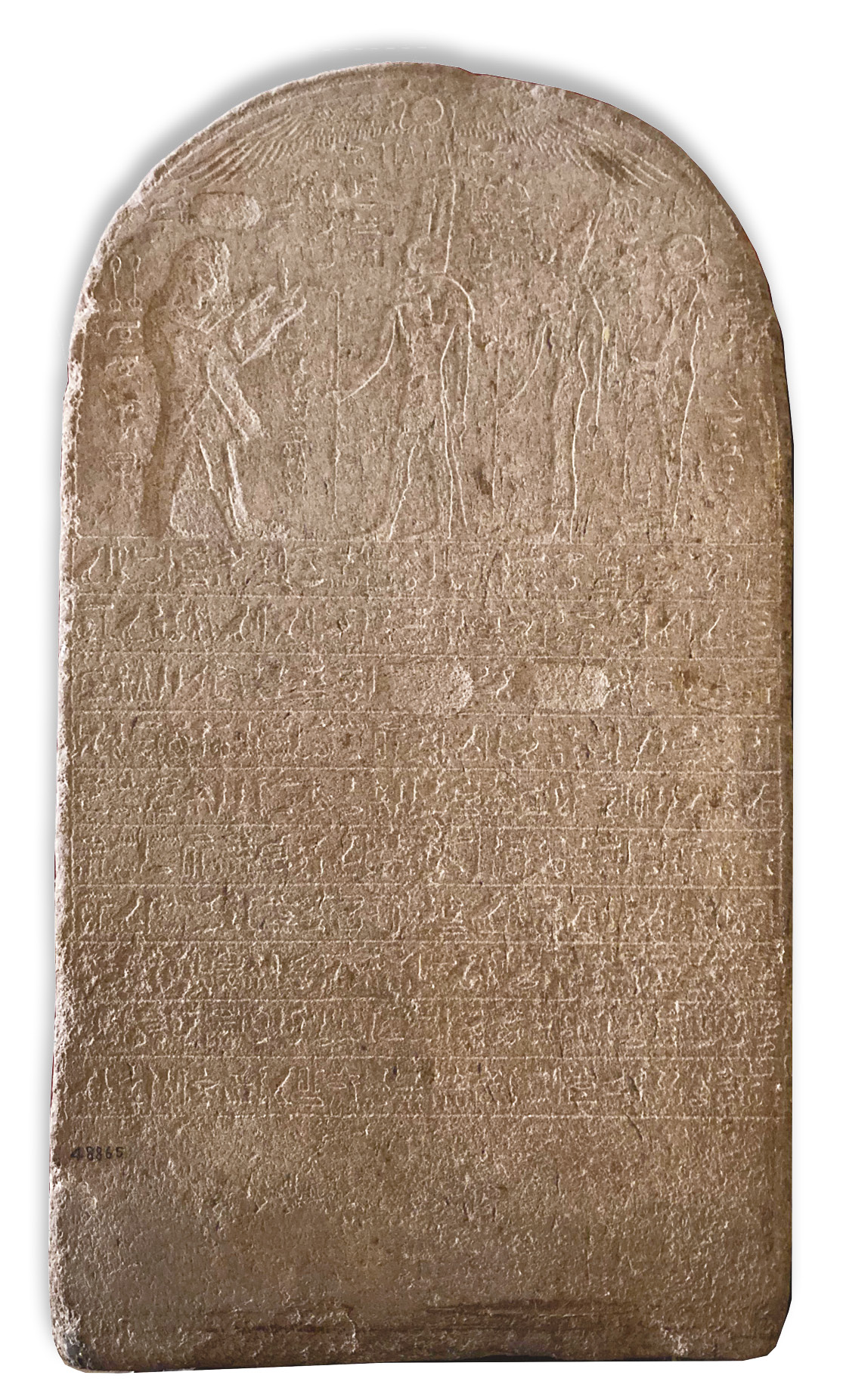
The decade from 1852 to 1862 brought to light significant new information. First, in the Serapeum at Saqqara, Auguste Mariette found a stela that would (when properly analysed) precisely place the reign of Taharqa relative to that of Psamtek I, founder of the succeeding Twenty-sixth Dynasty. Then, in 1862, an Egyptian officer stationed across the river from the Kushite holy mountain of Gebel Barkal in Sudan reported finding five granite stelae there. Arrangements were immediately made by Mariette for their transport to the Bulaq Museum in Cairo. They were found to include the accounts of Pi(ankh)y’s Egyptian campaign, and of Tanutamun’s attempt at regaining control of Egypt from the Assyrians’ Egyptian allies. As published for the first time in 1863 and 1865, the stelae revealed whole new episodes of Kushite history. The reconstruction of the Kushite succession in Egypt nevertheless remained problematic. Mariette placed Tanutamun and Pi(ankh)y (in that order) within the 17 years of anarchy that he believed existed between the death of Taharqa and the accession of Psamtek I.
Assyrian texts relating to the period of the Kushite kings were now being read, and as a result the story told in the 1877 edition of Brugsch’s History was rather different from that of two decades earlier. However, Brugsch remained unclear as to parts of the royal succession, and proposed the existence of two kings called Pi(ankh)y. He also set out his view that the Kushite kings were descendants of Theban priests who had taken control of ‘Nubia and Ethiopia, where the minds of an imperfectly developed people must needs, under skilful guidance, soon show themselves pliable and submissive to the dominant priestly caste…’. The underlying racist assumption that the Nubians themselves were too ‘imperfectly developed’ to have evolved a culture that would later take over Egypt would be an enduring one.
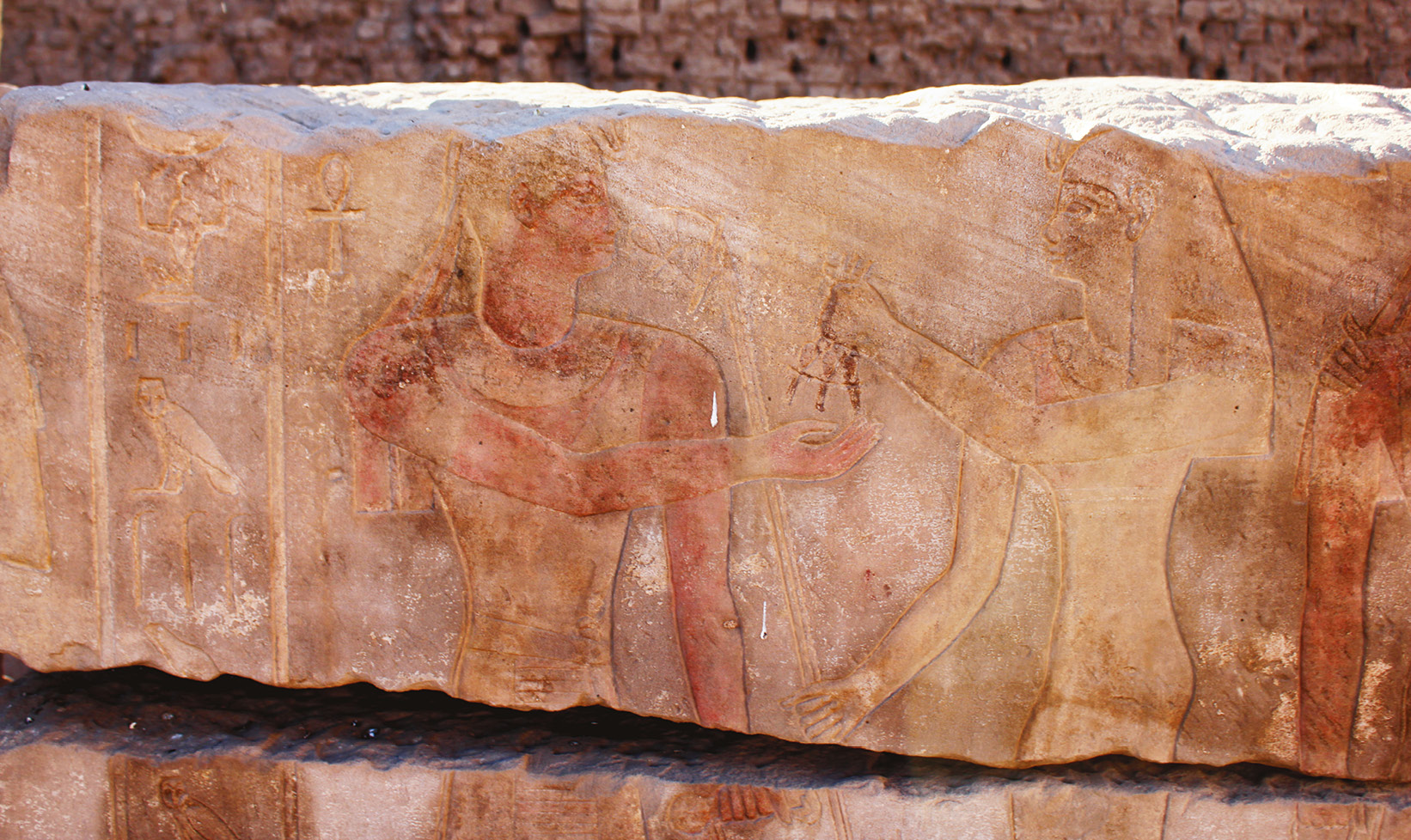
During 1863 and 1864, Emmanuel de Rougé copied fragments of a stela at Tanis that preserved an incomplete version of an autobiographical account by Taharqa, and in 1888 Alfred Wiedemann published a reconstruction that distinguished between the ‘temporary raid and levying of tribute’ by Pi(ankh)y and the formal takeover of Egypt by the later Kushite kings.
Trashing the Kushites
The year 1905 saw the first edition of the hugely influential A History of Egypt by James H Breasted. While correctly placing Kashta and Pi(ankh)y at the beginning of the sequence, he also believed that there were actually no fewer than three kings of the latter name. It had also now become clear that the Kushite kings were indeed Nubians. There is no doubt that it was because of his resulting racial prejudices that Breasted writes gratuitously of a ‘motley army gathered by the tardy Shabaka’, ‘inglorious Ethiopians’, and claims that it was ‘now patent that the Ethiopians were quite unfitted for the imperial task before them. The southern strain with which their blood was tinctured began to appear as the reign of Shabataka drew to a close’.

The importance of this crude, racially tinged invective lies in the fact that Breasted’s book would long be the ‘standard’ history of ancient Egypt, especially for non-Egyptologists, and thus his prejudices would become solidified into ‘fact’. Even among Egyptologists, Breasted’s attitudes were still alive during the late 20th century, when Kenneth Kitchen felt able to accuse the Kushite kings of ‘meddling… incompetent interference in Palestinian affairs… disastrous for Egypt and Palestine alike’. Yet the Assyrian and Old Testament accounts speak solely of Judah’s appeals for Kushite alliance and aid (with, indeed, indications of a degree of reluctance on the part of the Kushite kings to provide this).
Royal tombs revealed
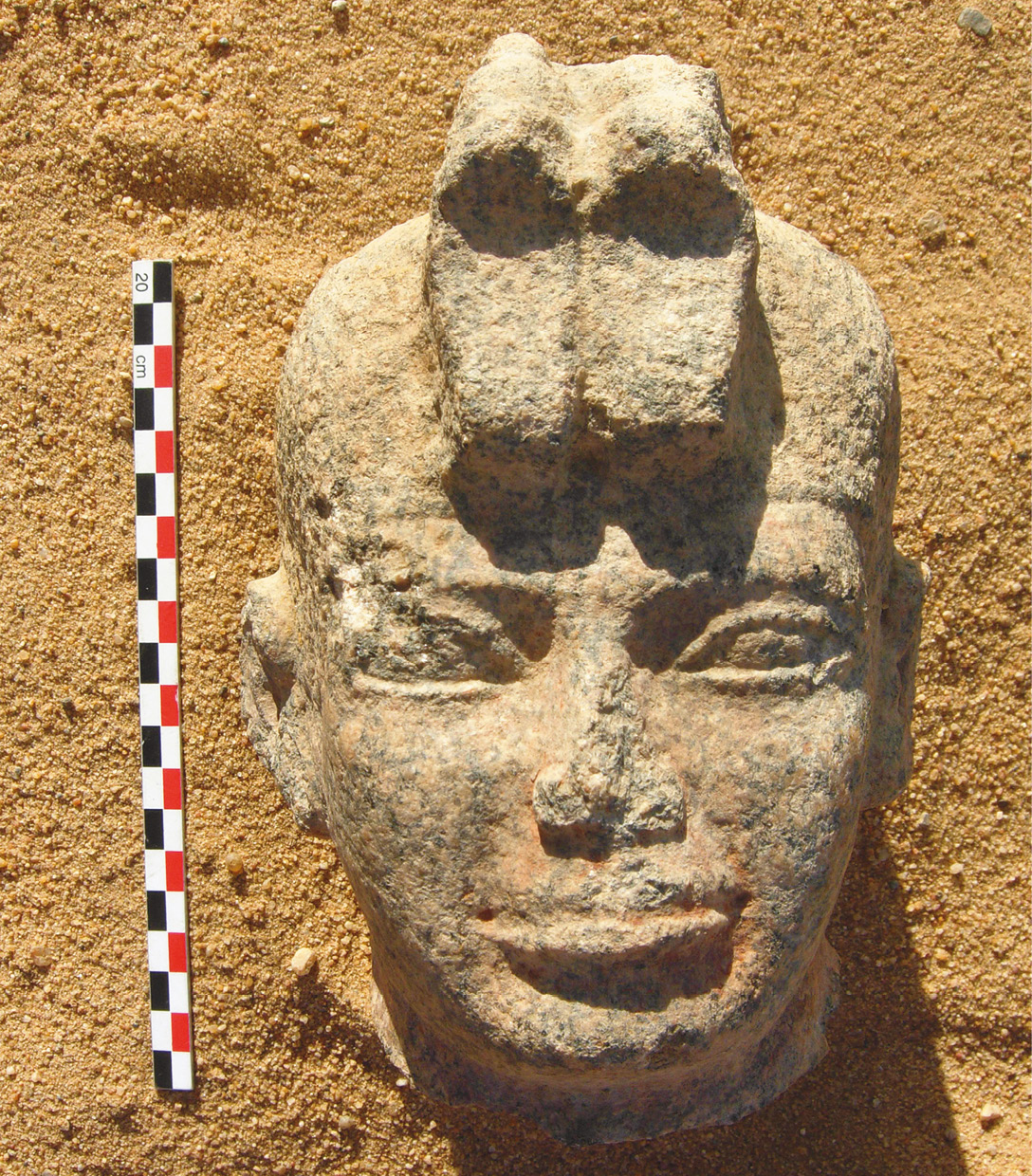
Kushite monuments in Egypt had been coming to light since the mid-19th century, especially at Karnak. From the 1910s onwards, a series of excavations in Sudan revealed much data on the monuments of the Upper Nubian heartland of the Kushites. Most importantly, the area around Gebel Barkal was the subject of nearly a decade of excavations by George Reisner on behalf of the Museum of Fine Arts, Boston, and Harvard University.
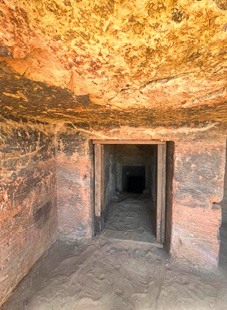
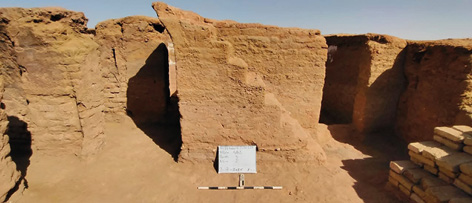
Work began in 1916 at both Gebel Barkal and the pyramid-cemetery at Nuri, where one pyramid was soon identified as that of Aspelta, one of the kings who ruled soon after the Kushites’ expulsion from Egypt by the Assyrians. This led to speculation that the largest pyramid at the site (Nu.1) might be ‘the tomb of one of the five kings of Ethiopia who ruled over Egypt’. In December it was proved to be the sepulchre of Taharqa. The rest of the pyramids at Nuri were dated to the post-Twenty-fifth Dynasty.
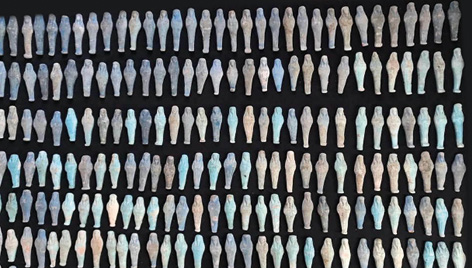
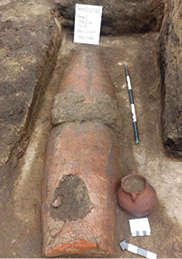
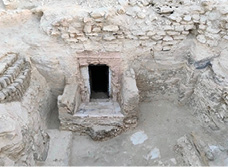
Next, some preliminary work was undertaken during December 1917 and April 1918 at the nearby cemetery at El-Kurru, revealing some shabtis of Pi(ankh)y. Full excavation of the site was undertaken between January and May 1919, revealing not only the pyramid of Pi(ankh)y, but also those of Shabaka, Shabataka, and Tanutamun. The expedition then worked at the temples at the foot of Gebel Barkal from December 1919 to April 1920, before moving south to the cemeteries of the latter phases of the Kushite monarchy at Meroë, where work was completed in March 1923.
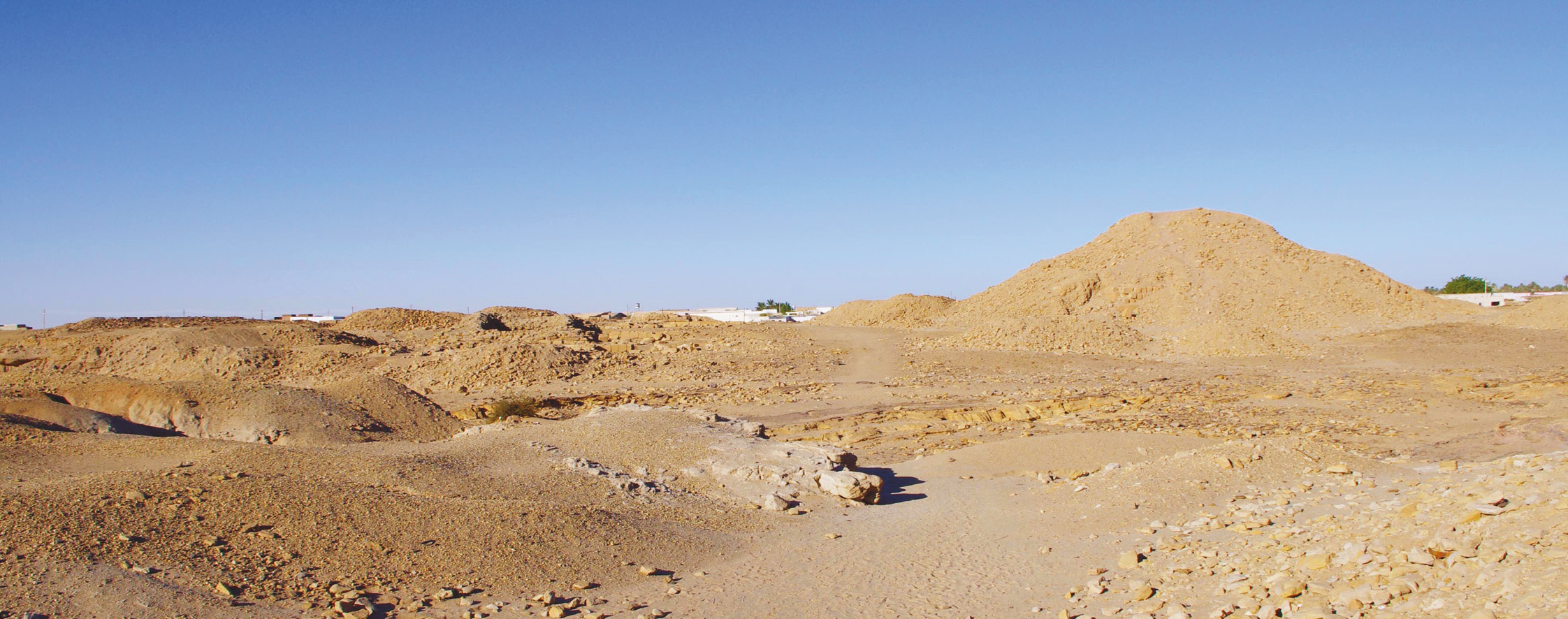
On the basis of the new material revealed by the Harvard–Boston excavations, Reisner produced some initial new historical sketches. But the idea that the stem of the Kushite monarchy was to be found other than in Nubia itself was still strong. Thus, in Reisner’s view, Kashta, the first Kushite king to rule over Egypt, was probably a grandson of the Twenty-second Dynasty king Shoshenq III.
Reisner’s basic scheme for the chronology and succession of the period was essentially that which would be current down to the 2010s. Thus, Kashta was followed in direct succession by Pi(ankh)y, Shabaka, Shabataka, Taharqa, and Tanutamun. The idea of multiple Pi(ankh)ys initially still endured, however, with a second king of the name being inserted into the list as the successor of Tanutamun. However, by 1921 Reisner had realised that there was indeed only one Pi(ankh)y, who had affected a number of different prenomina during his career – to the confusion of modern scholarship.

Standard theory
The work of Reisner was well timed for its conclusions to be embedded in the account of the Twenty-fifth Dynasty included in the first edition of the monumental Cambridge Ancient History. That the casual and gratuitous racism of Breasted still flourished can be seen in a comment by the author of the relevant chapters, Henry Hall, regarding the inherent wealth of the Nubian lands: the Kushites ‘at least received the adherence to which gold-masters are accustomed, even if they are black or, at any rate, chocolate-coloured’.
Excavations carried out by Francis Llewellyn Griffith at Kawa during 1929-1931 yielded important data about the Kushite rulers, including a set of stelae of Taharqa, which allowed a proper assessment of the fragmentary autobiographical text of the king found at Tanis six decades earlier. It also revealed a stela and structures built by a king named Iry. These were long misdated to the 4th/3rd century, but it is now beginning to be realised that Iry was probably a predecessor of Kashta, ruling sometime after the end of Egyptian rule in Nubia during the 11th century BC.

The Kawa material was melded with data from Reisner’s work by Laming Macadam and Dows Dunham at the end of the 1940s, producing what would be for decades the ‘standard’ view of Kushite history and the workings of its monarchy. These included the idea that, unlike the preferred father-to-son succession used in Egypt, Kushite kingship was based on a brother-to-brother, and then son-of-eldest-brother, succession. However, the data available was somewhat limited, and at one point it was felt necessary to ‘correct’ an Assyrian text that gave a relationship between two kings that did not fit the theory. In addition, Macadam misinterpreted the contents of one of the Kawa stelae to invoke coregencies between Shabaka and Shabataka, and Shabataka and Taharqa, which became widely accepted among Old Testament scholars. A comprehensive rebuttal of Macadam’s arguments was published by Kitchen in his 1973 book on the Third Intermediate Period, a volume which, with updates in 1986 and 1996, would until the end of the 20th century be the ‘standard’ account of the history of the 11th to 7th centuries BC.
Reversals and revisions
A pivotal discovery for writing the history of the Twenty-fifth Dynasty was that of an inscription at Tang-i Var in Iran in the late 1990s. This showed that a fugitive Palestinian ruler, Iamani, was extradited from Egypt to Assyria in 706 BC, not by Shabaka, as had previously been assumed, but by Shabataka. This completely upset the current reconstructions of the chronology of the period, requiring either a gratuitous lengthening of Shabataka’s reign (with major knock-on impacts on earlier Egyptian history), the invention of an otherwise unattested coregency between him and his presumed predecessor Shabaka – or something else.

That ‘something else’ was to unpick two centuries of Egyptological assumptions about the relative placement of Shabaka and Shabataka, and explore the consequences of reversing their order. The Tang-i Var date was not the only piece of data that did not fit well with the conventional reconstruction, and in 2013 Michael Bányai produced a paper that included a proposal that the reigns of the two kings be swapped round. The paper also contained a number of other radical proposals but, while these were not favoured by the Egyptological community, the reversal of the kings was further investigated by a number of the specialists working on the Third Intermediate Period. Egyptology is generally a very conservative field, in which changes in paradigm tend to take decades to gain something approaching general acceptance. However, the Shabaka/Shabataka reconfiguration has come to be adopted remarkably rapidly as the new working hypothesis by a significant proportion of those who have made this period a specialisation. (For more on the Tang-i Var inscription see AE 128, although the author, Robert Morkot, does not reach the same conclusion.)

There continue to be questions regarding the history of the Twenty-fifth Dynasty, and it is likely that further adjustments will be required. However, the history of the writing of that history is an interesting one in what it reveals about that process, and the interaction of objective data with subjective data – in some cases, outputs of blatant prejudice – to produce ‘working hypotheses’. It also provides an excellent example of the way that such ‘working hypotheses’ can change and transform over time, and how we are still often the heirs of assumptions made by pioneer Egyptologists that go unchallenged until the concomitant contradictions become untenable.
Aidan Dodson is Honorary Professor of Egyptology at the University of Bristol, formerly Simpson Professor of Egyptology at the American University in Cairo, and previously Chairman of the Egypt Exploration Society. The author of nearly 30 books, his latest, The Nubian Pharaohs of Egypt: their lives and afterlives, is reviewed on p.60.
Images: all photographs by the author, unless otherwise stated