

Subscribe now for full access and no adverts
In ancient times, the belief that hair was a source of power existed in multiple societies and has persisted to this day, particularly with the use of hair in black magic rites. The story of Samson springs to mind. He was betrayed by Delilah, who shaved his head after the hero told her that the secret of his Herculean strength was linked to his hair. The ancient Egyptians also attributed a great deal of power, and therefore magic, to hair, and many rituals echo this fact.
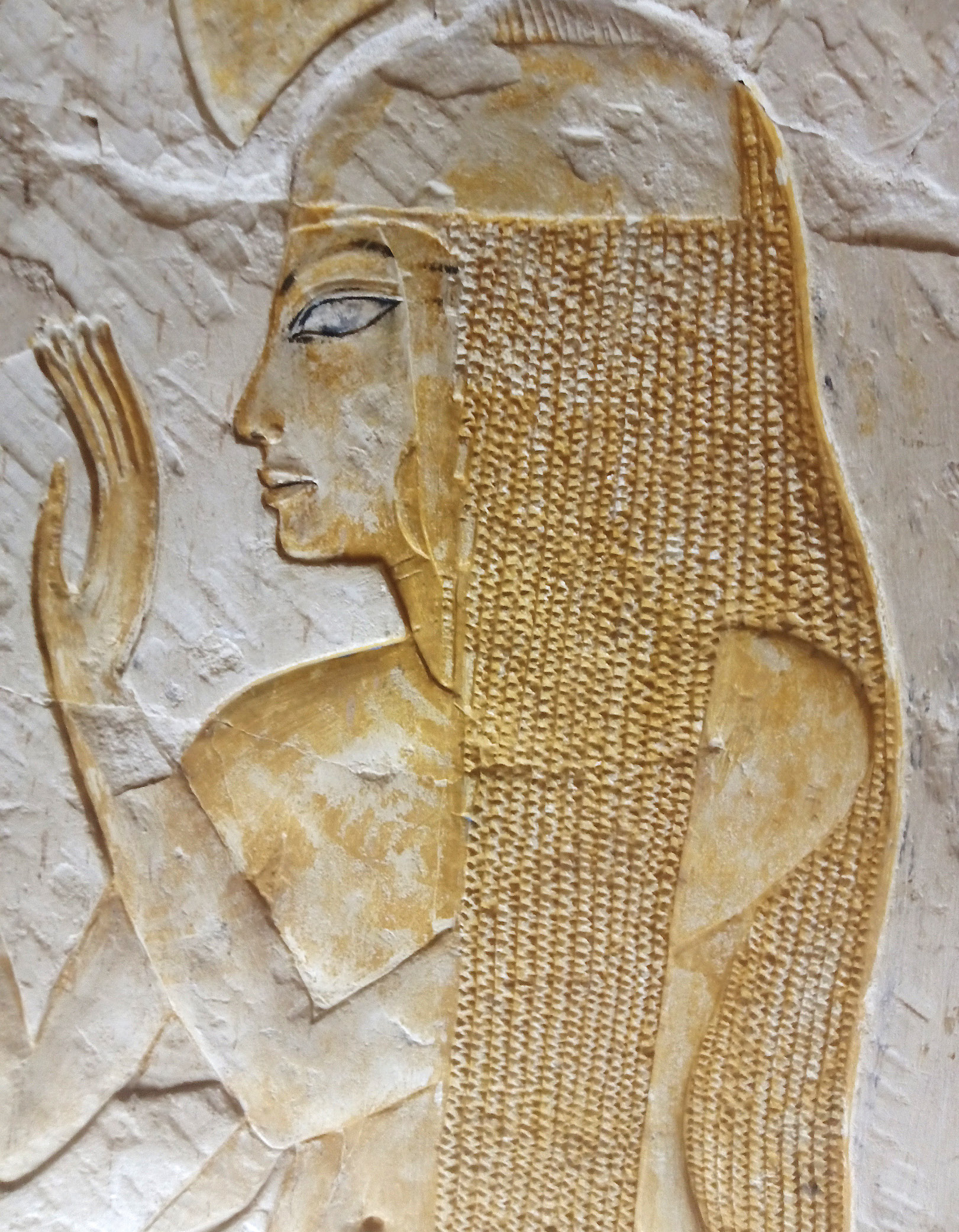
Across the world and throughout the ages, hair has often been considered an integral part of an individual’s personality. Hair grows, has different textures, shades and thicknesses; sometimes hair changes colour during its life, and sometimes becomes sparse or falls out completely. In short, head hair seems to have an intrinsic personality that distinguishes it from body hair and nails. It is therefore natural that people have conferred on it a separate status, a vitality, or even an autonomous power. From scalping practised by the American Indians, to voodoo, fetish or black magic rituals, the belief that one could control or weaken someone via his or her hair goes back to the dawn of time.
Ancient Egyptians attributed a similar magical power to their hair: one that watched over children, showed benevolence towards the deceased or, conversely, could defeat an enemy or offer far greater control than simple physical domination.


Hair in hieroglyphs
The importance that the Egyptians attached to hair is reflected in their writing. There are no fewer than nine terms referring to locks of hair: debenet and beka correspond to a loose lock; uperet refers to a sidelock (as was frequently worn by Egyptian children); sut refers to the hairlock that weeping women attached behind their necks; samut alludes to a hairlock which may have been part of the resurrection of the deceased in the afterlife; and finally, nabet, gemehet, heneseket, and perhaps also iaret, are words used for a braided hairlock.

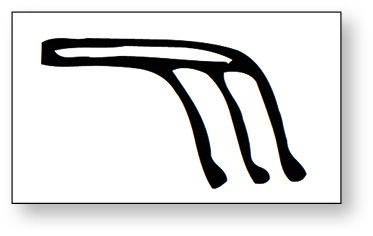
Each of the nine words ends with the same determinative hieroglyph: a lock of hair splitting into three. This allowed the reader to immediately grasp its meaning, in this case its connection with hair. Depending on whether it was loose, braided, or simply tied up, and depending on the context or the individual who wore it, different words were used for the hairlock, perhaps to reflect varying levels of power or impact.
The famous ‘sidelock of youth’
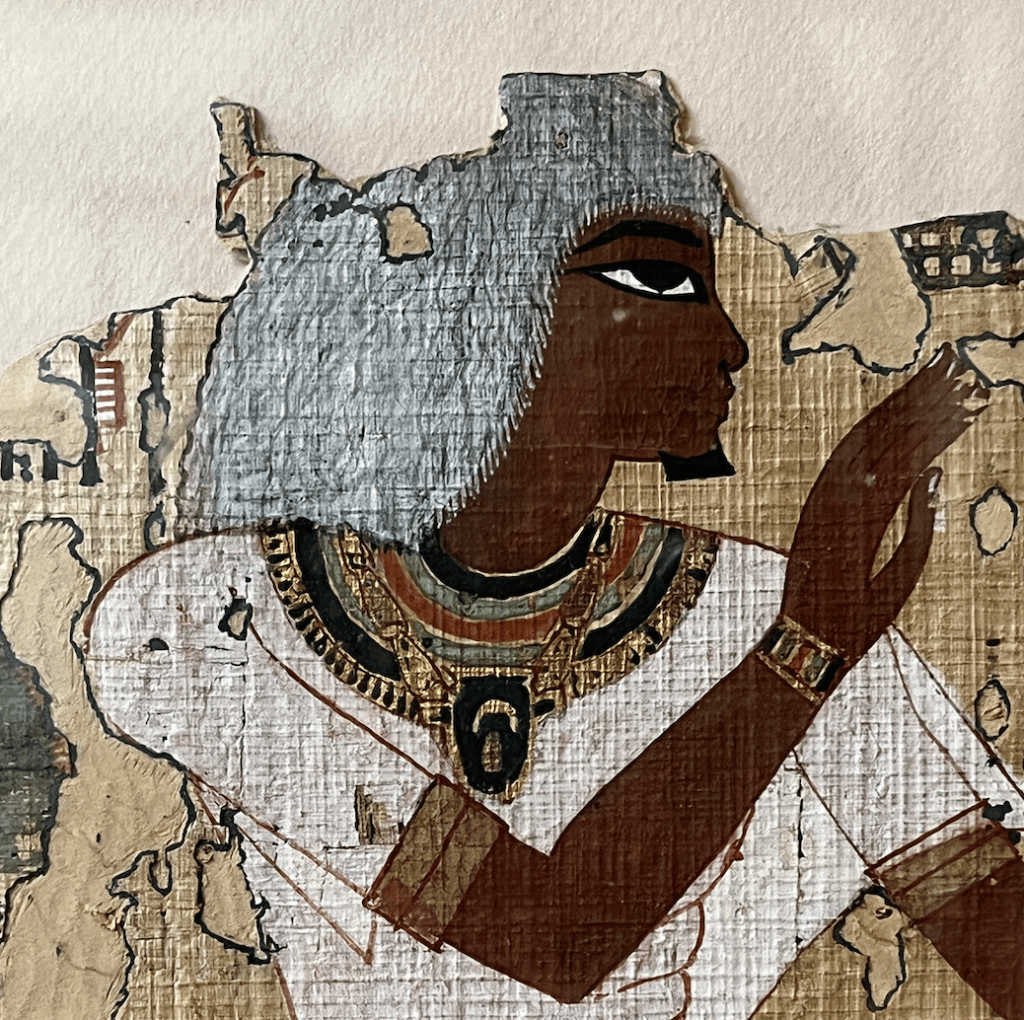
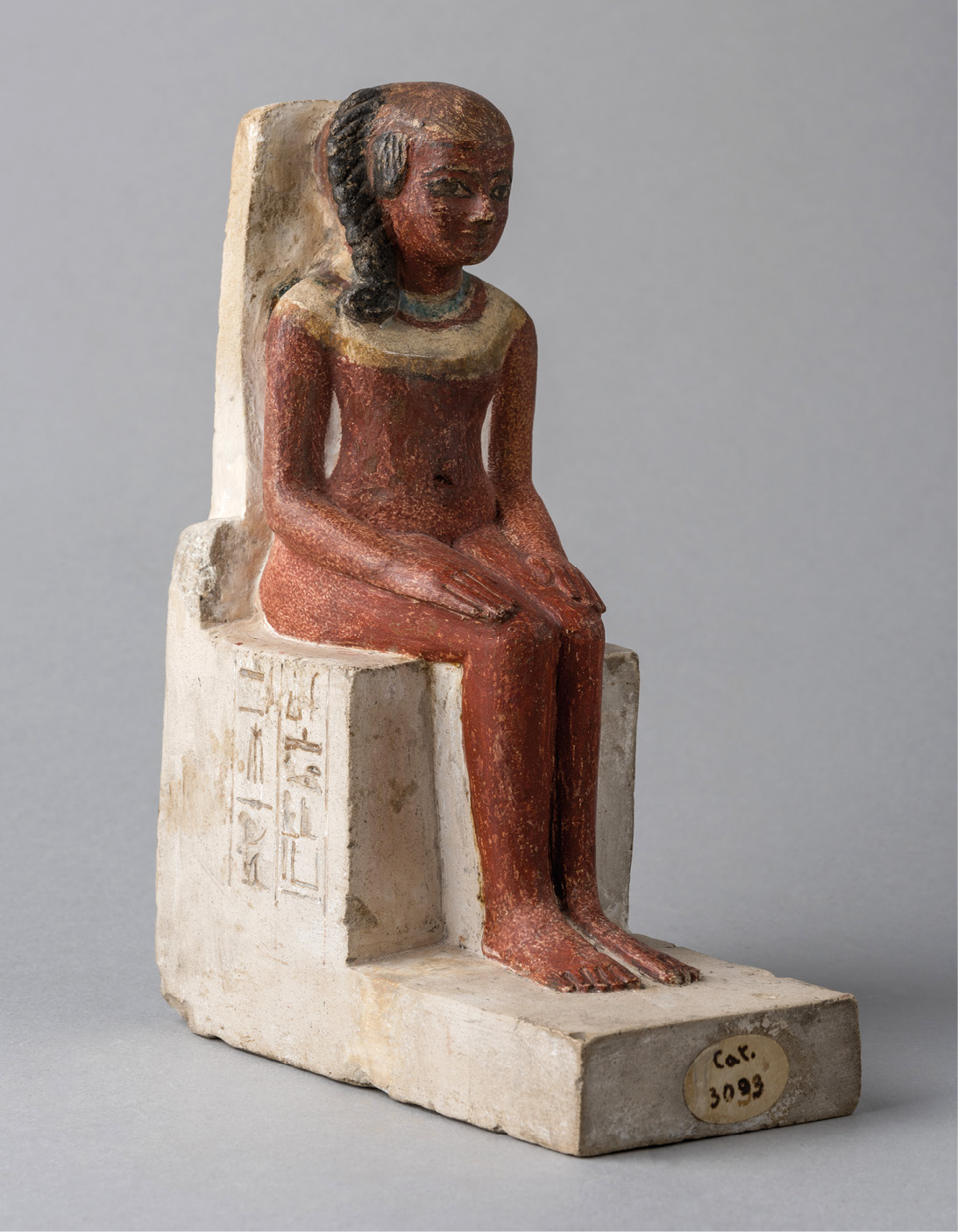
Wrongly called the ‘lock of childhood’ when it can also be worn by teenagers, this ‘sidelock of youth’ does not correspond to an Egyptian term, although the word uperet is the closest designation. It refers to the characteristic hairstyles of Egyptian children during the New Kingdom, who are customarily depicted with a shaved head, leaving just one mid-length or short sidelock. This was usually on the right-hand side, associated with life – a strong positive connotation.

Since many adolescents have been depicted in the iconography with this sidelock on a head almost entirely shaved, or with hairstyles that appear to be wigs, it is difficult to persist in asserting, as some Egyptologists have, that the onset of puberty coincided in all cases with the complete shaving of the head. Ancient texts are silent on the subject, and as skeletons and mummies of children have been found with short hair, it is hard to hold to the theory. Of the cases I studied during my doctoral research, 20 had hair ranging from 1cm to 6cm long; ten were found with long hair, containing one or more braids; about 15 were discovered with a shaved head and sidelock; and three had completely shaved heads.
Although it is impossible to estimate the age at which the lock was cut, it was not a mere formality, but a ritual that protected the child from many sorts of dangers – natural and supernatural. Herodatus, writing in the 5th century BC, records the custom of sacrificing an animal and giving money at the partial or total shaving of the child’s hair.
Testimony of Herodotus about the cutting of the hairlock of children
But I will indicate how it is customary to deal with the animals. Townsfolk in each place, when they pay their vows [related to children’s health], pray to the god to whom the animal is dedicated, shaving all or one half or one third of their children’s heads, and weighing the hair in a balance against a sum of silver; then the weight in silver of the hair is given to the female guardian of the creatures, who buys fish with it and feeds them.
Herodotus, Histories, Book II, Chapter LXV
Ethnographic evidence, from the late 19th century and the beginning of the last century, mentions official celebrations, possibly accompanied by the sacrifice of a lamb, organised at varying ages for the subjects concerned: 3, 5, 6 years old or even ‘after the age of 10’, a period when the young Egyptian was no longer considered to be a child in his or her community.
Testimonies gathered from the Muslim and Coptic communities attest that, just as in antiquity, the hairlock was closely linked to the health, and therefore to the future, of the child. Among Muslims, shaving the child’s head late in his childhood protected him for as long as possible from dangers, and fully assimilated him into the adult community from that point.
Since these accounts date from relatively recent times, any comparison with earlier customs must be treated with caution, but it is undeniable that an ancient tradition relating to the hairlock worn by the child has been perpetuated, whatever its meaning, and has evolved over the centuries.
Magical rituals meant to protect
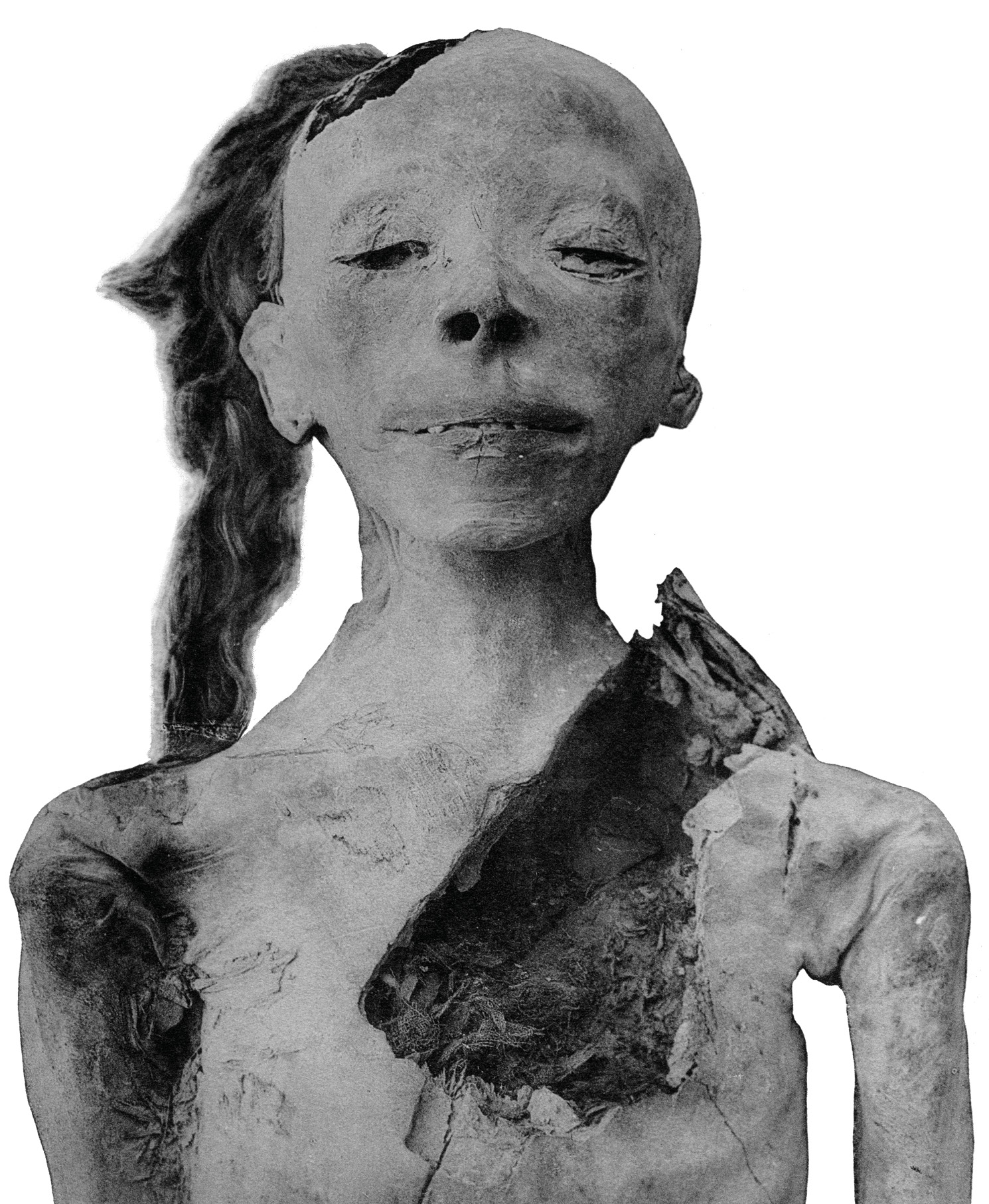
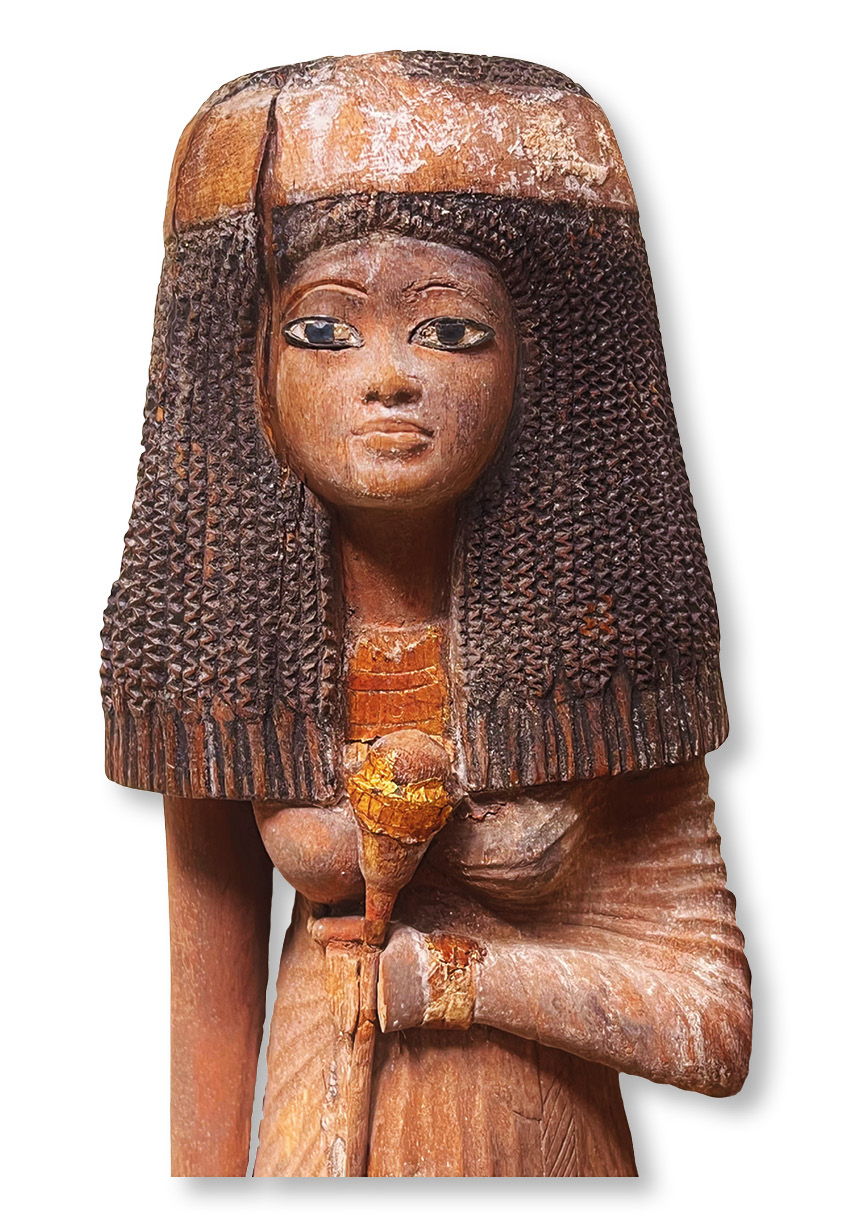
Magical power was not attributed to the hair of only young people; adult hairlocks could also be used in rituals, as seen in some Egyptian tombs. Many burials have included hair offerings, often in the form of braided locks, sometimes wrapped in cloth, sometimes in the form of wigs. The oldest date back to the Predynastic Period (c.4500-2900 BC) and were unearthed in Mostagedda, Abydos, and Naga el-Deir. Evidence of this practice can still be found in Roman times, for example in Hawara. This custom was practised by all layers of society, and the royal sphere was no exception: hair offerings were discovered in the tomb of Ahmes-Meritamun, Great Royal Wife to her brother Amenhotep I, and in the tomb of an anonymous princess buried in the Valley of the Queens. A box was found in the Tomb of Tutankhamum, too, which contained a lock of hair belonging to his grandmother Queen Tiye.
While this burial custom has been observed many times at all periods throughout Egypt, evidence of its use in child burials has remained marginal since, to date, only one such case has been noted in excavation reports. This related to a lock of hair discovered in the tomb of a child aged about one year, buried in Lahun during the Middle Kingdom. Since this find is, for the moment, unique, it is impossible to know if it had the same significance as the hair deposits found in the graves of adults.
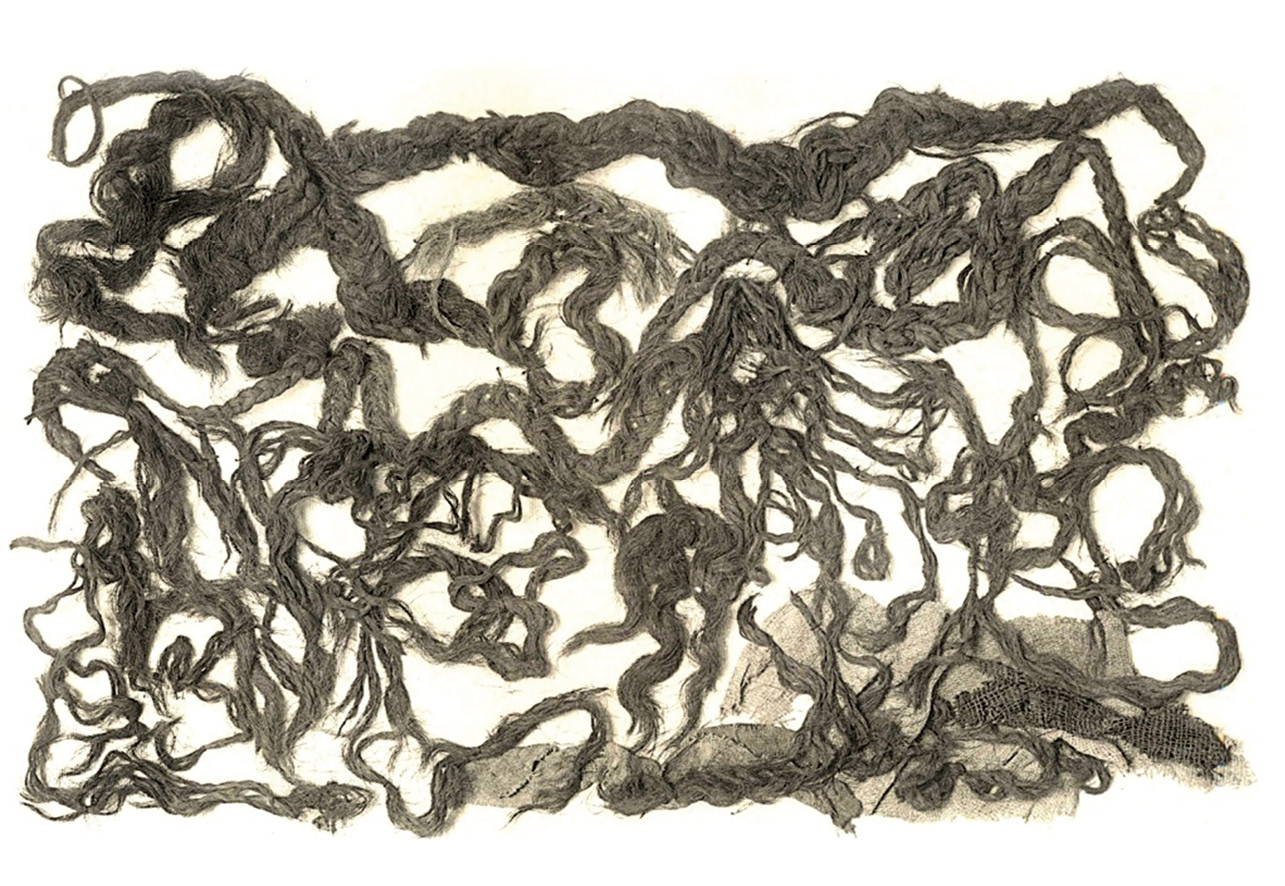
The nature and therefore the value of these hair offerings is difficult to establish with certainty in the absence of any ancient written record on the subject. Émile Amélineau, excavating at Abydos, interpreted these deposits as offerings to the deceased, since the hair he discovered did not belong to the deceased individuals. Given the interactive power attributed to the deceased and the spirits in the world of the living – which could be benevolent or malevolent – this hypothesis cannot be discounted. Relatives may have deposited one or more locks of their own hair in the grave so that the deceased would use its power, from the afterlife, to watch over them. In other cases, however, it has been proved that the hair deposited along with the deceased was indeed his/her own: for example, a mummified subject in Lahun during the Third Intermediate Period, whose tomb and body were studied by William Flinders Petrie.
In the absence of textual evidence, it is difficult to speculate further on the value given to these hair deposits. However, the hairlocks undoubtedly were treasured, and had a magical and powerful connotation.
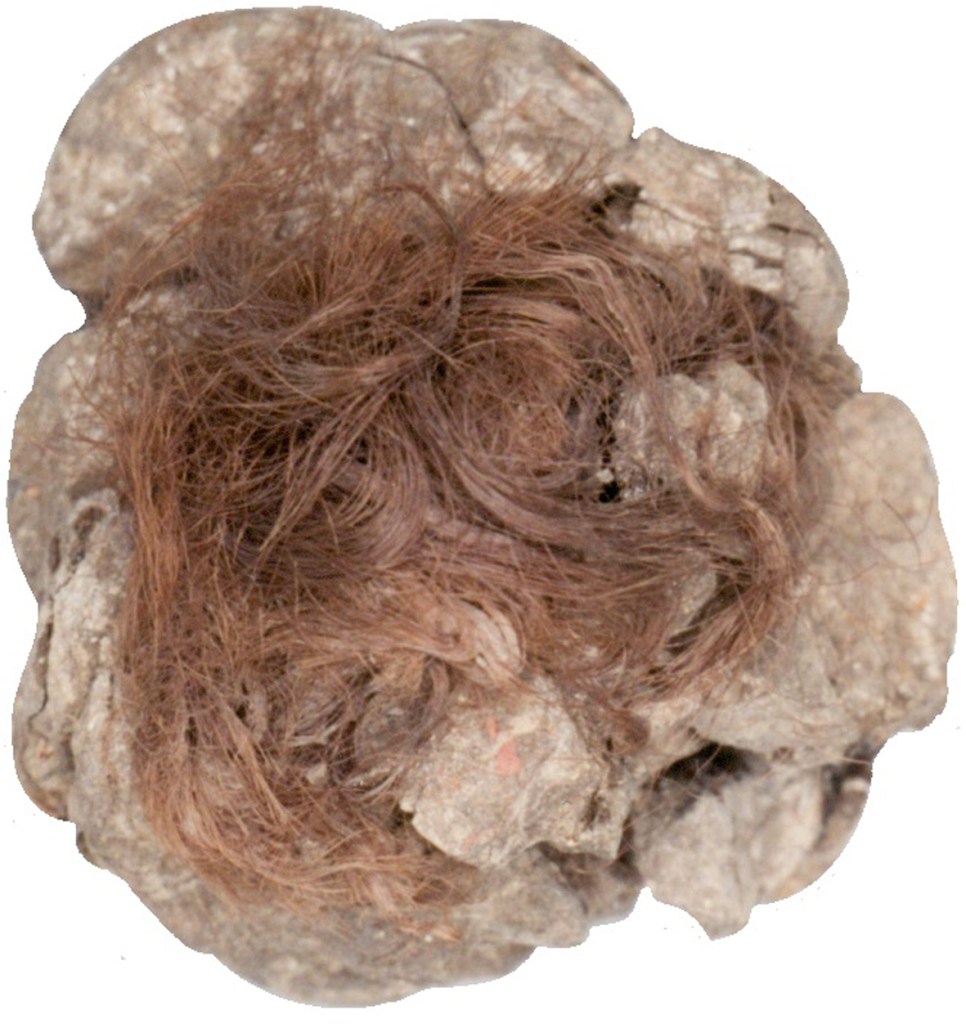
Finally, mention should be made of the discovery of human hair inside plaques and balls of clay. Some were discovered in Upper Egypt, in the Valley of the Queens; others in Middle Egypt, at Tell el-Amarna, the city of Pharaoh Akhenaten; and others in Lower Egypt, at Lahun. Egyptologist Jean Leclant suggested that these are artefacts related to the ritual protection of the deceased. This theory seems plausible in a funerary context, but it is not the case for all the balls made of clay mixed with hair discovered in Egypt. Rituals of execration (the use of magic for malicious purposes) should also be considered.
A magical spell to dominate Apep and his allies:
The flames seize him, the fire consumes him, it destroys his bones and his hair… Do not allow, gods, that his soul, his spirit, his shadow, his bones, his hair last! …I have destroyed his soul, his spirit, his corpse, his shadow, his magic virtue, his seed, his egg, his bones, his hair, and I have given [them] to the fire for all days as Ra has commanded. That their souls [those of Apep’s allies], their spirits, their corpses, their shadows, their magical virtues, their bones, their hair, their magic formulas, their words do not exist!
Leiden IX Magic Papyrus
Magical rituals intended to cause harm
Hair was seen as a powerful source of benevolent magical power for the living and for the reborn spirits of the dead in the afterlife, who needed the same protection. But it was considered an effective means of weakening, fighting or des
As we see, destroying the bones of Apep or his allies was probably not enough to completely annihilate the serpent-god: it was still necessary to proceed to the destruction of his hair. The power contained in hair had to be annihilated so that the sun god could have a total ascendancy over his enemies.
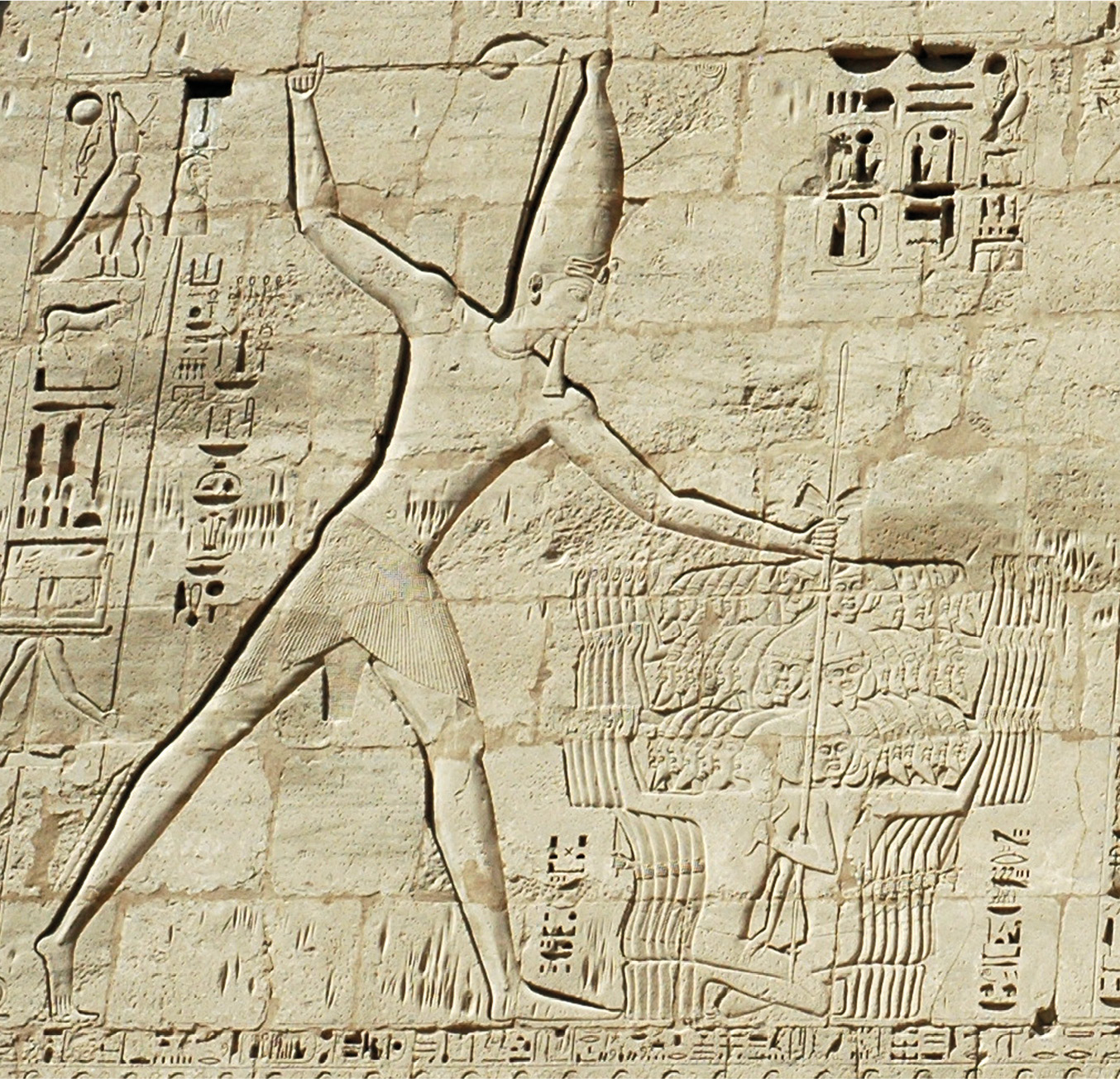
Domination of the enemy by gripping his hair is found from the Predynastic Period throughout Egyptian history. There are many scenes of the king seizing his bound enemies by their hair, ready to kill them with a weapon he is holding in his other hand. He does not hold them by their neck, by their arms, or even by a rope, but rather by a fundamental source of power that is supposed to protect them: their hair. This staged act, unrealistically depicted – especially where there are many enemies – is highly symbolic. However, this aspect is often neglected by specialists, who are more interested in the attitude of the defeated – bound, miserable, sometimes on the ground – and their size – significantly smaller than the pharaoh. According to the Egyptian stylistic code, the size of the characters does not correspond to reality, but to their social importance. The small size of the captive enemies of Egypt highlights the high stature of the king, who appears in all his majesty, dominating, victorious, and adorned with his regalia. By firmly holding the hair of his enemies, the ruler of Egypt imparts a strong message of ascendancy over his opponents, a hold that goes far beyond their immediate physical domination.

The power of hair
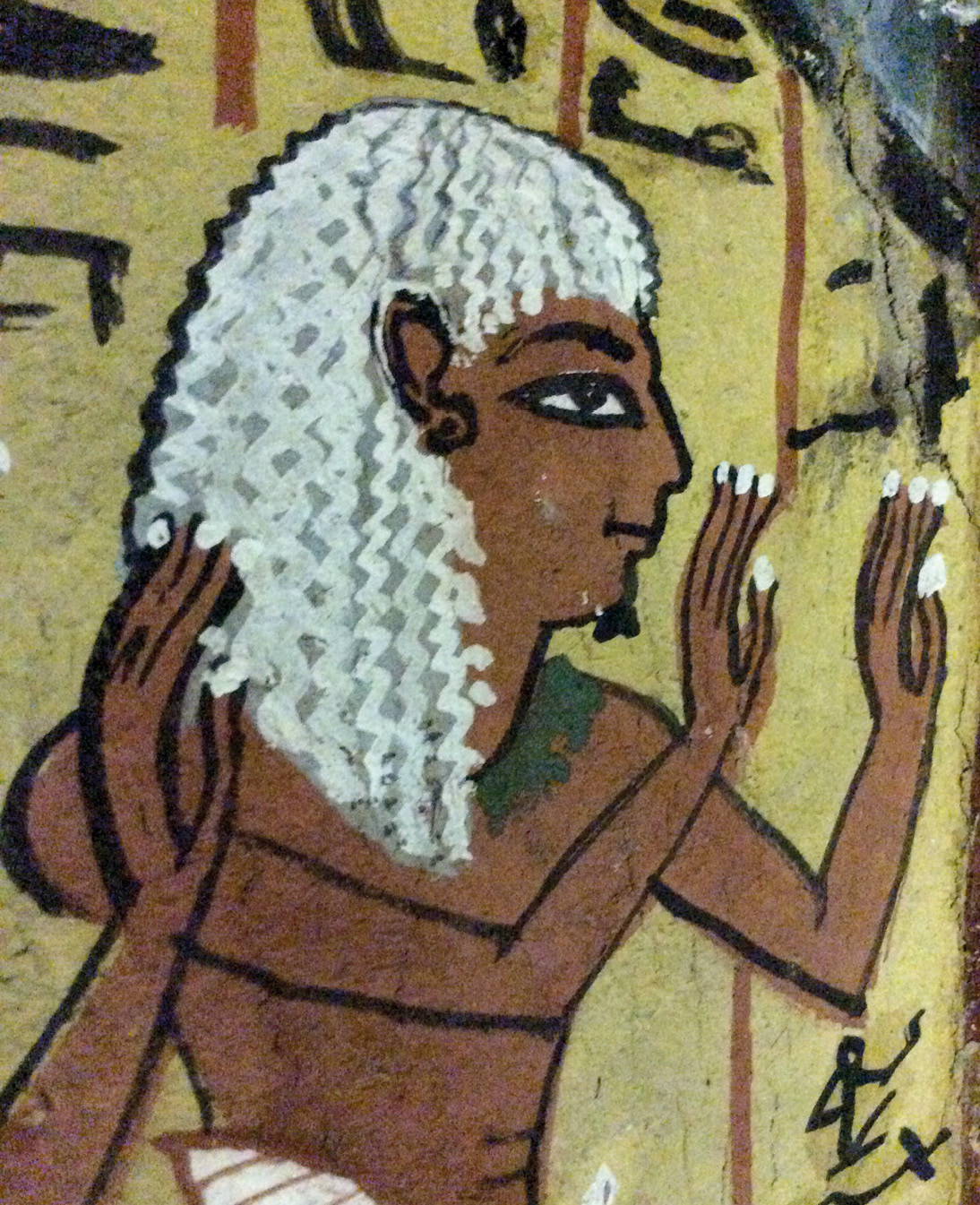
In ancient Egypt, hair was considered a source of vitality and therefore of power. The Egyptians gave hair a great deal of attention, using ointments and rituals to prevent it from falling out, becoming grey or white, while some tried to make it thicker. Hair had the power to protect an individual – especially children and the deceased, the beings most vulnerable to attacks by invisible entities – or conversely to defeat enemies if used against them. Even today, black magic practices or voodoo rituals use hair to reach the person to whom it belongs. In this context, we can understand why the cutting of a hairlock of a young Egyptian was a true rite of passage, meaning that the child had officially crossed the threshold of dangers threatening the youngest. So we can understand the motivation of the magicians who manipulated all kinds of hairlocks, and why some relatives offered their own hair to the deceased, why there were harmful rituals implicating someone’s hair, and why the pharaoh was often represented holding firmly the hair of the enemies he was about to kill.
Dr Amandine Marshall is a regular contributor to AE and is the author of several books, including Motherhood and Early Infancy in Ancient Egypt (AUC, 2022), Childhood in Ancient Egypt (AUC, 2024) and The Tomb of Tutankhamun: the Other Side of the Story (Mondes Antiques, 2022).
All images: the author, unless otherwise stated