

Subscribe now for full access and no adverts
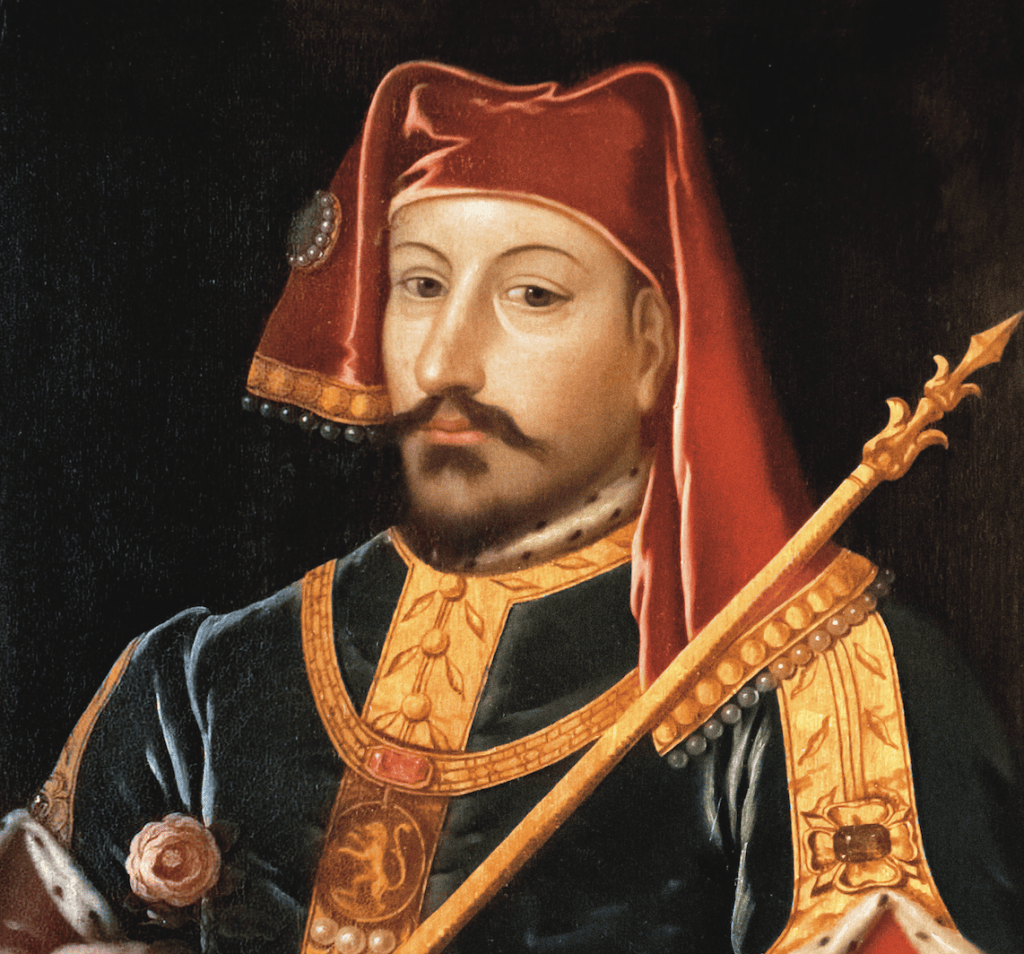
‘Uneasy lies the head that wears a crown.’ The words are Shakespeare’s – the head in question belongs to the title character of Henry IV, Part 2, and the crown is the one plonked on it just over 625 years ago, on 13 October 1399.
Regarded as the first Lancastrian king, Henry Bolingbroke – Henry IV to be – was born around 3 April 1367, the eldest surviving son of John of Gaunt (fourth son of Edward III and effective ruler of England from around 1371) and his first wife, Blanche of Lancaster (daughter of Duke Henry of Lancaster). His surname came from Old Bolingbroke Castle, his Lincolnshire birthplace. As a grandson of Edward III, Henry was a cousin to Richard II, who had acceded in 1377 as a ten-year-old, at which point Henry became Earl of Derby. Richard had then faced down the 1381 Peasants’ Revolt when only 14. A year before this near-calamity, Henry married wealthy heiress Mary de Bohun, heir to the earldoms of Hereford, Essex, and Northampton.
Writing before in these pages about Henry (MHM 44, May 2014), I singled out his 1403 triumph at the Battle of Shrewsbury for particular focus. Although that standout victory can’t be ignored, I shall look in more detail this time at the earlier campaign that led to his successful usurpation of the throne in 1399.

Changing sides
Henry’s father, Gaunt, was a peacemaker, maintaining a balance of power between supporters of the young king and the opposition led by Thomas of Woodstock, Duke of Gloucester. Gaunt’s absence in 1386-1389, when he was pursuing his personal claim on Castile through his second wife, Constance of Castile, almost resulted in civil war back home, showing how vital his mediation was.
In 1386, Henry joined the ‘Lords Appellant’ in opposing Richard, bringing an ‘appeal’ of treason against five of his courtiers in the so-called ‘Merciless Parliament’ of 1388. The appellants, Henry included, asserted Parliament’s judicial supremacy, and thereafter controlled government policy until 1397, when a royalist recovery saw them swept from power. In the meantime, Gaunt’s return saw the factions reconciled once more. In 1397, however, Gaunt’s son broke ranks, supporting Richard against the Duke of Gloucester, and was created Duke of Hereford as a reward. The following year, his fortunes nosedived when he was banished, and matters worsened in 1399 when Gaunt himself died with his estates forfeit to the king. It was time Henry showed his hand.
Surprise and timing are of inestimable value when military campaigns are prepared. Luckily for Henry, Richard was a poor strategist who didn’t heed advice. He doubled down on incompetence, first by banishing Henry for life, revoking his pardons, and alienating anyone who had sympathy for him, and second by gathering a force of the first order to invade Ireland and bring the rebellious Irish lord Art McMurrough to heel. So, just when Henry might have been plotting revenge, Richard planned to be an absentee monarch. A war on two fronts is never recommended, but Richard would now have one of his own making. Henry also knew what the king was up to, as the Irish expedition had been in the planning for months – though Richard took some precautions, including taking Bolingbroke’s son and heir, 12-year-old Henry of Monmouth (Henry V to be), into his care. Seemingly oblivious to his own goal, Richard left for Ireland at the end of May, arriving there on 1 June with young Henry in tow.
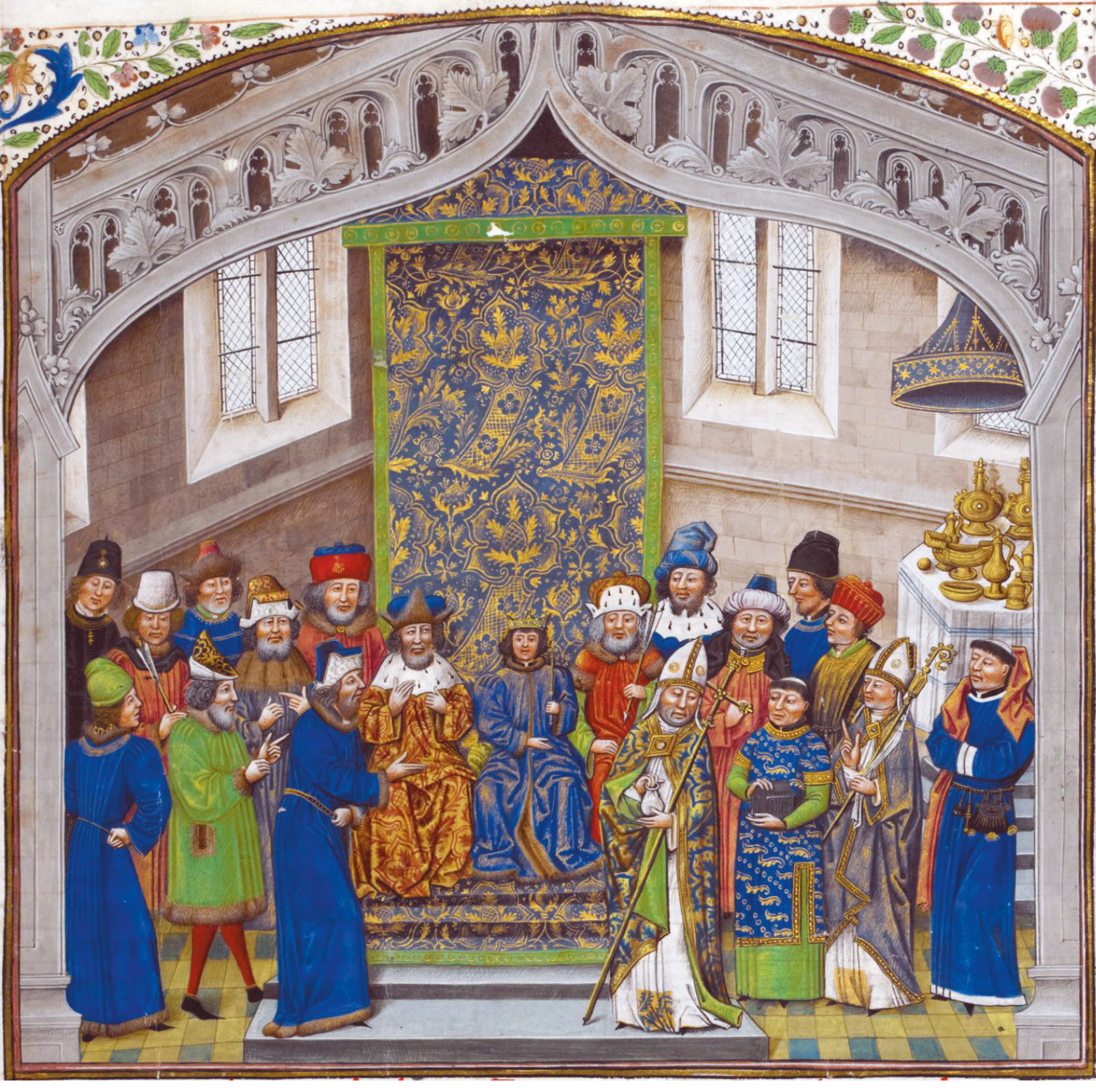
One man does not an invasion make, and Henry was fortunate that there were a number of influential men whose grievances with the tyrannous Richard had driven them into his orbit. Thomas of Arundel, Henry’s cousin, had spoken for Parliament in 1386, then participated in the trials of Richard’s mates in 1388, so lost the Archbishopric of Canterbury. Thomas FitzAlan had seen his father decapitated on Richard’s orders during the Revenge Parliament, while Walter Bagot had declared that ‘Henry must help himself by force’. They had all been deprived of lands and honour courtesy of Richard’s vengeful determination to destroy anyone threatening his authority – so, as well as creating the two-front war, Richard had cemented an army of dissidents.
It’s one thing to be presented with an opportunity, another to take advantage of it. Henry was exiled in France, but couldn’t count on much French support, as Richard was making welcome peace overtures to England’s traditional enemy. Few in France knew of Henry’s intentions, so it was with the advantage of relative secrecy he left Paris for Boulogne and his waiting fleet. One thing the 1399 campaign tells us, however, is that Henry was imbued with personal courage, a prerequisite for anyone contemplating invading an anointed king’s realm, for failure meant certain death. The last instance of an Englishman taking on his king on English soil and prevailing occurred more than 130 years earlier – with Simon de Montfort at the Battle of Lewes in 1264. Henry was on his way at the end of June.
Around 4 July 1399, Henry invaded England, landing at Ravenspur on Spurn Head in Yorkshire; this was to be Henry’s ‘Independence Day’ in the Lancastrian heartland. In a rapid campaign of skill and speed, he’d outmanoeuvre his opponents, forcing Richard’s effective surrender as early as August. This was no foregone conclusion, however. The first sizeable town he reached, Kingston upon Hull, closed its gates, but Henry was resolved to rescue England from a king’s misrule or die trying. It would certainly end one way or the other. Henry was about to show the leadership conspicuously lacking in the king, in whose absence the realm was guarded by Edmund Langley, the incompetent Duke of York – who had received intelligence by 28 June (a week’s notice) that Henry was gathering his resources across the Channel.

Henry, for his part, relied on smoke and mirrors. A raid by Sir John Pelham on Pevensey, in Sussex, was a feint, while Henry’s own sneaky beaching on the north Norfolk coast enabled him not only to stock up on provisions but also to create ‘fake news’ of his landing. Henry’s force at this stage numbered no more than 300, with as few as 15 knights – meaning that any certainty over his landfall could have seen his quest ended prematurely. As it was, the Duke of York hadn’t a clue where Henry was headed, and possibly even pushed off west, in completely the wrong direction, at one point. When Henry did land, on an unguarded beach that was up to three days’ gallop from London, he had time to tap up the northern lords, some of whom had been primed with secret letters from France.
Henry’s objective was his Lancastrian heartlands, where he was guaranteed support. His (semi-conjectured) route took him via Bridlington Priory, Pickering Castle (which opened its gates), Knaresborough Castle (which initially refused him entry before he garrisoned it), and finally the great Lancastrian fortress of Pontefract Castle, which he reached around 13-14 July. He’d been on English soil for ten days now, and there was no doubting his presence, although his intentions were another matter. By the time Henry departed Pontefract for Doncaster, his force had grown exponentially, now numbering thousands rather than hundreds.
One mysterious episode concerns an oath Henry reputedly made, possibly at Doncaster and other places along his route, and sometimes referred to as the ‘Percy Manifesto’ – as Henry Percy, the Earl of Northumberland, and his son, Harry Percy (often referred to as ‘Hotspur’) were prime movers in dragging an assurance from Henry regarding his intentions, that he was not intending to displace the king but merely to reform the royal household, restoring good governance by wielding ‘sovereign’ power himself – with Richard ruling in name only.
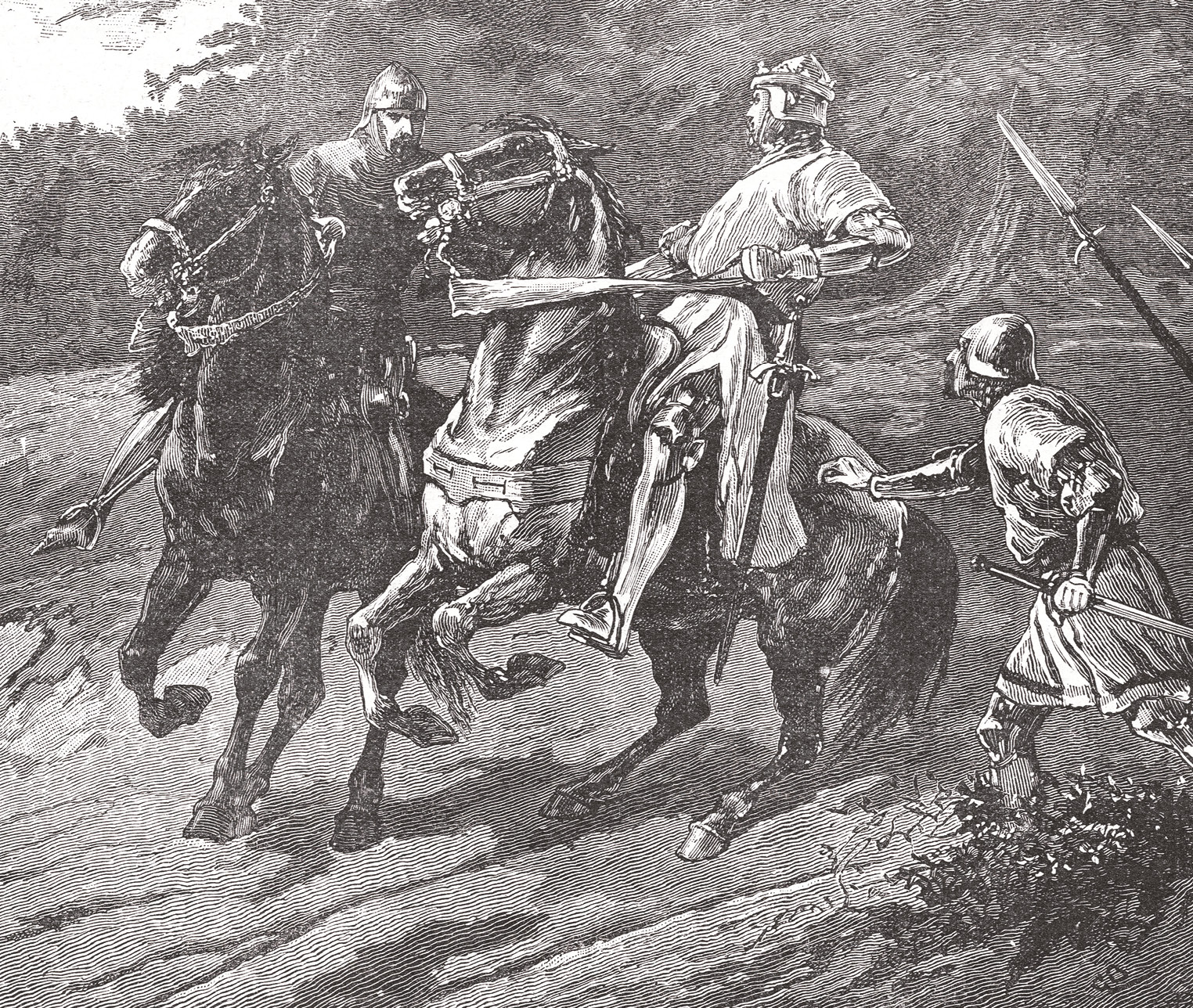
It is vaguely reminiscent of a later Duke of York, of Wars of the Roses vintage, who made similar noises but then overplayed his hand and lost; Henry did the same and won. He also vowed not to tax the citizens without Parliament’s say so – an early dart for approval. Henry was possibly being canny: if Richard were defeated, abdication would almost certainly follow, and having orchestrated this, Henry’s accession was probably assured. It is even possible Henry had not planned on usurpation. His invasion, however, would prove an unmitigated success, which created a juggernaut’s momentum.

Towards the throne
Henry moved on, reaching his castle at Leicester around 20 July. He had to decide his strategy: march against London, or target Richard’s regent, Edmund Langley; Henry chose the latter. Edmund had reached Oxford on 16 July. He spent four days there with the King’s Council discussing the growing crisis, so was still in Oxford around the time Bolingbroke attained Leicester. Edmund was noticeably weary in his reaction, however, as though his heart wasn’t in it. The Council was despatched to Bristol, while he headed for Berkeley Castle, in Gloucestershire; there may have been an ambition to await the king’s return from Ireland in this westward swing. From 24 July, Edmund was at Berkeley, separated from the Council, hardly suggesting unity in Richard’s defence. Henry kept moving, via Coventry, Warwick, Evesham, and Gloucester, while Edmund awaited developments.
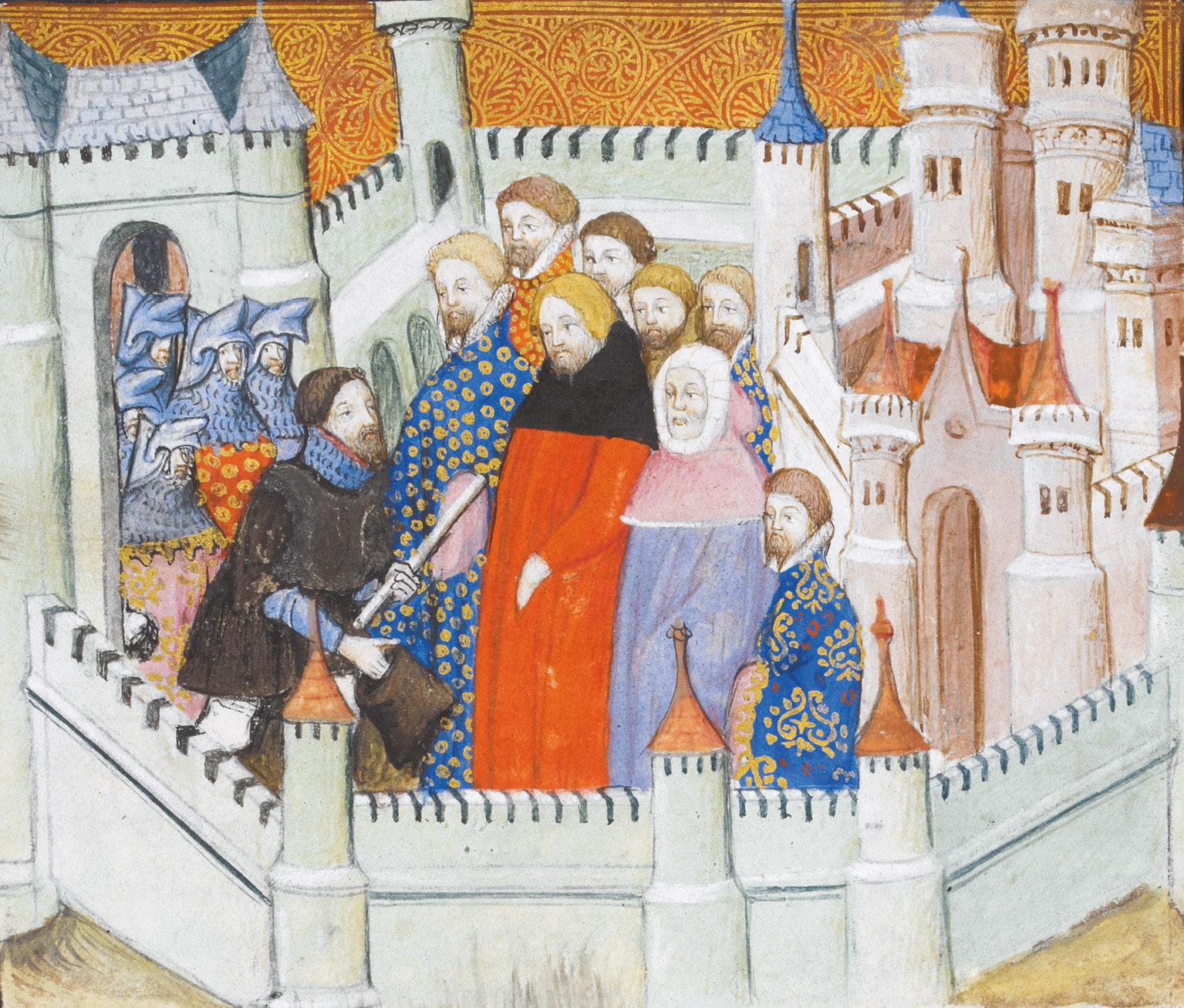
On 27 July, the two men, Henry and Edmund, met at Berkeley, in the church outside the castle walls, with Edmund agreeing to stand aside should Henry take on Richard. Edmund’s inactivity and separation from the Council suggests this was an agreeable outcome to him. With most of the country gravitating to Bolingbroke, Edmund was happy to go with the flow. Henry sent his new lieutenant to seize Richard’s young bride while he continued towards Bristol. Henry played it astutely, showing magnanimity to former foes, as he wanted potential allies to be drawn in without fearing retribution. The following day (28 July), Bristol Castle was encircled, and, after the garrison capitulated before Henry’s now-mighty force, the gates opened to him.
Henry’s forgiveness only reached so far – as can be seen when three men were brought to him on 29 July. William Scrope, Earl of Wiltshire (who had filched Henry’s castle at Pickering), John Bussy, and Henry Green were executed as traitors, having all approved Henry’s lost inheritance and banishment. The true test still lay ahead, however, for Richard, having achieved nothing in Ireland, was returning – though he had fatefully split his force, sending one half under the Earl of Salisbury towards North Wales, while he landed further south at Milford Haven at the end of July and marched on Carmarthen.
Would Henry’s force stay together and treasonously march against the royal standard? This was never tested – for Richard, bizarrely, abandoned his army at Carmarthen and fled north with a couple of dozen trusted henchmen. Whereas Henry displayed the courage of his convictions after landing at Ravenspur, Richard landed and ran. That Richard then attempted to raise another army in North Wales doesn’t save his reputation. His new army proved illusory anyway, as it was already deserting en masse by the time Richard got there. Meanwhile, on the other side of Wales, Henry pressed on through Ross-on-Wye, Hereford, Leominster, and Ludlow. He began to wield ‘sovereign’ power as well – for example, by appointing the Earl of Northumberland as Warden of the Marches of Scotland on 2 August. There was a vacuum to be filled.
Richard could do little but scamper from one North Walian castle to another, ending up back where he’d started at Conway, while two of those who had remained faithful – the Duke of Exeter, his half-brother, and his nephew the Duke of Surrey – disappeared to negotiate with Henry. The meeting took place at Chester, which Henry had occupied, but it didn’t go well for the envoys: both were detained, Henry not believing their assertion that Richard was in forgiving mood and ready to restore his lands and titles. The aspirant also seized Richard’s treasure, which had been hidden, albeit not well enough, at nearby Holt Castle.
Usurping the throne
Richard was out of options, and Henry knew it. On around 15 August, he despatched Northumberland to Conway with orders to arrest the king. Cannily keeping most of his force out of sight, Northumberland hoodwinked Richard, who may still have believed he could turn the tables on Henry. Lured from his bolthole, however, he was soon surrounded. Henry heard the next morning that Richard had been taken, and with a spring in his step headed for Flint Castle, where the king was being kept.
Henry reiterated that he only wished to help Richard recover from past misrule and govern wisely, which Richard graciously accepted – he had no choice. Richard’s next stop was Chester Castle. Business resumed, and a parliament was called for 30 September; Richard was still king, nominally at least, but sovereign power assuredly lay with Henry. As to Henry’s legal claim to be king, this was based on a convoluted plot-line as ‘the heir male of Henry III’ (who had died more than a century earlier), since his title by descent was so weak; better that than king by conquest, although everyone knew what had transpired.
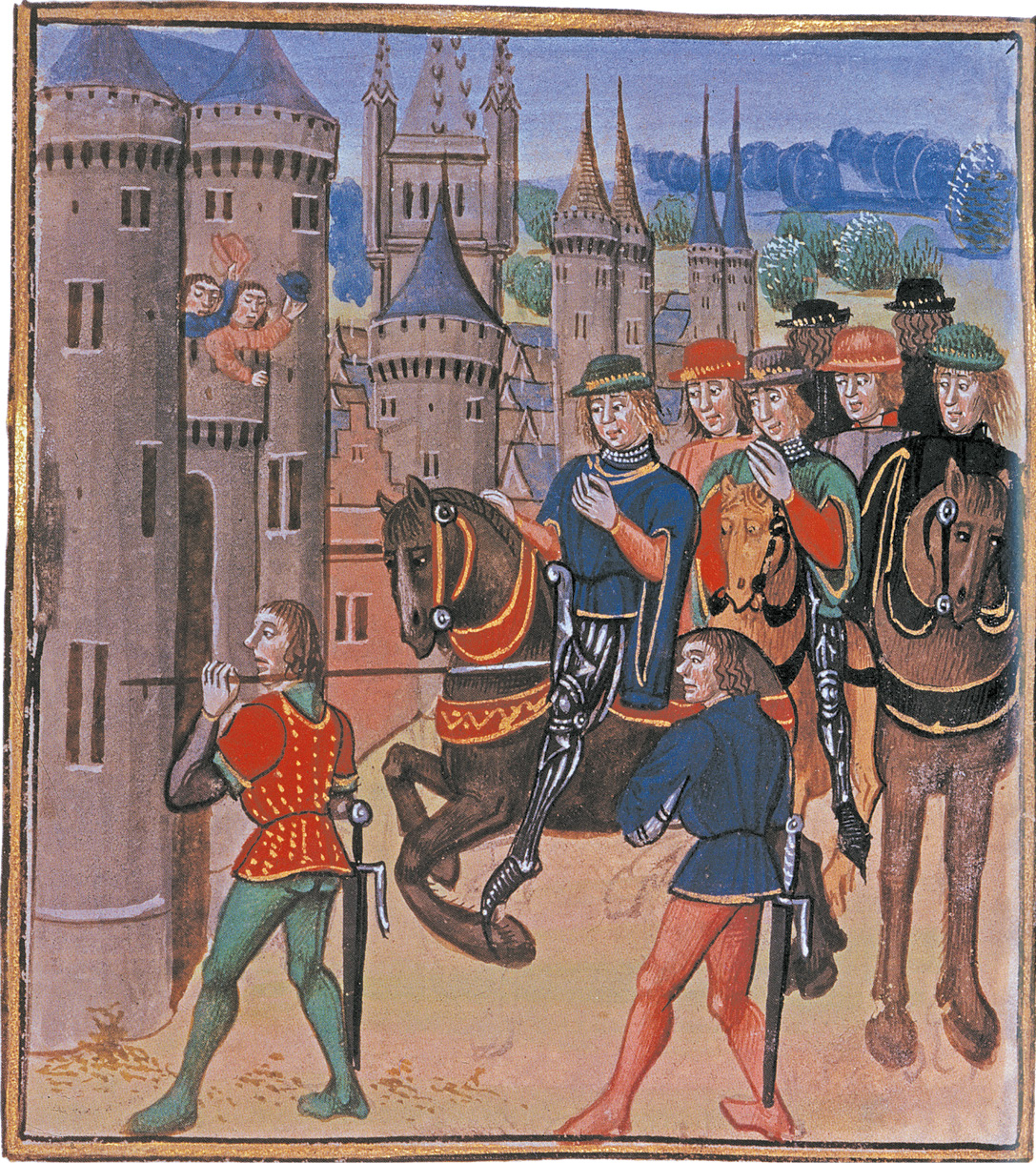
On 20 August, Henry and Richard were moving again, heading towards London. There was an attempt to free Richard around 23 August, which only made Henry more fastidious in watching him. By the 31 August, they’d reached the capital’s outskirts, met two miles out by mayor and aldermen. Richard went to the Palace of Westminster, then the Tower – a short trip enlivened by an attempt to murder him: he had lost the people, who called him ‘bastard’. Henry, meanwhile, was greeted rapturously, like the conquering hero, heading for St Paul’s, where he prayed and wept.
His success may have been a gamble, but it was one backed by well-planned action – an object lesson, masterclass even, in usurpation. Henry would have found it hard to seize the throne against fierce opposition, but the popular acclaim was manifest. After the boy-king who’d become a tyrant, here was an opportunity to replace him with a warrior-leader who, at 32, was in the prime of life.
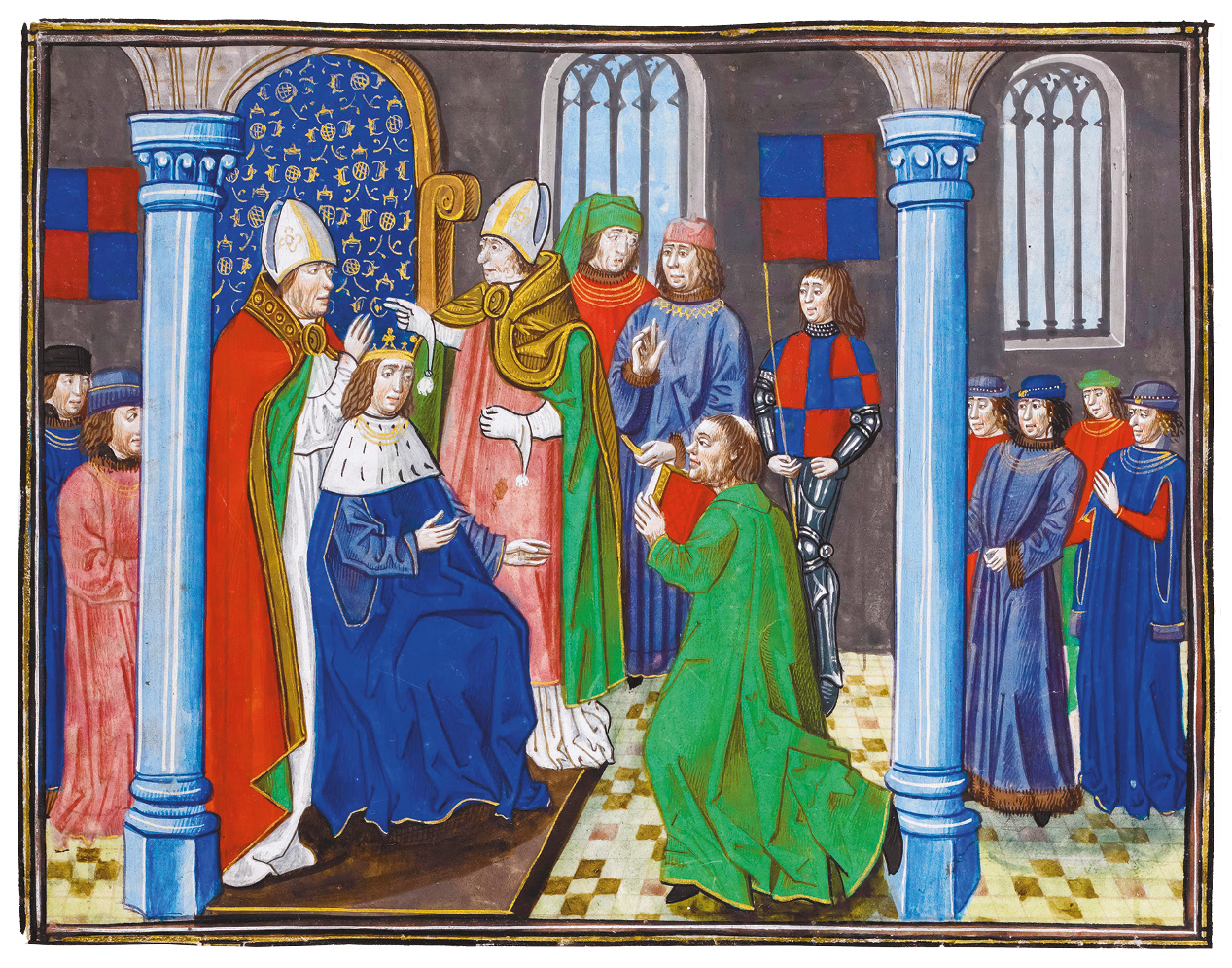
By 10 September, it was agreed the king would be deposed. This needed to be done before the parliament on 30 September, as the king’s presence gave the assembly its status and power. A delegation therefore headed for the Tower on 28 September, requesting that he abdicate. Richard was permitted to chew that wasp overnight, then returned the following morning to be bombarded with legalistic arguments that dissipated what little resolve he had left. Henry duly arrived that evening with his terms: abdication with no conditions.
By 29 September, Henry had built such strength that he was able to induce Richard, abandoned and betrayed, to sign a renunciation of his claims; the two men wouldn’t meet again. Henry was then able to be crowned as Henry IV. It wouldn’t take long to resolve the inconvenience of there being two anointed monarchs. The following January, there was a belated rising in Richard’s favour, which sealed his fate; a couple of weeks later, in February, he died of starvation, most likely in Pontefract Castle. Henry moved on, and married for a second time in 1403, to Joan of Navarre (Mary de Bohun having died in childbirth in 1394).
Uneasy lies the head
The Welsh maintained their independence throughout Henry’s reign under their charismatic and elusive figurehead Owen Glendower, whose revolt punctuated the first decade of Henry’s rule (1400-1409). Henry, meanwhile, invaded Scotland in 1400, laying siege to Edinburgh Castle and only lifting the siege because of famine. In 1402, while Henry was engaged against the Welsh, the Scots invaded the north of his kingdom, rampaging into Northumberland, to be faced by Henry Percy, Earl of Northumberland, and Hotspur. The Scots were defeated on 14 September 1402 at Homildon Hill (or Humbleton), with Scottish troublemaker Archibald Douglas, 4th Earl of Douglas (c.1369-1424), known as ‘Tyneman’, taken prisoner.
Henry’s reign was characterised by rebellion and lawlessness, with frequent assaults being made on the English coast from France as well. The king’s ability to exert his authority was constantly hampered by lack of money, while religious rebellion was on the march, too. In 1401, William Chatrys (or Sawtrey) was burned for heresy at Smithfield; and when, in 1404, Parliament proposed confiscating the clergy’s property, it was Henry who discountenanced such proposals while defending the established church by sending heretics like Chatrys up in flames. ‘Hotspur’, a leading representative of the turncoat Percy house, was now allied with Douglas and Glendower in a coalition that must have brought back memories for Henry of his own rebellious triumph in 1399.
Henry IV faced his fears on 21 July 1403 at the Battle of Shrewsbury, where Hotspur was killed and Douglas taken prisoner again. If not on the scale of Towton – the battle on 29 March 1461 that has the grisly distinction of being the bloodiest ever fought on British soil – it was nevertheless a bloodbath as the novelty of archers on both sides wreaked havoc, with Hotspur himself falling to an arrow. Henry Percy wouldn’t give in, and in 1405 rebelled again in league with Thomas Mowbray, Duke of Norfolk, and Richard Scrope, Archbishop of York. Henry foiled this attempt – but the danger persisted until 1408, when another insurrection ended in defeat and Percy’s death at Bramham Moor, in Yorkshire.

Afterword
In 1406, the 11-year-old Prince James of Scotland (later James I of Scotland) was captured on his way to France, and held and educated in England. The threat of a French invasion receded, so Henry’s reign should now have been navigating calmer waters – except that the king’s own son, Prince Henry, had ambitions that often saw him at loggerheads with his father. In 1410, the prince, backed by the increasingly powerful Beaufort clan, ousted the king’s chancellor Thomas Arundel, Archbishop of Canterbury. He would be restored in 1412, but the weakening of the king’s authority was clear.
Civil wars in France gave Henry the opportunity to interfere there, as he launched two expeditions across the Channel (1411-1412). In his later years, however, he was a chronic invalid, beset with epilepsy, his strength eroded, and his final demise hastened. He died in the Jerusalem Chamber of the Palace of Westminster on 20 March 1413, succeeded by his son as Henry V.
Stephen Roberts is a historian who has written many times for MHM, including cover stories on Edward III, the Siege of Leningrad, and the Battle of Aboukir Bay.
Further reading:
The Fears of Henry IV: The Life of England’s Self-Made King (I Mortimer, Jonathan Cape/Random House, 2007)
Henry IV (The English Monarchs Series) (C Given-Wilson, Yale University Press, 2017)
All images: Wikimedia Commons unless stated.