
Subscribe now for full access and no adverts
In 1902, workmen digging an ornamental pond on the Highfields Estate in Nottingham made a surprising discovery: an ancient sword, its once-gleaming bronze blade dulled by the passage of thousands of years. Swords pulled from lakes might sound like the stuff of Arthurian legend, but such tales echo much earlier practices. Bronze Age weapons, tools, and other metal artefacts have been recovered from a number of rivers across Europe – do these objects represent accidental losses or deliberate deposits, perhaps votive offerings in these liminal, watery places? A ritual motivation was favoured by Walter Torbrügge in his influential 1972 work on the phenomenon, and by Richard Bradley in his exploration of specifically British finds (see ‘Further information’ below) – and one of the main waterways highlighted by Torbrügge was the Trent, on whose floodplain the Highfields sword was found.
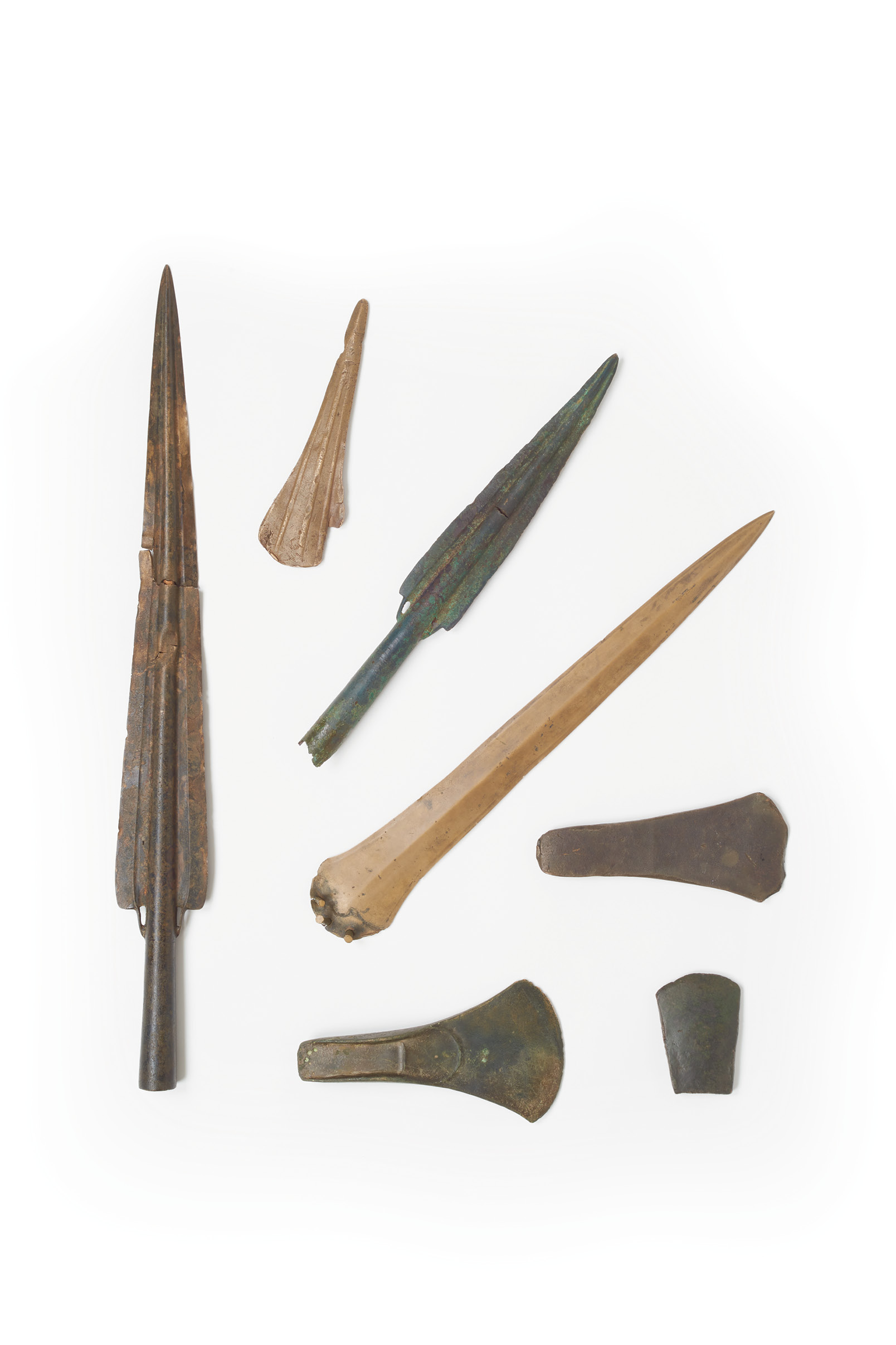
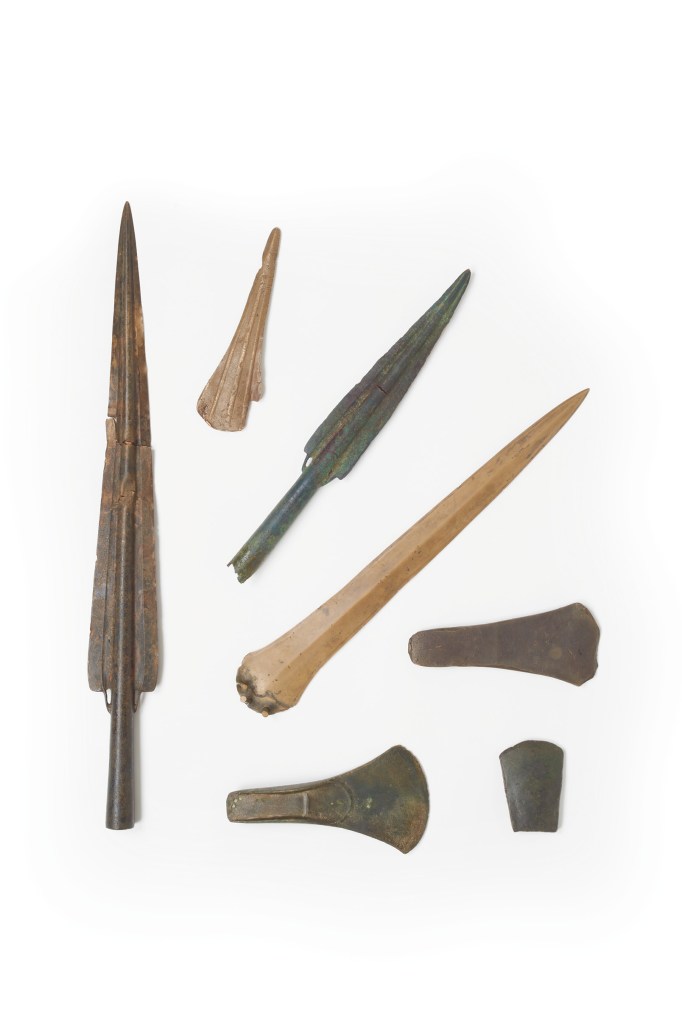
The Trent has produced one of the largest prehistoric metalwork assemblages in Europe, with around 200 bronzes recovered from along its course, mainly during dredging or quarrying works. The Highfields sword (now known to be a Late Bronze Age Ewart Park type, dating to c.975-800 BC) is currently on display in the University of Nottingham Museum, which overlooks the lake whose creation sparked its discovery. It forms part of an exhibition showcasing over a quarter of the Trent’s Bronze Age metal finds, drawing on the collections of the University of Nottingham Museum and external loans. Dr Clare Pickersgill, Keeper of the Museum, said: ‘This has been a wonderful opportunity to bring together 55 objects and display them together for the first time. We are extremely grateful to Nottingham City Museums and Galleries and Derby Museums for allowing us to display their collections and for being so supportive of the exhibition.’
The themes explored in Bronze Age Offerings in the River Trent are inspired by analysis of the Trent assemblage by Mark Pearce (Professor of Mediterranean Prehistory at the University of Nottingham, and the exhibition’s co- curator) and a project formed from a number of undergraduate dissertations that he supervised, including that of Dr Richard Davis, who went on to undertake his PhD on a related theme, and who is the other co-curator.
Signs of status?
The objects on show are dominated by weaponry, something that reflects the unusual make-up of the Trent finds rather than any bias in selection. The full assemblage includes 104 weapons, among them 56 spearheads (many with wood preserved in their sockets), 22 dirks/rapiers (blades measuring up to 30cm and longer than 30cm respectively, which differ from swords as they were designed solely for stabbing, rather than stabbing and slashing), 20 swords, 2 knives, and a dagger. Three shields – small and buckler-like, decorated with concentric rings – have also been found along the Trent; one is near-pristine, with even its handle surviving intact. This latter example is represented only by a photograph in the displays, but its more-fragmentary siblings can be seen in a neighbouring case. The remaining artefacts are classed as tools: 95 axes (with the caveat that some could have served as weapons) and a chisel that was rescued from a bag of sand bought at a Derby branch of B&Q in 2004, and which was subsequently traced back to Shardlow Quarry beside the Trent.

The composition of this collection is strikingly different to metalwork deposits from dryland sites in the East Midlands, Mark notes, which tend to have more tools (61.2%) and fewer weapons (31.3%) as a proportion of their contents, as well as other kinds of artefacts like ornaments. This disparity suggests a degree of deliberate choice about which items were consigned to the river, strengthening suggestions that their deposition was intentional.
Why, then, might Bronze Age people have left such valuable items in the river and its surrounding wetlands? The very act of creating solid objects from gleaming molten liquid must have seemed magical when the art was newly introduced to these shores, and metal would have been one of the few shiny things available to later prehistoric communities. This quality might have set it apart as special, Mark suggests, highlighting the emphasis on flashing arms and armour in the narratives of the Trojan War. The predominance of weapons – many of them very large, leading them to be dubbed ‘parade weapons’ – in the Trent assemblage might indicate a commemorative role associated with chieftains and high-ranking members of their retinue. Weapons could be used for hunting, and for combat, but they could also represent and reinforce social ranking, affirming an individual’s position in their community. From such insights, we might glean glimpses not only of Bronze Age beliefs, but of how Bronze Age society was organised.
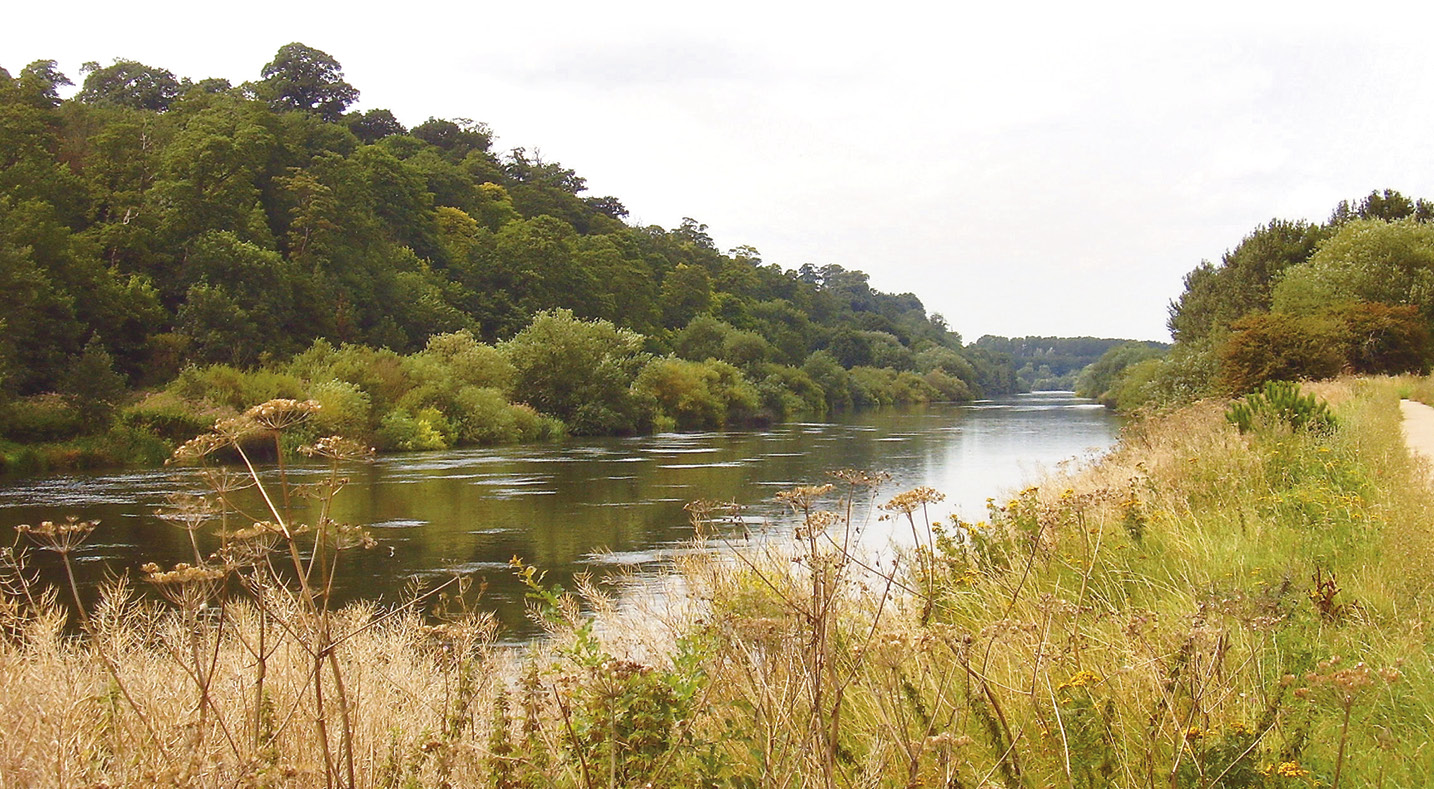
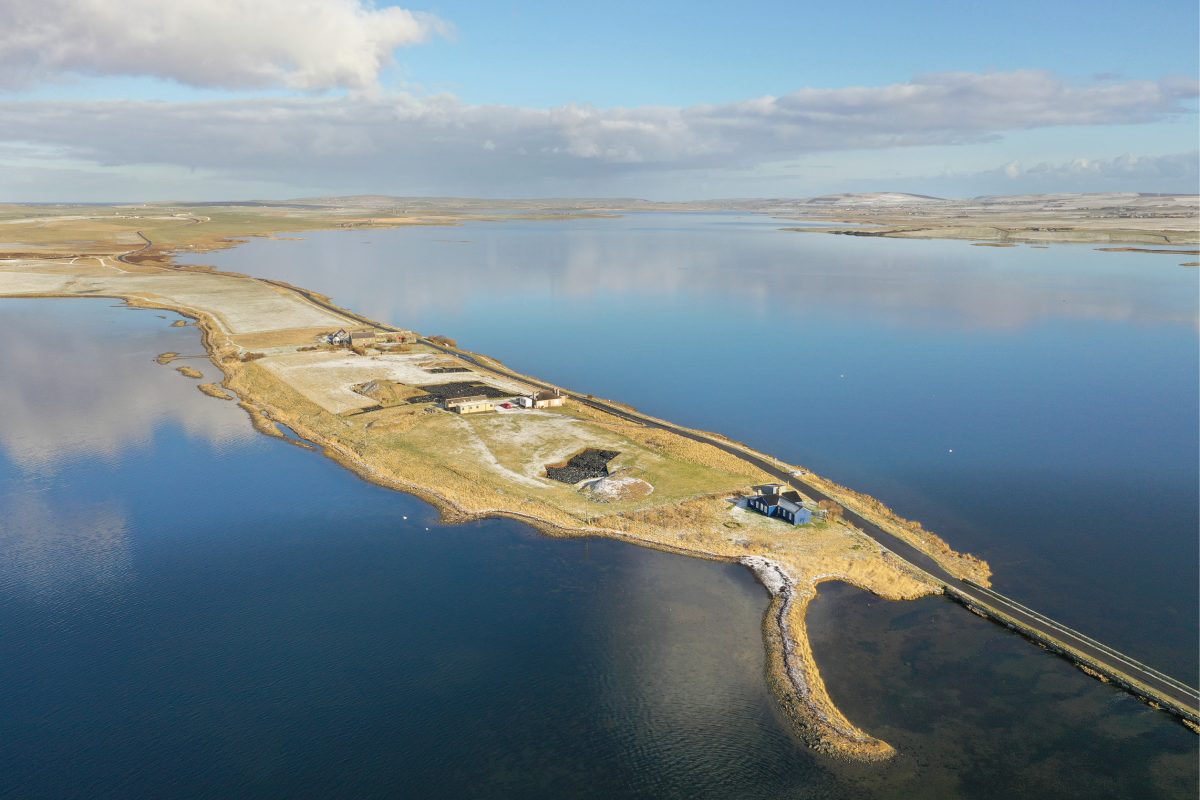
The waters of the Trent, and wetlands beside it, seem to have been a place particularly associated with Bronze Age metalwork deposits. Image: Richard Davis
The Trent finds represent a wonderful timeline of typologies, spanning much of the Bronze Age from early, simple, flat Migdale axes to later, much more complex creations like swords. Unlike objects from other watery contexts, however, which often appear to have been ritually ‘killed’ before deposition, few of the Trent bronzes show signs of ancient damage, perhaps reflecting regional variations in ritual practice.
Mark Pearce and Richard Davis are planning to publish a full catalogue and discussion of Bronze Age metalwork from the Trent next year; watch this space for a more detailed exploration of their research in a future issue of CA.
Further information:
• Bronze Age Offerings in the River Trent is at University of Nottingham Museum until 5 January. Entry is free. For more details, see http://www.lakesidearts.org.uk/exhibition/bronze-age-offerings-in-the-river-trent.
• Walter Torbrügge (1972) ‘Vor- und frühgeschichtliche Flussfunde’, Bericht der Römisch-Germanischen Kommission 51-52 (1971-1972): 1-146.
• Richard Bradley (1990) The Passage of Arms: an archaeological analysis of prehistoric hoards and votive deposits (Cambridge University Press, ISBN 978-1900188586).