
Subscribe now for full access and no adverts
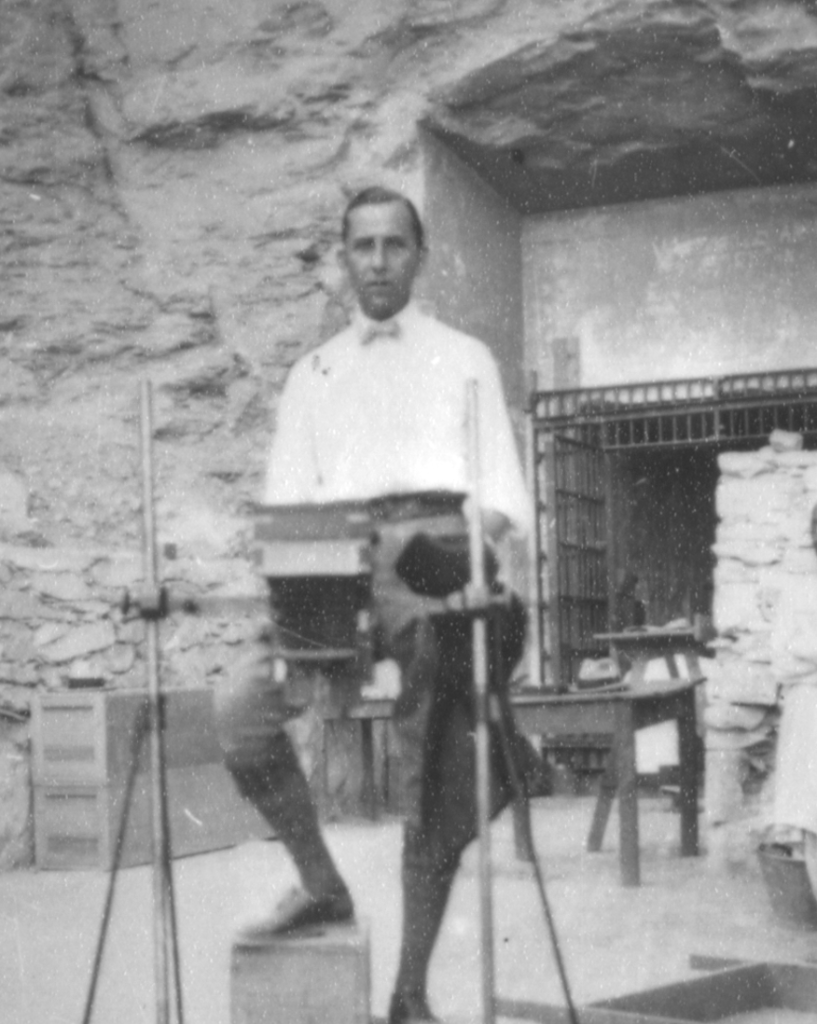
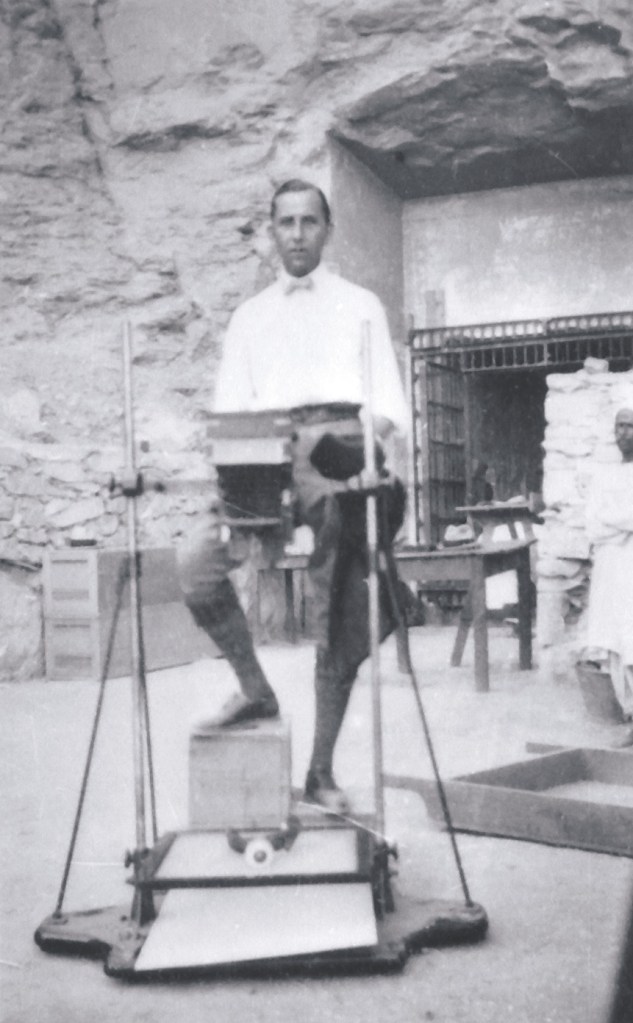
Harry H Burton is famous for his wonderful images of Tutankhamun’s treasures. Published in The Times, his photographs allowed the world to follow the most important archaeological discovery in history. Burton knew how to imbue his photographs with artistry and craftsmanship; he knew how capture the soul of the objects he photographed. And yet his story is seldom told, and his importance frequently overlooked.
In the heart of the Renaissance
The mastery that made Harry Burton the best archaeological photographer of all time began to take shape well before the discovery of KV62. He was born in Stamford, Lincolnshire, in 1879, the son of a cabinetmaker and a domestic servant. Not much is known about the early years of young Harry’s life, nor why, at the age of 14, he was taken in by Robert Henry Hobart Cust, a prominent member of a high-class family. Burton received a good education under the patronage of Cust, and in 1896, when he was 17, he went with Cust to Tuscany in Italy. They were there to find information for a book about the life of a painter from the Renaissance, Giovanni Antonio Bazzi. They established their residence in Florence, and during the years in which Cust was researching, both travelled throughout the region in search of works of art to photograph, collect, and catalogue. Cust’s book was published in 1906, and in it he refers to Burton as his ‘patient painstaking secretary and companion’.

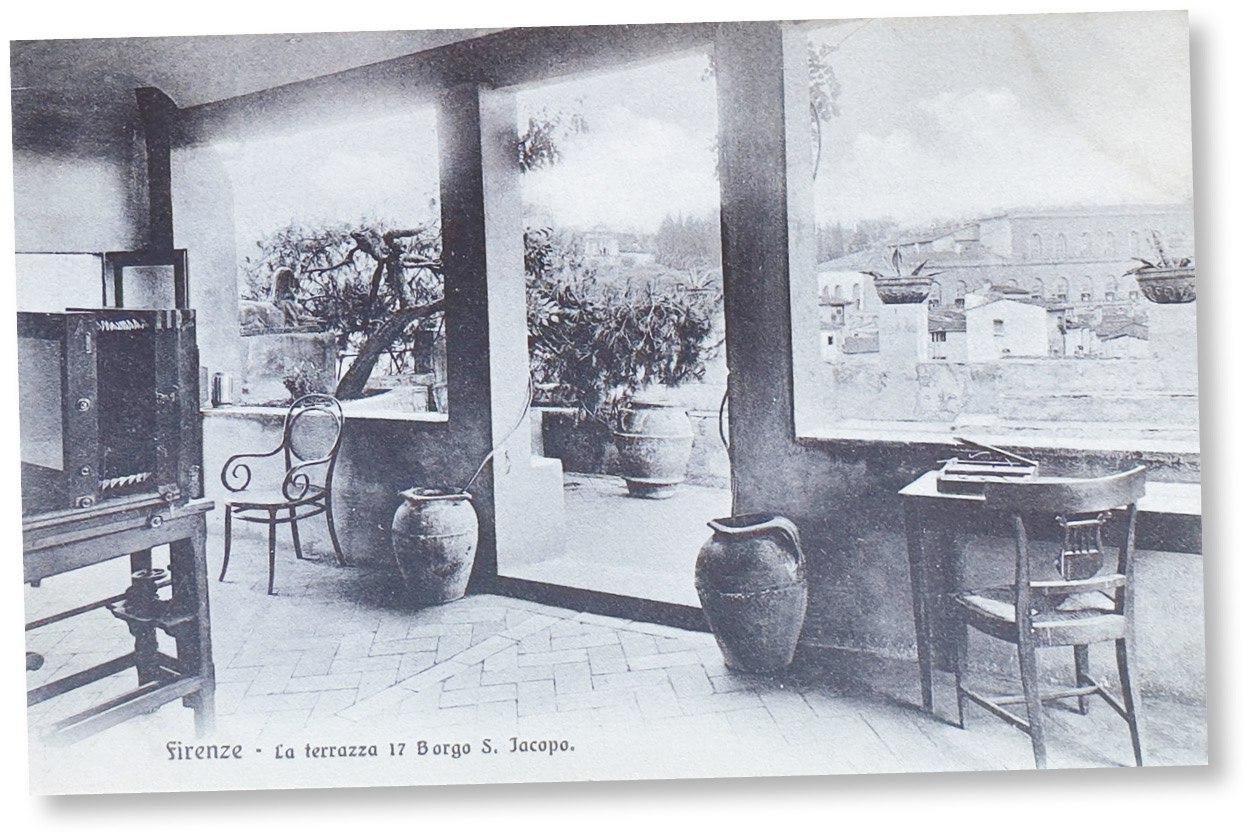
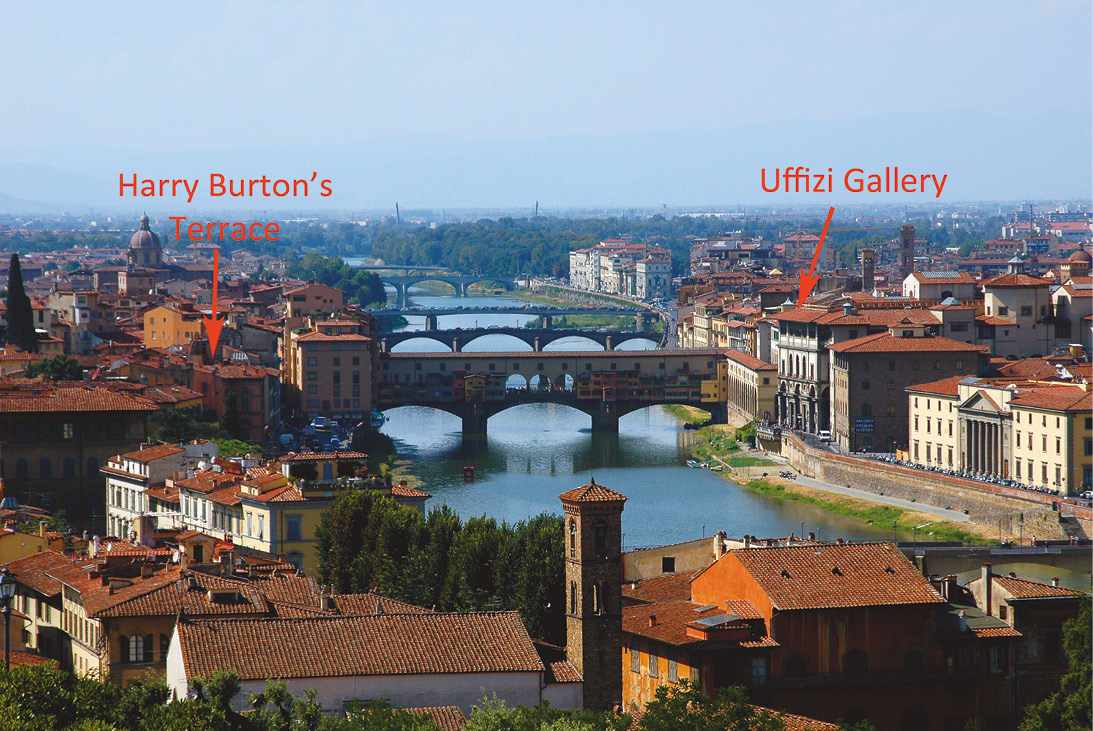
Although only two of Burton’s photographs were included in the Bazzi book, this was the seed of his future career. By the time the book was published, he had already established himself in Florence as a professional photographer. His studio was in Borgo S Jacopo, a few metres from his residence, on the other side of the Ponte Vecchio. When Cust decided to return to England and marry, Burton preferred to continue his career in Florence, and this caused a bitter rift between the two men, ending their friendship.
Tuscany was then the favourite destination of British travellers in search of romantic ancient streets, works of art, and a warm climate. The influx of tourists led to a flourishing trade for the photographic studios, and Burton’s services were in demand. The young Harry became ‘Henry H Burton’, recognised photographer and scholar of fine arts, with a network of influential friends.
Florence was a vibrant and culturally diverse city where the grandeur of the Renaissance was evident. Burton’s residence was in a small palace on Via dei Bardi, on the banks of the Arno opposite the Uffizi Gallery. He could cross the river by the Ponte Vecchio every morning, passing by jewellers and goldsmiths, to lose himself among the works on display in the gallery. His studies of the Old Masters helped him to become proficient in their use of light to represent volume, and the use of perspective and depth in composition to guide the viewer.

A passage to Egypt
Theodore Davis became one of the most prominent patrons and amateur archaeologists of his time. He held the Antiquities Service’s concession to excavate in the Valley of the Kings. A lawyer by profession, Davis spent his winters in Egypt aboard his dahabiya, and it was during this period that his interest in Egyptology was first piqued. On his annual journey from New York to Egypt, Davis visited cities such as Milan, Naples, and Florence, where he acquired art, and socialised with the European elite. Burton met Davis during a reception at a Florentine villa in 1903. Davis’s lover Emma B Andrews shared Burton’s interest in photography, and she was captivated by his work. Harry’s friendship with the couple flourished, as did his reputation and status as an artist. In 1909, Davis proposed that Burton should accompany him to Egypt as a photographer, to document the newly discovered Tomb of Horemheb and the Theban landscape.
At 29 years of age, Harry began a new chapter of his life in Luxor. His proficiency with large-format cameras, and his competence in developing glass plates are already evident in his early work for Davis. Though he had mastered the art of artificial light during his time in Florence, he had to adapt to the Egyptian environment, and devised new techniques, such as the use of mirrors to illuminate tombs. In this way, he ‘painted with light’, using long exposures to capture the reliefs. He first worked with Harold Jones, who led Davis’s excavations, but following Jones’s death in 1911 Burton stepped into his role, and found himself directing his first archaeological dig in Luxor.

In the Valley of the Kings
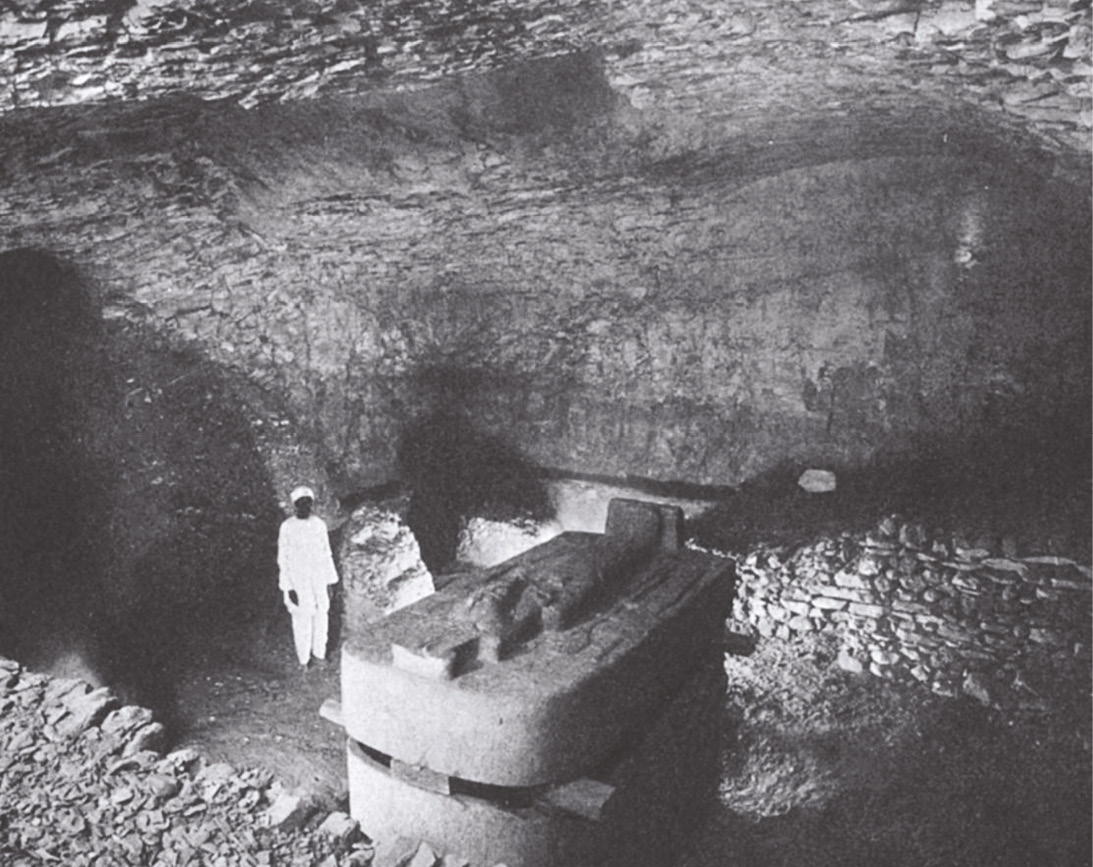
While continuing his work as a photographer, Burton began his career as an archaeologist by directing the excavation of KV3, belonging to a son of Ramesses III. In the following year’s campaign, 1912-1913, he completed clearing the Tomb of Siptah (KV47).
His first great discovery was the intact sarcophagus of the pharaoh in the burial chamber. To document the interior of the tomb, he placed a torch behind the sarcophagus, thus creating a chiaroscuro scene worthy of the Baroque. He knew how to create a small pictorial work, placing his rais in the background to create depth of field, taking an elevated shot with lights and shadows. In his photograph of Siptah’s sarcophagus, we can see that the pharaoh’s face is lit as if it were the portrait of a real person. Burton knew how to breathe life into the king by placing the light in such a way that his features and beauty became apparent.
In 1913, following Gaston Maspero’s advice, Davis directed his attention to the area next to the Temple of Medinet Habu, and Burton brought to light what we now know as the Palace of Ramesses III. A year later, Burton and his men unsuccessfully tried to make their way into the Tomb of Ramesses II (KV7), which was obstructed by debris and mud due to recent flooding. This would be his last mission with Davis, who abandoned Egyptian archaeology due to health problems, and died the following year.
Joining the Metropolitan
After Davis’s departure, Harry needed a new sponsor to continue his work in Egypt. The American recommended him to Albert Lythgoe, director of the Egyptian Expedition of the Metropolitan Museum of New York, which had been excavating in Egypt since 1906. Burton’s experience as an excavator made him an ideal addition to the Metropolitan’s team. Newly married and with a new job, he achieved personal and professional stability. Unfortunately, work in Egypt was disrupted by World War I. Excavations in Luxor briefly resumed in 1915, and Burton began a titanic task: documenting the entire Theban necropolis.
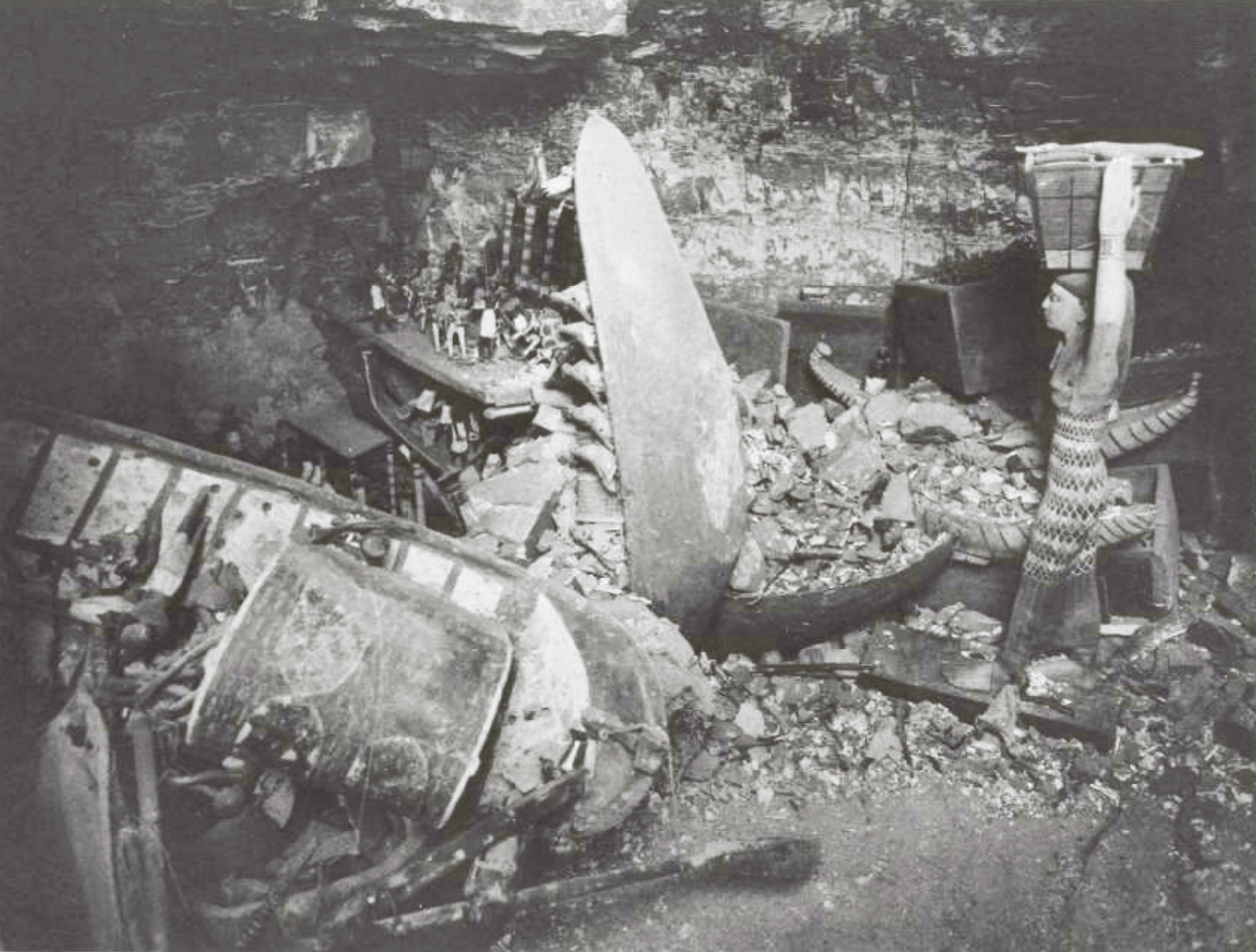
The Metropolitan expedition resumed archaeological work in 1919-1920, when Herbert E Winlock excavated on the southern slope of Deir el-Bahri, with Burton as supervisor and photographer. After excavating unsuccessfully for three weeks in an already explored tomb, Burton discovered a crack between the floor and the corridor wall. When the torchlight illuminated what was hidden on the other side of that crack, a whole miniature world was revealed. They had discovered Meketra’s tomb and its wonderful collection of Middle Kingdom models. Burton photographed the discovery and clearance step-by-step, using mirrors.
During the 1922-1923 campaign, Harry carried on documenting Theban tombs, even while work at Deir el-Bahri continued. Meanwhile, on the other side of the wadi the discovery that would shake the world was about to take place.

From Florentine chiaroscuro to the golden shrines of Tutankhamun
On 4 November 1922, Howard Carter wrote in his diary: ‘First steps of tomb found’. When he finally saw the ‘wonderful things’ that awaited him on the other side of the door of Tutankhamun’s tomb, he was aware of the scale of the task that faced him. He was going to require the best men available on his team, and thankfully the Metropolitan Museum was able to lend him the services of Harry Burton. Lord Carnarvon sold the exclusive story to The Times newspaper, and this made it necessary for Burton to provide not only archaeological photographs, but also illustrative ones for the general public.
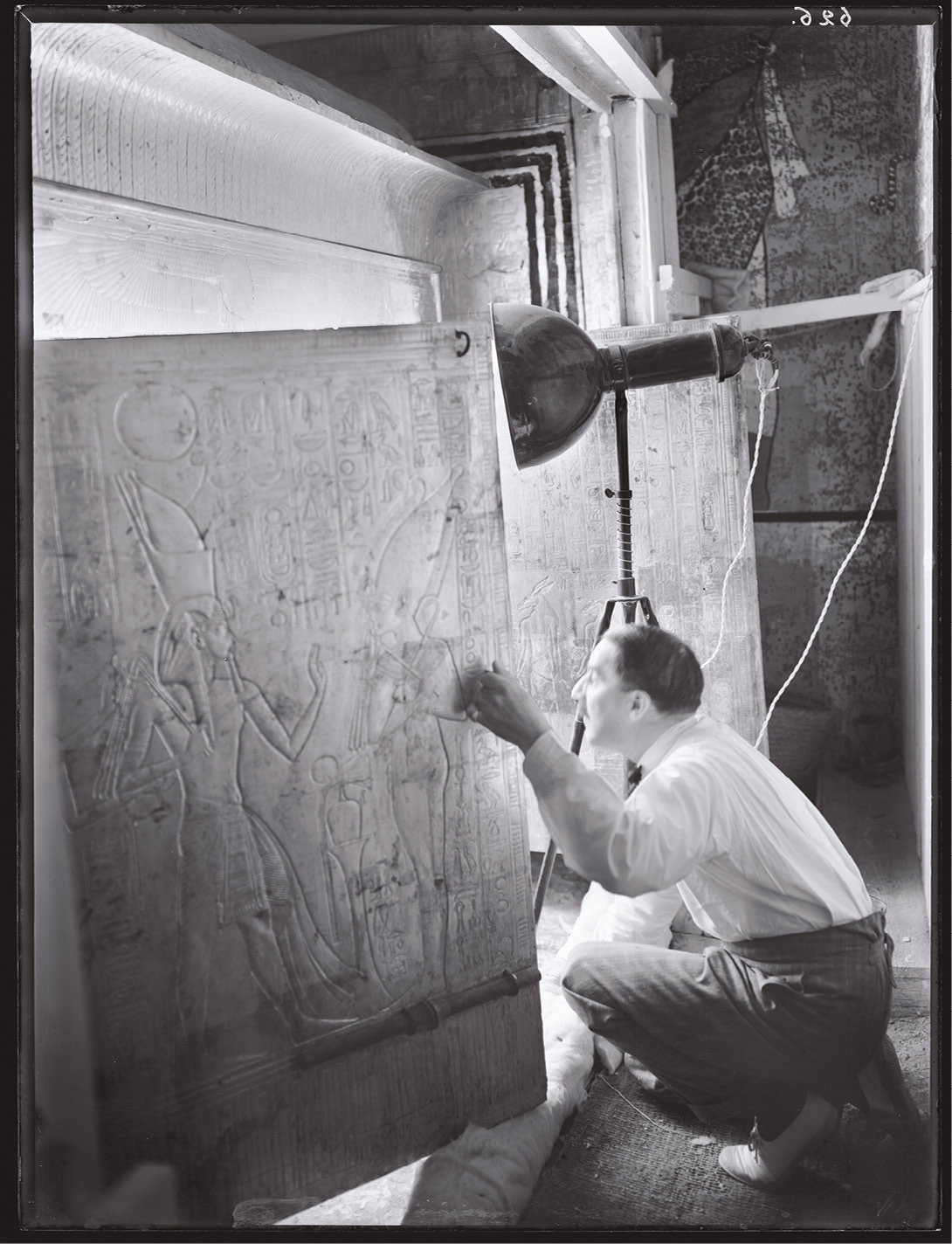
The photographs that Burton took of the excavation team display a knowledge of pictorial narrative and an unparalleled mastery of visual storytelling. The images were carefully thought out and orchestrated. We must bear in mind the sheer size of his camera – an imposing, static machine that demanded careful preparation. Each exposure was a deliberate act, sculpted with patience and precision. This is especially noticeable in the photographs of the interior of the tomb, where, despite the presence of electric spotlights, the exposures had to be long, and those being photographed had to pose without even blinking or breathing for a few seconds, so that the exposure would be as sharp and focused as the perfectionist Burton desired.
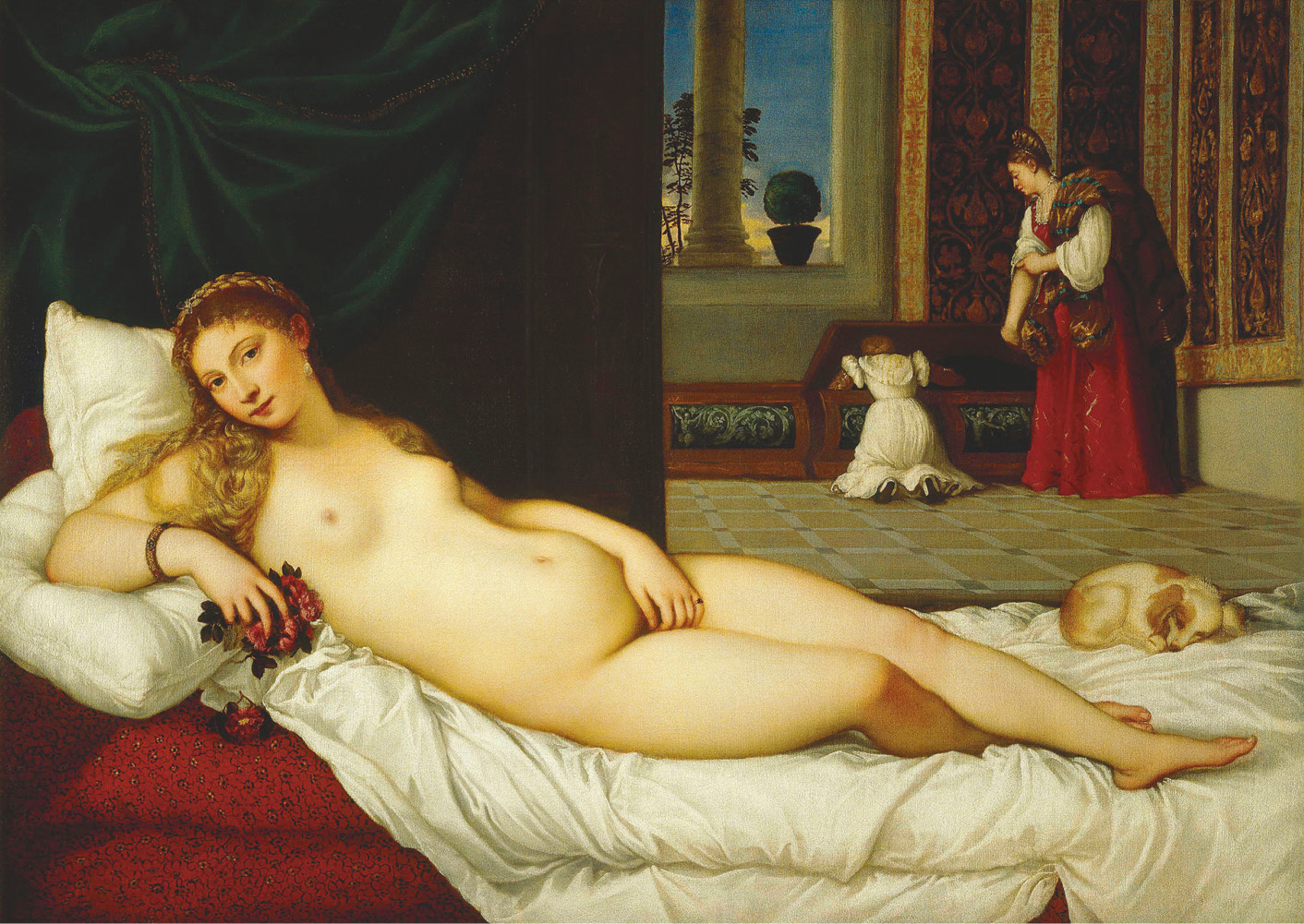
In the photograph where Arthur Mace and Alfred Lucas are in the foreground, restoring one of Tutankhamun’s chariots, we can see the Renaissance depth of field, with another team member is taking notes in the background at the entrance to Sety II’s tomb. The Egyptian worker looks to us, creating a little connection with the action in the shot. The composition is exemplary, carrying the viewer’s eye from a foreground on the right to a second plane on the left. The men are in the middle of the action, which makes the viewer feel like a visitor contemplating the works. If we look carefully, we can see that this pictorial composition appears in many Renaissance paintings, such as the Venus of Urbino by Titian, in which there are two planes of action, and the view takes us from one to the other as if they were two panels in which different scenes develop.
And we do not only feel his visual knowledge in the composition. In the handling of light, we can also see echoes of Rembrandt’s Baroque chiaroscuro. The magnificent photo in which Carter looks inside the outer golden shrine has a single spotlight shining into the interior, bouncing off the golden walls and illuminating the archaeologist’s face. The image fires up the spectators’ imagination, so that they not only feel fascination for what can be seen but also for what cannot be seen.
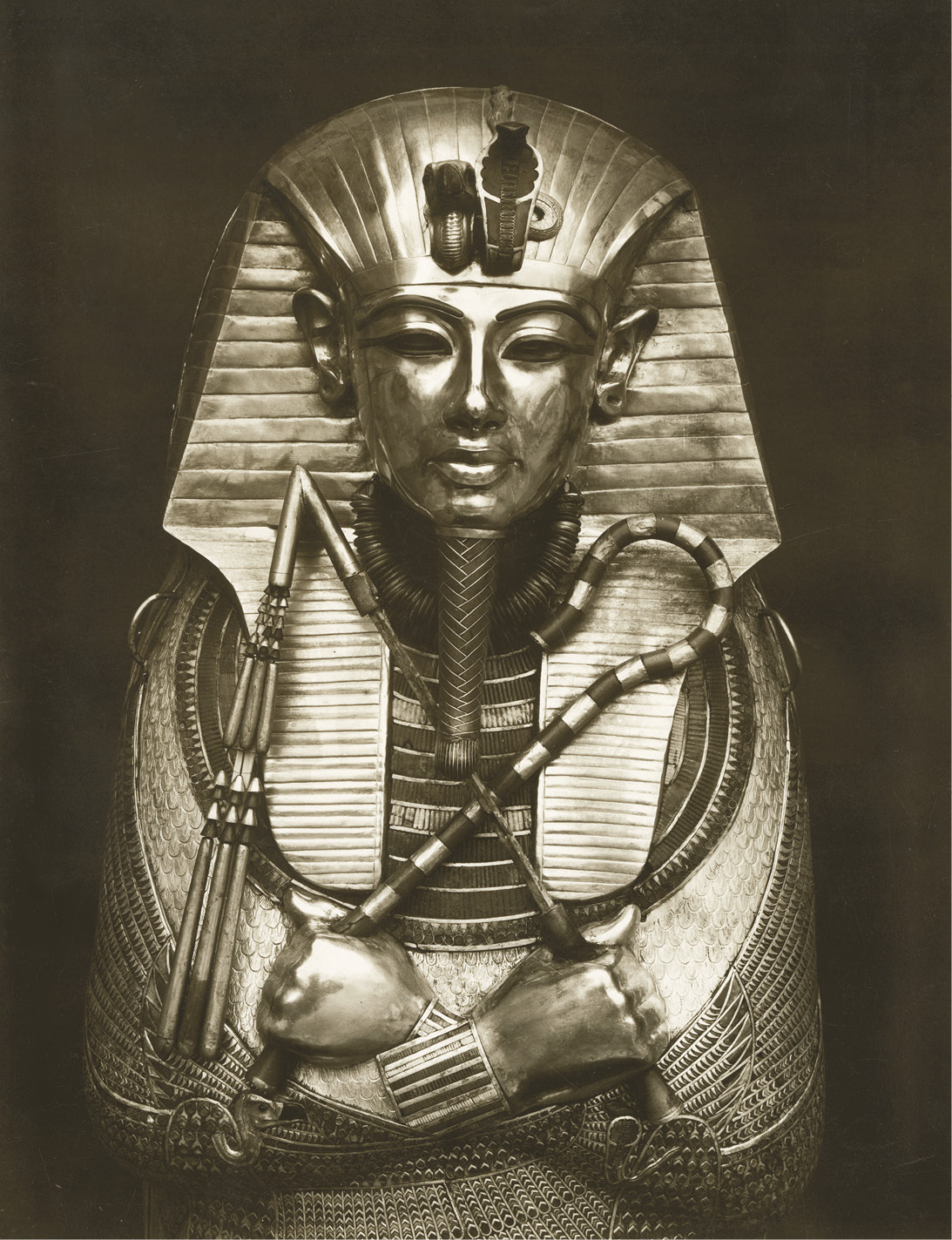
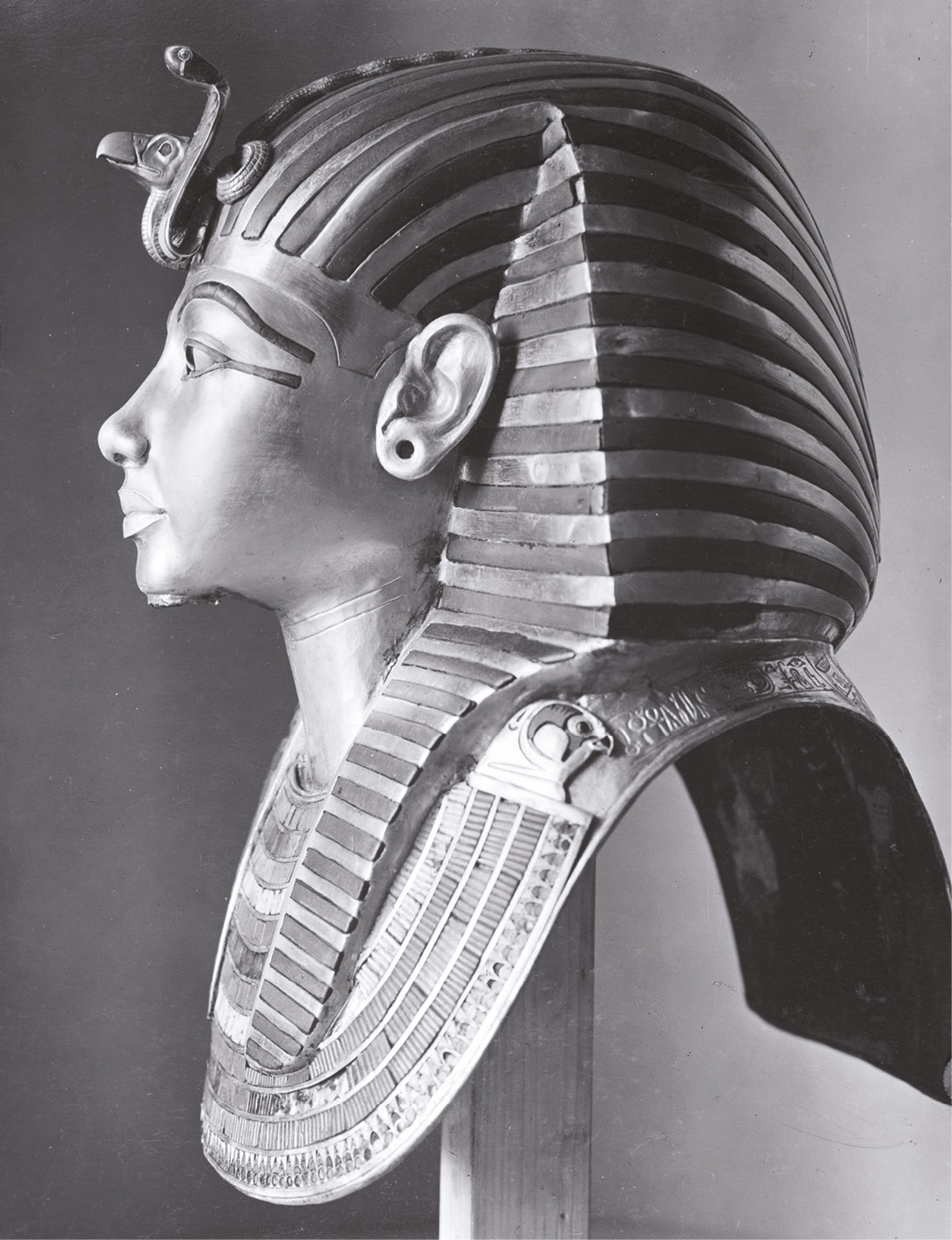
Harry Burton gave his archaeological photographs the same pictorial and artistic qualities. When taking pictures of objects with human faces, his treatment was the same as if he were creating a portrait of a real person in a photographic studio. The care taken to ensure that the features and faces of the statues he photographed were as evocative as possible is undeniable. The convention states that an artefact must be documented from the four angles: front, back, left, and right. But, in the case of Tutankhamun, Burton also included at least one foreshortened photograph for each item, giving the impression that the king was posing for the camera, as well as one in profile. Surely Burton’s knowledge of the Renaissance can be seen again in his imitation of the profiles of the Italian nobility that were so fashionable, and that the photographer had undoubtedly contemplated on many occasions.
Over the ten years of work on Tutankhamun’s tomb, Burton continued to collaborate with the Metropolitan Museum on other excavations. In 1937, his health began to decline, and in 1940 he passed away as discreetly as he had lived, leaving behind a body of work that continues to illuminate the history of ancient Egypt and archaeological photography. Only a few words from his colleagues at the Metropolitan Museum’s Monthly Bulletin, and a handful more from Jean Capart in the Chronique d’Égypte six years later, paid tribute his life and legacy. A sad lack of recognition for a genius who left us a visual narrative that will last for thousands of years.

With thanks to the Griffith Institute. Harry Burton’s photographs are available to view online at http://www.griffith.ox.ac.uk.
Carmen Ruiz holds a bachelor’s degree in Visual and Audiovisual Media from the Complutense University of Madrid, and a master’s degree in the Virtualisation of Cultural Heritage from the University of Alicante. She is head of digital epigraphy, photographer, and heritage visualiser for the Djehuty Project, specialising in the use of photography and new technologies for ancient Egyptian documentation and preservation.
Further reading:
• M Hill (1991) ‘The life and work of Harry Burton’, in E Hornung, The Tomb of Pharaoh Seti I (Zürich: Artemis Verlag), pp.27-30.
• S Allen (2006) Tutankhamun’s Tomb: the thrill of discovery –photographs by Harry Burton (New York: Yale University Press).
• C Riggs (2019) Photographing Tutankhamun: archaeology, ancient Egypt, and the archive (London: Bloomsbury).