Subscribe now for full access and no adverts
If the ancient Egyptians had cookbooks, none have survived, but we know much about their food and drink. In addition to written sources such as accounts and ration lists on papyri and ostraca, there are reliefs and painted representations on the walls of the tombs. These allow us to know not only about the preparation of food and drinks, the preparation of banquets arranged on special occasions, and funerary menus, but also the ways of food production, agriculture and working in the fields, livestock breeding, hunting, and fishing. Most of the direct evidence comes from tombs, where some foods were found perfectly preserved because of the dry climate.

Food and cooking methods
- Cereals and vegetables
Cereals played an important role in ancient Egyptian cuisine, and emmer, wheat, and barley were cultivated. Vegetables were numerous and included: peas, lentils, and various types of beans; garlic, leeks, and onions; cucumbers, pumpkins, and melons; cabbage and horseradish; and coriander and cumin. Even the rhizome of the papyrus, rich in oils and sugars, was good to eat, raw or cooked, and other types of vegetables were available, such as mallow, taro, courgettes, grass pea, and mint. The consumption of lettuce, which grew luxuriantly in the vegetable gardens and reached considerable dimensions, was also widespread. Purslane was cultivated, as well as celery and wild parsley, while the round, sweetish roots of the ‘lotus’ (water lily) were consumed boiled or roasted.
The ancient Egyptians usually ate onions and other vegetables raw, but occasionally cooked them with pieces of meat and fat. Lotus roots were cooked but could be eaten raw as well, although that would have left them more difficult to chew. The roots of the ‘Egyptian blue’ lotus were directly roasted over a fire for ten minutes until they were yellow, sweet, and ready to eat.
Various types of beans were cooked in different ways, one of which was to prepare a dish still present in today’s Egyptian cuisine: the besara. This is a purée of Egyptian broad beans that is prepared by boiling the beans and crushing them until they form a thick and smooth paste. To this is added some spices and herbs like cumin, coriander, parsley, salt, and dry bush okra.

AN ANCIENT RECIPE FOR BROWN LENTIL SOUP
Brown lentils
Red onions
Ghee or sesame paste
Salt, cumin, anise, dried dill
Water or stock
Wash the lentils, then boil over a low heat for 15 minutes.
Add the anise and cumin.
Chop the onions and fry in fat until golden in colour.
Add the onions and dill to the lentils.
Salt and serve.
- Fruit
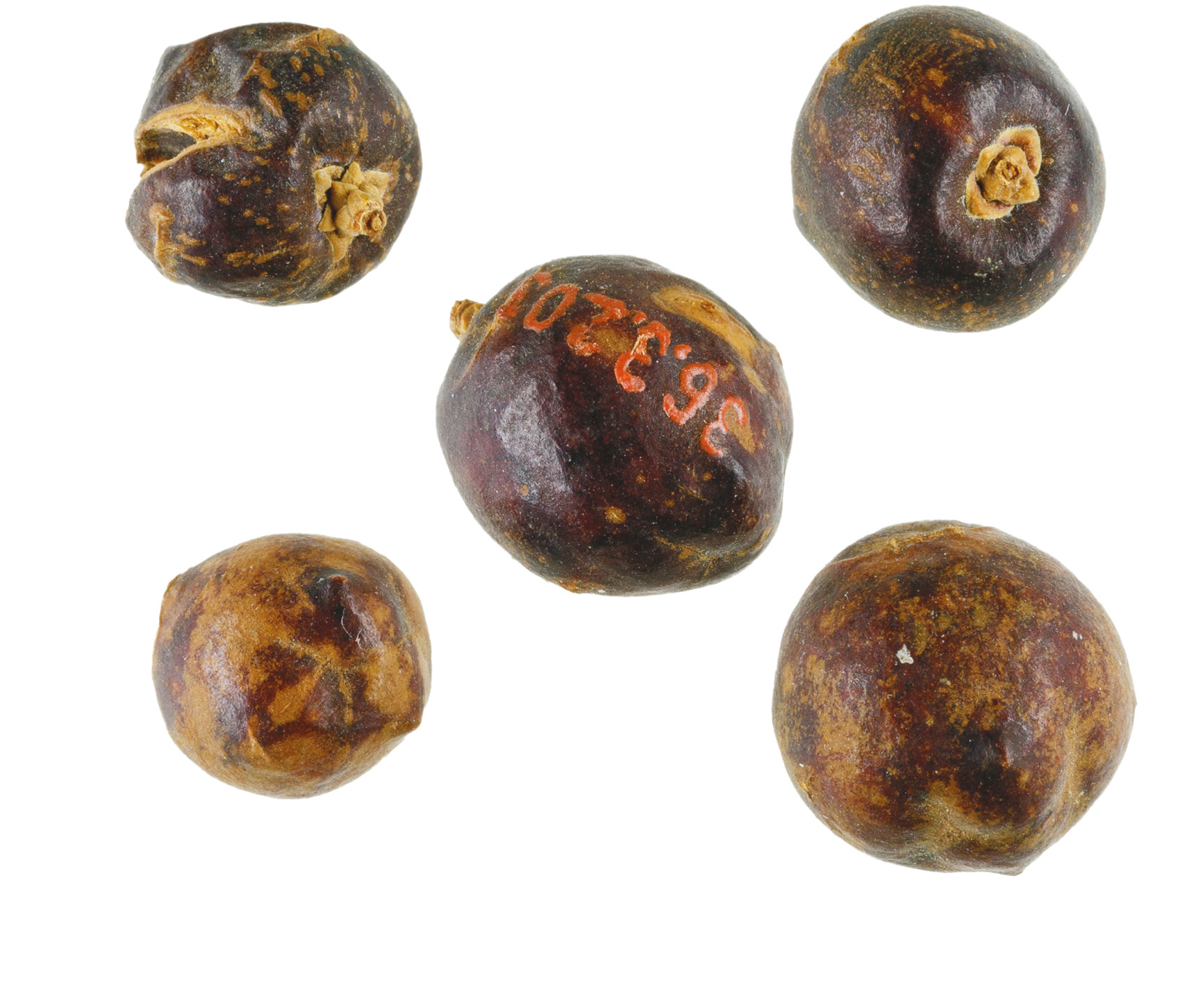
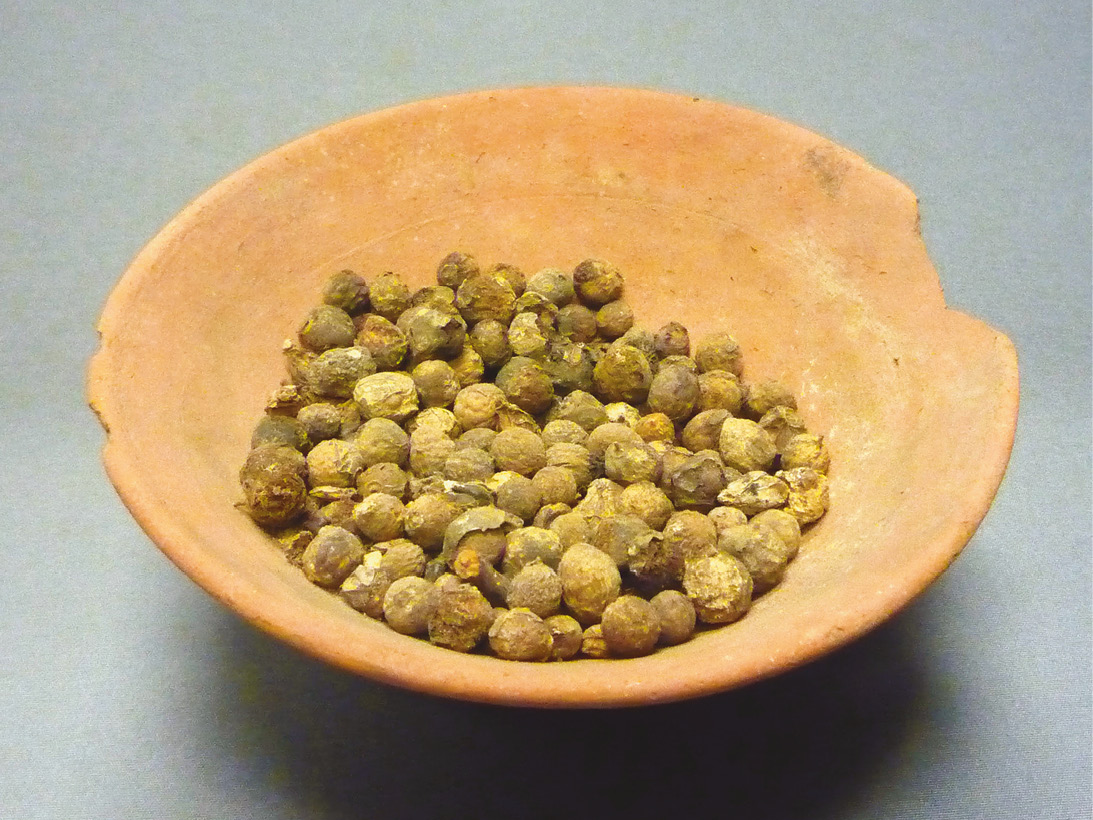
Fruit was a major part of the diet of the ancient Egyptians and was gathered from both cultivated and wild plants. Fruits included: dates and doum-palm dates; common figs and sycamore figs; Persea fruits (yellow in colour and with an apple flavour, which were eaten dried or ground into flour); and red grapes. In the New Kingdom, there were apples and pomegranates, a kind of wild fruit called nebekh and jujube berries. Also eaten were the small drupes of the Balanites, or ‘desert dates’. Carobs, high in sugar, were used to aid digestion and to kill intestinal worms. The fruit of the mandrake was very popular too, with a pear flavour. Its peel contains a high concentration of narcotic and hallucinogenic substances, from which it perhaps derived its erotic symbolic meaning.

- Honey
One minor industry that flourished in ancient Egypt was beekeeping, which took place mainly in the Delta and produced types of honey differentiated by purity and colour. Its sweetening qualities made it an essential component in making pastry; but it was also used for the preparation of medicines and perfumes. Domestic beekeeping soon joined the collection of wild honey to satisfy the great demand for this product.

- Meat and fish
Hunting and fishing had initially been the most important means of obtaining food, but with the subsequent growth of an agrarian culture, hunting lost its original meaning and became a sporting and recreational activity for members of the elite. Pigeons, cranes, geese, ducks, quails, pelicans, and ostriches were cooked by roasting on a spit, or boiled.
The increase in cultivable land made it possible to produce sufficient fodder to breed livestock. Meat for consumption by the wealthier classes consisted of ox (particularly the iua ox, a short, stocky breed with short horns, characterised by its ability to gain weight easily), goat, and mutton, all of which were boiled, roasted, or preserved. Rabbits and pigs were bred for food, too. The blood of slaughtered cattle was used to cook a type of black pudding, and the spleen and liver were eaten as well.
Sheep, goats, and cows were of particular importance, not only for their meat, but also because cheese and butter (called baat) were produced from their milk. The simplest type of cheese to make was cottage cheese, which was produced by churning the milk in a goat’s skin to separate the curds from the whey. The whey was then drained through a mat or basket, leaving a low-fat cheese.
We know that duck and goose eggs, as well as ostrich eggs, were present in the diet, but not to a significant extent.
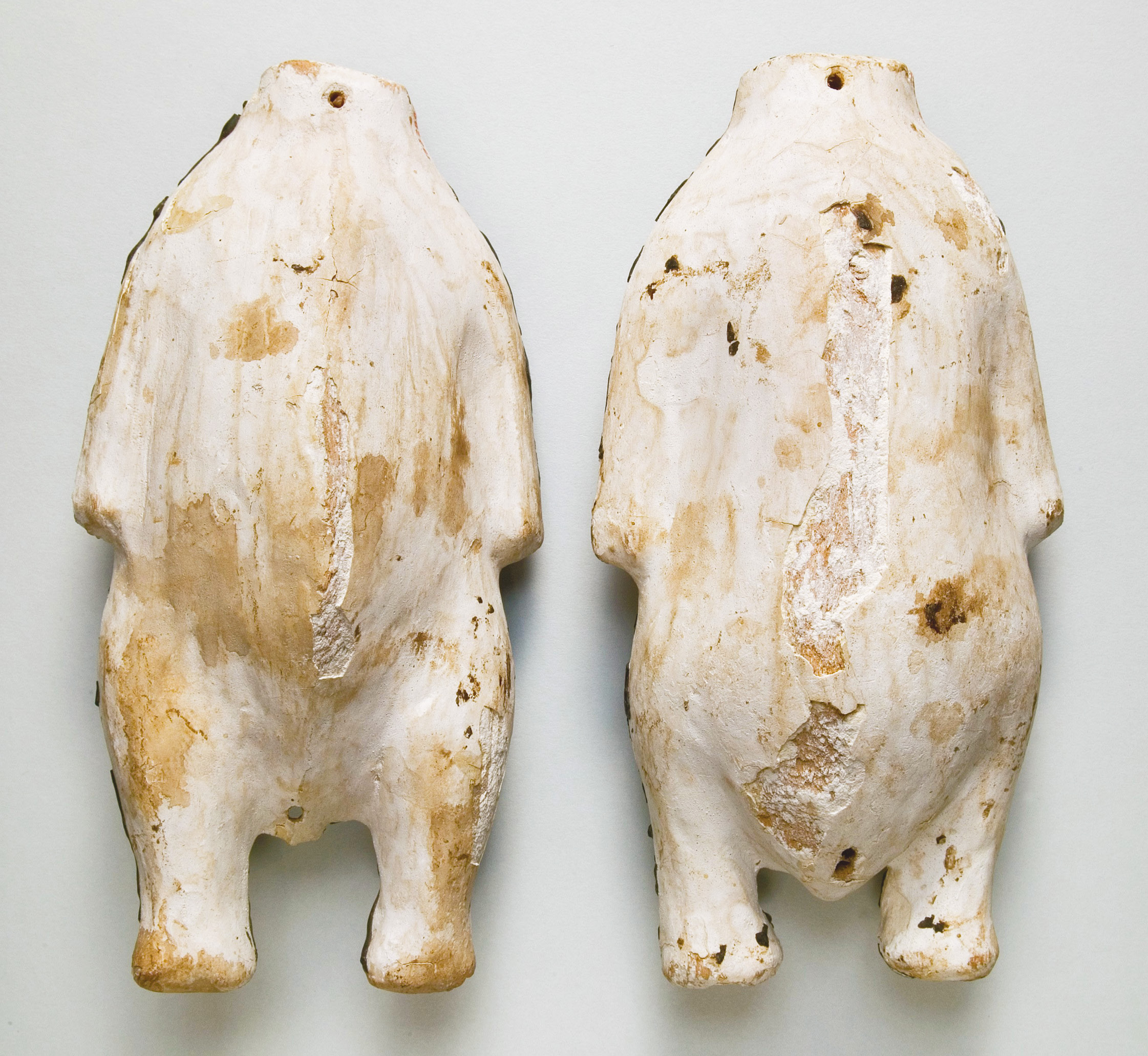
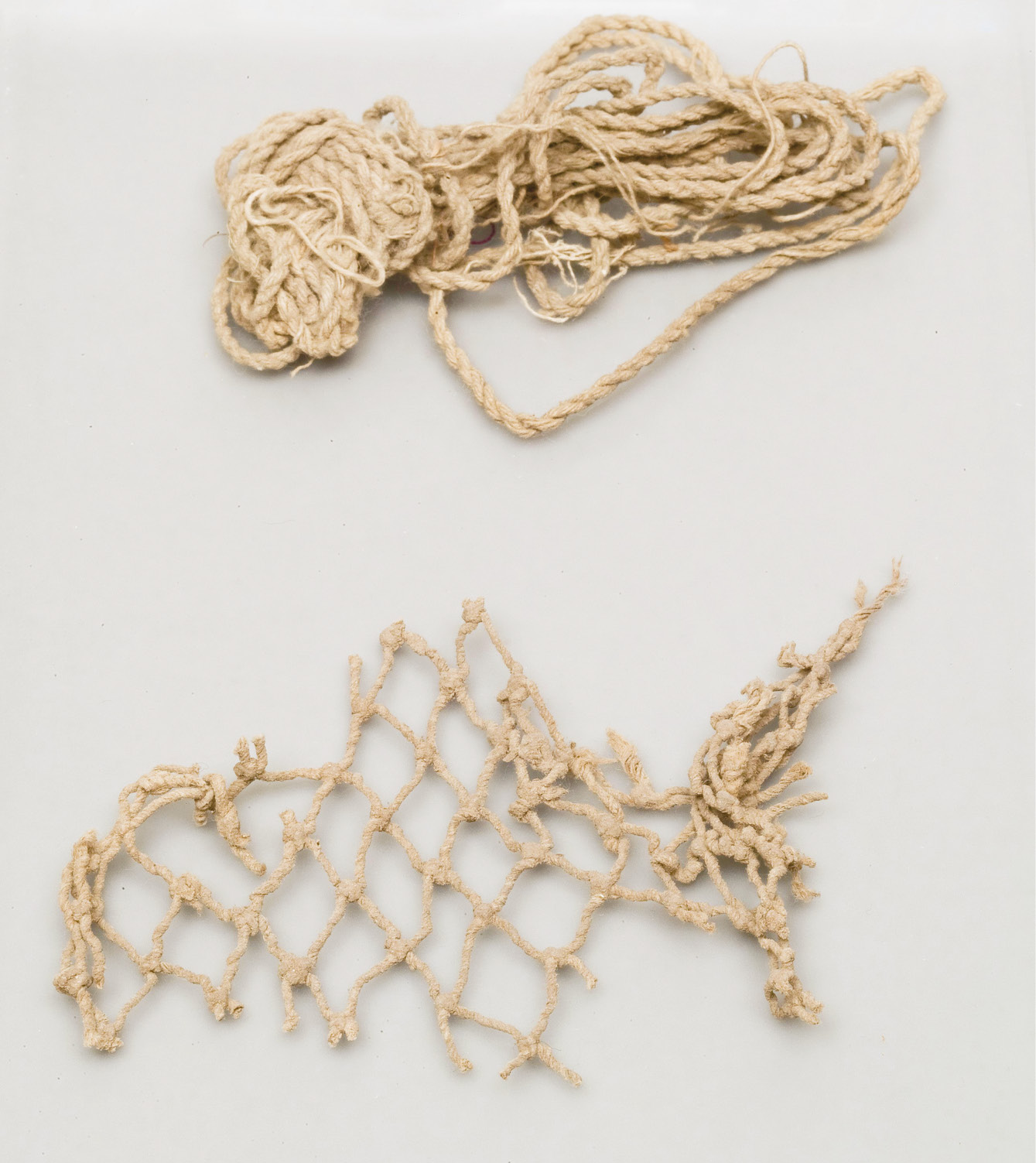
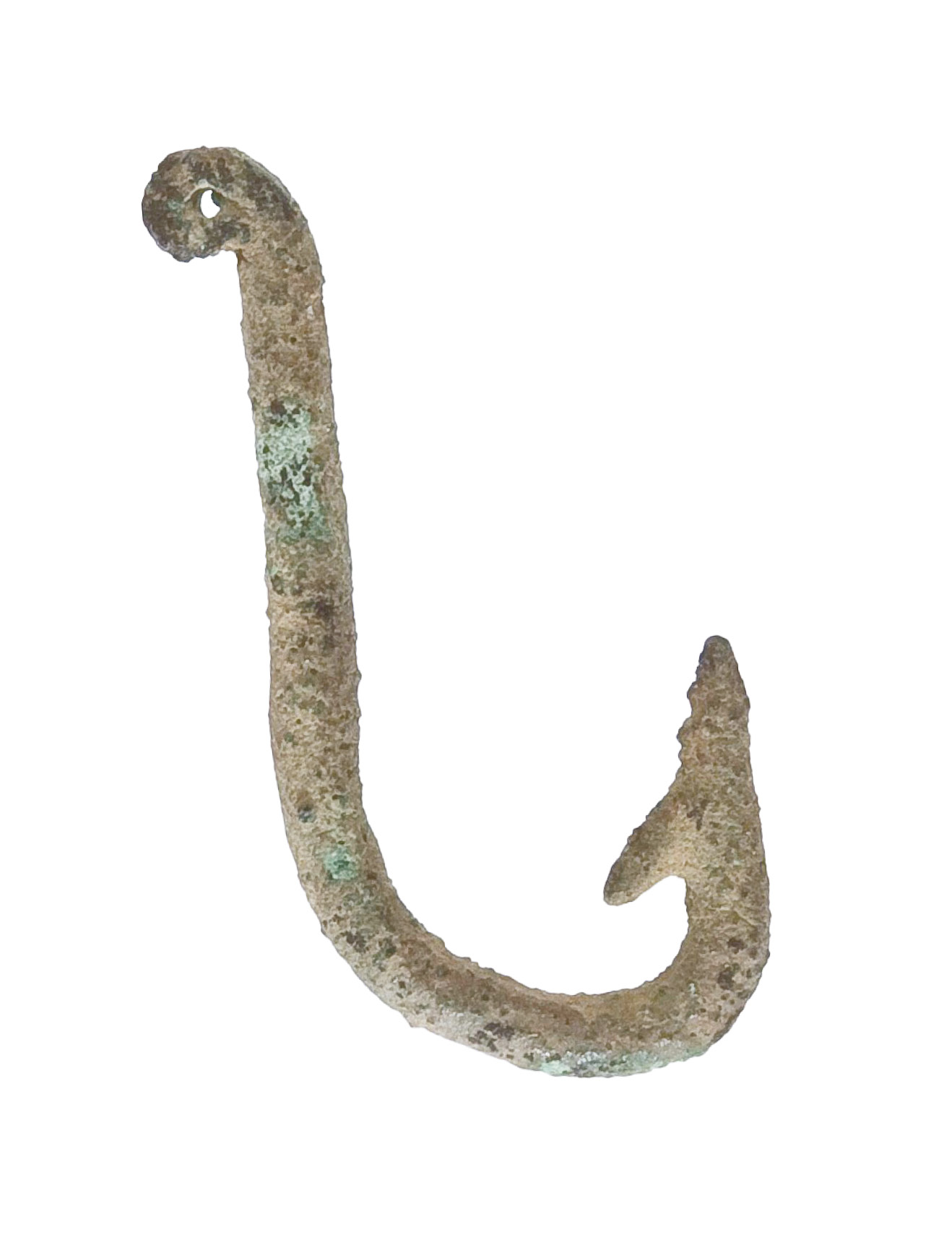
Fresh fish, because it was easily available, was the food of the poor and the middle class, and the basis of the diet of the inhabitants of the Delta and Fayum. But this does not mean that fish was missing from the tables of the wealthiest: on the contrary, fish was prepared in the kitchens of the royal palaces, and nobles fished from the artificial lakes of their villas. Large quantities of fish were caught using pots, harpoons, and lines: mullet, Nile tilapia, eels, carp, catfish, Nile perch, and barbel. A sort of bottarga (salted, cured fish roe pouch) was obtained from the mullet that annually swam up the Nile canals. After having been cleaned, fish was hung in the sun to dry, and then placed in brine inside large container jars. Fish could be cooked in various ways: grilled; boiled in water with the addition of salt and spices; smoked and salted; dipped in oil and honeycomb and then fried; and cooked with crushed wheat.
- Seasoning
The use of herbs and spices such as cumin, anise, juniper, thyme, cinnamon, fennel, fenugreek, poppy seeds, and mustard was frequent; salt – of which at least two types were known, ‘red’ and ‘northern salt’ – was used for culinary purposes and to preserve food.
Pork, goose, and beef fat was used to season fried food, but more usually various types of oil were used, such as bak oil extracted from moringa nuts and from cumin, lettuce, sunflower, sesame, linseed, and castor, while olive oil was used in small quantities.
RECIPE FOR A TIGER-NUT DESSERT
(for 4 servings)
2 cups of tiger nuts, ground and sieved
1 cup of honey
2 tablespoons of butter
Knead the nuts and honey to form a pliable dough.
Add the butter and cook in a saucepan in an oven over a low heat until thickened and cooked completely.
Remove from the oven, leave to cool.
Shape the dough into conical loaves, ready to serve.
The preparation of bread, beer, and wine
Evidence about the quantity, quality, and nutritional value of the food intended for the average population is rather scarce, but many documents attest that bread and beer were the staple diet of the ancient Egyptians, whether they were rich or poor. These were consumed at breakfast, lunch, and dinner, the last of which was the main daily meal. Bread was produced from wheat and barley, while the less wealthy consumed bread made from emmer.
- Bread-making
Cereals such as spelt or barley were toasted or soaked so that the seeds could be extracted more easily, and, after eliminating the chaff, they were passed through a sieve, ready to be used in bread-making. The Egyptians first produced flour by crushing grains in a stone mortar with a heavy stone pestle and then grinding them using a stone on a stone slab. In doing so, they obtained coarse flour, which they passed through a sieve. Dough was then kneaded by hand or, when it was in large quantities, by trampling in large containers. Leavening was obtained from soured dough, or with yeast, obtained in liquid form from the production of beer. Another way of producing yeast was to place some wheat, lentils, or sesame in a bowl of goat’s milk and leave it in a warm place. The following day, this mixture could be used as a leavening agent.
According to Herodotus and the Greek philosopher Theophrastus, in Egypt a kind of bread was prepared from lotus seed flour, which was similar to millet, and which was mixed with milk and water; Pliny states that lotus bread was light and digestible if eaten warm. A type of flour suitable for the production of sweets was obtained from the small round tubers of the tiger nut.
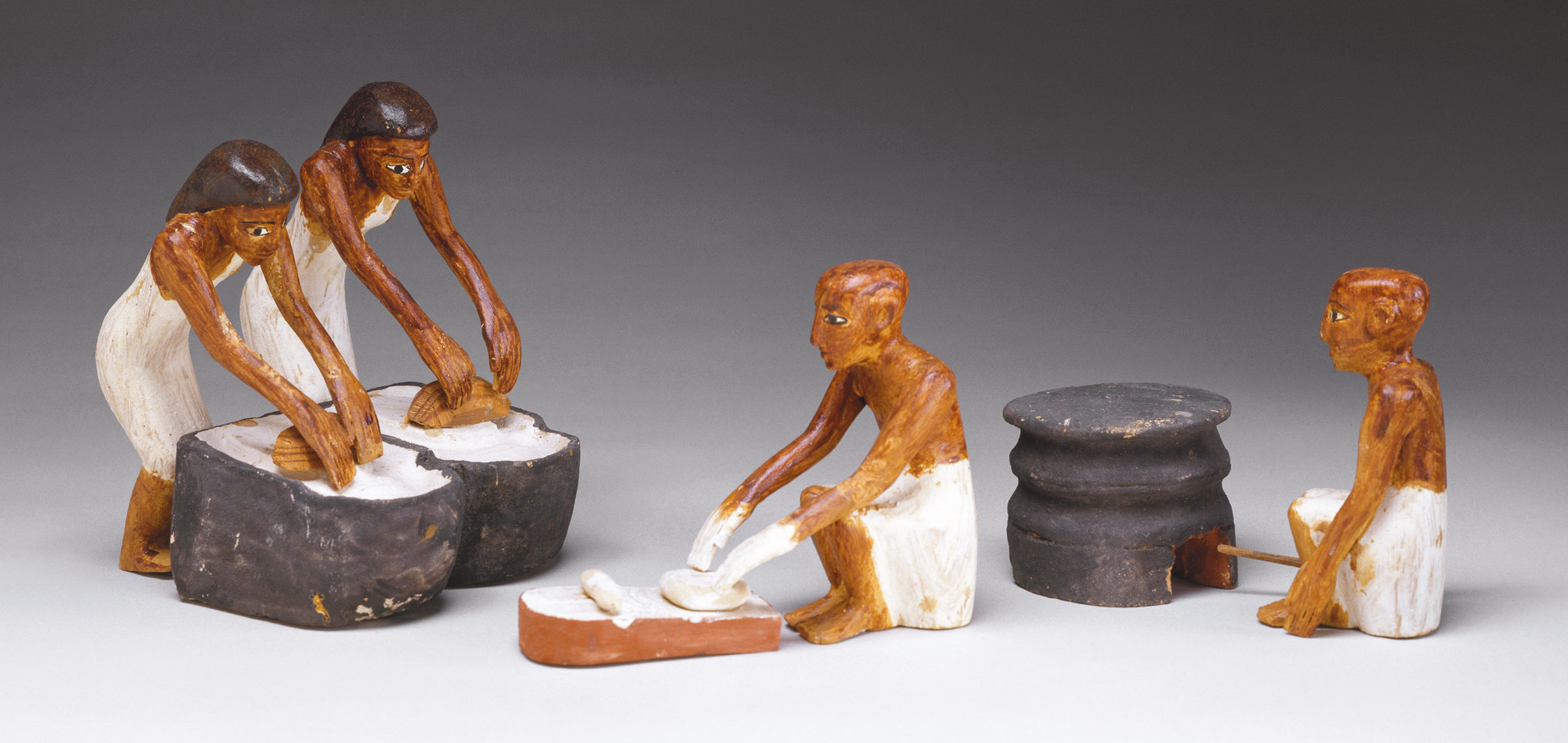
By adding fat and eggs to bread dough, a sort of focaccia was made, sweetened with honey or fruit such as figs, jujubes, or the ginger-flavoured pulp of doum-palm fruit. Date and honey jam could be spread on the surface of the focaccia; the same dough could be rolled into a spiral and fried in fat.
The loaves were subjected to a first baking; some were lightly dusted with flour or with a light layer of fresh dough, and then baked a second time so that a brown crust formed on top. They were crunchy on the outside and soft on the inside.
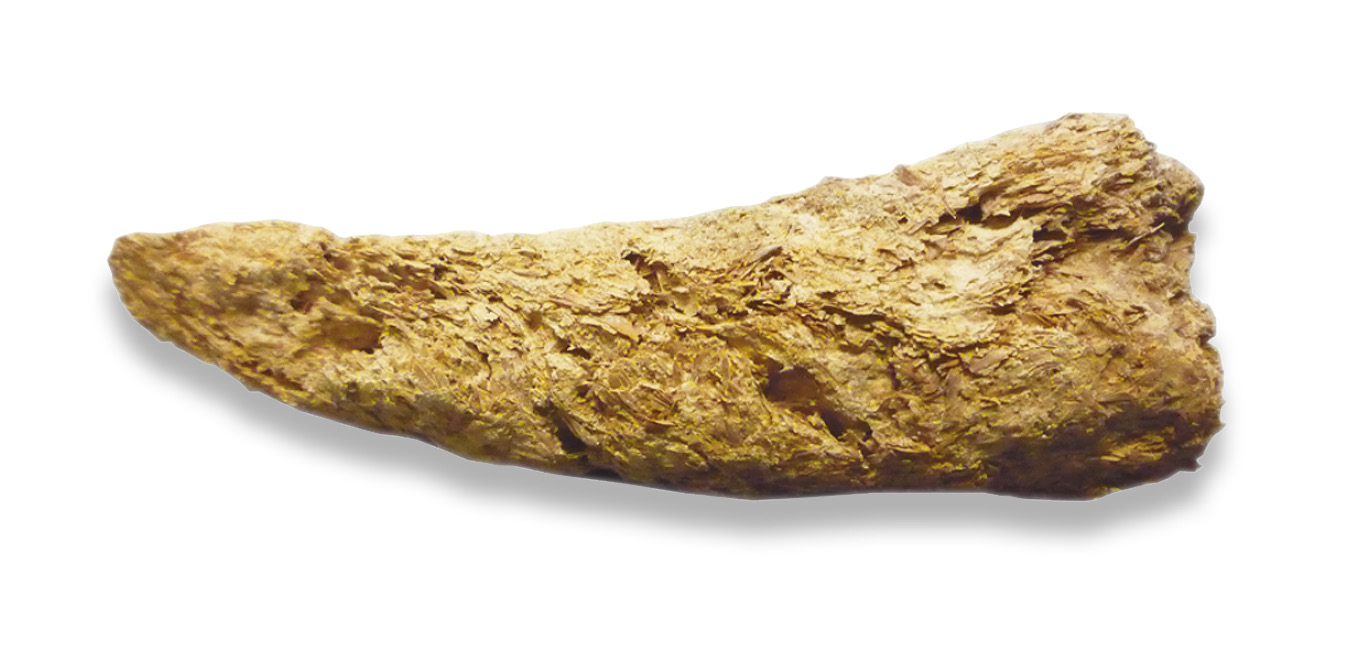
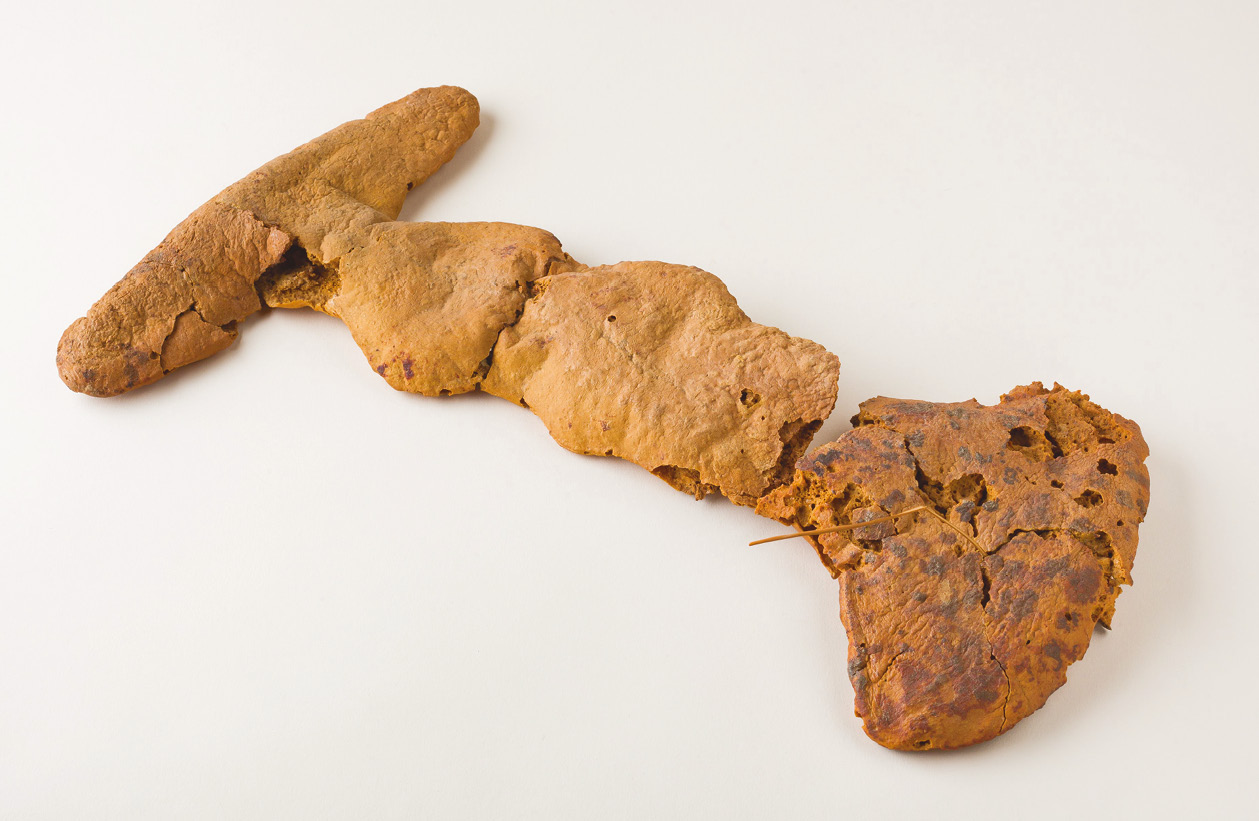
Flavoured substances such as coriander seeds, aromatic herbs, eggs, and butter were also added to bread, which could be sweetened with honey or dried fruit such as dates, carobs, and figs. Loaves were made in different shapes and sizes, and even decorated with simple shapes such as discs and fans, fish, and human figures. Conical loaves of white bread, often sprinkled with caraway seeds, were used as part of temple offerings. Other loaves were ovoid, semicircular, cylindrical, triangular, doughnut-shaped, round, and round with a thin crust or shaped like a thin, hollow disc. Those in the shape of fish or other animals and human figures were intended for magical and liturgical rites, such as bread in the shape of a phallus or of the god Seth.
The use of bread moulds or conical bowls called bedja is documented from the Old Kingdom. They were filled with dough, heated, and stacked one on top of the other over the fire, with the mouth facing towards the heat. After cooking, the loaves were taken out of the moulds. Another method of baking bread was to place a slab of mud on top of two bricks, between which a fire was lit.
RECIPE FOR WHITE LOTUS BREAD
Fresh lotus heads
1 cup of whole milk
1 cup warm water for rising
Pinch of salt
Wash and extract the fruit from the ripe lotus heads.
Leave the fruit to dry in the sun, and then grind it until it becomes flour.
Mix with water, milk, and salt to form a malleable dough, and make round loaves.
Cook immediately in a cone placed directly over the heat until it cooks completely.
- Making beer and wine
Like bread, beer was made from barley, and the preparation of bread and beer generally took place on the same site. Part of the grain was left to germinate producing an enzyme that converted a small part of the starch into maltose and dextrin, while the remainder was boiled in water to disperse the starch naturally contained within it. The two batches when combined produced a sugar-rich liquid, which was sieved. Yeast was added, which fermented the sugar into alcohol.
Beers made with barley, wheat, and dates were produced. The ground grains were worked to obtain a dough similar to that used for bread, but the loaf was left semi-raw. The loaves, cut into small pieces, were placed in large containers with water or a sweet solution, such as date concentrate, and left to ferment. The fermented mixture was filtered through date-palm or doum-palm baskets. The liquid was stored in hermetically sealed terracotta jars, ready to be drunk.
In the Delta and in the oases of the Western Desert, vines were mostly cultivated on ‘pergolas’ – structures supported on forked poles. There were also vineyards where the vines were cultivated as bushes; the grapes grown there appear to have been predominantly of the red type, which were used in wine-making.
After treading, the grapes were collected and placed in a bag, at the ends of which were placed two poles. These were turned to twist the bag and squeeze out the juice, which was collected in a large basin. This juice, rich in astringent and colouring properties thanks to the seeds, stalks, and skins was left to ferment in open terracotta amphorae, inside which a resinous substance had been spread to reduce its porosity. The jars were then sealed with clay pressed on to leather or linen stoppers, and then tied with string. Written directly on the amphora were the regnal year of the pharaoh, the area in which the vineyard was located, the name of the wine, and sometimes even the name of the gardener.
As alternatives to grape wine, there were also a date wine, a very alcoholic fig wine, a pomegranate wine or cider, and a palm wine produced by fermenting a liquid extracted from the trunk of the date palm.

Barbara Gai is a graduate student from the Faculty of Literature and Philosophy at the University of Firenze (Italy), specialising in Egyptology. She is a regular contributor to Ancient Egypt magazine, including articles on ‘The Pomegranate in Ancient Egypt’ in AE 132 and ‘Tutankhamun Before Tutankhamun’ in AE 133.
Further information:
• Recipes reproduced from Magda Mehdawy and Amr Hussein’s The Pharaoh’s Kitchen: Recipes from Ancient Egypt’s Enduring Food Traditions by permission of the American University in Cairo Press. © 2010, 2016 Magda Mehdawy and Amr Hussein. All rights reserved.
• H Wilson (2001) Egyptian Food and Drink (Shire Publications).
• M Berriedale-Johnson (1999) Food Fit for Pharaohs: An Ancient Egyptian Cookbook (British Museum Press).
All images: courtesy of the Metropolitan Museum of Art, New York