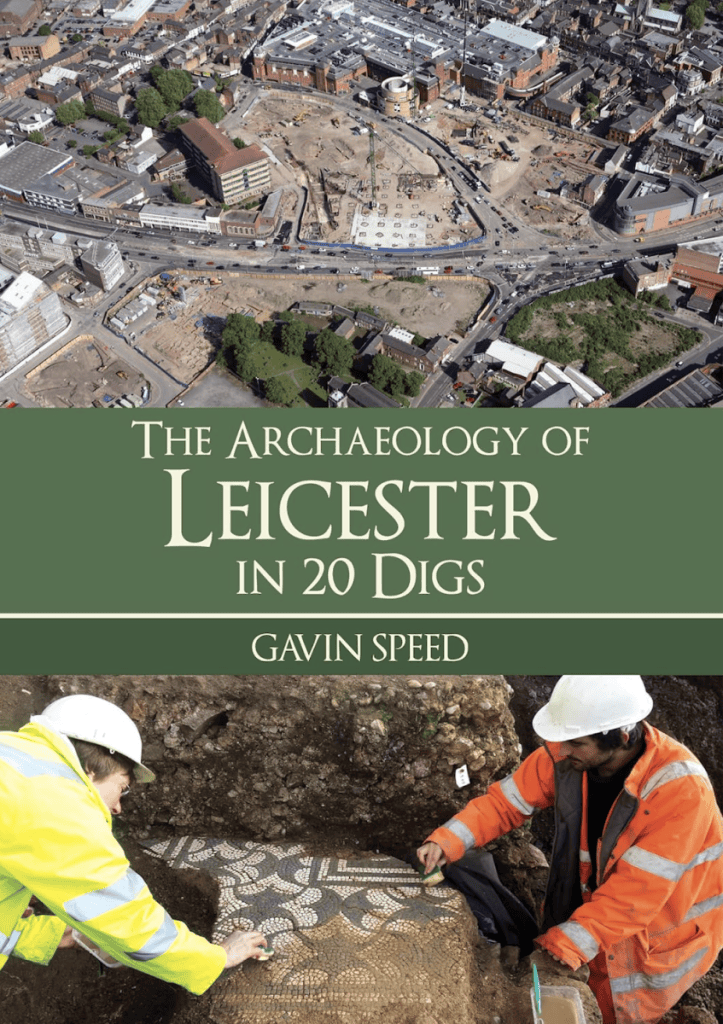
The Archaeology of Leicester in 20 Digs

This is the latest in the ‘…in 20 Digs’ series. Gavin Speed has been involved in Leicester’s archaeology for more than 20 years, and he has produced a well-illustrated account of 20

This is the latest in the ‘…in 20 Digs’ series. Gavin Speed has been involved in Leicester’s archaeology for more than 20 years, and he has produced a well-illustrated account of 20

Mining is rooted in Cornish heritage and woven into the fabric of Cornwall’s historic landscape, and so it seems fitting, as we mark the 20th anniversary year of the Cornwall and West


The Classical historian Herodotus described the Egyptians as the most religious of peoples. And, indeed, many people today find themselves wondering about the cross-overs between religious concepts in pharaonic, Christian, and Islamic

Although there is a rich source of archaeological evidence for towns and cities in ancient Egypt, research into urbanism has, according to Nadine Moeller, often avoided mention of it, because many of
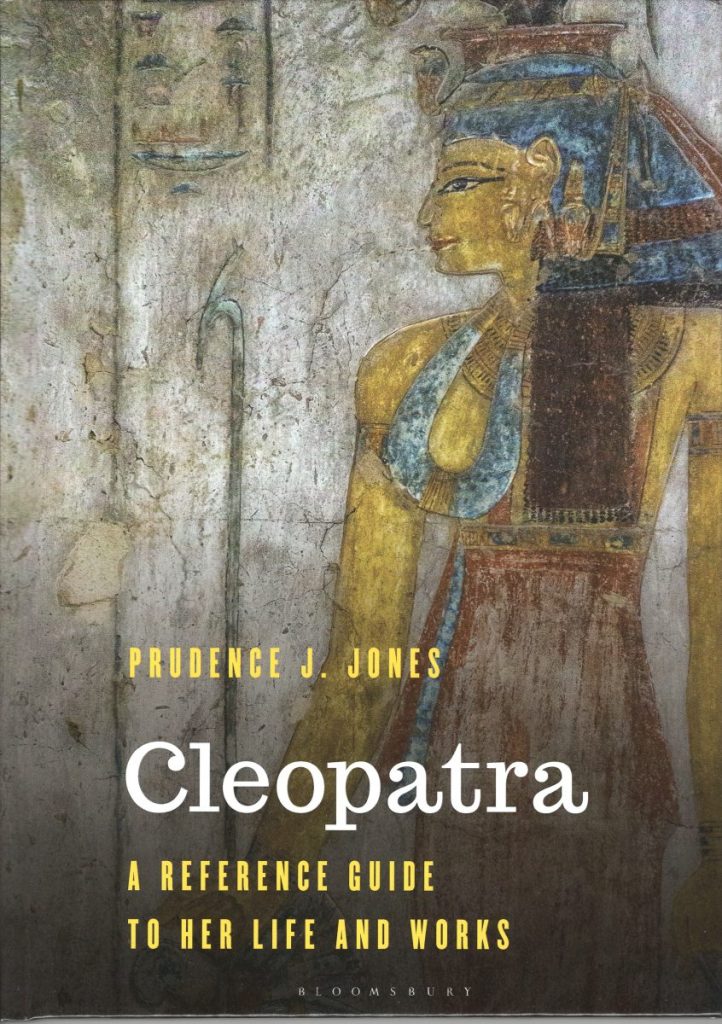
Cleopatra VII now joins such luminaries as Nelson Mandela, Winston Churchill, and Henry VIII, as the latest historical celebrity to have her own volume in Bloomsbury’s ‘Significant Figures in World History’ series.
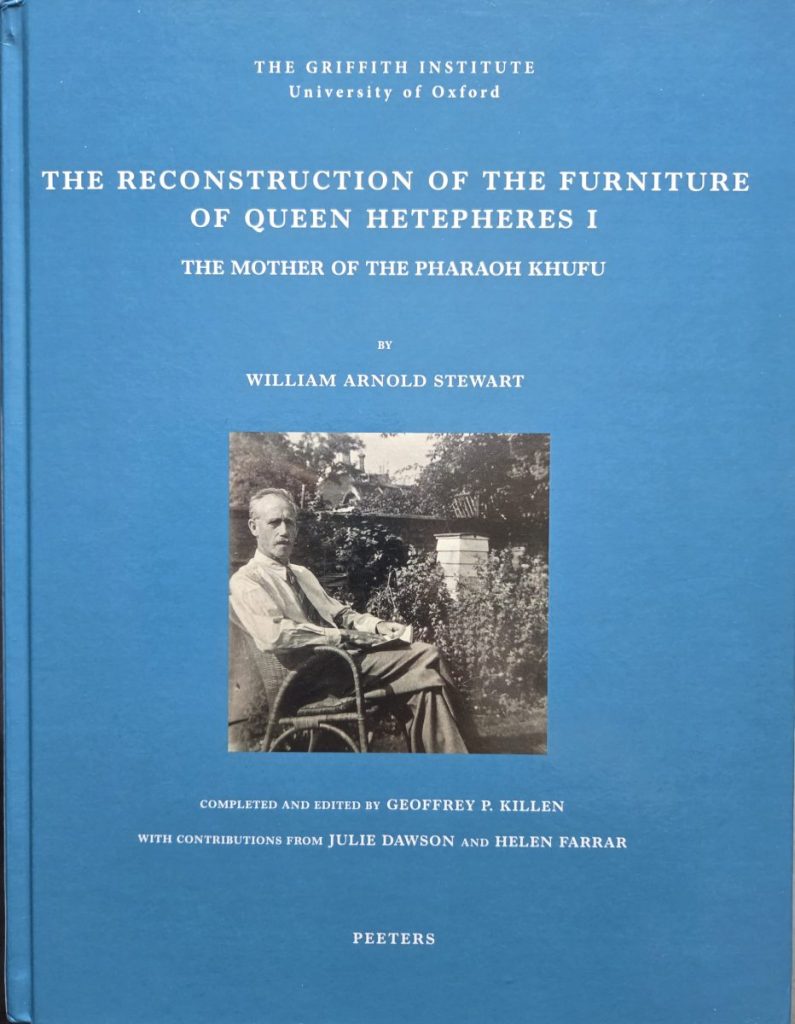
Following George Reisner’s discovery (in 1925) and meticulous excavation of the Tomb of Queen Hetepheres I at Giza, William Arnold Stewart was engaged by Reisner to reconstruct the furniture (‘the carrying-chair, the

Textiles have long remained in the shadow of more conspicuous archaeological finds such as monumental sculpture, decorated coffins, and jewellery. Yet these often-overlooked artefacts offer vital insights into technology, economics, religion, dress,
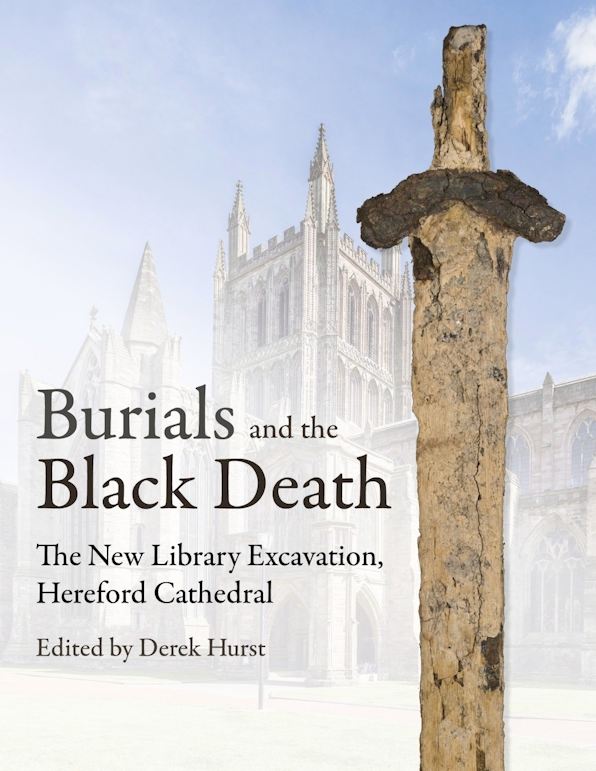
Excavation reports often have a long gestation, and the publication of the City of Hereford Archaeology Unit’s 1993 excavations on the site of Hereford Cathedral’s new Mappa Mundi museum has been eagerly
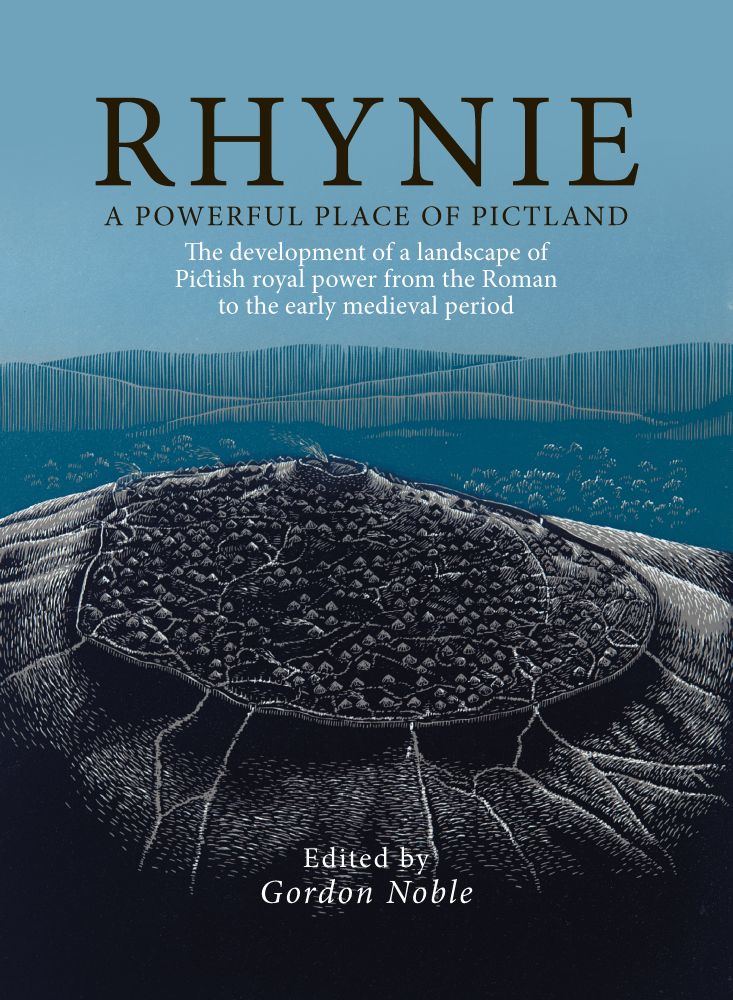
Aberdeenshire is known for its Pictish symbol stones, but until recently evidence for Pictish settlements in the region was sparse and our understanding of Pictish sites even more tenuous. This has now

First discovered nearly 30 years ago, the wreck of a ship that sank in Salcombe Bay, Devon, in 1633 has now been comprehensively re-examined in this new British Museum volume. On its
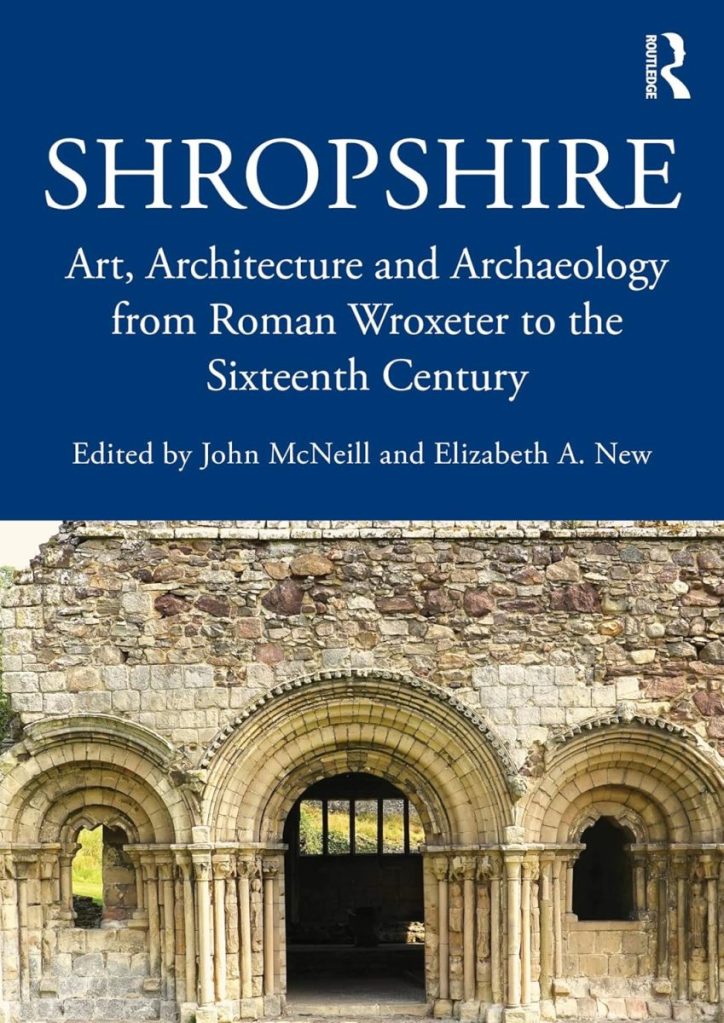
The latest in the British Archaeological Association’s regional conference volumes covers Shropshire. The 16 contributions might seem at first sight to concentrate on the county’s best-known Roman and medieval sites – such
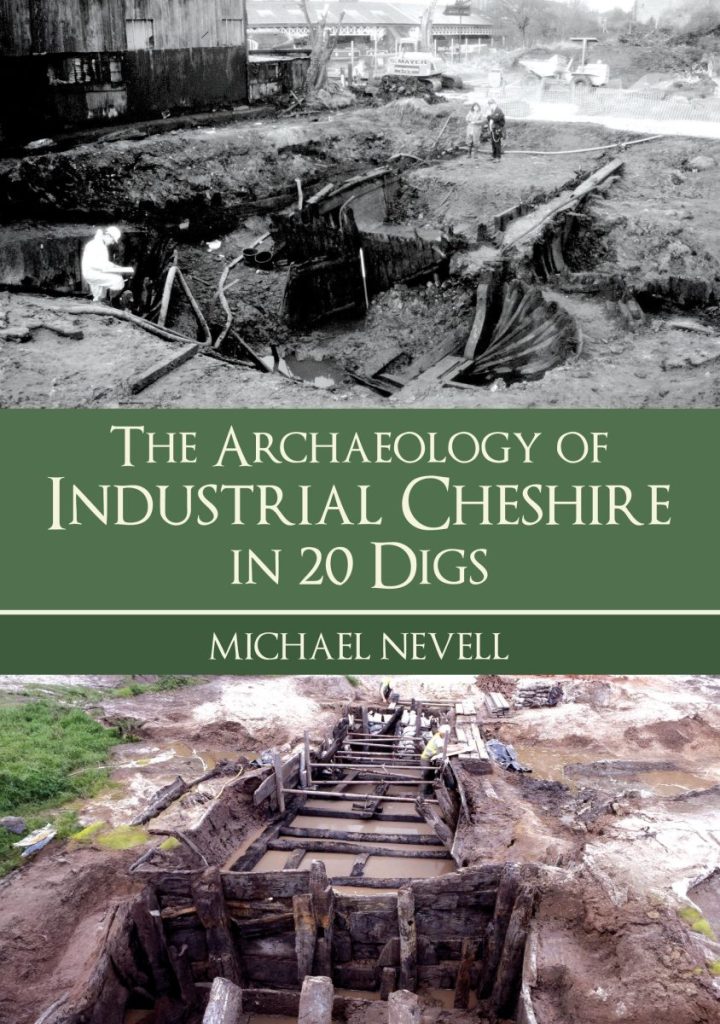
The Archaeology of Industrial Cheshire in 20 Digs is a well-illustrated introduction to Cheshire’s industrial past. Each concise chapter combines documentary evidence with excavation results to trace the development of the county’s

The idea of a guidebook is an ancient one – Pausanias’ Guide to Greece is perhaps the first – but these days the idea of wandering around sites clutching a book conveying


Sometime in the 1st century AD, a crass graffiti artist carved a 2m-long graffito into the wall of a stairwell within the House of Julia Felix at Pompeii. The mudslinger didn’t mince

Every new book about Alexander the Great needs to have its own unique selling point if it is to fight its way successfully into public consciousness. In the case of Edmund Richardson’s

In Travels through Prehistoric Spain, Jude Brown and Gary Lock provide a richly rewarding and deeply engaging exploration of Spain’s prehistoric heritage. Written with enthusiasm, knowledge, and genuine affection for both archaeology and


Don Hollway’s account of the life of the Norse warlord Olaf Tryggvason (king of Norway in the years c.995-1000) covers a period of momentous social and religious change in the lands bordering
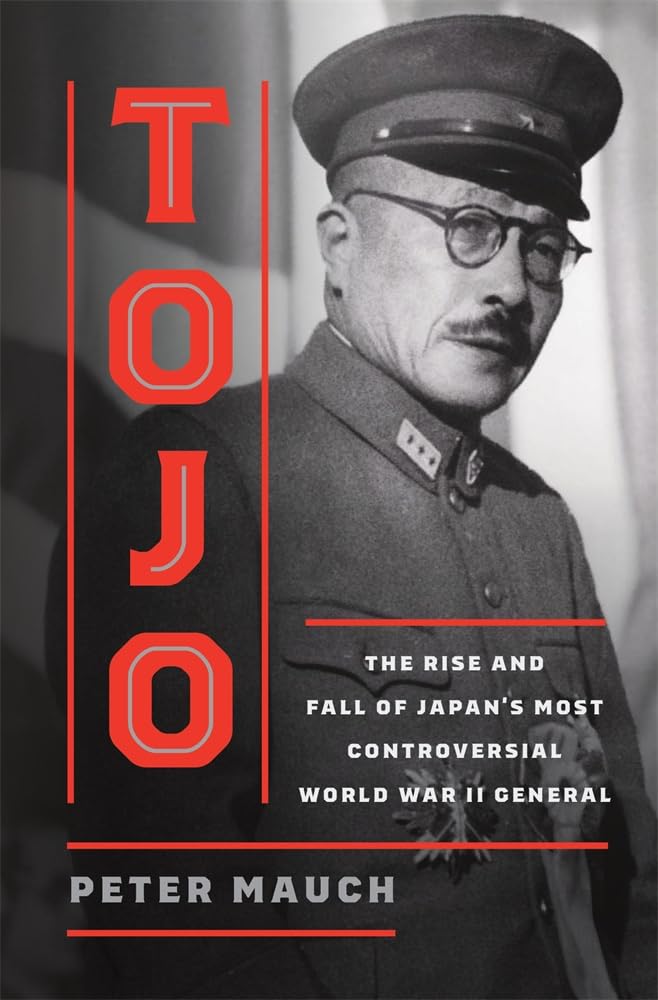
Hideki Tojo was Japan’s most important policymaker of WWII. As detailed in Gary Bass’s 2023 study Judgment at Tokyo, he was the highest official to face the death penalty at the ensuing
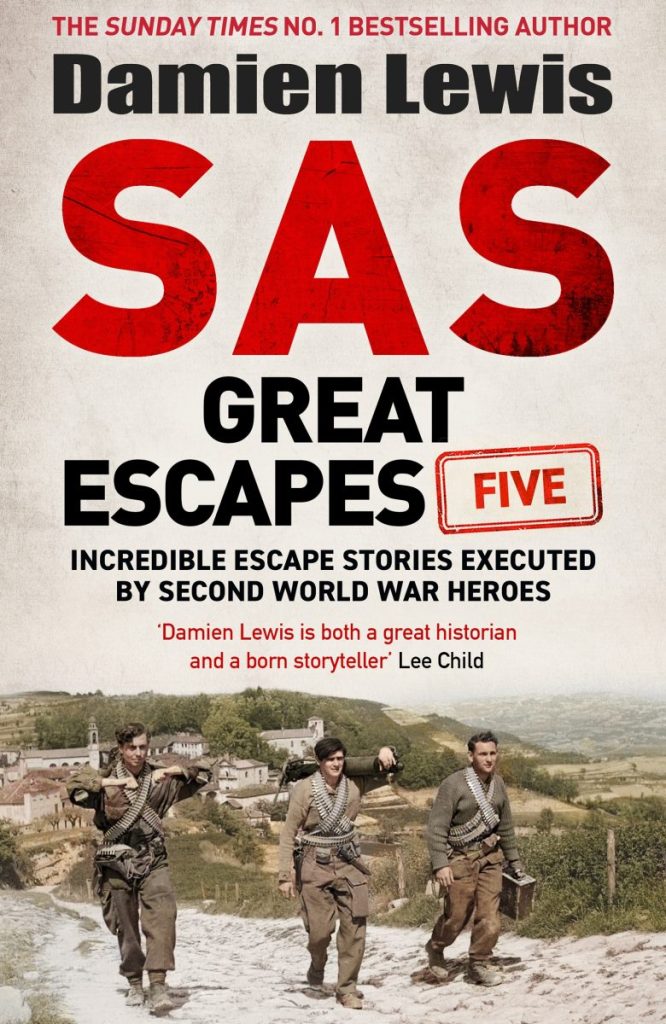
War correspondent, film producer, and writer: many MHM readers will already know Damien Lewis’s work. In his latest book about British Special Forces, he presents five more hair-raising accounts of WWII escapes.
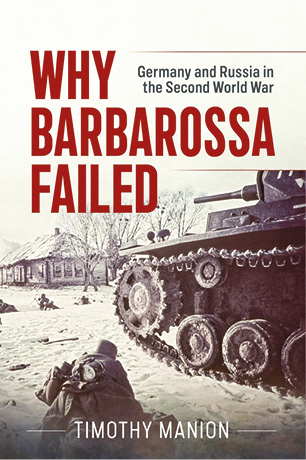
On the face of it, Operation Barbarossa – Nazi Germany’s 1941 invasion of the Soviet Union – is straightforward to understand. Germany was at first strikingly successful, then faltered, and ultimately failed