
Subscribe now for full access and no adverts
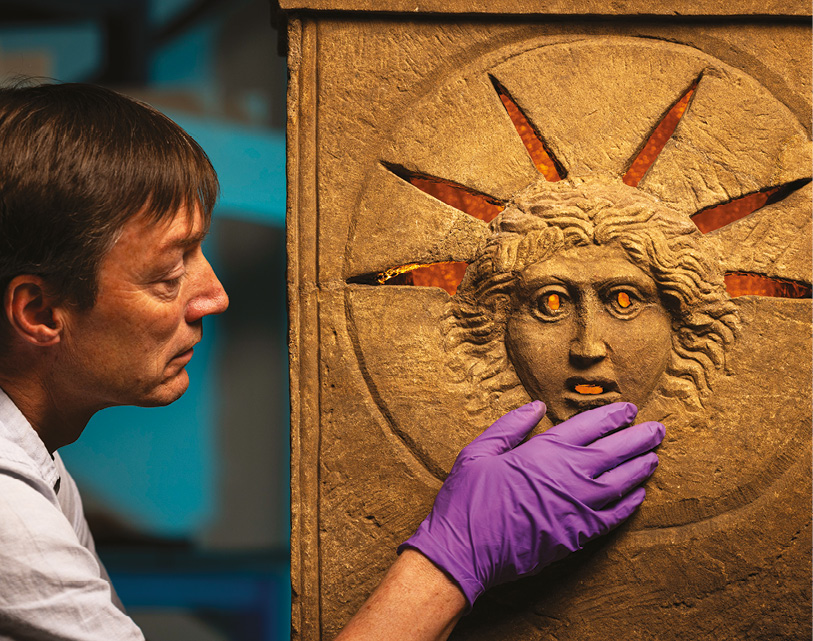
Continuing renovation works at the Assembly Rooms in Bath are revealing not only the history of this almost 300-year-old building, but also the history of this area of the city over the last 2,000 years – including previously unknown areas of the Roman settlement.
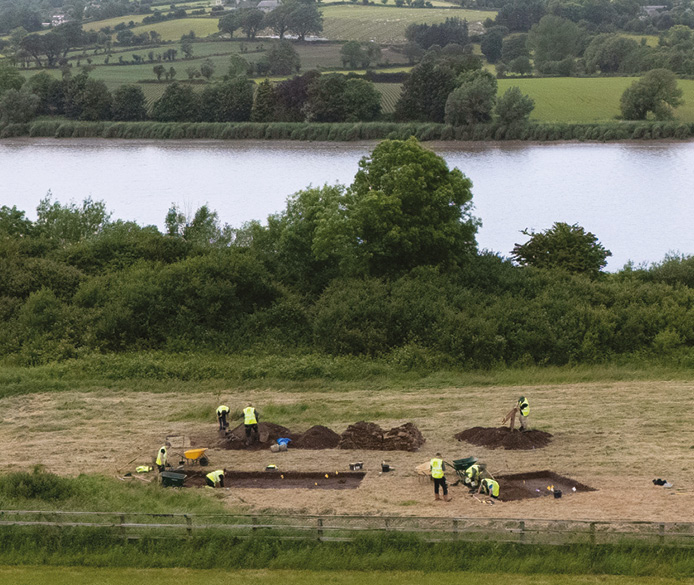
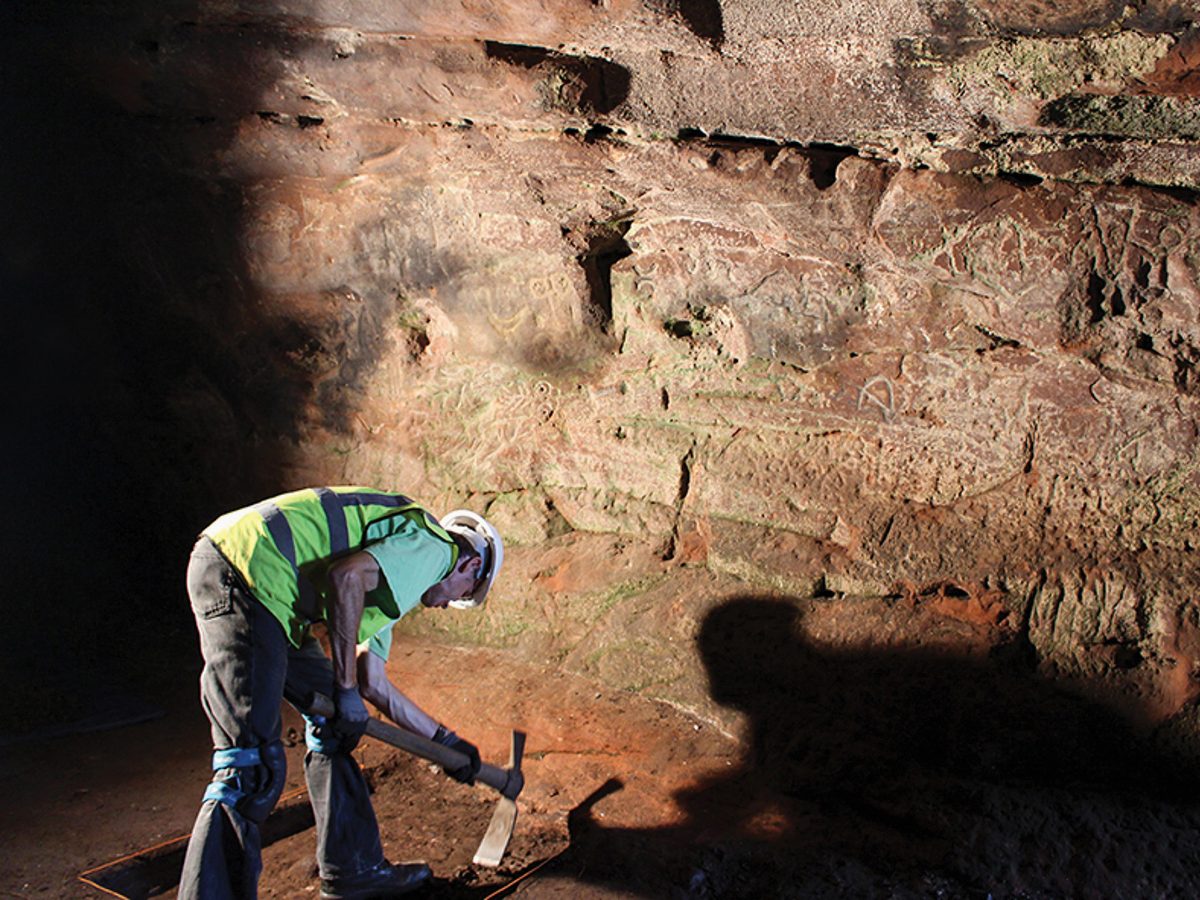
The £20 million restoration of the National Trust-owned Georgian property began in 2025 and is set to finish sometime next year, when it will reopen to the public. While most of this refurbishment has focused on the building itself, Wessex Archaeology has also opened several trenches in the basement ahead of plumbing updates. These targeted excavations have revealed an illuminating snapshot of this area of Bath during the Roman period, when it lay just outside the city walls. Although extensive archaeological remains indicating a thriving Roman suburb have been uncovered just uphill from the site, in the area around Julian Road, until the present investigations the land between the Roman Walls and the Assembly Rooms represented a completely blank canvas.
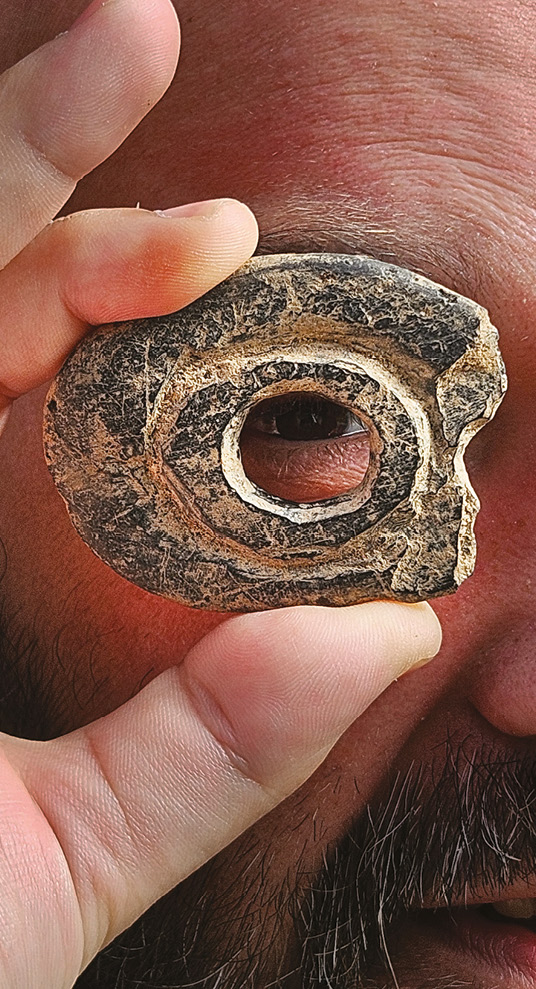
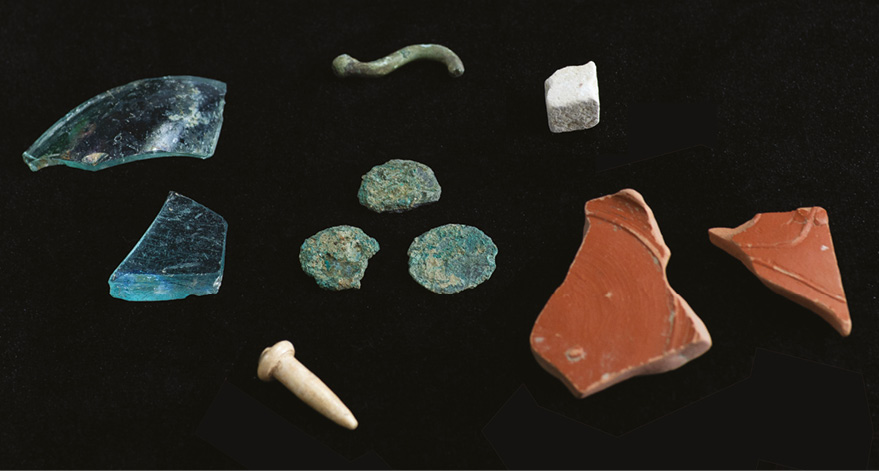
At the south end of the base-ment, a 15m-long (49ft) trench running east–west revealed three parallel drainage ditches running down the hill from north to south, spaced about 5m (16ft) apart. A separate ditch was found about 10m (33ft) away in another trench, and the team suggest that this number of Roman drains within only a small area could indicate that it was a fairly built-up area, as the site (located on the incline of a hill) already has good natural drainage. Most of the ditches were relatively free of finds, but the middle one of the group of three produced quantities of early Roman pottery, including imported Samian ware. There was the drop loop from a Roman military helmet, too, hinting at a possible military presence nearby.
The north end of the Assembly Rooms yielded less evidence, as this part of the building had been terraced into the hill when it was first built, removing much of the Roman levels in the process. There was one notable find, however: a beam slot, approximately 10cm (4in) wide and 25cm (10in) deep. It possibly represents part of an early timber building or partition, which may eventually have been replaced with stone.
In terms of the Assembly Rooms building itself, the renovation has revealed much about its evolution and use over the centuries. Notably, the basement investigations revealed an 18th-century cold bath, comprising a round pool measuring 3.6m (12ft) in diameter and 1.3m (4ft 3in) deep. During the Georgian period, cold plunging was popular, as it was seen as being good for one’s health. It is not known if this was a fully public pool or whether its use was restricted, but it is listed as a feature of the Rooms in the New Bath Guide throughout the 1770s, and the original proceedings of the Rooms’ managing committee include an instruction to place a sign in the entrance to direct guests to the cold bath. The original wine cellars, as well as examples of some of the original stonework vaults, have also been uncovered.
In contrast to the basement’s historic features, however, the upper parts of the building largely represent rebuilding in the 1960s, following extensive bomb damage during the Second World War. Nonetheless, the Georgian Card Room appears to have largely remained intact, and the National Trust team have been able to peel pack the layers of paint in this space – both metaphorically and actually – in order to explore how the room had been decorated over the years. This evidence is helping to inform reconstruction of the rooms during the refurbishment works; once the building reopens, visitors will be guided through its rooms by Georgian characters and will be able to appreciate the setting as it may have looked in the 18th century.
Text: Kathryn Krakowka / Photo: National Trust Images, James Beck