
Subscribe now for full access and no adverts
D-DAY’S EARLIEST LANDINGS
I was surprised to see an article about the largest military invasion in history (‘D-Day: 80 years on’, MHM June/July 2024) without a mention of the greatest coup de main and the first engagement of the landings: British Airborne troops capturing two crucial bridges, over the Caen Canal and Orne River, to the east of the invasion beaches, minutes after midnight on 6 June 1944.
Such a feat had never been accomplished before, and the odds were stacked against it being successful. Had it failed, German tanks would have crossed over the bridges and attacked British and Canadian soldiers landing at Gold, Sword, and Juno beaches later that morning. The entire Normandy invasion might have failed. The crossing at Caen was later renamed Pegasus Bridge in honour of that mythical horse that is the emblem of the British Airborne.
The six Horsa glider pilots had to land in a small field less than 50 yards from the canal bridge (below). Most of them managed to arrive on target. Led by Major John Howard, a mixed battalion of Oxfordshire and Bucks Light Infantry and Royal Engineers caught the German defenders by surprise. After a brief battle, they took both bridges in ten minutes, then fought off counter-attacks until they were relieved later in the day.
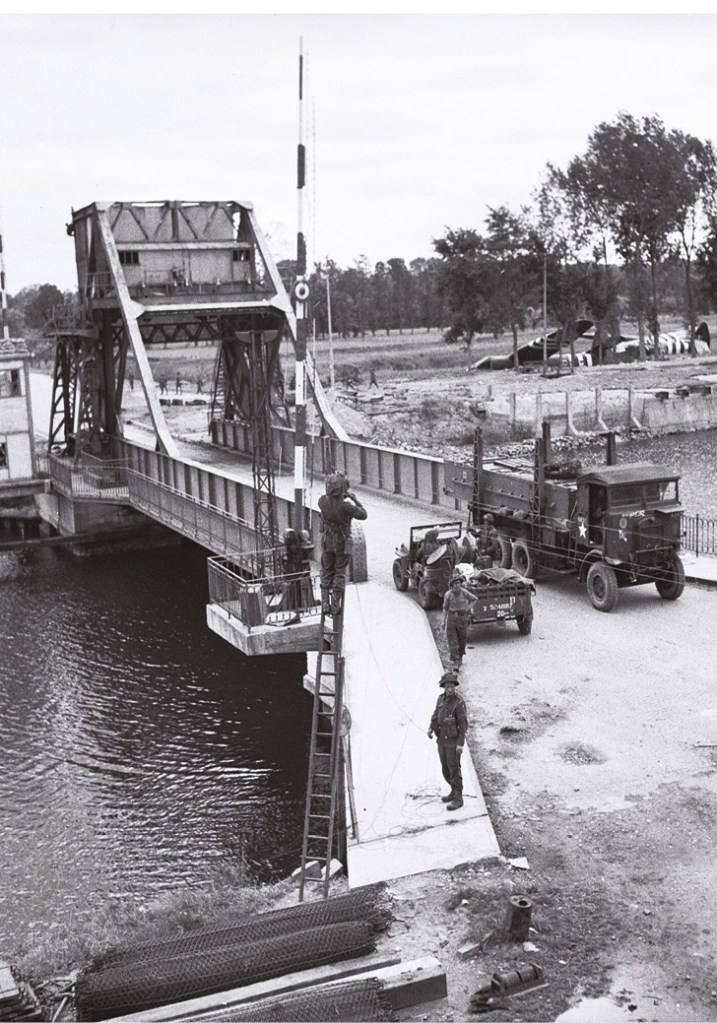
Lieutenant Den Brotheridge was killed, becoming the first member of the Allied armies to die as a result of enemy fire during the landings. Among the relief battalion was Lieutenant Richard Todd, who would later play Major Howard in the film The Longest Day. The first glider, piloted by Staff Sergeant Jim Wallwork, ran into barbed wire, which pitched Wallwork through the windscreen and made him the first Allied serviceman to reach the ground on D-Day, albeit unconscious.
Nick O’Dell Phoenixville, Pennsylvania
THE LAST DOGFIGHT
I read with interest the generally very good article on the Chaco War (MHM June/July 2024). However there was one small issue. A caption in the piece stated erroneously that the conflict saw ‘history’s last dogfight between biplanes’. The Chaco War ended in 1935, whereas the last dogfights between biplanes in fact occurred during the early years of the Second World War.
These were fought between British Gloster Gladiators and Italian Fiat CR.42 Falcos. The first such dogfight took place on 14 June 1940 over North Africa, while the last was fought during the Italian East African Campaign on 24 October the following year.
Alan Moore Sudbury, Suffolk
COMPELLING VIEWING
I enjoyed Taylor Downing’s fascinating article on the new documentary about the lives and careers of filmmaking duo Michael Powell and Emeric Pressburger (MHM August/September 2024). Their many films, such as A Matter of Life and Death and Black Narcissus, still make compelling viewing.
However, I believe 1943’s The Life and Death of Colonel Blimp is their masterpiece. It’s a vivid, witty, and deeply moving film – and all the more impressive given that it was made amid wartime shortages and the bitter objections of Churchill himself. I recommend it highly to all MHM readers.
Stuart Green Royston, Hertfordshire
THE REASON WHY
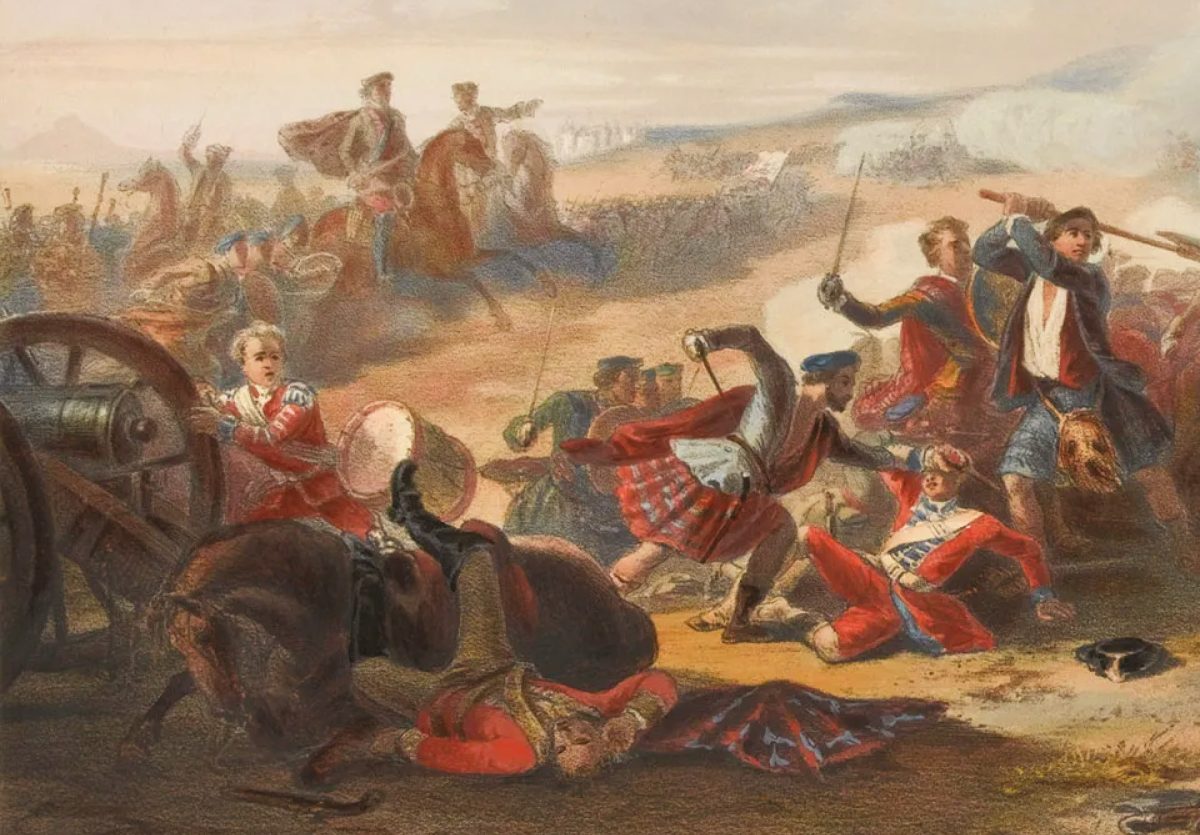
I always enjoy your ‘War Classics’ series, and in particular Nick Spenceley’s article on The Reason Why, the timeless account of the Charge of the Light Brigade in Crimea (below) by Cecil Woodham-Smith (MHM August/September 2024).
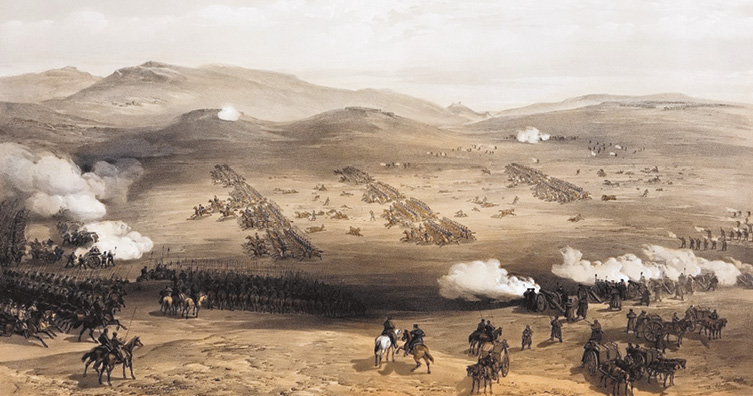
The widely held view is that the charge was in all respects a catastrophe. But is this really so? Other historians have offered a more nuanced view of the outcome, highlighting that out of the 661 personnel who took part, 113 were killed, 134 were wounded, and 40 taken prisoner. While the mortality rate was high by any standard at 17%, does the charge really merit the term ‘military disaster’? In many respects, the mission was successful in that it scattered the Russian guns. And there have arguably been worse ‘disasters’ in the history of the British Army.
The 1968 film of the Charge provides a wonderful insight into the background and action at Balaklava, in particular the sheer ineptitude of the British generals. Who could imagine today that a general like Lord Cardigan (played by Trevor Howard in the film) could retire to his private yacht every evening, while his troops were dying of wounds, fever, and frostbite!
Roger Laing Iver, Buckinghamshire
Please note: letters may be edited for length; views expressed here are those of our readers, and do not necessarily reflect those of the magazine. Images: www.themoviedb.org/Wikimedia Commons