Subscribe now for full access and no adverts
In partnership with:
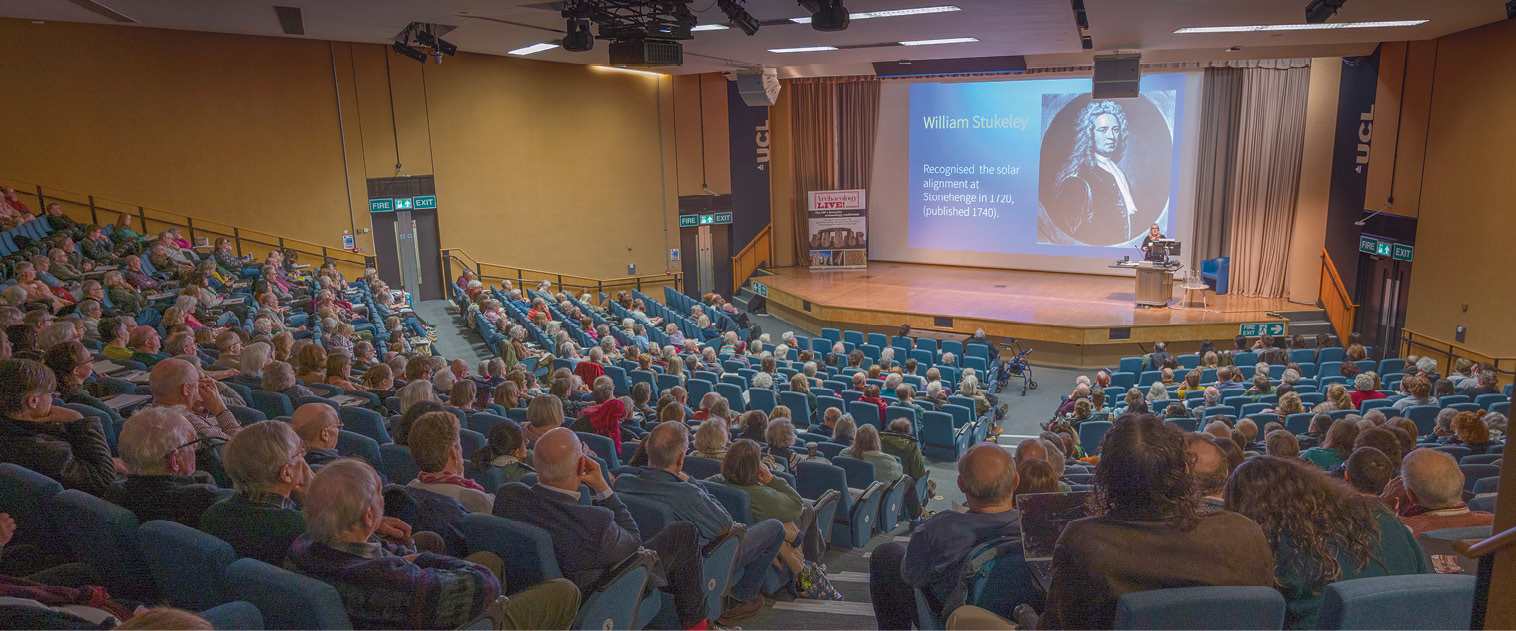
On 1 March, Current Archaeology Live! returned to the Institute of Education, near Russell Square in London, for an archaeology-packed day organised in partnership with the UCL Institute of Archaeology. Talks spanned prehistory to the present day, and encompassed archaeological projects undertaken at home, abroad, on screen, and underwater. We also heard the results of this year’s CA Awards (see below), presented once again by archaeologist and educator Julian Richards in his familiar engaging style.
This year’s conference began with Professor Dorian Fuller (UCL Institute of Archaeology), who whetted our appetite for all things archaeological with an illuminating exploration of the origins of agriculture, the birth of bread, and the evolution of the oven. We were next treated to an exclusive preview of a discovery that will be in the press later this year (how’s that for a good reason to come to CA Live?) – a fabulous find by MOLA, which was described for us by Han Li; watch out for more details of the discovery in a future issue of CA. Then Dr Amanda Chadburn of Bournemouth University brought us up to date – and to the first tea break – with a thought-provoking talk on the Stonehenge landscape and astronomical alignments (see CA 414 for more on this research, and particularly the association between Stonehenge and the moon).
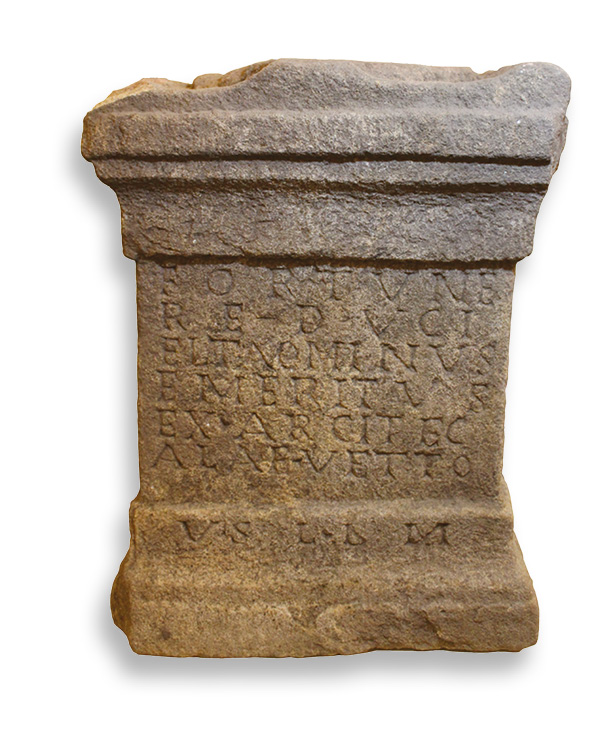
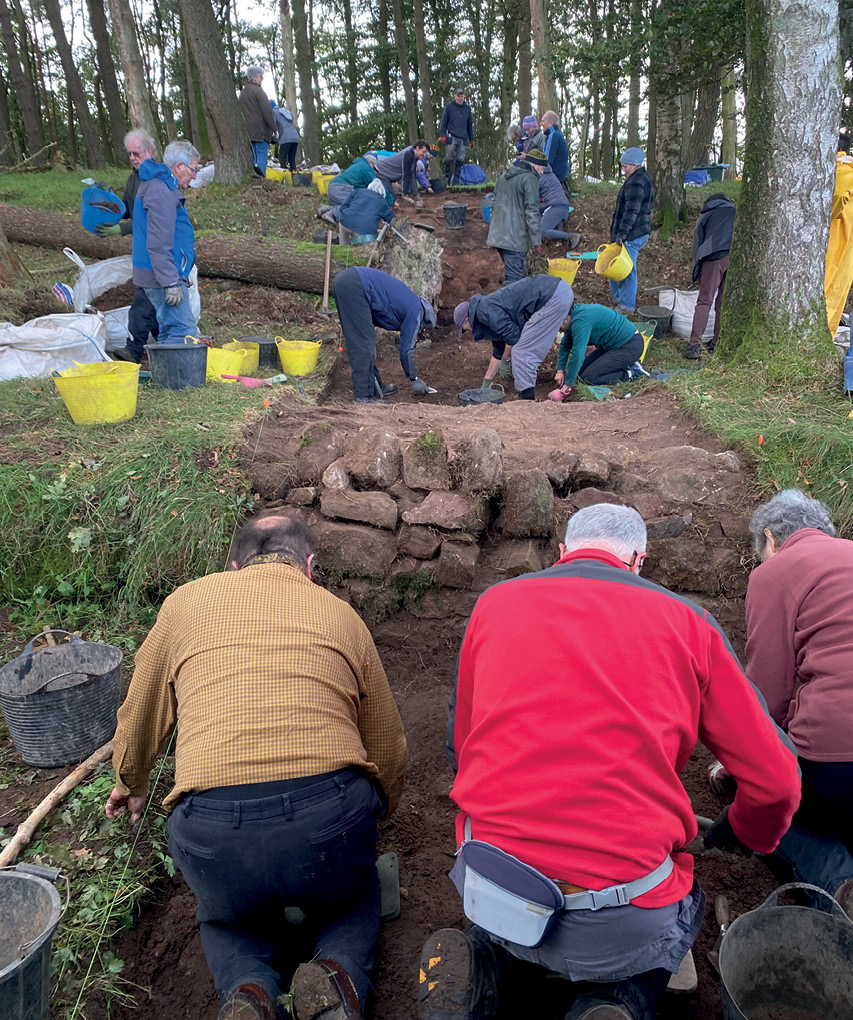
Session 2 had something of a military flavour: we began with a fascinating talk by Dr Helen Gittos of the University of Oxford discussing ‘Eastern’ artefacts recovered from elite Anglo-Saxon burials like Sutton Hoo, Taplow, and Prittlewell, and whether the men that they were buried with might have served as mercenaries in Byzantine wars against the Sasanian Empire (see CA 417). Next, Anna Giecco and Nick Henderson shared the latest findings from the Uncovering Roman Carlisle project, which has been revealing the remains of a magnificent building. Possibly associated with the Emperor Septimius Severus, it is the largest Roman structure found on Hadrian’s Wall to-date (CA 418). Finally, Professor Oliver Creighton and Professor Alan Outram of the University of Exeter revealed what archaeological evidence can add to our understanding of that medieval icon, the warhorse – research that you can read more about in this issue here.
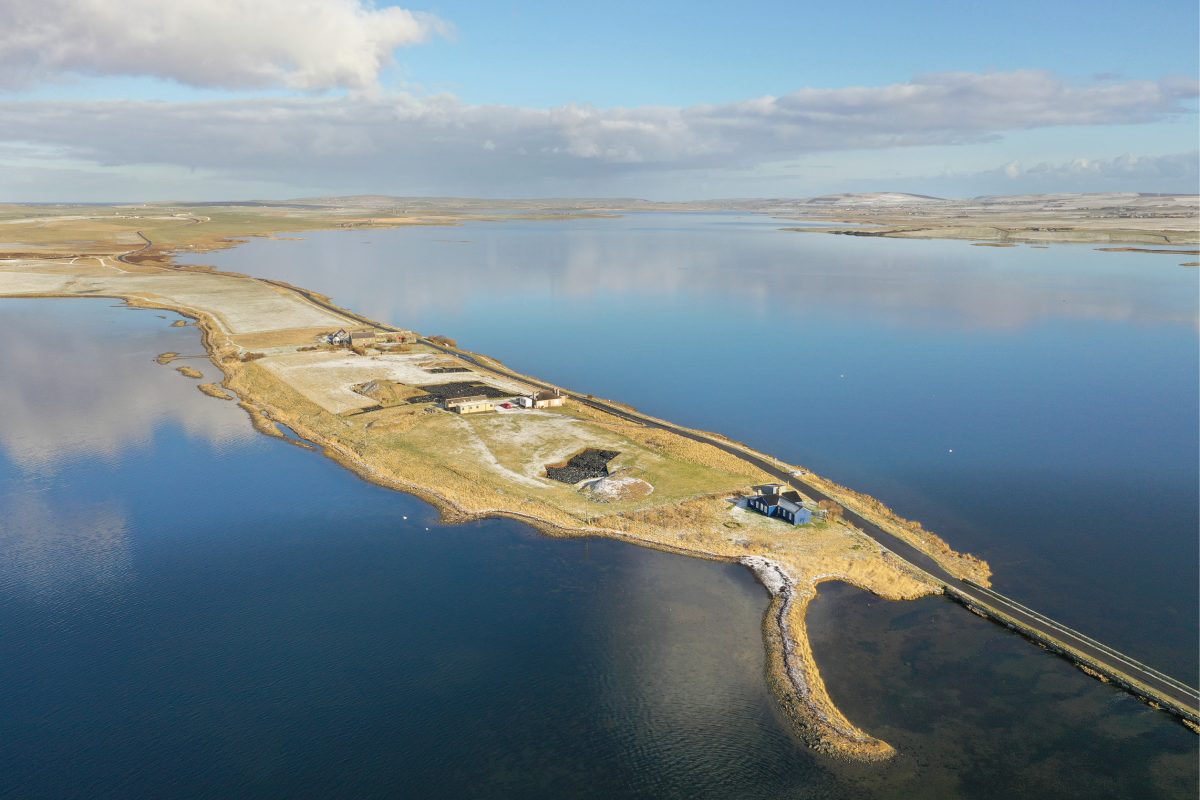
After lunch, the afternoon session began with a brilliant talk by Dr Matthew Symonds (editor of our sister-magazine, Current World Archaeology), who heroically stepped up at the last moment to replace a speaker who was no longer able to attend. He shared a host of interesting insights into evidence for guerilla warfare around Hadrian’s Wall. Next, Natasha Billson (Behind the Trowel) explored ‘public archaeology in the digital landscape’, offering timely suggestions about the role of social media in archaeological dissemination – and how to combat misinformation online. Mark Beattie-Edwards of the Nautical Archaeology Society then took us beneath the waves to explore the remains of the wreck of the Klein Hollandia, a 17th-century Dutch vessel that was lost – and rediscovered centuries later – off the coast of Eastbourne (CA 406). Finally, this year’s keynote lecture was given by Nick Card of the Ness of Brodgar Trust, who shared insights and anecdotes from two decades of excavations at the eponymous, extraordinary Neolithic site in Orkney (CA 395).
We offer grateful thanks to our partner, the UCL Institute of Archaeology; to UCL’s Institute of Education for hosting us; to Andante Travels, Wessex Insurance Brokers Ltd, Peter Sommer Travels, and Cardiff University BioArchaeology for sponsoring the CA Awards; to Hidden History Travel for sponsoring the CWA photo competition; to Julian Richards and Adam Stanford for presenting the results; to all of our hugely deserving Award nominees; to our excellent speakers; to our ever-helpful volunteers; and to everyone in the Archaeology Fair. Thanks, too, to all of you who came along, or who joined in virtually via our live-tweets (which you can find on Bluesky and X by searching for #CALive25). We are still finalising the date for next year’s conference, but watch this space for an update in the near future.
Current Archaeology Awards 2025
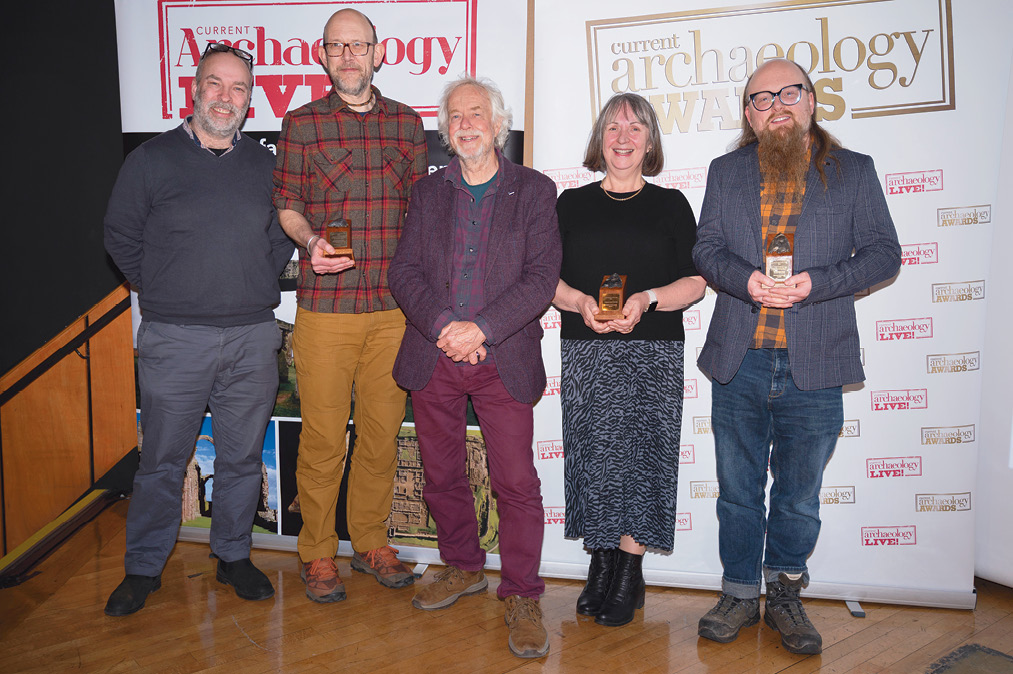
The winners of the annual CA Awards, which recognise the people, projects, and publications that have made an outstanding contribution to archaeology, were announced by archaeologist and educator Julian Richards at the end of the conference. There was also a separate award judged and presented by Adam Stanford (http://www.adam-stanford.co.uk) for Current World Archaeology’s Photo of the Year. Thank you to everyone who voted.
Archaeologist of the Year (sponsored by Andante Travels)
Professor Joyce Tyldesley
‘I feel so honoured to win the archaeologist of the year award: thank you to Current Archaeology and to everyone who voted. I regard this as an award to be shared with my amazing team at the University of Manchester, all of whom are dedicated to making the past accessible to all. I would like to give special thanks to Paul Bahn, who has supported my writing career for over 40 years, to Rosalie David who gave me my first permanent teaching post, and to my husband Steven Snape.’
Research Project of the Year (sponsored by Wessex Insurance Brokers Ltd)
Pioneering spirit: exploring the archaeology and history of The Glenlivet whisky (Pioneering Spirit project; National Trust for Scotland/The Glenlivet)
Accepting the award, NTS archaeologists Derek Alexander and Dr Daniel Rhodes described themselves as ‘delighted’. They said: ‘It’s great to receive the award in recognition of what has been a fantastic project into a very important aspect of Scotland’s heritage. It means a lot to get the recognition from the wider archaeological community throughout the UK. Thanks are due to all the people and volunteers who have helped out with the project over the years and to everyone who voted for it.’
Rescue Project of the Year (sponsored by Peter Sommer Travels)
From stronghold to Steel City: uncovering the ‘birthplace of Sheffield’ (Wessex Archaeology/Sheffield City Council)
Accepting the award, Ashley Tuck, who led the excavations for Wessex Archaeology, said: ‘Archaeology is a team activity, and this has never been truer than at Sheffield Castle. Winning the award has provided a moment to think about all the people who contributed to the work, and it is a large number, both across Wessex Archaeology and beyond: Sheffield City Council, Aureos (formerly Keltbray), the Friends of Sheffield Castle, the University of Sheffield, external specialists, and the many members of the public who have contributed too. It has been a great privilege to work on this project that will put the remains of the castle back on public display. On the way back from Current Archaeology Live! I stood on the Doncaster railway platform, surrounded by exuberant youths singing football chants. I can’t help with the league, but we did bring a trophy back to South Yorkshire.’
Book of the Year (sponsored by Cardiff University BioArchaeology)
Crypt: life, death, and disease in the Middle Ages and beyond by Professor Alice Roberts
Professor Roberts was not able to attend the event, but sent a video acceptance message, in which she said: ‘I am absolutely delighted that my book Crypt has won Current Archaeology’s Book of the Year. It means an awful lot to me, as an author, to have this accolade from the community, so I wanted to say thank you very much – I’m sorry not to be with you in person!’
Current World Archaeology Photo of the Year (sponsored by Hidden History Travel)
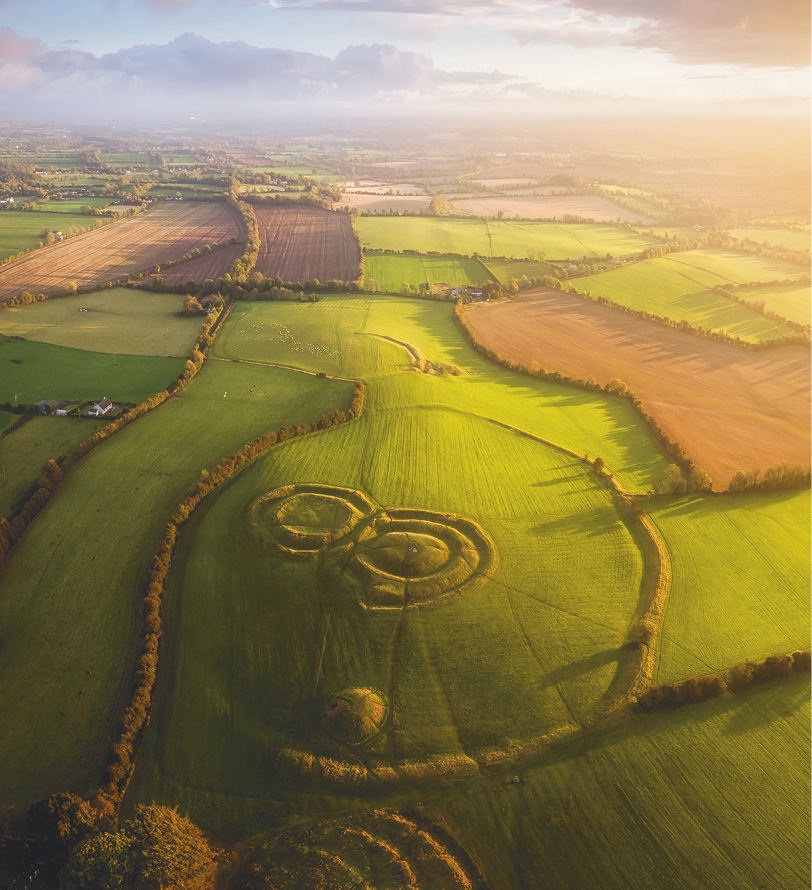
The Ancient World – the Hill of Tara, Ireland by Pawel Zygmunt