Subscribe now for full access and no adverts

In partnership with:

Current Archaeology Live! 2024 is almost here, but it is not too late to book your place. The conference, held in partnership with University College London’s Institute of Archaeology, will be on 24 February (Saturday) at the UCL Institute of Education, near Russell Square in London. You will be able to hear expert speakers sharing the latest discoveries from the UK and abroad; explore exciting stalls in the ever-popular Archaeology Fair; and, if you are a student and an aspiring archaeologist who would like to learn more about the profession, Joe Flatman (long standing CA contributor and author of the award-winning Becoming an Archaeologist: a guide to professional pathways) will be running an ‘Ask an Archaeologist’ session during the lunch break. Places for this are limited and will be filled on a first-come, first-served basis; to register your interest, please email subs@currentpublishing.com.
At the end of the day, archaeologist and educator Julian Richards will announce the winners of the CA Awards, recognising the people, projects, and publications that have made an outstanding contribution to archaeology. Grateful thanks to Wessex Insurance Brokers Ltd; Department of Archaeology, University of Cambridge; Oxbow Books; and Butser Ancient Farm for sponsoring this year’s awards.
READ ALL ABOUT IT
For those of you who use X (formerly Twitter), we will be live-tweeting the whole conference, from snippets of the talks to the CA Awards results. Look out for the hashtag #CALive24, and feel free to reply to any of the comments, ask questions, or add some thoughts of your own.
HOW TO BOOK
CA subscribers can get tickets for just £50 (usually £60); to buy a ticket, visit http://www.archaeology.co.uk/live and enter the code CA-SUB at the checkout, or call 020 8819 5580.
CONFERENCE DETAILS
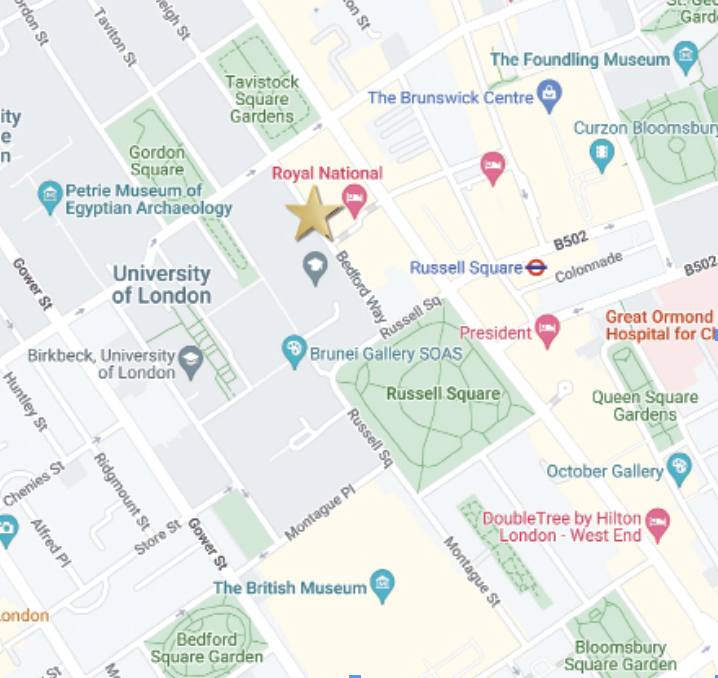
This year’s conference venue is University College London’s Institute of Education, located in the heart of Bloomsbury at 20 Bedford Way, London WC1H 0AL.
Russell Square tube station (on the Piccadilly line) is about a five-minute walk away, while Euston Square tube station (on the Circle, Hammersmith & City, and Metropolitan lines) and Euston station are about a ten-minute walk away. King’s Cross St Pancras is also only a 15-minute walk or quick taxi-ride way.
Map showing this year’s conference location: Institute of Education, 20 Bedford Way, WC1H 0AL
We have outlined the provisional timetable of speakers, and the Archaeology Fair (described underneath it) will be running during both tea breaks and the lunch break.
PROVISIONAL TIMETABLE
Saturday 24 February Talks run from 9.30am to 5pm
Session 1 (9.30-11am)
Dr Matt Pope (UCL Institute of Archaeology) – Solving The Mystery of The Last ‘Neanderthals’ of La Cotte de St Brelade
Ali Cameron and Alice Jaspars (Cameron Archaeology/University of Southampton) – The Missing Monastery: archaeological work at Deer 2017-2022
Nathalie Cohen (National Trust) – Smallhythe Explored: Roman and medieval riverside discoveries along the Kent/Sussex border
Session 2 (11.30am-1pm)
Ashley Tuck (Wessex Archaeology) – Between the Salt Water and the Sea Strand: excavation of the Hornsea Project One Cable Route in the marshes of northern Lincolnshire
Professor Kevin MacDonald (UCL Institute of Archaeology) – Tumuli through Time in Mali and Senegal
Natasha Billson (Behind the Trowel) – From the Trench to the Screen
Session 3 (2-3.30pm)
Professor Julian Thomas (University of Manchester) – Excavating Arthur’s Stone
Dr Brendon Wilkins (DigVentures) – Deep Time: Collective Intelligence and the search for our shared past, present, and future
Rachel Frame (Vindolanda Trust) – Breaking New Ground: excavations at milecastle 46
Keynote speaker (4-5pm)
Dr John Gater (Time Team/SUMO GeoSurveys) – Behind the Scenes of Time Team: 30 years in the media limelight (‘a talk embracing archaeology, science, education, family entertainment, and the benefits of responsible drinking’)
The CA Awards results will be announced at 5pm
ARCHAEOLOGIST OF THE YEAR
Who deserves special recognition for their work, research, and dedication to archaeology? Voting is now open!
Andrew Birley
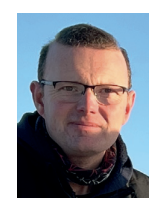
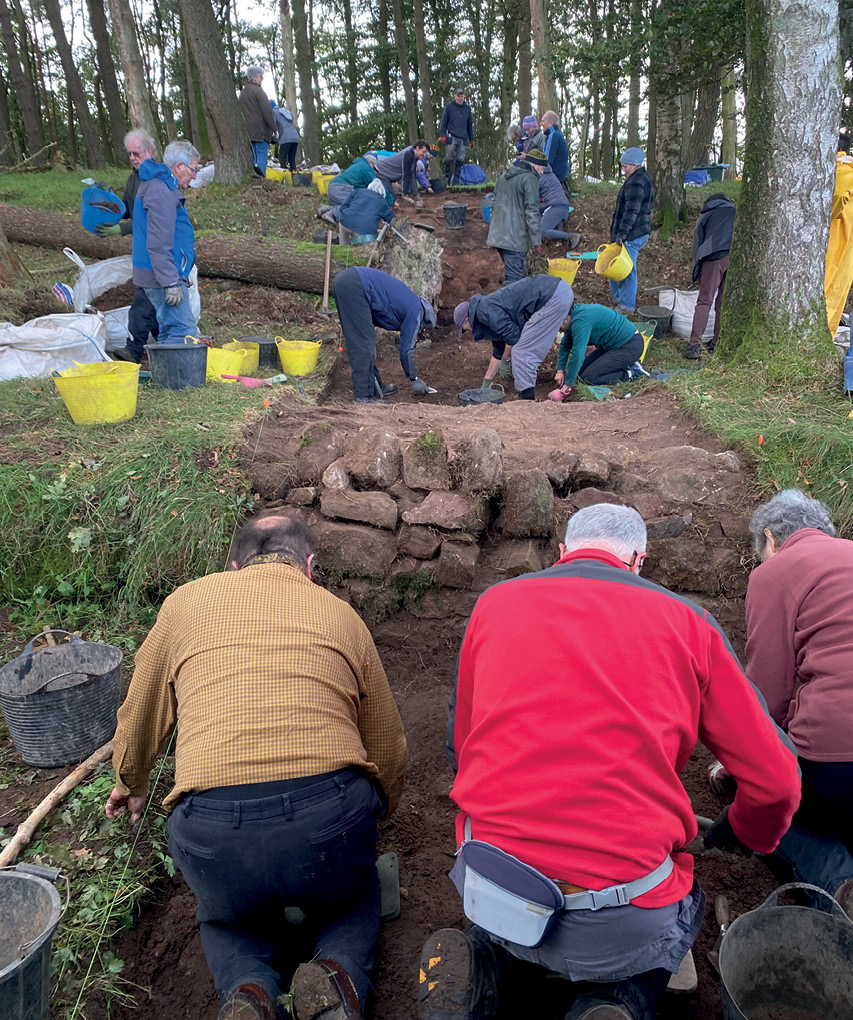
Andrew is the third generation of Birleys to work as the Director of Excavations on Hadrian’s Wall, after his father, Robin Birley, and grandfather, Eric Birley. He started excavating at Vindolanda as a teenager, before getting his undergraduate degree and PhD in archaeology from the University of Leicester. Andrew became the Vindolanda Trust’s Director of Excavations in 2005, its CEO in 2015, and during that time has enabled more than 7,000 volunteers to take part in research excavations on Hadrian’s Wall. Widely published and often seen on TV, Andrew is the Chair of the Writing Tablet Research Committee and is heavily committed to the battle to combat the damaging effects of climate change on our historic monuments and landscapes. He currently directs two excavations on Hadrian’s Wall, at Magna and Vindolanda Roman forts.
Nick Card

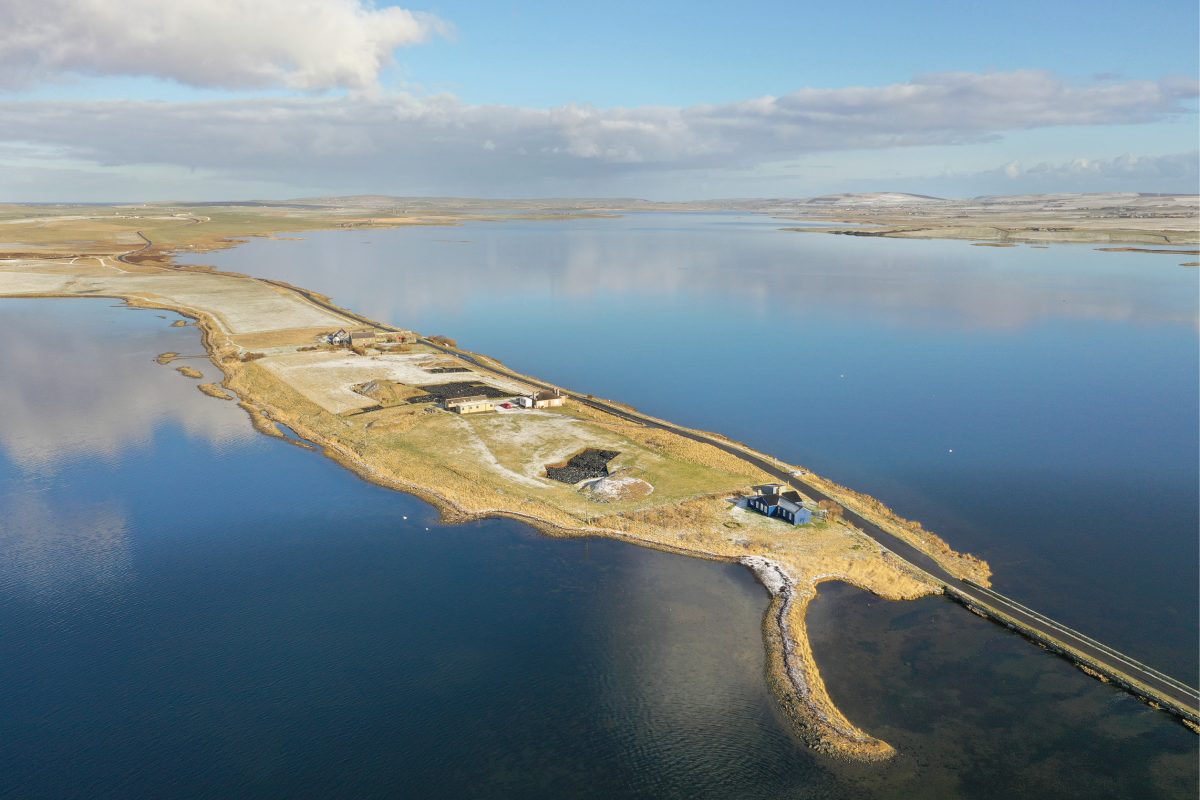
Since moving to Orkney more than 30 years ago, Nick has directed and managed a wide range of projects for the Orkney Research Centre for Archaeology within the UHI Archaeology Institute. He has also been involved in various aspects of research and fieldwork relating to Orkney’s World Heritage Site since it was inscribed in 1999, most notably as director of the Ness of Brodgar excavation (see http://www.nessofbrodgar.co.uk). This project has been internationally recognised, widely reported, and the recipient of several awards, while maintaining both a community ethos and high research standards. This has all been accomplished by a dedicated team effort.
Amanda Clarke
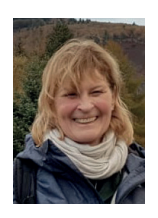
Amanda is an Associate Professor of Field Archaeology with the Department of Archaeology at the University of Reading. Since 1997, she has been the Director of the Archaeology Field School, located at Silchester Roman Town (Insula IX) for 18 years, then in the Vale of Pewsey for 3 years and, most recently, at Silchester (Roman bathhouse), Islay (various sites), and Cookham (Anglo-Saxon settlement and associated cemetery). During these years, Amanda has developed an assessed Field School module that delivers a truly transformative experience for Reading students (and others), combining excellent research with professional training. The Field School embraces the diversity of archaeology in the field, as well as the increasing diversity of its workforce. Her credo is #itsnotalldigging, and over the 28 years of its life the Field School has seen its graduates (some 2,000 students) utilise the many skills gained to contribute fully to the archaeological profession.
BOOK OF THE YEAR
Many excellent new archaeological books have been featured in CA this year. Below are those that we feel deserve particular recognition.
Picts: scourge of Rome, rulers of the North
Gordon Noble and Nicholas Evans, CA 395
Drawing on the latest research, this book combines traditional resources with fresh perspectives and an emphasis on archaeology, providing a much-needed, comprehensive, and up-to-date survey of the Picts.
The Rise and Decline of Druce Farm Roman Villa (60-650 CE): excavations 2012-2018
Lilian Ladle, CA 397
Bringing together detailed discussions and substantial specialist reports, this book will stand as a reference point for villas in Dorset and beyond.
Winters in the World: a journey through the Anglo-Saxon year
Eleanor Parker, CA 398
Engagingly and lyrically written, this book takes a fresh approach to understanding the Anglo-Saxon world-view, exploring the seasons with deft clarity and detailed references to contemporary texts.
Doggerland: lost world under the North Sea
Luc Amkreutz and Sasja van der Vaart-Verschoof (eds), CA 399
This is a comprehensive and thoughtful account of far-reaching research into a long-vanished landscape, drawing on the experiences of archaeologists and amateur collectors alike.
Lessons from Our Ancestors: equality, inclusivity, and sustainability in the Ancient World
Raksha Dave, CA 401
We don’t often nominate children’s books for our award, but this one is doing something rather special, encouraging critical thought and debate, and communicating the past in a way that will surely inspire future generations of archaeologists.
Broken Pots, Mending Lives: the archaeology of Operation Nightingale
Richard Osgood, CA 404
This landmark publication summarises 12 years of work by Operation Nightingale, carrying out excellent archaeology and undertaking equally invaluable work to improve the wellbeing of military veterans.
Ballynahatty: excavations in a Neolithic monumental landscape
Barrie Hartwell, Sarah Gormley, Catriona Brogan, and Caroline Malone (eds), CA 405
Essential reading for anyone interested in late Neolithic monumental complexes in Ireland, Britain, and further afield, this lavishly illustrated book is an all-encompassing summary of an important excavation.
The Forgotten Cemetery: excavations at Ranelagh, Co. Roscommon
Shane Delaney and Eileen Murphy, CA 405
Written in a brilliantly engaging, accessible style, but packed full of solid archaeological and scientific data, this report vividly illuminates a medieval community while never losing sight of the human story behind the finds.
RESEARCH PROJECT OF THE YEAR
This has been another exceptional year for archaeological research. The following are some of the most exciting examples to have featured in CA over the last 12 months.
The Ness of Brodgar: marking 20 years of Neolithic discoveries
Ness of Brodgar Trust, CA 395
The Ness of Brodgar has recently marked 20 years of excavations, uncovering an extraordinary range of Neolithic remains that have transformed our understanding of the period.
Pondering Penywyrlod: in search of the early origins of the Cotswold-Severn long cairn and barrow group
William Britnell (Clwyd-Powys Archaeological Trust) and Alasdair Whittle (Cardiff University), CA 395
Recent excavations and radiocarbon dating of Penywyrlod, a Neolithic long cairn in south-east Wales, have made us rethink our interpretations of monuments of this type.
At the edge of the world: exploring early medieval asceticism on the Skelligs
John Crowley and John Sheehan (Cork University Press), CA 398
Detailed research has shed vivid light on what early monastic life was like at the edge of the known world, and how amazing feats of architecture were constructed.
Rural Romanitas: rethinking the role of villas
Martin Henig (University of Oxford), Grahame Soffe, Kate Adcock, and Anthony King (Association for Roman Archaeology), CA 399
Bringing together evidence from sites across Britain, this impressive study has called into question previous assumptions about the purpose of Roman villas, with thought-provoking results.
The bare bones: investigating early Neolithic ways of life and death around the North Channel
Matt Ritchie (Forestry and Land Scotland), CA 401
Recent research has revealed fascinating new details about the people who built enigmatic communal megalithic funerary monuments on either side of the North Channel.
Archaeology on Prescription: using fieldwork to support York’s mental health provision
York Archaeology, CA 402
This pioneering initiative in York is using archaeology to improve the wellbeing of some of the city’s most vulnerable populations, while also uncovering archaeology dating back 2,000 years.
‘Tired beyond all telling’: revealing the hard, often brief, lives of pauper apprentices
Durham University, University of York, Washburn Heritage Centre, CA 403
A churchyard excavation at Fewston in North Yorkshire has provided a rare look at a rural post-medieval population from the north of England, including the lives of children who worked in the nearby mills.
A monumental mystery: unpicking the evolution of Arthur’s Stone
The Arthur’s Stone Project, CA 404
Important new evidence is allowing archaeologists to understand the intriguing evolution of a Neolithic monument in Herefordshire.
RESCUE PROJET OF THE YEAR
Rescue archaeology is carried out in areas threatened by human or natural agency. The following projects highlight the vital importance of this work.
Pitch perfect: tackling a previously unknown Roman villa at Dings Crusaders RFC
Cotswold Archaeology, CA 394
Excavations on disused rugby pitches in Stoke Gifford, just north of Bristol, have uncovered the remains of an entire Roman villa estate.
Excavating Weeley Barracks: echoes of the Napoleonic Wars in Essex
Oxford Archaeology, CA 395
Investigations in Essex have revealed traces of a 19th-century military camp built to guard against the threat of a French invasion during the Napoleonic Wars.
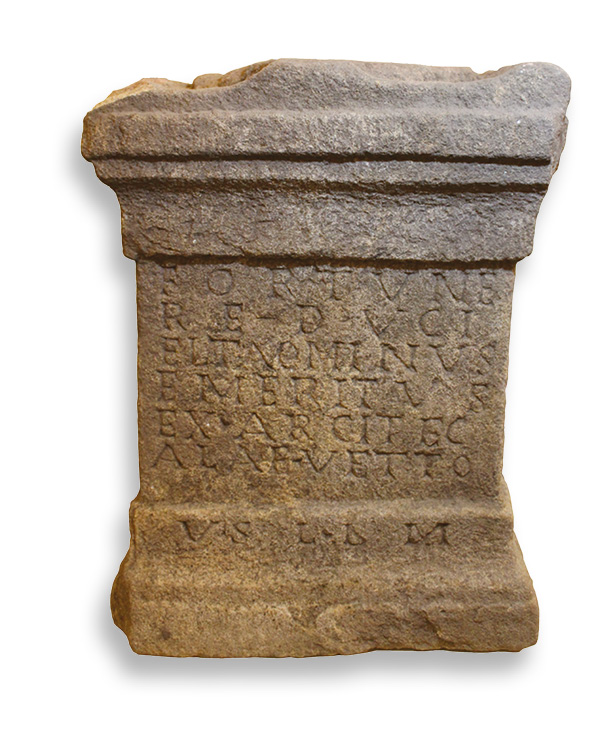
Harpole’s hidden gem: excavating early medieval Britain’s most significant female burial
MOLA, CA 395
Archaeological work just outside Northampton has uncovered an internationally significant burial, furnished with a remarkable 7th-century necklace and a number of other high-status grave goods.
The Knowe of Swandro: excavating eroding archaeology in Orkney
Swandro-Orkney Coastal Archaeology Trust/Bradford University, CA 396
This multi-period site on Rousay spans the Neolithic, Iron Age, Pictish, and Norse periods of Orkney’s history, and archaeologists are in a race against time and tide before it is lost to the sea.
The Gloucester: piecing together the story of a royal wreck
The Gloucester Project, CA 398
Underwater investigations of the wreck of HMS Gloucester, which sank off Norfolk over 340 years ago, and ongoing analysis of recovered artefacts have revealed new details about its final voyage.
Ponteland’s prehistoric past: tracing life and death on the edge of the Northumberland Coastal Plain
Archaeological Research Services Ltd, CA 399
A recent excavation of a ring-ditch in Ponteland has uncovered a number of early Bronze Age burials, revealing new details about life in prehistoric Northumberland.
Surprises from the Roman frontier: excavating Hadrian’s Wall in urban Tyneside
Pre-Construct Archaeology, CA 400
Development-led excavations have revealed a previously unknown Hadrian’s Wall turret in Newcastle-upon-Tyne ± the first to be discovered in more than 40 years, and the largest to-date.
Excavating Ankerwycke: from priory to pleasure ground
National Trust/Surrey County Archaeological Unit, CA 404
Ongoing excavations and conservation work are shedding new light on how a riverside site evolved from a medieval nunnery to a Tudor residence, and finally to a 19th-century pleasure ground.
HOW TO VOTE

As ever, our awards ceremony recognises the best in archaeology, as voted for by you the reader. Please vote online at http://www.archaeology.co.uk/vote. Voting is now open!
Grateful thanks to this year’s award sponsors:
ALL THE FUN OF THE (ARCHAEO)FAIR
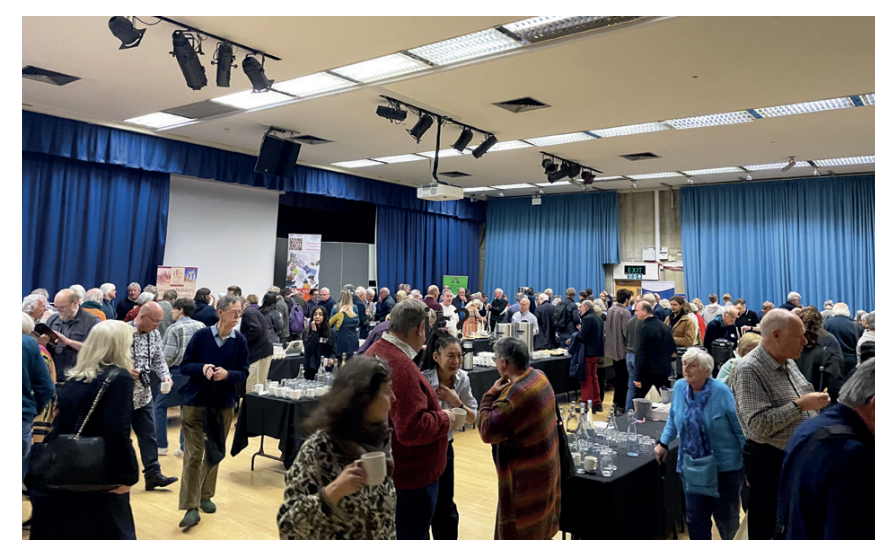
The ever-popular Archaeology Fair returns! It will provide a wide range of stalls hosting travel companies, booksellers, and other archaeological organisations for you to browse in breaks between sessions. More exhibitors are to be added over the coming weeks, so watch this space.
This year we welcome leading archaeological publishers including Archaeopress and BAR Publishing, while you will be able to learn about field-work opportunities from the Kent Archaeological Field School. For those interested in archaeological travel, you can find out more about expert-led tours and heritage-themed holidays from the likes of Hidden History, Peter Sommer Travels, and The Cultural Experience, while specialist archaeological services are offered by Wessex Insurance Brokers Ltd, who provide products tailored for archaeologists, and SUMO GeoSurveys.